
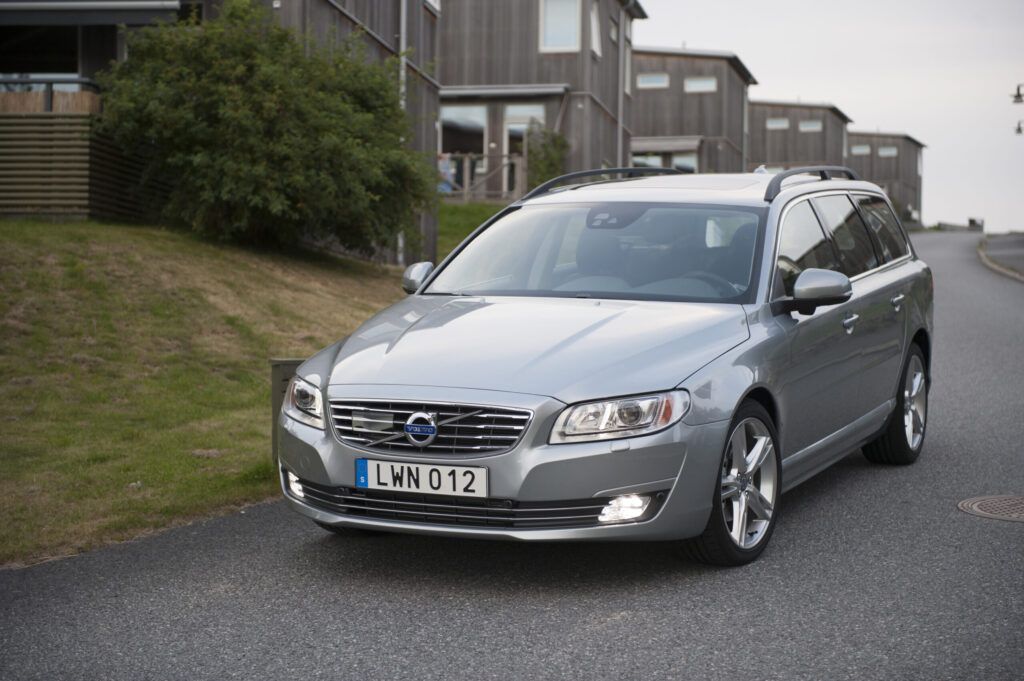
Broken windscreen wipers and wiper motor problems immediately cause poor visibility in bad weather, which is a danger on the road. Noise from the wiper mechanism, rear wipers that hesitate when starting and front wipers that stop halfway are common complaints that often arise from wear, seized mechanisms or electrical faults. In this article you will find out how to recognise these problems and what you can do yourself before going to the garage.
How do I recognise broken windscreen wipers
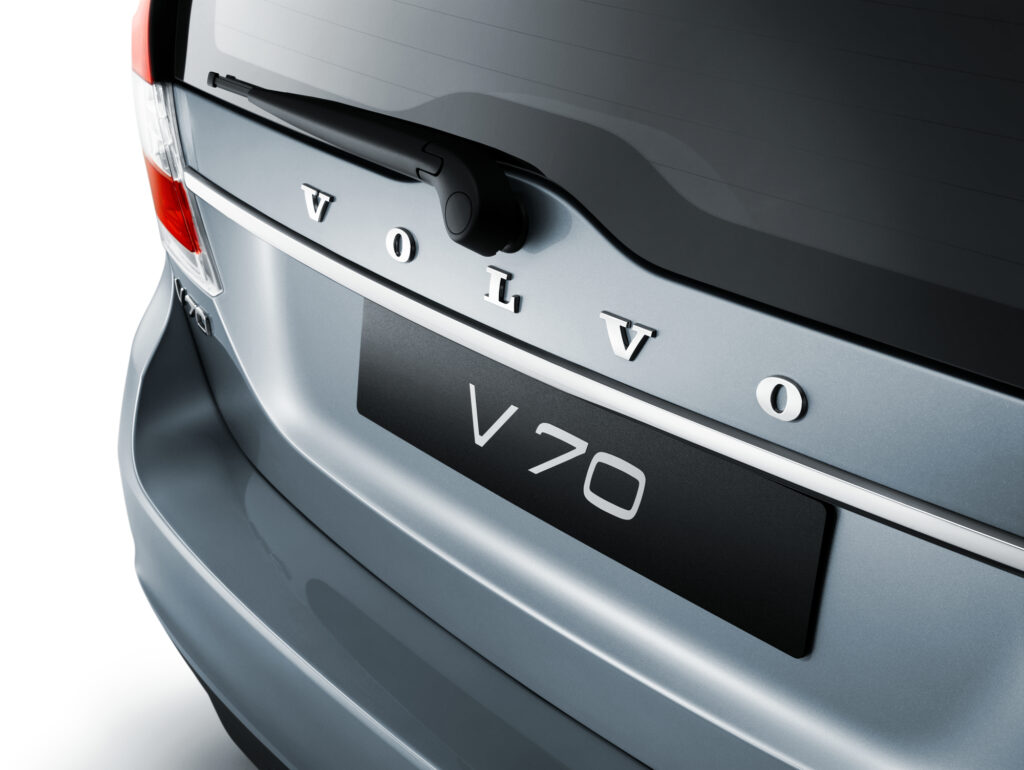
You will quickly notice when something is wrong with your wipers. Wipers are the arms with rubber blades that move back and forth across the windscreen to wipe away rain, snow and dirt. They may stop moving altogether, move jerkily or slowly, or stop halfway through their sweep. Creaking, grinding or a heavy motor sound also point to problems. In some cars, such as the Volvo V70, these complaints are common due to wear in the motor and mechanics (the linkage system and moving parts that drive the wipers).
Other signs include wipers that do not park in the correct position, an intermittent setting (the setting where the wipers move with pauses) that works irregularly, or wipers that do not respond while the washer still works. These symptoms may point to a faulty motor, but also to problems with the linkage, the switch or electrical connections.
Why are my wipers making noise
Wiper noise has several causes. This can be squeaking, creaking or a heavy motor noise. Poorly adjusted wiper blades, a greasy or dirty windscreen and worn wiper arms will quickly lead to grinding and squeaking. These are not motor problems, but they are annoying issues that are easy to fix.
Heavier motor noise or creaking often indicates mechanical problems. Seized joints, dry shafts or rust in the wiper mechanism put extra load on the motor. This not only causes noise, but can also lead to the motor itself failing due to overloading.
Common causes of wiper noise
- Dirty or greasy windscreen
- Worn or incorrect wiper blades
- Seized joints due to rust or dirt
- Dry shafts without lubrication
- Stiff-running mechanism due to wear
- Incorrect adjustment of the wiper arms
What causes wiper motor problems
A faulty wiper motor causes the wipers to stop working completely or only move weakly. You may still hear a humming sound, but the movement does not get started. Internal gears in the motor can wear out, so the motor still receives power but no longer delivers useful movement.
But not every wiper problem is caused by a failed motor. A seized mechanism due to dirt, rust or dry joints often looks like a motor defect (a situation where the electric motor that drives the wipers is broken or worn out). You can tell the difference by listening carefully and checking whether the motor is trying to move. If there is complete silence, the problem is more likely to be in the electrical control, such as a faulty switch, relay or fuse.
Other possible causes
- Faulty switch on the steering column
- Blown fuse or faulty relay
- Corrosion in connectors or a loose earth connection
- Damaged wiring
- Faulty rain sensor (this automatically switches on the wipers when it rains) with automatic wipe function
- Poor wiper blades or incorrect arm pressure
What can you check yourself if you have wiper problems
Always start with the basics before replacing parts. Check whether the wiper blades are still in good condition, whether there is enough washer fluid in the reservoir and whether the wiper arms are firmly attached. Frozen or stuck wipers can also be the cause, as can a greasy or dirty windscreen.
Then switch on the wipers and listen carefully. Do you hear a hum, click or mechanical sound? Then the motor is trying to work, but the movement is not properly transmitted. Is there complete silence? Then the problem probably lies with the fuse, the relay, the switch or the wiring.
Check the mechanism under the bonnet
In many cars the motor and linkage mechanism are located under the cover at the lower edge of the windscreen. If the motor still seems to work but the arms do not move properly, it is wise to inspect the joints. Look for play on the shafts, seized pivots, rust, dried-out grease and loose fastenings.
Also check the fuses and connections. A simple fuse check can save a lot of time. Connectors and earth connections deserve attention, especially if the fault occurs intermittently or gets worse after rain.
How do I replace the wiper motor
If the motor no longer has any power or is internally damaged, replacement is often the best solution. You will usually need to remove the wiper arms and sometimes parts of the trim to gain proper access to the motor. That requires some technical know-how and tools.
The replacement procedure differs per make and model. In some cars the motor is easy to reach, in others you first have to remove other parts. After fitting, it is important to test everything before tightening it down fully. Make sure the wiper arms are mounted in the correct park position, otherwise they will park in the wrong place.
Steps for replacing the wiper motor
- Remove the wiper arms with a special puller
- Remove the cover at the lower edge of the windscreen
- Disconnect the motor’s electrical connector
- Remove the mounting bolts from the motor
- Fit the new motor and reconnect the wiring
- Test the operation before refitting everything
- Refit the cover and wiper arms
What does wiper maintenance cost
The cost of wiper maintenance varies widely. New wiper blades cost between 10 and 40 euros each, depending on brand and quality. Cleaning and lubricating the wiper mechanism at a garage often costs between 50 and 100 euros in labour.
Replacing a wiper motor is more expensive. The motor itself costs between 80 and 250 euros, depending on the make of car and whether you choose an original or aftermarket part. Fitting usually takes one to two hours, which amounts to 75 to 200 euros in labour. In total you can expect to pay 150 to 450 euros for replacing a wiper motor.
The mechanism may also need attention. Replacing wiper shafts, linkages and joints can require additional parts and labour time. This can drive up the costs. That is why you should always have a diagnosis carried out first before agreeing to a repair.
When should I buy new wiper blades
Wiper blades wear out through use, sunlight and weather conditions. If the wipers leave streaks, shed rubber or skip parts of the glass, it is time to replace them. Cracked or hardened rubbers are also signs of wear.
Ideally replace wiper blades every year, or when you notice they are working less effectively. Do not wait until visibility becomes really poor. Good wiper blades ensure safe visibility in the rain and can prevent your mechanism from being overloaded by stiff-running blades.
Signs that your wiper blades need replacing
- Streaks on the windscreen after wiping
- Rubber that breaks off or comes loose
- Grinding or squeaking while in use
- Areas of the glass that are not wiped clean
- Cracked or hardened rubber on the wiper blades
- Wiper blades that move jerkily across the glass
‘ A seizing mechanism can put extra strain on the motor and eventually cause it to fail. ’
Tips for preventing wiper problems
Regular maintenance prevents many wiper problems. Do not use the wipers on a dry, dirty windscreen. Always remove ice and snow by hand before switching on the wipers. Have the shafts and joints checked periodically during a service.
Choose good wiper blades. Cheap blades wear out faster and are more likely to make noise. If the motor is labouring, do not wait too long to get a diagnosis. A seizing mechanism can put extra strain on the motor and eventually cause it to fail.
After replacing the motor or mechanism, always test the operation first before refitting all the covers permanently. Make sure the wiper arms are mounted in the correct park position, otherwise they will not park correctly.

When to see a specialist
Some wiper problems cannot be solved by yourself. Have a garage or specialist take a look if the wipers do not respond at all, you suspect a burning smell or overheating, or if the fuse repeatedly blows. If the wipers stop halfway for no obvious reason, the motor makes a sound but the arms do not move, or the fault returns after cleaning or lubricating, professional diagnosis is also advisable.
A good workshop can quickly determine with diagnostic equipment whether the problem lies in the motor, the mechanism or the electrical control. This prevents you from replacing parts unnecessarily and ultimately saves time and money.
On the Carnews website you will find much more information about car problems, maintenance tips and experiences with different models. Discover more articles and practical advice to help you with the maintenance and use of your car.
Frequently asked questions
Switch on the wipers and listen: if you clearly hear the motor humming but the arms do not move or move jerkily, it is usually due to seized or worn linkages. If you hear nothing at all and the wipers do not move, first check the fuse and connectors; if it remains silent, the motor or control system is suspect. If the arms move normally but wiping is poor, streaks are left or the wipers miss areas, the problem is almost certainly in the blades (or the pressure from the arms). If the wipers move slowly, judder or stop halfway, the mechanism (linkages/shafts) is often stiff or partly seized, sometimes combined with a weakened motor.
Check and replace worn wiper blades in good time and keep the windscreen clean and grease-free so the wipers can move smoothly. Periodically clean and lubricate the wiper shafts and joints under the cover to prevent seizing and extra load on the motor. Occasionally check fuses, connectors and earth points for corrosion or loose connections. Do not use the wipers on a dry windscreen or one covered in ice or snow, and first remove dirt and ice by hand.
For optimum performance at higher speeds and in extreme weather conditions, high-quality flatblade/aero wiper blades with an integrated spoiler are best, as they distribute the pressure evenly across the blade and press it more firmly against the glass. Ideally choose premium-brand blades (such as Bosch Aerotwin, Valeo Silencio or comparable OEM) in the correct size for your car. Replace the blades in good time (usually once a year) and ensure the windscreen is clean and degreased for maximum performance.
Replacing a wiper motor is not a very complex job from a technical point of view, but it does require basic mechanical skills, careful working and access to the right tools. You will usually have to remove the wiper arms, covers and mechanism and then refit the arms correctly in the park position. For a handy DIYer with a workshop manual and enough time it is quite feasible to do it yourself. If you are unsure, lack experience or if electrical diagnosis is also required, it is wiser to go to a garage.
The most common causes are a worn or internally damaged windscreen wiper motor and a seized or stiff-running wiper mechanism due to rust, dirt or lack of lubrication. In addition, faulty switches, relays, fuses or control modules are common, as are poor earth or connector contacts in the wiring. In cars with a rain sensor, a dirty or faulty sensor can also cause intermittent operation.