
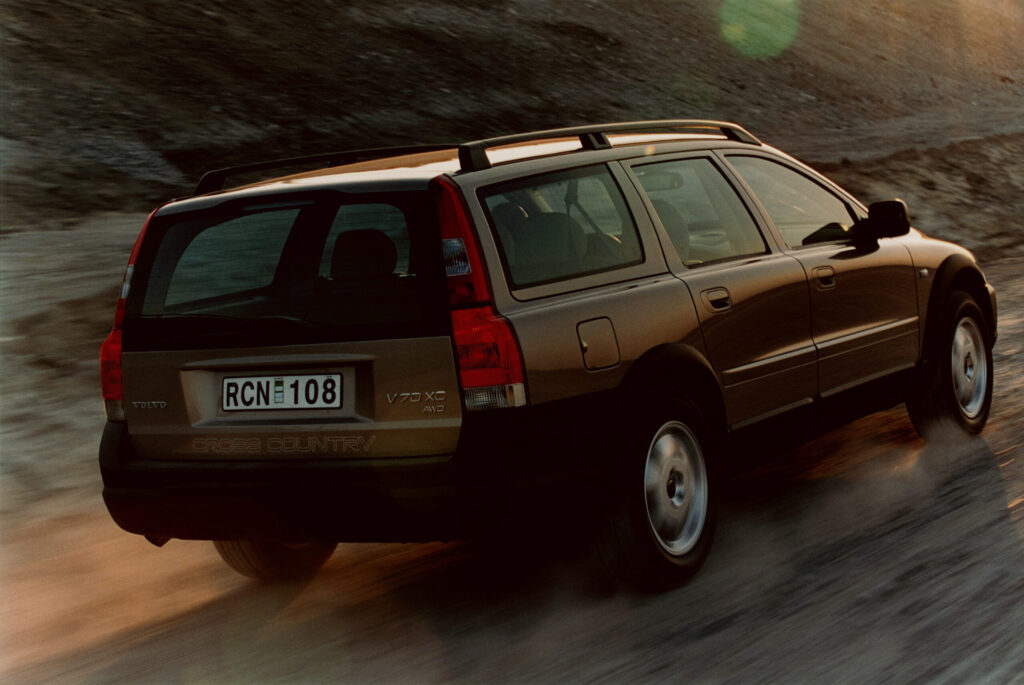
Premature wear of rear wheel bearings is a known issue, particularly occurring in older cars and models with high mileage. The characteristic humming sound while driving signals that replacement is needed, often sooner than you might expect. Do not ignore this warning, as timely replacement will save you from expensive consequential damage.
How do you recognise a worn rear wheel bearing?
A faulty rear wheel bearing usually announces itself with a specific sound. This humming, singing or buzzing noise becomes louder as your speed increases. The difference between this and tyre noise lies in how the sound changes while driving.
Pay close attention when cornering. When you make a left turn and the sound changes or weakens, this often points to a problem with the right rear wheel bearing. The reverse applies to a right turn. This change occurs because the load on the wheel bearings shifts during steering.
The most common signs are:
- Humming or singing sound that increases with speed
- Grinding or clicking in more advanced stages of wear
- Change in sound when taking corners
- Noticeable play in the wheel in cases of severe wear
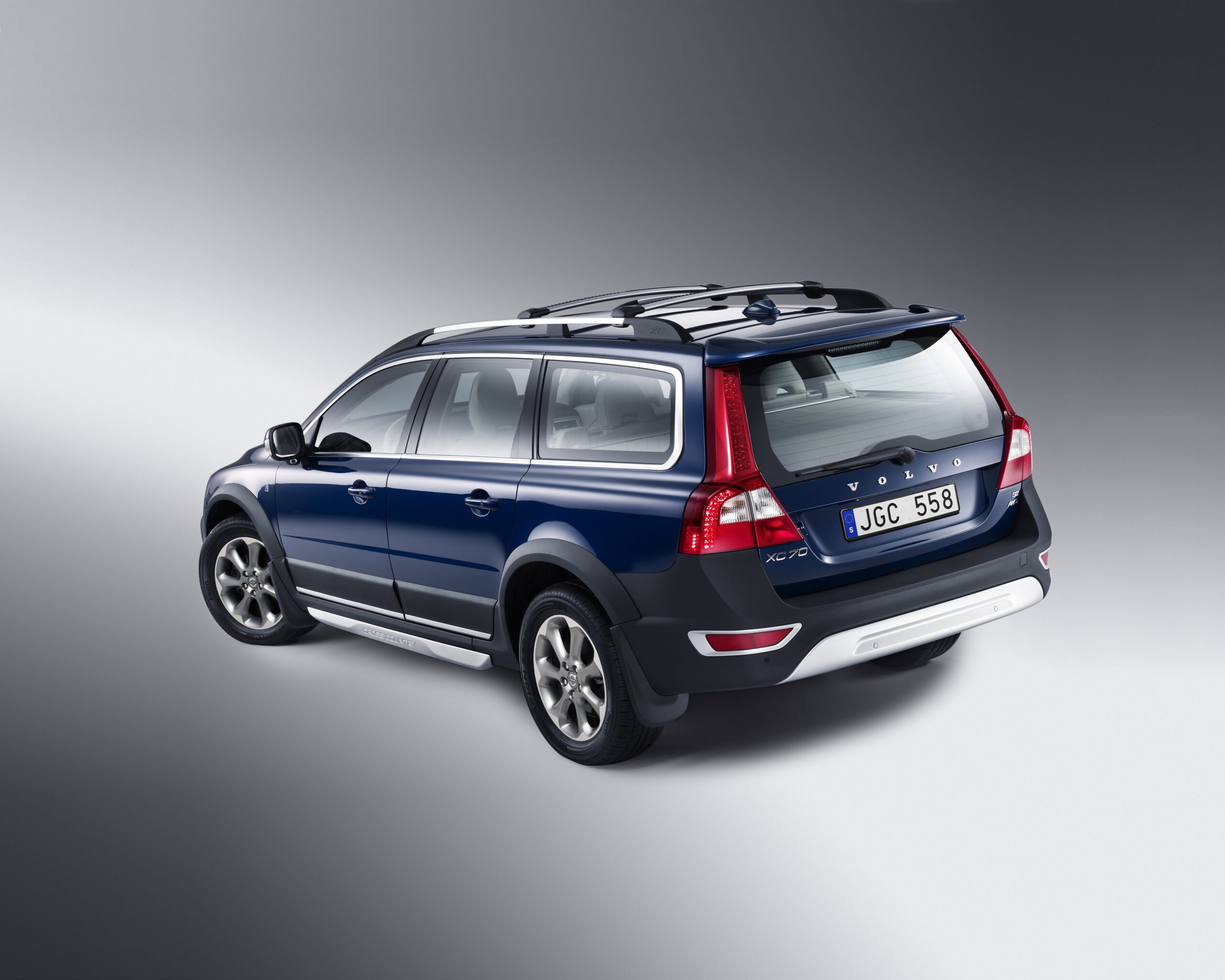
For models such as the Volvo XC70, this problem is regularly reported by owners. The usual replacement margin is around 110,000 to 145,000 kilometres, but replacement may be required sooner depending on usage conditions.
‘ However, moisture, dirt and road salt pose an additional threat. ’
Why do rear wheel bearings wear out prematurely?
Wheel bearing wear is partially normal, but certain factors significantly accelerate this process. The service life depends on multiple conditions that influence the load and condition of the bearing.
High mileage is the most obvious cause. Material fatigue occurs after prolonged use, weakening the bearing’s internal structure. This is a natural process that occurs in every car.
However, moisture, dirt and road salt pose an additional threat. These substances can affect the bearing’s seal, damaging internal components and accelerating wear. This risk increases especially during winter months or with frequent trips on unpaved roads.
Heavy loads also play a role. Regularly driving with a full car or towing a trailer increases the load on the rear wheel bearings. For estate cars and SUVs, which are often used for such purposes, this is a relevant factor.
What do rear wheel bearing repairs cost?
The costs for replacing a rear wheel bearing vary, but generally range between 250 and 500 euros per wheel. This amount depends on the car make, the type of wheel bearing, and the garage’s hourly rate.
A rear wheel bearing is usually replaced as a complete bearing or hub assembly. This approach simplifies installation and ensures correct alignment. The part itself costs between 80 and 200 euros, depending on the brand and quality.
Labour time makes up a large part of the total price. Replacing a rear wheel bearing requires expertise and precision because brake components and ABS sensors need to be detached. Expect two to three hours of work per wheel.
Some garages advise replacing both rear wheel bearings at the same time, especially when the car has high mileage. This prevents you from having to return to the garage for the same job within a short period.
Can you replace rear wheel bearings yourself?
Replacing a rear wheel bearing is technically possible for experienced DIYers, but requires specific knowledge and tools. The complexity is higher than with standard maintenance tasks such as replacing brake pads.
In any case, you will need the following:
- A professional jack and axle stands for safe working
- Torque wrenches with correct settings for the hub nut
- Tools for loosening brake components
- Knowledge of the correct tightening torque specifications
The work process includes multiple steps. The car must be lifted stably, after which the wheel and brake components are disassembled. The ABS sensor requires extra attention, because damage will lead to error messages and functional problems.
After loosening the hub nut, the old bearing or hub assembly can be removed. The new assembly must then be correctly mounted with the right tightening torque specifications. Deviations from this can lead to play or too much tension on the bearing.
For many car owners, professional replacement is the wisest choice. The warranty on the work, the correct diagnosis, and the use of the correct tools outweigh the saved labour costs.
‘ Do not ignore a persistent humming sound. ’
Practical tips for rear wheel bearing problems
Early recognition of wheel bearing problems saves you money and prevents dangerous situations. Test the sound on a safe road by steering slightly from left to right. If the sound changes clearly, this often indicates a loaded wheel bearing on the opposite side.
Do not ignore a persistent humming sound. What starts as a subtle sound can develop into serious wear with play in the wheel. This increases the risk of damage to the hub, brake discs and ABS sensor environment.
Plan replacement sooner rather than later. Continuing to drive with a worn bearing increases total repair costs because adjacent components become affected. During concurrent work, it is wise to also check the condition of brake discs, dust plates, and fasteners.
During inspection, take into account the difference between tyre noise and bearing noise. Tyre noise remains consistent regardless of corners or steering adjustments. Bearing noise, on the other hand, changes clearly when the load on the wheel changes.
When is immediate action required?
Certain symptoms require immediate attention. Noticeable play in the wheel is a direct safety issue that does not tolerate delay. This can lead to loss of control, especially at higher speeds or in emergency situations.
Loud grinding or metallic noises point to advanced wear. At this point, internal damage is already significant and the risk of complete bearing failure grows. In this case, drive no more than strictly necessary and schedule a garage visit immediately.
A lit ABS warning light can also be linked to wheel bearing problems. Damage to the sensor or signal interference caused by a worn bearing can trigger this warning. Always have this professionally diagnosed.
On the Carnews website, you will find much more information about maintenance, common car problems, and practical tips for various car brands. Discover which problems specifically affect your model and how best to address them.
Frequently asked questions
You can usually recognise a worn rear wheel bearing by a humming, buzzing or singing sound that increases with speed. That sound often changes when you corner or make a slight steering movement, because the load on the bearing shifts. In a later stage, you may also hear grinding or clicking sounds. In serious cases, there may be noticeable play on the wheel, which requires immediate maintenance.
Continuing to drive with a defective rear wheel bearing increases the chance of extra wear on the hub, brake parts, and possibly the ABS sensor. The bearing may develop more play, making the car less stable and potentially negatively impacting braking distance or control. In extreme cases, the bearing can seize or disintegrate, which can cause loss of wheel control and a dangerous traffic situation. Therefore, a defective wheel bearing should be replaced as soon as possible.
Replacing a rear wheel bearing is technically quite a complicated job, as you must, among other things, dismantle brakes, the hub and often ABS components. If you have no experience with car maintenance, special tools (such as a torque wrench) and safe working under a car, then professional help is strongly recommended. A handy DIYer with good tools and clear instructions (e.g. workshop manual or video guide) can in principle do it themselves. Please note that incorrect installation can lead to unsafe situations and additional damage.
The lifespan of a rear wheel bearing is mainly influenced by mileage, driving style (much heavy load or poor roads), exposure to moisture, dirt and road salt, and the quality of the bearing itself. Frequent driving with a full load or a trailer increases the load and accelerates wear. Wear can be limited by driving gently over speed bumps and potholes, not structurally overloading the vehicle, and addressing rust, dirt and leaking oil seals around the wheel in a timely manner. If you hear an odd humming or buzzing sound, have the bearing checked immediately and replaced if necessary to prevent further damage.
Yes, a worn rear wheel bearing can influence handling and performance, certainly during sporty driving. Due to play in the bearing, the wheel may track less stably, which is noticeable in corners and at high speeds. This can cause an unsettled feeling in the car and in extreme cases negatively influence braking and ABS performance. During sporty driving, it is therefore extra important to replace a worn bearing in a timely manner.