
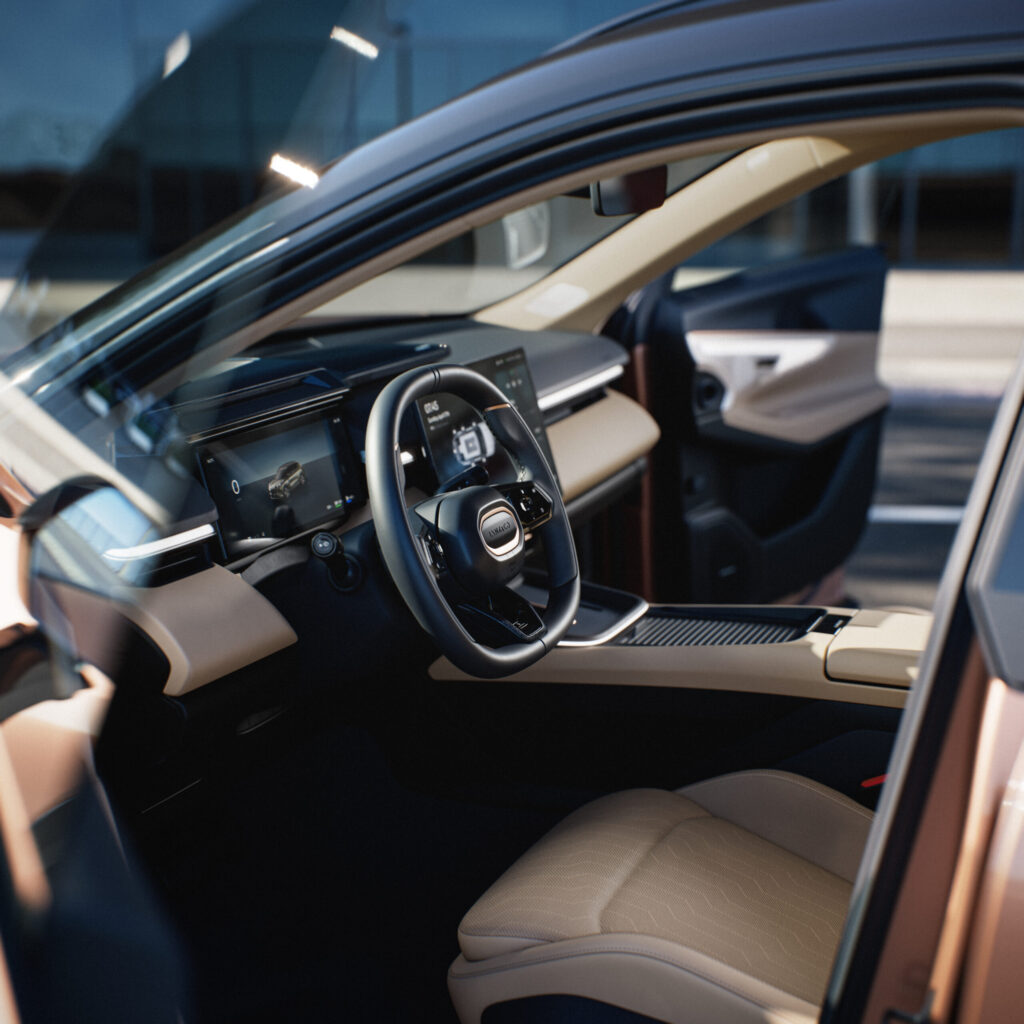
Brake malfunctions occur regularly on the Lynk & Co 08. Many owners experience a slow brake response, strange noises or vibrations. This is usually caused by worn brake pads, problems with brake discs or leaks in the brake fluid system. The high weight of this plug-in hybrid SUV, around 2,100 kilograms, places extra demands on the brakes. Regular inspection and maintenance are essential to keep driving safely.
Why does my Lynk & Co 08 make noise when braking?
Squeaking or grinding noises while braking are common on the Lynk & Co 08. This is usually caused by dust build-up on the brake discs or pads. It is typical for modern vehicles with advanced ceramic materials. On new cars this noise can be normal during the running-in period.
Another cause is uneven wear of the brake discs. This means that parts of the disc have worn thinner than others. The high vehicle weight makes this problem worse. Frequent stop-start traffic only aggravates it. Owners report on forums that regularly cleaning the discs with brake cleaner helps to reduce squeaking noises. The interaction between the regenerative braking system (the system that recovers electrical energy when slowing down) and the mechanical brakes can also cause unusual sounds. This happens especially after long periods of electric driving.
For more information about this model and common complaints, see the overview page on Lynk & Co 08 problems.
‘ A delayed or weak brake response is a common symptom on plug-in hybrid models. ’
How do I recognise brake problems on the Lynk & Co 08?
Brake problems manifest themselves in different ways. A delayed or weak brake response is a common symptom on plug-in hybrid models (cars that run partly on electricity and partly on fuel). The Lynk & Co 08 has a regenerative braking system. This system recovers electrical energy when slowing down. It can interfere with the mechanical brakes. This gives a soft or spongy pedal feel. It occurs especially after prolonged electric driving without using the mechanical brakes.
Vibrations or a juddering brake pedal usually indicate unevenly worn brake discs. This means that parts of the disc have worn thinner than others. On the Lynk & Co 08 this is accelerated by the heavy weight and the dynamic driving style that many plug-in hybrid owners have. Also pay attention to warning lights on the dashboard. ABS warnings (ABS stands for anti-lock braking system) can point to electronic faults in the combined hybrid braking system. Sometimes these can be solved by software updates from the dealer.
Carry out a simple check on a regular basis. Park on a flat surface. Then test the pedal pressure. The pedal should feel firm without sponginess. Also check the brake fluid level under the bonnet. Top up with DOT 4-specification brake fluid (a quality standard for brake fluid) if the level is below the minimum.
When do the brake pads on the Lynk & Co 08 need to be replaced?
The brake pads on the Lynk & Co 08 need to be replaced when the minimum thickness of 3 millimetres has been reached. This limit is lower than on traditional cars because the regenerative braking system takes over part of the braking work, meaning the mechanical brakes are less heavily loaded during normal use.
In practice, the brake pads wear faster with many short journeys in town. The high weight of the vehicle makes heavy demands on the brakes in short-cycle driving. Owners report that activating the strong regeneration mode (the setting that allows the car to brake more electrically) via the infotainment system (the multimedia and control screen in the car) reduces wear. This applies more electrical deceleration. As a result, the mechanical brakes are spared.
Check the brake pads at every service. Ideally you should do this every 20,000 kilometres. For a visual inspection, remove the wheels. Then measure the pad thickness. Always replace in axle pairs (so left and right on the same axle at the same time) to avoid uneven braking force. Preferably use high-temperature brake pads (pads that can withstand high temperatures from intensive use). These must be suitable for plug-in hybrid vehicles. They also produce little dust.
Common causes of brake problems
Several factors can lie at the root of brake malfunctions on the Lynk & Co 08. Knowing these causes helps with quick diagnosis and targeted repair.
- Worn brake pads due to the high vehicle weight and intensive use in the city
- Brake fluid leaks caused by damaged lines or ageing seals
- Unevenly worn brake discs, accelerated by aggressive braking behaviour
- Interference between regenerative and mechanical braking systems due to software problems
- Air in the braking system due to insufficient maintenance or previous repairs
- Aged brake fluid with a reduced boiling point
For an accurate diagnosis, an OBD scanner (a fault code reading device) can be useful. Connect an ELM327 scanner (a type of OBD scanner) to the OBD2 port (the diagnostic plug under the dashboard). Read fault codes using apps such as Torque Pro (an app for reading vehicle fault codes). Some fault codes point to brake problems or faults in the hybrid braking system.
‘ Preventive maintenance saves a lot of repair costs. ’
Practical repair tips for owners
You can carry out some brake system repairs yourself if you have basic knowledge of car maintenance. When replacing brake pads, always replace the left and right on the same axle at the same time. Tighten the calliper bolts with a tightening torque of 120 Nm. After fitting, bleed the system with brake fluid. Then run in gently for 200 kilometres. Do not brake too hard during these first few hundred kilometres so that the new pads can perform optimally.
For more complex problems, professional help is advisable. Visit a Lynk & Co-certified workshop for software updates or known recall actions. Dealers often carry out hybrid brake calibration (re-adjusting the interaction between electric and mechanical braking) free of charge via over-the-air updates (wireless software updates carried out remotely). This happens when it is part of a technical campaign.
Preventive maintenance saves a lot of repair costs. Replace the brake fluid annually. The boiling point of the fluid drops with heavy use. As a result, the fluid can function less effectively. Avoid aggressive braking and make the most of the electric driving range of 200 kilometres to spare the mechanical brakes. The Car Guide app from Lynk & Co (the brand’s official app for vehicle monitoring) offers handy monitoring of brake status and gives warnings in case of abnormal wear.
How much does it cost to repair brake issues on the Lynk & Co 08?
The cost of brake repairs varies greatly depending on the nature of the problem. Replacing brake pads on both axles costs between 300 and 500 euros at a workshop, including labour. If the discs are replaced at the same time, costs are higher, between 600 and 900 euros.
Software updates for the hybrid braking system are often free at authorised dealers when they are part of a known factory campaign. For general brake maintenance, such as replacing brake fluid, expect to pay 80 to 150 euros at a garage. Repairing brake fluid leaks caused by damaged lines costs between 150 and 400 euros, depending on the location and severity of the leak.
Do-it-yourself repairs are cheaper but require technical understanding. A set of quality brake pads for plug-in hybrid vehicles costs between 100 and 200 euros. Brake discs cost between 150 and 300 euros per set. Add tools to this if you do not already have them, such as a torque wrench and calliper tools.
When should you go straight to the workshop?
Some brake symptoms require immediate professional attention. Go straight to a workshop if your braking distance is greatly increased or when the brake pedal goes right to the floor without sufficient resistance. This indicates a serious leak in the system or complete pad wear.
A burning smell during or after braking indicates overheating of brake components. With a full load of five people and luggage this deserves extra attention, because the high weight puts heavy strain on the brakes. You must also not ignore a constantly lit ABS light or ESP warning, as this affects the stability and safety of the vehicle.
Strange colours in the brake fluid are a warning sign. Dark brown or black fluid must be replaced. If the fluid contains bubbles or foam, air may have entered the system. In both cases, have the entire braking system checked and, if necessary, flushed through.
‘ This reduces the load on the mechanical brakes and significantly extends their service life. ’
Prevention and maintenance tips
Regular maintenance prevents most brake malfunctions. Check the brake fluid level monthly and top up in good time with DOT 4 fluid. Note that different types of brake fluid are not compatible. Plan a complete brake fluid change every year, especially with intensive use.
Make optimal use of the regenerative braking system by activating the strong regeneration mode. This reduces the load on the mechanical brakes and significantly extends their service life. During long periods of mainly electric driving, it is wise to brake firmly on the mechanical brakes from time to time so that the pads and discs do not rust or seize up.
Schedule brake checks at every service, ideally every 20,000 kilometres or annually. Have the thickness of discs and pads measured. For the Lynk & Co 08 a minimum disc thickness of 28 millimetres at the front and 12 millimetres at the rear applies. Adaptive cruise control helps to relieve the braking system on long journeys. Use this feature where possible.
On the Carnews website you will find much more information about maintenance, common problems and practical tips for different car makes and models. Discover more articles and increase your knowledge of car technology and preventive maintenance.
Frequently asked questions
On the Lynk & Co 08, owners mainly report a delayed or weak brake response, recognisable by a soft or spongy brake pedal and the feeling that the car slows down less directly, especially after long periods of electric driving. In addition, vibrations in the brake pedal or steering wheel while braking are a common symptom, which points to possibly uneven or worn brake discs. Squeaking or grinding brake noises also occur, often under light braking or after the car has been standing still, which may indicate dust build-up or wear of pads and discs. Finally, ABS or brake warning lights are mentioned, sometimes combined with irregular braking, which may point to an electronic or software-related problem in the hybrid braking system.
Park the car on a flat surface, apply the handbrake and first check the brake fluid level in the reservoir under the bonnet (it should be between the min and max markings) and whether the pedal feels firm. Then make a short test drive (50–80 km/h) and brake several times gradually and once a bit harder, paying attention to abnormal noises, the car pulling to one side, vibrations in the steering wheel or pedal, and any warning lights. If possible, you can read out and note fault codes with a simple OBD2 scanner (for example brake- or ABS-related codes). If you see or hear clear vibrations, loud squeaking or grinding noises, or a warning light is on, do not keep working on it yourself but book a visit to the garage straight away.
The regenerative braking systems of the Lynk & Co 08 ensure that part of the deceleration is provided by the electric motor, which often means the mechanical brakes wear less but also become less warm and can rust more quickly or wear unevenly. When diagnosing, you must therefore first distinguish between complaints that arise from the software/energy recuperation (for example pedal feel, transitions between electric and friction braking) and real mechanical problems with discs, pads and hydraulics. Repair of traditional brake components remains largely conventional (pads, discs, fluid), but must be combined with checking and calibrating the hybrid brake control system using diagnostic equipment and any software updates. Strong regeneration also changes the usage pattern (less use of the discs), which means mechanics must pay more attention to rust, glazed pads and uneven disc wear rather than just high wear levels.
Replace the brake fluid (DOT 4) annually and check the thickness and even wear of brake discs and pads at every service (about every 20,000 km), particularly due to the high vehicle weight. Keep the brakes clean by removing dust and dirt from discs and pads and have squeaking brakes degreased or bedded in again in good time. In everyday driving, use a strong regeneration setting to relieve the mechanical brakes and avoid aggressive braking, especially with a full load. If you have any doubts about pedal feel, vibrations or warnings (ABS/hybrid braking system), have the software and brake calibration checked at a Lynk & Co-certified workshop.
Average costs for common brake repairs on a Lynk & Co 08 are generally in the range of about €250–€450 per axle for pads plus discs and €80–€150 for a brake fluid service, depending on the workshop and the quality of parts. The complexity is higher than on a conventional car, because it is a combined mechanical and regenerative braking system that sometimes requires software calibration or updates. For standard jobs such as replacing pads and discs, normal garage tools are sufficient (jack, torque wrench, calliper piston reset tool, etc.). Specialist equipment is mainly needed for diagnosis and calibration (OBD scanner and brand-specific software) in the case of electronic or hybrid braking problems.