
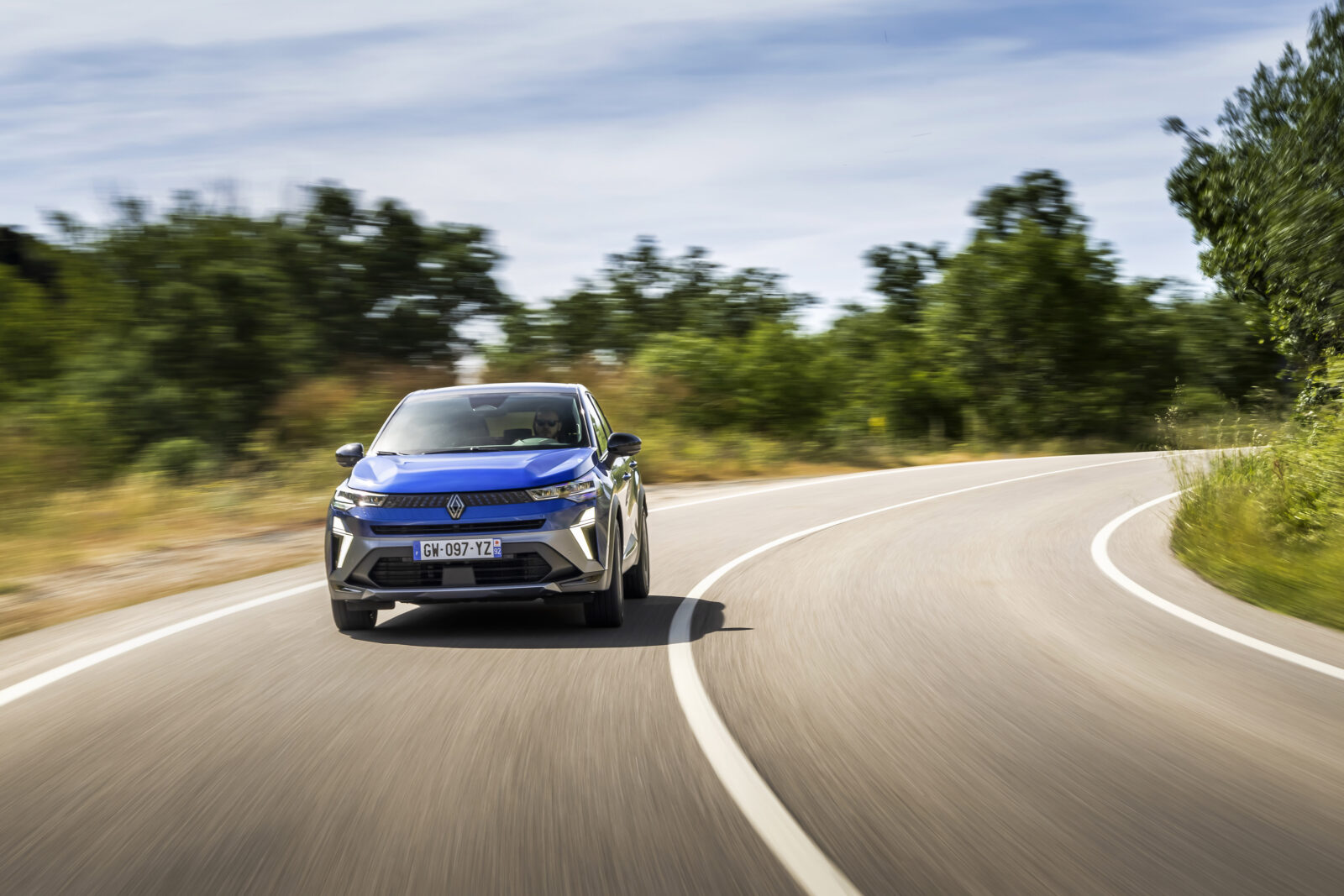
TCe engines in the Renault Captur regularly suffer from cooling system faults that lead to overheating and, in the worst case, permanent engine damage. Manufacturers mainly report these problems on models from 2014 onwards with the 0.9 TCe or 1.3 TCe engine. If you recognise the warning signs in time, you can avoid expensive repairs and keep your car reliable.
Why does your car develop cooling problems?
The cooling system of your engine keeps the temperature within safe limits. Components fail or leaks occur, and this balance is disturbed. With the Renault Captur a few weak points are known that regularly lead to overheating.
Leaks often result in a coolant level that is too low. Leaks frequently arise due to corrosion or hairline cracks in hoses, the cooling box or the thermostat housing. The thermostat housing in particular has proved to be a known weak point on the 1.3 TCe engine. This component suffers from systematic defects. New versions are sometimes hard to obtain, which makes the problem extra frustrating.
The thermostat sticks or fails. The thermostat controls the circulation of coolant through the engine. The thermostat opens at 98 degrees Celsius, which activates cooling via the radiator. At lower temperatures it closes for quicker warm-up. At fully open, around 108 degrees, the fan switches on at 110 degrees. When the thermostat jams, the coolant does not circulate properly and the engine temperature rises dangerously quickly.
Poor circulation due to air pockets, a clogged radiator or failing sensors also causes overheating. Communication problems between control units (the engine’s electronic control modules) can sometimes lead to incorrect readings. The cooling system then fails to respond in time. During diagnosis, fault code DTC 021798 (a code from the car’s diagnostic system) often appears. This fault code indicates engine overheating. It occurs mainly after low battery voltage or when the car has been standing still for a long time.
‘ This is a clear sign that the engine is getting too hot and that you must act quickly. ’
How can you recognise cooling system problems?
The first signs that your cooling system has problems often appear on the dashboard. The temperature gauge rises above the normal value of 82 to 112 degrees Celsius while the car is idling. This is a clear sign that the engine is getting too hot and that you must act quickly.
In addition, you will notice a loss of coolant. You may not see any puddles under the car because the fluid can also evaporate or end up in the system through an internal leak. Regularly check the expansion tank (the coolant reservoir) and watch out for bubbles. Bubbles indicate air in the system or a defective head gasket (the seal between the engine block and the cylinder head).
Other symptoms include hesitation when starting and reduced performance from the heater. Hesitation at start-up occurs mainly on cold mornings. The heater blows warm air while the engine is still cold, which points to circulation problems in the cooling system. The heater blows cold air while the engine should already be up to temperature. This also indicates circulation problems.
Which checks can you carry out yourself?
Check the coolant level in the expansion tank daily. This transparent reservoir is usually located on the side of the engine bay. It has a minimum and maximum mark. If you have to top up every day, there is a leak that you must have repaired quickly.
Inspect the ground under your car for green or blue stains. These are the colours of coolant. Place a piece of cardboard under the car when it is parked. That way you can more easily see whether there is any fluid leaking. Also look for damp areas around hoses, couplings and the radiator.
Never continue driving with too little coolant. The risk of engine damage is high and repair costs can quickly run into the thousands of euros. Stop immediately if the engine temperature warning light comes on. Have the car towed if necessary.
Owners of a 0.9 TCe engine can carry out simple checks themselves. Remove the air box (the air filter housing) and battery to gain access to the hoses and sensors. Inspect corroded components such as the cooling box or thermostat housing yourself and replace them if necessary. Make sure you correctly transfer the hoses to the new component.
When should you go to the garage?
If the engine continues to overheat or there is smoke coming from under the bonnet, stop immediately and call for professional help. Continuing to drive can cause serious damage to the head gasket or even the engine block itself. Repair costs can run into the thousands of euros.
If you see fault codes on the dashboard, it is wise to visit a garage. A Renault dealer can read out the fault memory (the stored fault codes in the system). He will identify intermittent control unit faults. This diagnosis usually costs around 955 euros, with any software update included in this price.
You cannot identify the cause yourself or you are unsure how serious the problem is. In that case, have a pressure test carried out (a test that pressurises the cooling system to detect leaks). Owners report good experiences with this method for tracking down leaks that are not immediately visible. With cars that have low mileage, a leak does not have to be large straight away. Early detection prevents more serious problems.
‘ Preventive maintenance pays off. ’
How much does it cost to repair the cooling system?
The cost of a repair depends on the fault. Replacing a leaking hose or clamp is relatively inexpensive. These parts cost a few tens of euros, plus labour. A new thermostat or thermostat housing is more expensive. On the 1.3 TCe engine this component can be difficult to obtain.
A defective water pump or radiator causes more complex problems, with costs rising to several hundred euros. Long-term overheating may have damaged the head gasket. Repairing this costs more than a thousand euros. In severe cases the engine block itself can be damaged, and the costs are significantly higher still.
Preventive maintenance pays off. It helps you avoid expensive repairs and keeps your car reliable. Replace the coolant every four to five years. Always use original coolant that meets the manufacturer’s specifications. If the car has done over 100,000 kilometres, also check the radiator fan (the fan that blows air through the radiator) and the hoses for wear.
Practical tips to prevent problems
Check the cooling system regularly so your car stays reliable. Take the following preventive measures:
- Check the coolant level at least once a month
- Inspect hoses and couplings for cracks and leaks
- Have the cooling system flushed during major services
- Replace coolant in line with the service schedule
- Regularly test that the radiator fan is working properly
- Have warning lights read immediately by a garage
Also keep an eye on online forums. Manufacturers release new revisions of problematic components such as the thermostat. Other owners often share useful experiences about solutions, including reliable repair methods.
Acting at the first warning signs pays off
Cooling system problems with TCe engines are annoying, but with timely action they are very manageable. Recognise the symptoms early and have problems diagnosed quickly. This way you can prevent costly engine damage. Keep an eye on the coolant level and inspect hoses yourself. Leave more complex repairs to a professional.
On the Carnews website you will find a lot more information about common car problems and maintenance advice. We share practical tips for different makes and models. Browse our other articles and regularly check your own car using our guides.
Frequently asked questions
You can often recognise cooling system problems by an excessively high coolant temperature on the gauge, a temperature that rises quickly or overheating warnings. Other signals are a falling coolant level, possibly with (green/blue) traces of leakage under the car, or a sweet smell under the bonnet. Bubbling noises or bubbles in the expansion tank and unexplained warm or, conversely, cold air from the heater can also point to problems. In severe cases you may notice loss of power, juddering or smoke/steam under the bonnet due to overheating.
The most common causes of overheating and other cooling system problems are low coolant levels due to leaks in hoses, the cooling box or thermostat housing, and a sticking or defective thermostat that prevents the coolant from circulating properly. In addition, air pockets, a clogged radiator or poor circulation in the system often cause temperature issues. Failing sensors or communication problems between control units can also cause the cooling fan to switch on too late and thus lead to overheating. Regular checks for leaks, coolant level, and the condition of the radiator and hoses help to prevent these problems.
Regularly check the coolant level and only top up with the prescribed (original) coolant, and have it completely replaced every 4–5 years. Inspect hoses, clamps, the thermostat housing and the radiator for cracks, corrosion and signs of moisture to detect leaks at an early stage. Make sure the radiator fan is working properly and, at higher mileage (>100,000 km), have the entire cooling system checked periodically by a garage. Stop driving immediately and have the system checked if the temperature gauge starts to rise or warning lights come on, or if you notice a coolant smell.
Pull over as quickly and safely as possible, switch off the engine and turn on the hazard warning lights. Open the bonnet only a little to let the heat escape, but do not touch anything and never open the cooling system (radiator cap/expansion tank) while the engine is hot. Wait until the engine has completely cooled down and only then check the coolant level, topping up if necessary in accordance with the instructions. If the problem keeps returning or you see a leak, have the car checked by a garage or have it recovered.
Recommended upgrades include a larger or high-efficiency aluminium radiator and a sport thermostat that opens earlier. You can also add an extra or more powerful electric cooling fan with manual or improved thermostat control. Reinforced silicone coolant hoses and a motorsport coolant with a higher boiling point also improve reliability. For track use, an additional oil cooler or a larger existing oil cooler can further lower the overall engine temperature.