
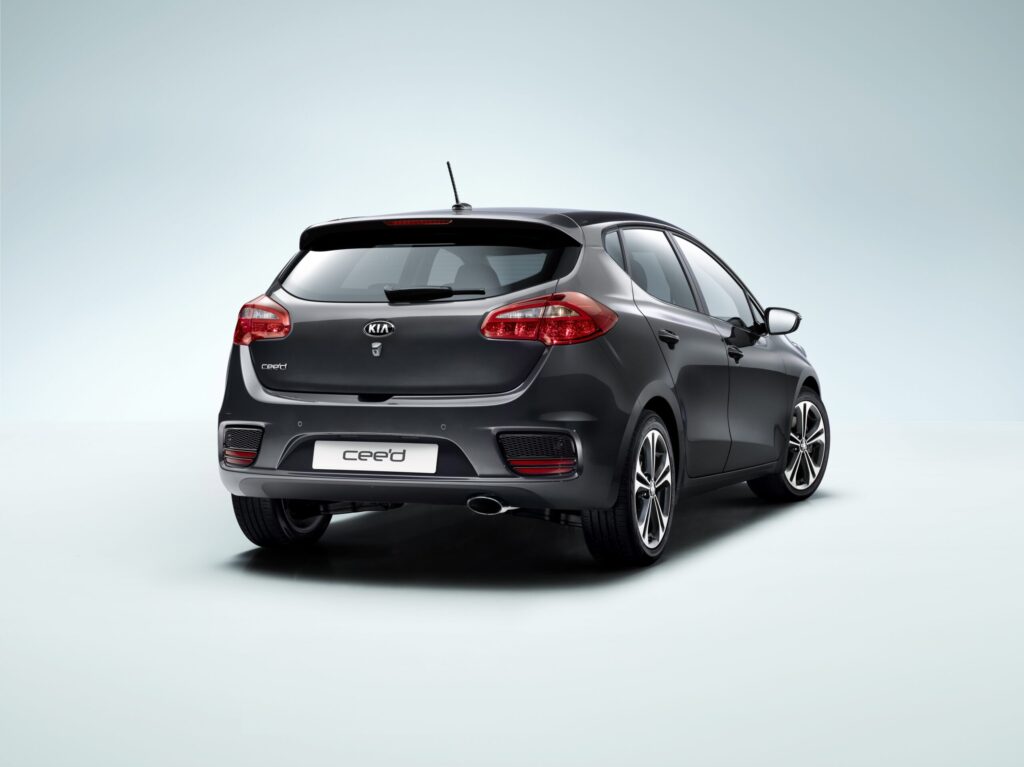
You can often recognise clutch problems in the Kia Ceed by slipping, a high biting point, juddering or difficult gear changes. These complaints occur in a manual Kia Ceed and in versions with a 7-speed DCT automatic (dual-clutch transmission). Continuing to drive can cause extra wear to the clutch and drivetrain. These signs tell you when an inspection is needed.
What clutch problems can a Kia Ceed have?
Not every Ceed has the same type of clutch. A manual version uses a single clutch plate operated through the pedal. The DCT automatic has two clutches. Electronics control engagement. As a result, both the symptoms and the possible causes differ.
In a manual Ceed, problems often arise from wear to the clutch plate, pressure plate or release bearing. Air, leakage or a faulty component in the hydraulic system also has an effect. The clutch then does not disengage fully. The clutch may also engage less smoothly.
With a DCT, the main signs are jerking, hesitation and unsettled behaviour at low speed. This transmission allows one clutch to slip when pulling away. One clutch can also slip during slow manoeuvring. Frequent city driving, stop-start traffic and driving on hills place extra thermal stress on the system.
How do you recognise a slipping clutch?
A slipping clutch does not fully transfer engine power to the wheels. The revs then rise. The speed increases little, or only after a delay. You will usually notice this most under hard acceleration, when climbing a hill, or when carrying a heavy load.
In a manual Kia Ceed, look out for these symptoms:
- The engine revs rise quickly without a matching increase in speed.
- The clutch pedal biting point is noticeably high.
- The car jerks or vibrates when pulling away.
- Changing into reverse is stiff or noisy.
- The pedal feels heavier or different from before.
- The symptoms become worse under load or when the drivetrain is warm.
A high biting point is not always immediate proof of a worn clutch. The pedal mechanism and adjustment also have an effect. Combined with slipping or juddering, however, it is a clear reason to have the car inspected.
Why is the clutch in my Kia Ceed slipping?
Slip usually occurs because the clutch plate does not grip the flywheel properly. Wear to the friction material is a common cause. The pressure plate may also not provide enough clamping force. The plate then slips under load.
Possible causes of a slipping clutch are:
- Wear to the clutch plate through use and mileage.
- A worn or damaged pressure plate.
- Oil or other contamination on the friction material.
- A problem with the hydraulic system.
- Frequent driving in town or on hills.
- Prolonged slipping during manoeuvring.
Your driving style also has an influence. If you rest your foot on the clutch pedal at traffic lights, you needlessly load the release bearing. Prolonged balancing of throttle and clutch also creates heat and wear. On a hill, it is therefore better to use the brake to keep the car stationary.
What does noisy gear changing mean?
Noisy gear changing often points to a clutch that is not fully disengaging. The gearbox then remains partly connected to the engine. As a result, reverse gear in particular may be difficult to engage, or may engage with a noise.
The cause is not always the clutch plate. Air in the hydraulic system, a leak or wear to the release mechanism can produce the same effect. Also have the pedal action and gearbox checked. Do this first, and only replace parts afterwards.
Do not force the gear lever if a gear is difficult to select. That puts extra strain on gearbox components. Put the transmission in neutral, let the pedal come back up and then try again. If the problem keeps returning, arrange a diagnostic check.
‘ Persistent juddering deserves investigation. ’
What symptoms does a Kia Ceed DCT cause?
The 7-speed DCT uses two clutches for alternating gears. This makes rapid gear changes possible. When driving at walking pace, the clutches must engage and disengage regularly. So a slight hesitation does not immediately indicate a fault.
Persistent juddering deserves investigation. The same applies to a long delay when pulling away. Also watch for unsettled shifting when the transmission is warm. A dashboard warning or sudden loss of drive also calls for inspection. Software plays a role in some complaints. In other cases, the clutch or actuator is worn. The actuator operates the clutches automatically.
Do not test a DCT only during a drive at a constant speed. Pulling away slowly will reveal faults. The same applies to parking and reversing. Driving on a hill can also expose problems. Try the car when cold and when warm. That way, you can spot symptoms that depend on temperature.
What does Kia Ceed DCT repair cost?
The cost of repairing a Kia Ceed DCT depends heavily on the cause, engine and version. The model year also affects the price. A software update or diagnosis usually requires relatively little labour. Replacing clutches or an actuator is more labour-intensive. So without an inspection, no reliable fixed amount can be given.
Ask a garage to list the following items separately on the quotation:
- The cost of diagnosis and reading fault codes.
- The price of the clutch, actuator or other parts.
- The number of hours for removal and refitting.
- Any software and relearning costs.
- The warranty on parts and work carried out.
Also check whether any available updates and recalls have been carried out. This is particularly relevant for DCT and PHEV versions (plug-in hybrids). These versions have electronic and hydraulic control. A Kia dealer can use the vehicle identification number to check which actions apply to the car.
How can you prevent extra wear?
A clutch is a wear part. Correct use limits the load. Fully release the pedal while driving and do not use the clutch as a footrest. Also avoid prolonged balancing on a hill.
These habits help reduce unnecessary strain:
- Keep the car stationary on a hill with the brake.
- Put the transmission in neutral when waiting for longer periods.
- Have an early leak checked quickly.
- Do not ignore changes in pedal feel or clutch engagement.
- Have DCT complaints assessed before they get worse.
When buying a used Ceed, always take it on a targeted test drive. Drive it first when cold. Then test it again with a warm drivetrain. Try reverse gear. Accelerate firmly in a higher gear. With a DCT, also pay attention to behaviour in stop-start traffic and when parking slowly.
‘ Continuing to drive can place extra strain on the pressure plate, flywheel or gearbox components. ’
When should a Kia Ceed go to the garage?
Does the engine rev climb without a clear increase in speed? Then have the car checked quickly. Do the same if gear changes are noisy. Have the car inspected as well if drive is lost temporarily. Recurring juddering and a burning smell also deserve attention. Continuing to drive can place extra strain on the pressure plate, flywheel or gearbox components.
On Carnews you can read practical explanations of Kia problems, maintenance and transmissions. You will also find concrete inspection points for used cars. Use this information to carry out a focused test drive and discuss symptoms clearly with the garage.
Frequently asked questions
The most common symptoms are jerking or vibration when pulling away, a heavy pedal or a high biting point, and a slipping clutch where the revs rise without a corresponding increase in speed. Reverse gear may also be difficult to engage. In Kia Ceed models with a 7-speed DCT, the main symptoms are hesitant shifting, delayed engagement and jerking at low speed or in stop-start traffic.
Early signs of clutch wear include a high or heavy biting pedal, jerking or vibration when pulling away, and difficulty engaging reverse. The clutch may also slip: the revs then rise without the Kia accelerating proportionately. With a DCT automatic, you may mainly notice hesitation, jerking or delayed engagement at low speed. Have the clutch checked as soon as these symptoms appear to prevent further damage.
A sporty driving style usually shortens the lifespan of the Kia transmission. Hard acceleration, abrupt gear changes and lots of clutch slip cause extra wear and thermal stress, especially in manual gearboxes and 7-speed DCT transmissions. Smooth acceleration and not riding the clutch help to limit wear.