
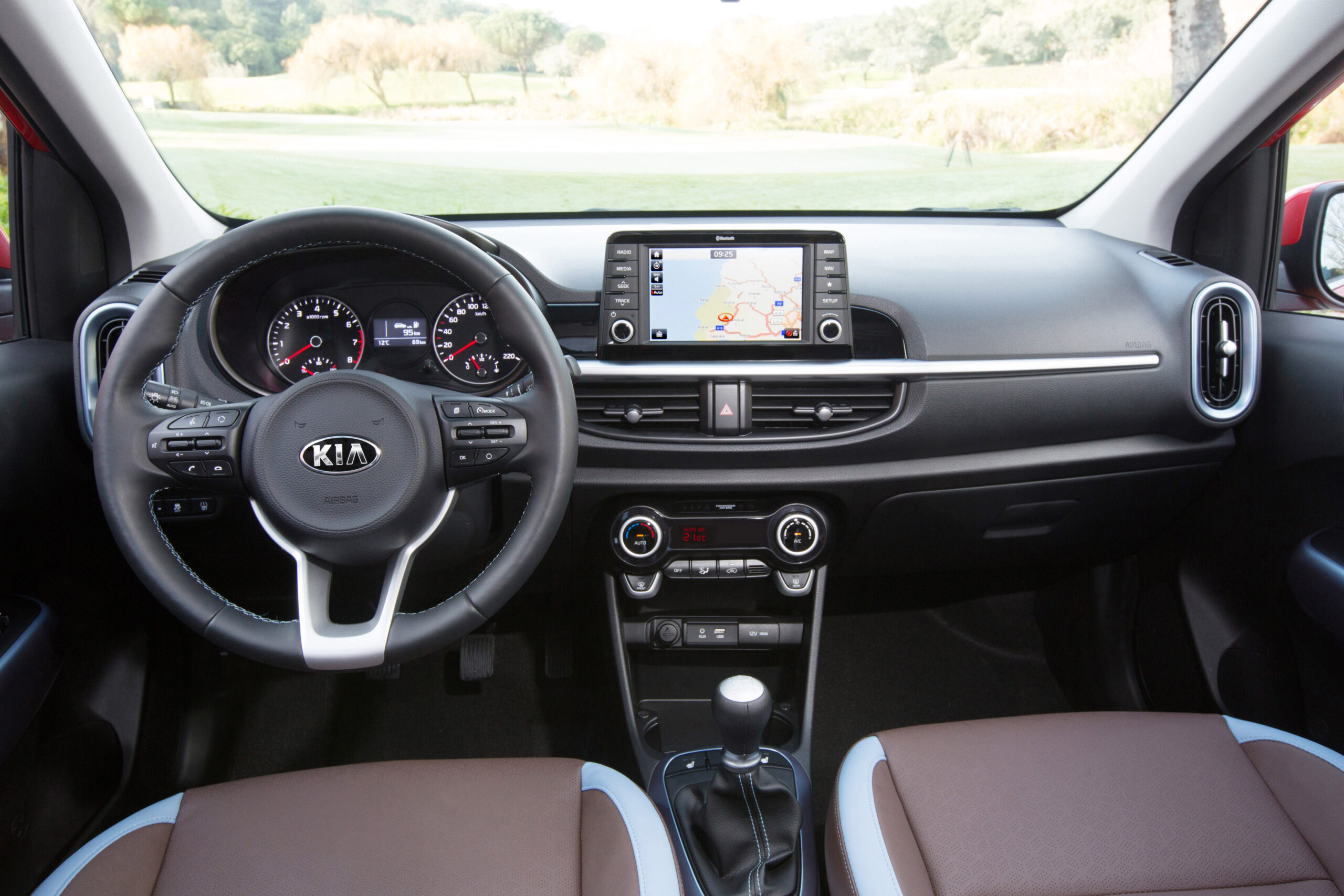
A worn clutch on the Kia Picanto often causes a jerky biting point and sluggish pull-away, especially with frequent city driving. This problem regularly occurs on older models and can be identified in time by spotting the early warning signs. Read on to find out how to recognise clutch problems and what you can do to avoid costly repairs.
Signs of a worn clutch on the Kia Picanto
The clutch on the Kia Picanto is often cable-operated. This system is simple but prone to wear, especially with intensive use in town. If you recognise the warning signs early, you can prevent more serious damage and unexpected costs. The lifespan of a clutch averages around 50,000 kilometres with a lot of stop-start traffic and pulling away from standstill.
A heavy or stiff pedal is often the first sign. When you press it down you sometimes feel a notch or resistance, usually caused by a stiff or rusty clutch cable. Slipping is another obvious symptom: the engine revs high but the car accelerates slowly, especially when pulling away or on hills. This points to a worn clutch plate that no longer grips properly.
Also watch out for a lot of free play in the pedal. If the clutch only bites high up, beyond the halfway point of the pedal travel, this indicates wear or incorrect adjustment. Jerking or vibration while driving can also point to clutch problems, sometimes because the cable has shifted under the battery tray. You can find more information about general Kia Picanto problems on the website.
‘ Clutch plates are rarely covered by warranty because wear depends heavily on driving style, but spare parts are affordable and the repair is relatively straightforward work. ’
Causes of clutch problems on the Kia Picanto
Wear from use is the main cause. City driving, traffic jams and frequent pull-aways on hills or in mud greatly accelerate wear of the clutch plate and pressure plate. Heavy loading makes this effect worse. On the Picanto, a stiff-operating clutch cable is a known issue: the cable can rust, become stiff or even snap at the mounting point.
Vibrations while driving can cause the cable to drop under the battery tray, making operation even stiffer. A faulty pressure plate or release bearing leads to incorrect clutch operation. During a repair, the complete set must always be replaced to prevent the problem from recurring.
Adjustment errors also occur, especially after parts have been replaced. The pedal may then stick up too high compared with the brake pedal. You can adjust the free play yourself with the serrated ring at the lever. Clutch plates are rarely covered by warranty because wear depends heavily on driving style, but spare parts are affordable and the repair is relatively straightforward work.
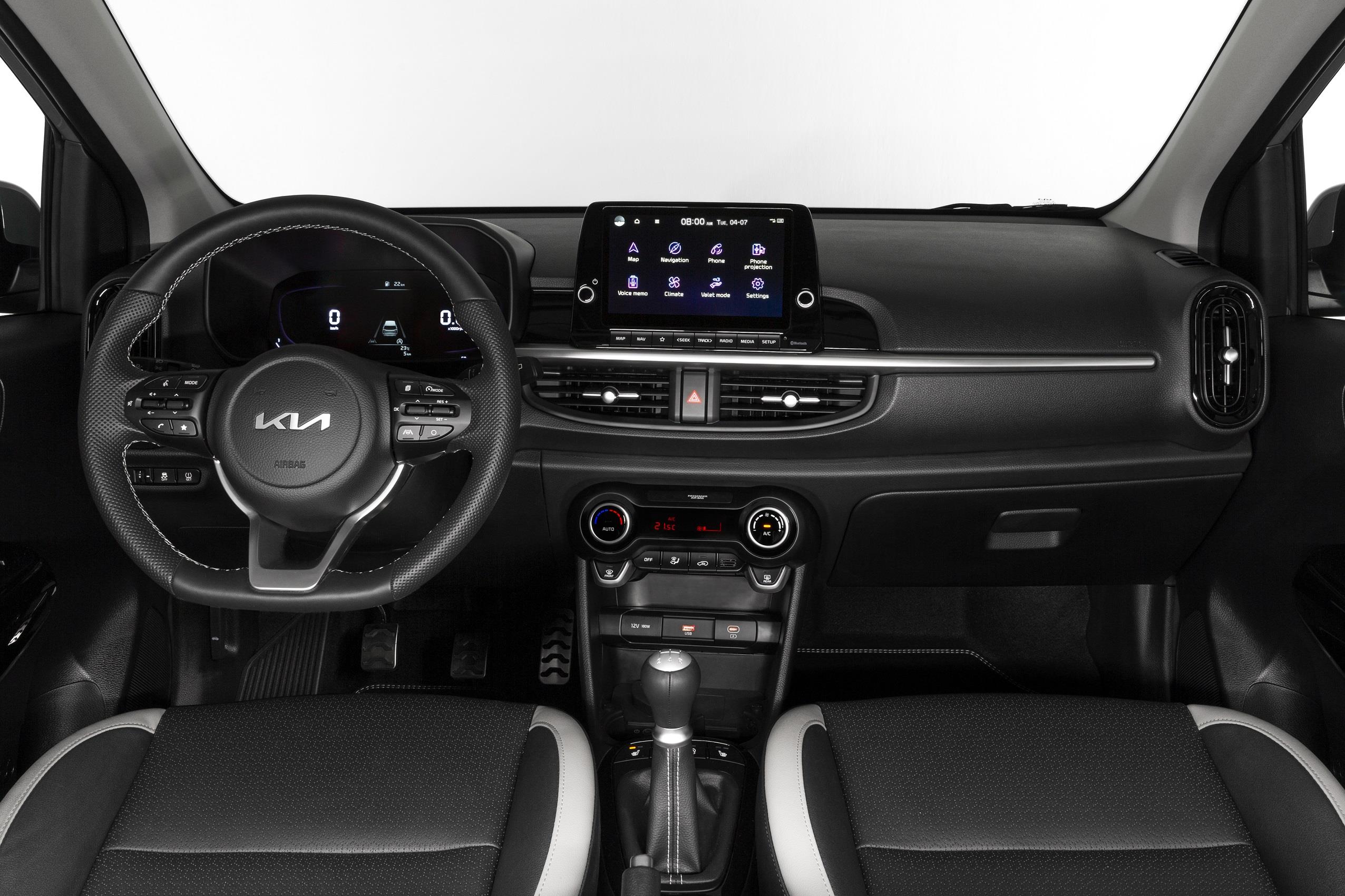
How to recognise clutch problems on a used Kia Picanto
When buying a used Kia Picanto, checking the clutch is an important step. Wear is not always immediately visible, but it is noticeable during a test drive. While driving, pay attention to the point at which the clutch bites. If the pedal bites high up, this may indicate advanced wear.
Also test pulling away on a hill. Slipping or slow acceleration at higher revs are clear warning signs. Check whether the pedal moves smoothly or whether you feel resistance. A stiff pedal often indicates a worn or rusty cable. Ask the seller for the service history and when the clutch was last replaced.
During a stationary inspection, check whether the pedal is at the same height as the brake pedal. A pedal that sits too high can point to an adjustment problem or a worn clutch plate. Also check for creaking noises when pressing the pedal, which may indicate an insufficiently lubricated clutch cylinder or a faulty bearing.
Cost of clutch repair for the Kia Picanto
The cost of replacing a clutch on the Kia Picanto varies depending on the garage and the region. On average you should expect an amount between €400 and €700. This usually includes the clutch plate, pressure plate, release bearing and the labour for removing and refitting the transmission.
Replacing only the clutch cable is considerably cheaper and often costs between €80 and €150, including labour. This is a common repair on the Picanto and can solve many complaints about stiff operation. On the Picanto, removing the transmission is labour-intensive, but thanks to the car’s compact build the job is relatively manageable compared with larger models.
Always replace the complete clutch kit in one go. This prevents you from having problems again shortly after a repair. Replacing parts individually often leads to uneven wear and new issues. If you are not doing the repair yourself, choose a garage with experience of small cars such as the Picanto, Aygo or C1, which use similar clutch systems.
‘ For city drivers the lifespan of the clutch is shorter due to frequent stop-start traffic – bear this in mind when buying a used car. ’
Practical tips to prevent clutch problems
Preventive maintenance can significantly extend the lifespan of the clutch. Avoid unnecessary slipping of the clutch, especially when pulling away under load. Pull away smoothly and do not keep the pedal pressed down longer than necessary. This reduces wear on the clutch plate and pressure plate.
Regularly check the clutch cable for rust and stiffness. A simple check is to feel the resistance at the pedal. If you notice the cable becoming stiffer, replace it proactively before it snaps. A popular DIY solution is to secure the cable above the battery tray with a cable tie to prevent it from shifting. Make sure the cable has a smooth curve from the pedal to the pivot point at the transmission, as this greatly reduces stiffness.
Regularly adjust the free play in the pedal. Check whether the pedal height matches that of the brake pedal and, if necessary, adjust it at the lever or pedal stop. Lubricate the clutch cylinder regularly to prevent creaking. For city drivers the lifespan of the clutch is shorter due to frequent stop-start traffic, so factor this in when buying a used car.
Discover more on Carnews
On the Carnews website you will find extensive information on many more problems and maintenance tips for the Kia Picanto and other car models. Whether you are looking for advice on engine issues, servicing or buying tips for used cars, there is a wide range of articles to help you make better-informed choices. Discover more about your car and keep it in top condition by visiting the site regularly.
Frequently asked questions
The most common symptoms of clutch problems on a Kia Picanto are a heavy or stiff clutch pedal and a clutch that slips, where the engine revs highly but the car accelerates slowly. In addition, a high biting point on the pedal (a lot of free play) is common. Jerking or vibration when pulling away or while driving can also point to clutch problems.
Typical causes are normal wear from lots of city traffic and stop-start driving, frequent slipping or pulling away on hills, and a stiff or worn clutch cable, pressure plate or release bearing. You can recognise a worn or faulty clutch by a heavy or notchy clutch pedal, a high biting point (it only engages late), clutch slip (high revs, little acceleration) and sometimes jerking or vibration when pulling away.
Possible solutions for clutch problems on the Kia Picanto are adjusting the clutch, replacing or lubricating a stiff clutch cable and, in case of wear, replacing the complete clutch kit (plate, pressure plate and bearing). A simple intervention such as securing or replacing the cable is often relatively cheap, usually several tens of euros to around a hundred euros in parts, excluding labour. For a full clutch overhaul or replacement (including removal and refitting of the gearbox) the total costs are on average in the order of several hundred euros, depending on the workshop and the type of Picanto. In practice this often amounts to roughly €400–€800 at an independent garage or dealer.
Prevent clutch wear by pulling away calmly with as little slip as possible, not resting your foot on the clutch pedal and not creeping through long traffic jams on the clutch but using the handbrake and neutral. Avoid frequent pull-aways at high revs, heavy loading on hills and unnecessary “playing” with the biting point. On the Picanto, regularly check the clutch cable for rust or stiffness, make sure it is routed correctly (not trapped under the battery tray) and have the cable replaced in good time if there are complaints. When replacing, always fit the complete clutch kit (plate, pressure plate, bearing) and have the pedal free play/height adjusted properly for a longer lifespan.
Continuing to drive with a hesitant clutch is usually not safe, because unexpected pull-away, stalling or poor gear changes can cause dangerous situations in traffic. In addition, continued driving can accelerate wear on the clutch plate, pressure plate and bearing, making the repair considerably more expensive. A clutch that slips or judders should be checked and replaced as soon as possible in order to limit both safety risks and consequential damage.