
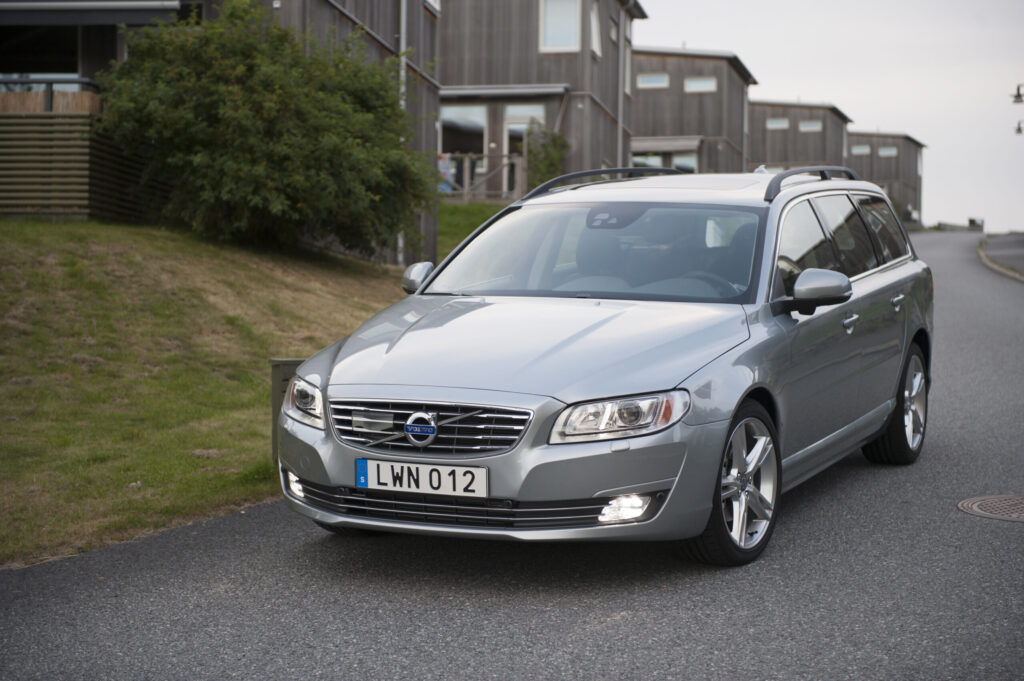
A flashing warning light on your dashboard is often the first sign that something is wrong and, in many cars such as the Volvo V70, these messages point to electronic problems ranging from annoying to dangerous. Electrical lighting faults, fluctuating clutches, indicator problems and defective RTI screens (Road Traffic Information: the information display in many Volvos) are regularly caused by contact issues and poor wiring. In this article you will read how to interpret dashboard warnings correctly and what to do before a small issue leads to major repairs.
Why the dashboard lights are flashing
Flashing or fluctuating dashboard lighting usually points to an underlying electrical problem. The most common causes are:
- Contact problems in the wiring behind the dashboard
- Poor earthing to ground, causing voltage drops
- Ageing or damaged cables that make intermittent contact
- Defective relays or fuses that supply voltage intermittently
When dashboard lighting flashes, it is often not about the bulbs themselves, but about power interruption or voltage variation in the electrical system. This can lead to unreliable warnings and, in some cases, to failure of other electrical functions such as indicators or central locking.
Do not let this problem continue. A minor contact problem can worsen into complete failure of the dashboard or other systems. First check whether all fuses are intact and that there is no visible damage to the cables behind the dashboard. Does the flashing persist? Diagnosis with professional equipment is then advisable.
What the colours of warning lights mean
Modern dashboards use a colour system (a code that indicates urgency using colours) to quickly determine priority. This system helps you quickly decide whether you need to stop immediately or can keep driving for a while.
- Red: immediate action required; this often points to a safety issue such as brakes, oil or coolant
- Yellow or amber: warning that needs attention, but you can usually continue driving
- Green, white or blue: informative, not a fault but a status message such as main beam or cruise control active
Besides the colour, the text message on the display is at least as important. Many cars show a short description indicating which system has triggered the warning. A red engine light without a text message can indicate several causes, whereas a text such as “engine oil level low” makes things immediately clear.
Always note the moment when a warning appears. Does it happen on start-up, while driving or only at high speeds? This information helps a mechanic when reading the fault codes (error codes registered by the car’s electronics) and tracing the cause.
Common causes of indicator problems
Indicators that flash too fast or too slowly, or do not work at all, often point to an electrical problem in the circuit. These are the most common causes:
- Defective relays or indicator unit that controls the flashing rhythm
- Blown bulb, changing the resistance in the circuit
- Poor earthing at the rear lights or bulb holders
- Corrosion on the contacts of the bulb fittings
- Broken wiring between the dashboard and the light units
In many cars, a single blown bulb causes the indicator speed to double. This is a built-in warning that something is wrong. Always first check all bulbs on the affected side before looking into more complex causes.
If all bulbs work but the indicators still behave oddly, the cause is often in the relays or the wiring. These components can age and cause intermittent contact problems (faults that occur only now and then). Replacing the indicator relay is relatively simple and can quickly provide clarity.
How to recognise a defective RTI screen
The RTI screen is the central information display in many Volvos and shows navigation, climate control and audio information. A defective RTI screen can manifest itself in several ways:
- The screen does not start up or remains black
- Screen flicker or lines across the picture
- Touchscreen does not respond or registers incorrect input
- Pixel faults or complete failure of parts of the display
- Random resets where the screen restarts itself
These faults are often caused by ageing circuit boards (the electronic boards in the screen on which components are mounted), cold solder joints or defective display panels. In some cases the problem lies in the software (the programming that controls the screen). In that case, a reset (restarting or restoring factory settings) or an update (new software version) can solve the problem. In other cases, replacement of the unit or repair of the electronics is necessary.
Before you consider an expensive replacement, first try a full reset of the system. Some owners report that disconnecting the battery for a few minutes can offer temporary relief. If the problem returns, professional diagnosis is recommended.
How much do electrical dashboard repairs cost
The cost of electrical repairs varies widely depending on the cause and the type of car. Some indicative prices:
- Replacing a relay or fuse: between €20 and €60 including labour
- Repairing wiring or contact points: €80 to €200, depending on accessibility
- Replacing an indicator unit: €50 to €150
- RTI screen repair or replacement: €300 to €800, sometimes more for new units
- Diagnosis with diagnostic equipment: €50 to €100 at most garages
These amounts are indicative. Brands with complex electronics often have higher parts costs. An accurate diagnosis beforehand prevents unnecessary replacement of parts.
Some electrical problems can be solved yourself, for example by cleaning contact points or re‑securing cables. For more complex faults or issues that affect safety, professional help is advisable. Many garages offer a no‑cure‑no‑pay diagnosis, where you only pay if the cause is found.
Preventive maintenance on electrical systems
Electrical problems cannot always be prevented. Regular maintenance detects many faults at an early stage. Pay attention to the following points:
- Regularly check that all lights work correctly, including indicators and brake lights
- Clean contact points of bulbs and fuses to prevent corrosion
- During services, have wiring looms (groups of bundled wires in the car) and connections visually inspected
- Keep the battery and earthing in good condition; a weak power supply often causes strange faults
- Update infotainment software (the system for entertainment and information in your car) and dashboard software if the manufacturer offers this
A healthy electrical system starts with a good battery and reliable earthing. Weak voltage can cause all kinds of odd phenomena, from flashing lights to unexpected warnings. Therefore check the condition of the battery and its connections at least once a year.
It also helps to take warnings seriously and not wait too long before having them checked. A minor contact problem can develop into a larger fault that damages more components. Acting early often saves time and money.
Find out more about car problems and maintenance
Dashboard faults and warnings are just one aspect of car maintenance and electronics. On the Carnews website you will find many more articles on common problems, maintenance advice and technical tips for various makes and models. For example, read more about diagnosing electronic faults, battery maintenance or preventive maintenance on older cars.
Frequently asked questions
Red dashboard lights usually mean a serious fault or safety risk; the advice then is to stop safely straight away and not continue using the car. Yellow/amber lights generally point to a problem or wear, where you can usually keep driving for a short while but should have the car checked as soon as possible. Green, white or blue are mainly informative, for example that a function is switched on (such as cruise control or lights) and do not require any action. The exact meaning and urgency varies per symbol; always consult the manual or the infotainment screen for the specific explanation.
Stop immediately and call a mechanic if a red warning light comes on, especially if you also notice a change in driving behaviour (e.g. strange noises, loss of power, smoke, strong smell or high temperature). Do not continue driving if the same warning keeps coming back or if there is a clear message about the brakes, engine oil pressure or coolant temperature. With yellow/amber messages you can usually continue driving carefully, but have the car read and checked as soon as possible. Green, white or blue are generally informative and not a reason to stop.
Common causes of dashboard faults are low or contaminated fluid levels (oil, coolant, screenwash), wear or voltage problems (battery, alternator) and sensors that temporarily give incorrect values. Reset or service intervals after maintenance can also trigger messages without there being an actual defect. Simple steps are: check and top up fluid levels, switch the car completely off and back on again, and consult the manual to see whether it is a service message or an actual fault. If a red light or a recurring amber light continues to appear, do not keep driving and have the car checked at a garage.
Yes, especially with powerful engines and sporty use you should be extra alert to red messages about oil pressure, coolant temperature and the braking system, because damage can then become serious and expensive very quickly. Sports cars and tuning projects are more often driven at high revs and under heavy load, meaning amber engine warning lights and temperature warnings are less “harmless” than with gentle use. Electronic stability systems (ESP/DTSC) that give warnings or switch off deserve extra attention during spirited driving, because you are then closer to the grip limit. Recurring warnings after a track day or hard driving are also a clear hint for enthusiasts to have a diagnosis carried out immediately instead of just clicking them away.
Carry out regular preventive maintenance in line with the manufacturer’s service schedule (oil, filters, spark plugs, brakes, timing components, fluid levels) so that systems do not enter a fault phase that triggers dashboard warnings. Have the car read electronically at every service as well, so stored fault codes are detected and resolved at an early stage. Each month, check tyre pressures, coolant, engine oil, screenwash and battery condition yourself to spot wear and overheating in time. Respond immediately to recurring amber messages and all red messages, so that small issues do not grow into major faults that undermine your car’s reliability.