
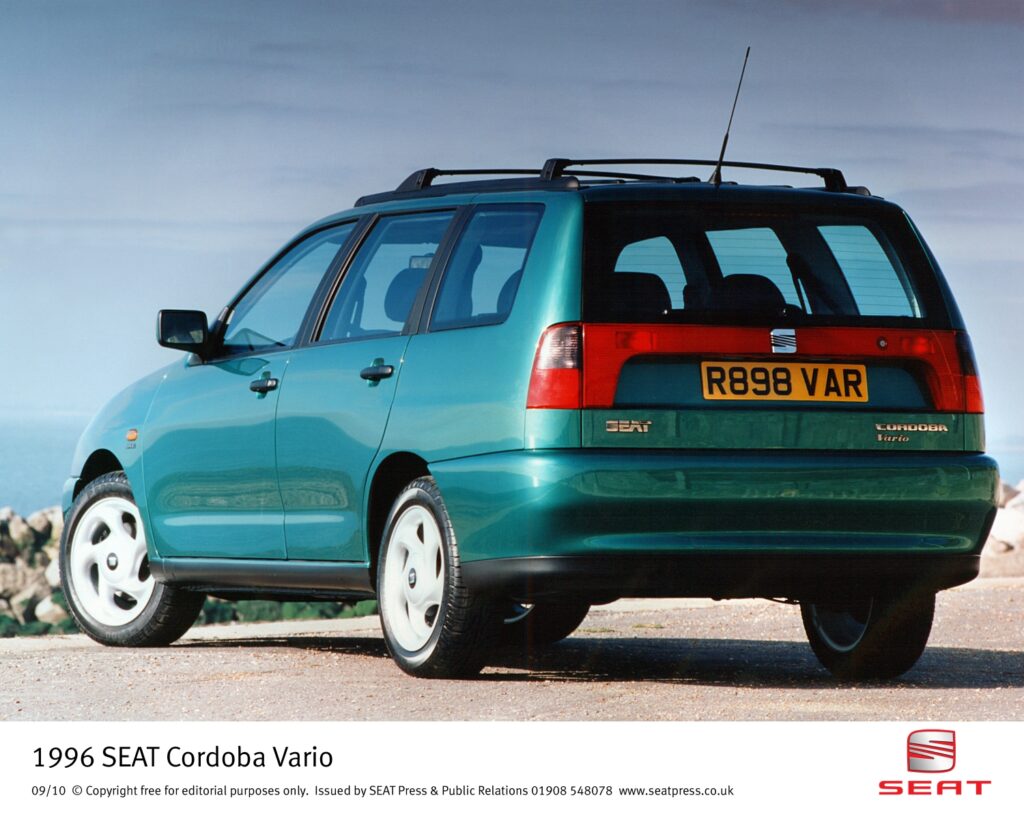
The Seat Cordoba diesel is known as a simple, affordable car, but older examples regularly suffer from typical diesel problems such as black smoke at high revs, clogged particulate filters and starting issues. These complaints are often related to contamination, turbo pressure and ageing emission systems. If you recognise these warning signs early, you can avoid expensive repairs and unexpected breakdowns.
Black smoke at high revs in Cordoba diesel
Black smoke from the exhaust usually indicates incomplete combustion. At high revs the engine asks for more fuel and air. If there is too little air available, the diesel does not burn completely and soot is released. You see this particularly with Seat Cordoba models with the 1.9 TDI engine.
There are three common causes of black smoke at high revs:
- Clogged air filter that restricts airflow
- Problems with the turbo or boost pressure control
- Contamination in the intake tract due to EGR soot
Therefore first check the air filter and the hoses leading to the turbo. A defective or leaking vacuum hose can already cause irregular turbo pressure and thus black smoke emissions. Sticking turbo vanes or a faulty boost sensor lead to similar symptoms. If smoke formation persists, a diagnosis at a workshop is required.
Particulate filter problems Seat Cordoba
Modern Cordoba diesels have a particulate filter or Diesel Particulate Filter (DPF) to reduce emissions. This filter captures soot particles and burns them off during a regeneration cycle. However, with many short journeys the engine does not get up to temperature long enough to complete that cycle. The particulate filter then becomes clogged.
Symptoms of a clogged particulate filter are:
- Loss of power and sluggish acceleration
- Engine management warning light staying on
- Increased fuel consumption
- Engine going into limp mode
You do not solve a clogged filter by continuing to drive with reduced power. You then risk damage to the turbo or engine. Have a forced regeneration carried out at a garage. If the filter is too badly clogged, it will have to be cleaned or replaced. That is why you should regularly drive longer distances at motorway speeds so that the particulate filter reaches the right temperature and regenerates itself.
Solving Diesel Particulate Filter faults
Faults in the particulate filter usually require intervention by a professional. With a light blockage, a forced regeneration via diagnostic equipment can clear the filter again. The engine then runs at a fast idle at higher revs for an extended period so that the soot is burned off. This often takes 20 to 30 minutes.
If a forced regeneration fails, the filter is probably too badly clogged or damaged. In that case there are three options:
- Chemical cleaning of the filter by a specialist
- Replacement with a new or refurbished particulate filter
- Removal and manual burning out (labour-intensive and often not thorough)
The costs for replacement are between 500 and 1,500 euros. This depends on the engine version and the quality of the filter. Preventive maintenance and regularly driving at higher speeds are therefore the best measures to prevent DPF problems.
Starting problems with cold and warm engine
Older Cordoba diesels can have trouble starting both when cold and when warm. Cold start problems often point to the glow plugs or the glow plug relay. These components preheat the combustion chamber so that the engine fires up more quickly. If one or more glow plugs are defective, the engine will crank slowly or not start at all.
Warm start problems are harder to trace. Possible causes are:
- Weak battery that loses voltage more quickly when warm
- Air in the fuel system
- Wear in the starter motor
- Defective fuel pump or sensor
When buying, always test whether the engine starts immediately after a cold night and after a warm drive. Also pay attention to cranking speed when starting: too low a cranking speed points to battery or starter motor problems. Replace old glow plugs preventively if the engine takes longer to crank than normal.
Overheating and coolant loss
Coolant problems occur regularly with high-mileage diesels. Overheating can quickly lead to expensive engine damage, so warning signs must not be ignored. Therefore check the coolant level regularly and look for traces of leaks under the car.
Common causes of overheating in the Cordoba are:
- Leaking hoses or connections
- Defective thermostat that does not open properly
- Water pump that does not pump sufficiently
- Radiator problems or air in the system
During a test drive, check whether the temperature gauge remains stable. If the needle moves irregularly or heads towards the red zone, the cooling system needs to be investigated. Also check whether the cooling fan cuts in correctly at higher temperatures. In diesel cars, overheating can quickly lead to permanent damage, especially in engines that already have high mileage.
EGR and intake contamination in diesel engines
The EGR valve lets part of the exhaust gases back into the engine to lower the combustion temperature. This reduces emissions, but also causes soot deposits in the EGR valve and the intake tract. This problem is made worse by many short trips and city driving.
Symptoms of contamination are:
- Rough idling
- Less pulling power when accelerating
- More smoke when pulling away
- Increased fuel consumption
A contaminated EGR valve can be cleaned, but replacement is often simpler and more effective. The costs are between 200 and 400 euros, including labour. Prevent contamination by regularly driving longer distances so that the engine reaches proper operating temperature and soot is burned off. Cars that have mainly done short journeys are more likely to suffer from these problems.
Recognising turbo and boost pressure problems
The turbo provides extra power by forcing compressed air into the engine. In older diesels, faults occur in the boost pressure control system. You can notice this through loss of power, jerky acceleration or whistling noises.
Typical causes of turbo pressure problems are:
- Defective or leaking vacuum hose
- Sticking variable turbo vanes
- Defective boost control valve
- Wear in the turbo itself
During a test drive, do not only check the idling, but also test gentle acceleration in several gears and pulling through from low revs. If the car suddenly holds back or switches into limp mode, there is probably a problem with turbo control. Repair or replacement of the turbo costs between 400 and 1,200 euros, depending on the engine type and the severity of the damage.
Buying a used Cordoba diesel
A high mileage is not necessarily a problem, but a poor service history definitely is. When buying, pay attention to the following points:
- Start the engine both cold and warm to rule out starting problems
- Check whether the engine management light is on or has been recently reset
- Test acceleration at low revs and when revving through
- Listen for whistling turbo noises
- Inspect hoses, oil connections and traces of coolant
Ask the seller about replacement of the turbo, EGR valve, water pump, thermostat, glow plugs and battery. Red flags are a cold engine that is hard to start, the engine going into limp mode while driving and unexplained coolant loss. Visible soot deposits around the intake or turbo point to contamination. If maintenance is missing or the history is unknown, count on extra costs after purchase.
Maintenance tips for Cordoba diesel
Preventive maintenance saves money and prevents unnecessary breakdowns. Regularly drive longer distances so that the engine and particulate filter reach proper operating temperature. Change the oil on time using the correct specification and check vacuum hoses for drying out or cracks.
Pay extra attention to these components:
- Turbo control and vacuum hoses
- EGR valve and intake tract
- Cooling system and thermostat
- Battery and charging system
Replace old glow plugs preventively if starting becomes worse and do not continue to use the engine for long periods with visible loss of power or smoke problems. Avoid many short trips without occasionally driving at higher speeds. With older diesels, preventive checks are often cheaper than repairs afterwards.
Reliability of the Cordoba diesel
The 1.9 TDI engine is known as a robust, simple diesel engine. Parts are widely available and the technology is relatively straightforward compared to modern diesels. Maintenance can be affordable if previous owners have been careful with servicing and repairs.
Typical age-related problems are still present, though. Do you want to buy or keep one? Then pay attention to these matters. Check the service history, cold starting, turbo behaviour, coolant consumption and smoke development. A well-maintained Cordoba diesel can still be a solid car, but only if problem areas are checked preventively and not ignored.
On the Carnews website you will find much more information about car technology, maintenance tips and recognisable problems with different makes and models. Discover what experiences other owners share and read how to recognise and prevent car problems at an early stage.
Frequently asked questions
The most common diesel-specific problems with the Seat Cordoba are turbo and boost pressure faults, starting problems, coolant loss/overheating and EGR/intake contamination. Early symptoms of these are loss of power, jerky acceleration or limp mode, hard or slow starting (especially when cold or juist warm) and a temperature gauge that rises or fluctuates. In addition, extra smoke (black or blue), rough idling and a whistling or hissing turbo noise often indicate early wear or contamination. During a test drive also pay attention to immediate starting after standing overnight, stable idling and a constant coolant temperature without coolant loss.
Carry out oil changes strictly on time using the correct specification and have the oil filter and fuel filter replaced regularly so that the turbo and injectors are always well lubricated and supplied with clean fuel. Check and replace ageing vacuum and turbo hoses and have the EGR/intake cleaned if necessary to prevent contamination and excessive turbo load. Regularly drive longer, fully warm motorway journeys instead of mainly short trips to limit soot and carbon build-up in the intake, turbo and injectors. Respond immediately to loss of power, smoke or whistling noises and have an early diagnosis carried out so that small problems do not cause expensive turbo or injector damage.
For a defective EGR valve on a Seat Cordoba diesel, the average costs (part + labour) are usually around €350–€600, depending on the brand of part and the workshop hourly rate. For replacement of a dual-mass flywheel – usually together with the clutch – you should expect a total of around €800–€1,500.
With high-mileage diesel engines of the Seat Cordoba, you mainly see more frequent problems with the turbo/vacuum system, EGR and intake contamination, starting behaviour (glow system/battery) and the cooling system. This is particularly true of the older 1.9 TDI engines, where age and usage (many short trips) weigh more heavily than the model year alone. A well-kept service history is more important than the absolute mileage: neglected maintenance increases the risk of costly turbo, cooling and smoke problems. When buying, pay extra attention to cold starting, turbo behaviour, coolant consumption and smoke development.
Fuel quality has a direct impact on the service life of diesel-specific components such as injectors, high-pressure pump and EGR system: poor or contaminated diesel accelerates wear, causes injector problems and promotes soot and deposit formation in the intake and EGR. Water or dirt in the fuel can also cause damage to the fuel pump and lines over time. Driving style plays a role because many short journeys and casually “changing gear whenever” often do not allow the engine to reach proper operating temperature, which leads to extra soot, intake and EGR contamination and turbo problems. Regular longer journeys where the engine reaches operating temperature and is not constantly loaded at too low revs actually help to keep these components in good condition for longer.