
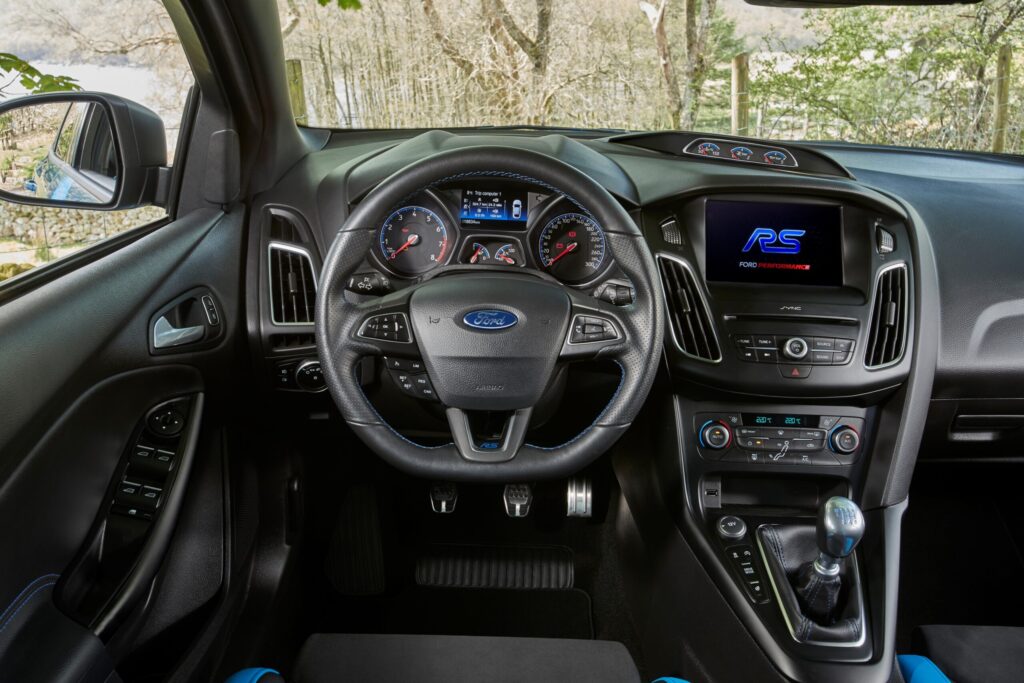
Electrical faults and ignition problems affect the reliability of Ford Focus models and cause unexpected warning lights, starting issues and reduced performance. These common technical complaints regularly lead to costly repairs and frustration for owners. What should you expect and how do you recognise the signs?
Many owners of the Ford Focus report electrical problems. These issues range from simple sensor faults to complex ignition problems. The faults affect the driving experience and in some cases even create safety risks. The causes are often found in the wiring connections, faulty coils or intermittent sensors. All these components form part of the engine management system.
The symptoms appear in different ways. You may see a lit warning light, experience reduced engine performance or have a car that regularly refuses to start. In more serious cases, several warning lights flash on the dashboard at the same time. This is a sign that the electrical system is losing control of the situation.
EVAP system and warning lights
The EVAP system (evaporative emission control) prevents fuel vapours from being released into the atmosphere. A lit EVAP warning light on Ford Focus models indicates that there is a leak in the system or that the sensor has failed. This problem occurs frequently and causes unnecessary uncertainty.
The causes are varied:
- Loose or damaged fuel cap
- Leaks in hoses or connections
- Defective purge valve
- Intermittent or faulty pressure sensors
A lit EVAP light usually does not pose a direct safety risk, but it does lead to increased emissions and higher fuel costs. Have the system checked if the warning persists. Replacing a damaged hose is often enough to solve the problem. Tightening the fuel cap also helps.
‘ The phenomenon points to a broader issue than a single sensor. ’
Flashing warning lights
Are several warning lights flashing at the same time? This points to a fault in the electrical system or CAN bus communication. The CAN bus is the digital network that allows the various electronic modules in the car to communicate with each other. The phenomenon points to a broader issue than a single sensor. The car’s electronics are losing connection with multiple modules. As a result, the dashboard lights up with warning symbols almost at random.
The fault can have several possible causes. A weak battery causes voltage fluctuations. Loose earth (ground) connections or corrosion on important connectors also cause problems. Sometimes the problem lies in the control modules themselves. Due to software errors, these modules send incorrect signals. On some Ford Focus models, Ford carried out official recalls because of wiring loom defects.
Start by checking the battery and the earth connections. A battery that drops below 12 volts with the engine running is already enough to make several systems cut out. Does the problem keep coming back? Then read out the fault codes with a diagnostic device. This is essential to identify the exact cause.
Throttle body and sensor faults
The electronic throttle body controls how much air enters the engine. On Ford Focus models the throttle position sensor regularly becomes contaminated or fails. This leads to an irregular idle speed, jerky driving behaviour and reduced response to the accelerator pedal. Some owners report that the car suddenly switches to limp-home mode. Engine power is then severely limited.
Symptoms of a faulty throttle body or sensor:
- Irregular idle speed
- Jerking during acceleration
- Reduced performance
- Engine cuts out when pulling away
- Warning light on or flashing
Cleaning the throttle body provides temporary relief. Use a special throttle body cleaner for this and follow the instructions carefully. Note: on many modern engines you have to re-teach (recalibrate) the throttle body via the diagnostic device after cleaning. Does cleaning not help? Then replace the sensor or the complete throttle body.
Ignition coils and spark plugs
Defective ignition coils are among the most frequently reported problems by Ford Focus owners. When a coil fails, it causes misfires. The engine then runs on fewer cylinders. You feel this immediately: the engine runs roughly, power drops, and you may hear a noticeable hesitation when accelerating.
Ford Focus models with smaller EcoBoost engines are more sensitive to coil failures. EcoBoost engines are compact turbocharged engines with direct fuel injection. The cause often lies in the high thermal load. These powerful but compact engines place a heavy strain on the ignition components. As a result, a coil may develop internal short circuits over time.
Check the spark plugs when you have coil problems. Worn spark plugs put extra strain on the coils, causing them to fail more quickly. Ideally, replace all coils and spark plugs at the same time. This helps to avoid future problems, so you do not face the same complaints again shortly after one repair.
‘ The problems arise due to wear, corrosion or manufacturing defects. ’
Wiring loom and connector faults
Wiring loom problems often show up as faults that occur intermittently. These faults are difficult to diagnose. At one moment everything works normally, and the next the car refuses to start or systems suddenly cut out. Damaged cables or connectors make contact under certain conditions and do not make contact under other conditions.
On certain Ford Focus models, Ford carried out recalls because of wiring loom defects. This concerned specific production years. The problems arise due to wear, corrosion or manufacturing defects. In the case of manufacturing defects, cables rub against sharp edges. This occurs especially near moving parts, such as the bonnet or doors.
Look for visible damage to cables. Check whether connectors are properly secured. A greenish deposit on contact points indicates corrosion. This corrosion disrupts the electrical contact. Use contact spray to remove light corrosion. In case of serious damage, replace the connector or a section of the wiring loom.
Ford SYNC and infotainment system
The SYNC system is Ford’s infotainment system and controls navigation, audio and climate functions. On older Ford Focus models, the SYNC system suffers from software problems. These range from freezes to the screen completely cutting out. This does not have a direct effect on the powertrain, but it does lead to the loss of important functions, such as the reversing camera or climate control.
A few steps to resolve SYNC problems:
- Perform a master reset via the settings menu
- Check whether software updates are available
- Disconnect all Bluetooth devices and reconnect them
- Check the fuses for the infotainment system
Does the system keep freezing or refuse to start up? A defective APIM module (Accessory Protocol Interface Module) is then often the cause. The APIM module is the electronic heart of the SYNC system. This module manages all communication between the screen and the other systems. Replacing it is expensive and is preferably done by a specialist garage. The system then has to be reprogrammed.
Safety risks and prevention
Not all electrical problems present an immediate safety risk. Some problems do, however, pose a risk. Coil failures lead to misfires. These misfires cause unburnt fuel in the exhaust, which damages the catalytic converter. Ignition problems can cause sudden loss of power. This is dangerous in traffic situations where you need acceleration.
Flashing warning lights sometimes indicate problems with the ABS system (anti-lock braking system) or the airbag system. These safety systems must function correctly. Does your car show multiple warning lights? Then have a specialist garage read them out immediately.
Regular maintenance helps prevent electrical problems. Replace spark plugs according to the maintenance schedule. Check the battery and earth connections regularly. Inspect visible cables for damage. Keep the vehicle software up to date. Ford regularly releases updates, which fix known issues.
‘ Those faults do not always leave an error code behind. ’
Diagnostics and next steps
Do electrical problems keep recurring? Then have the car checked by a garage with advanced diagnostic equipment. An advanced diagnostic tool reads fault codes, monitors live sensor data and performs actuator tests. Actuator tests are tests in which the mechanic temporarily controls electrical components such as valves or small motors manually. This allows them to check whether the components respond correctly. These tests reveal faults that occur intermittently. Those faults do not always leave an error code behind.
Before visiting the workshop, make a note of when the problems occur. Think about cold weather, after long drives, at certain speeds or in specific situations. This information helps the mechanic to look in the right direction. Also ask about known problems or recalls that apply to your specific model year and engine type.
The level of repair costs depends on the problem. A new throttle sensor costs several tens of pounds. A full wiring loom repair or APIM replacement can run into several hundred pounds. Compare quotes and ask about warranty on the repairs carried out.
On the Carnews website you will find extensive information about many more Ford Focus-related problems, such as spring issues or transmission faults. Discover which other points of attention apply to your model and year of manufacture, and read tips from other owners about maintenance and reliability.
Frequently asked questions
Early signs of electrical problems include flickering or dimming lights, malfunctioning electric windows or radio, and a dashboard with warning lights that occasionally come on or behave illogically. You often notice ignition faults through an irregular or stuttering engine sound, loss of power when accelerating and a shaking or jerking car while driving. Increased fuel consumption and a hard-to-start engine can also point to emerging ignition or electrical problems. If you smell a burnt odour near the fuse box or under the bonnet, that is an additional warning sign and you should have the car checked immediately.
You can visually check for loose, corroded or damaged spark plug leads, coils, connectors and earth points, and clean or tighten them. Check the condition and gap of the spark plugs (contamination, wear, cracks) and replace them if necessary. Read fault codes with an OBD2 scanner to see whether specific cylinders or ignition components are indicated. During a test drive, pay attention to when the fault occurs (cold/warm, under acceleration, at idle) to help pinpoint the problem.
Common causes of intermittent electrical faults include loose or oxidised connections (connectors, earth points), damaged or pinched wires, and defective relays or fuses that sometimes do and sometimes do not make contact. Start with a visual inspection: check wiring looms for wear, gently pull and push on connectors, clean oxidised contacts and ensure good earth connections. Then test suspect circuits with a multimeter or test lamp while moving wires and connectors to find the intermittent contact. Replace damaged wires, connectors, relays or fuses and make sure everything is securely mounted so that it cannot vibrate loose.
Electrical problems can cause a weak or irregular spark, making the engine run roughly, deliver less power and sometimes start poorly or not at all. Sensor or control unit faults can put the engine management into limp-home or safe mode, which further reduces performance. Incorrectly controlled ignition or fuel injection often leads to incomplete combustion, increasing fuel consumption. Persistent electrical faults can also overload other components and further reduce the efficiency of the engine.
Yes, regular preventive maintenance helps to avoid electrical problems and ignition faults, especially with intensive use or after modifications. Periodically check all cables, connectors, earth points and fuses for corrosion, wear and loose connections, and replace damaged components immediately. Use high-quality components that are suitable for the system (spark plugs, coils, leads, accessories) and avoid poorly fitted or overloaded additional consumers. If you notice unusual symptoms or after major modifications, have a specialist perform a preventive check on the charging system and ignition system.