
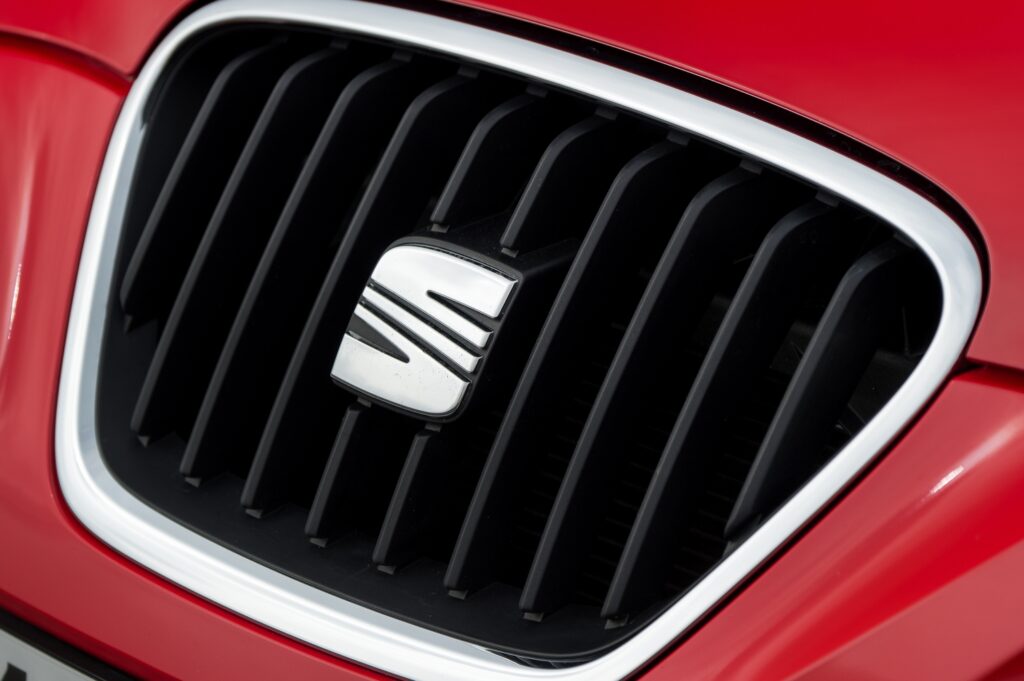
A damaged throttle cable under the windscreen wiper motor can cause total engine failure, with only two or three cylinders still operating. This problem often arises because poorly secured wiring rubs against the rotating part of the motor, leading to insulation damage and short circuits. If you recognise this problem, you can prevent unexpected breakdowns and costly damage.
Why does an engine suddenly cut out?
Engine failure while driving is regularly caused by damaged wiring in the engine bay. The wiring loom is constantly exposed to heat, moisture, oil and vibrations. Because of these external factors, the insulation hardens, cracks appear and wires become damaged. In the Seat Altea this problem often occurs due to the compact engine bay, where cables run close to moving parts such as the windscreen wiper motor.
When wiring rubs over a rotating part, the insulation gradually wears away. This creates an open circuit or a short to sensors that control the ignition. As a result, cylinders stop firing, which shows up as rough running, loss of power or complete engine failure. In severe cases, only two or three cylinders remain active, leaving the car barely drivable.
Temperature changes speed up this process. The engine warms up to over 90 degrees. The engine bay cools down overnight. This cycle makes the insulation expand and contract, causing the material to dry out and crack. Contact with coolant or engine oil makes the damage even worse.
‘ This leads to misfires and can even stop the engine from starting at all. ’
Can a damaged throttle cable cause engine faults?
Absolutely. The throttle cable tells the engine management system how much throttle you are applying. If this cable is damaged, the ECU receives incorrect or no signals, leading to the wrong fuel supply and ignition timing. This leads to misfires and can even stop the engine from starting at all.
The problem is often caused by mechanical damage due to incorrect installation or poor fastening. If the cable hangs too loosely against moving parts, vibrations cause chafing damage. The area under the windscreen wiper motor is particularly vulnerable, because several cable bundles come together there. The rotating mechanism of the wiper motor can make contact with the wiring every time it moves.
Corrosion on the connectors of the throttle cable causes contact resistance. This leads to weak signals that the ECU cannot interpret correctly. The result is inconsistent engine behaviour: sometimes the car starts without issue, other times it idles roughly or stalls while accelerating.
How do I check my wiring?
Start with a visual inspection of the wiring loom around the engine block. Look for cracked insulation, chafing marks, discoloured sheathing or wires hanging against moving parts. Gently pull on cables to see whether they are firmly secured. Loose cables can move and chafe while driving.
Follow these steps for a thorough check:
- Switch off the ignition and disconnect the battery.
- Inspect the wiring loom around the windscreen wiper motor for damage.
- Check the connectors of the throttle cable for corrosion or loose pins.
- Use a multimeter to measure continuity in the cable; high resistance indicates a break.
- Test the connection while gently pulling on the cable to detect intermittent breaks.
- Check that cables are firmly secured with tie-wraps or clips so they cannot rub against moving parts.
Spray the connectors clean with contact cleaner and test again. Sometimes this already resolves temporary faults. If you see visible damage to the insulation, the damaged cable section needs replacing. On older cars it is sensible to replace the entire wiring loom to the ECU and coils, because several wires often show wear at the same time.
What are the consequences of a misfire?
A misfire means that one or more cylinders are not firing correctly. This has a direct impact on your car’s performance and reliability. The most noticeable symptom is rough engine behaviour: the engine runs unevenly, vibrates and loses power. When accelerating you will feel that the car does not respond properly.
Long-term misfires damage the catalytic converter. Unburnt fuel reaches the exhaust and burns there in the catalyst, causing overheating. This significantly shortens the service life of this expensive component. Fuel consumption also increases, because the engine has to work harder to deliver the same power.
Other consequences of misfires caused by wiring problems include:
- Engine management warning light on or flashing on the dashboard
- Increased emissions of harmful substances
- Jerky driving behaviour, especially at low revs
- Difficulty starting or engine stalling when stationary
- Damage to spark plugs due to incomplete combustion
If multiple cylinders fail at the same time, driving becomes impossible or dangerous. The car can suddenly lose power in traffic, creating risky situations. Never ignore this warning sign and have the cause investigated quickly.
‘ It takes little time but prevents a lot of trouble. ’
How can you prevent wiring problems?
Prevention starts with regular checks of the wiring loom, especially after winter. Road salt affects connectors and accelerates corrosion. Check the wiring annually for hardening, cracks and loose fixings. It takes little time but prevents a lot of trouble.
Protect vulnerable cables with heat-resistant sleeves or insulation tape. This is especially useful for wires that run close to the exhaust manifold or turbo. Make sure cables are not under tension and do not rub against sharp edges. Use extra tie-wraps to keep them in place.
Avoid overloading the electrical system. Heavy consumers such as high-power audio systems or additional lights put extra strain on the wiring. This can cause weak points to fail sooner. Stay within the manufacturer’s specifications for electrical modifications.
During services, test the voltage and continuity of important sensor cables. This detects early problems before they cause failures. A specialist can also use an oscilloscope to measure transient voltages that indicate intermittent breaks.

When is professional help needed?
If you are still experiencing engine problems after a visual inspection and cleaning the connectors, professional diagnostics are advisable. A garage has the tools to read the ECU and interpret fault codes. This quickly clarifies which sensor or cable is causing problems.
For complex wiring problems in the loom to the ECU or ignition coils, replacement is often the best solution. Although this can be expensive, it prevents recurring faults. Repairs with insulation tape are temporary fixes that should preferably only be used to get you home.
Some problems only show up under specific conditions, such as in wet weather or after long journeys. Always report this to the mechanic so they can test in a targeted way. A test drive under load can reveal intermittent problems that do not appear when the car is stationary.
Practical experiences with wiring problems
Owners regularly report that engine failure occurs after periods of rain or in damp weather. Moisture penetrates through damaged insulation and causes short circuits. Once it dries, the problem temporarily disappears, which makes diagnosis more difficult. This pattern strongly points to insulation damage.
The Seat Altea built between 2004 and 2015 has a compact engine bay. In cars with compact engine bays, the risk of chafing damage is higher. The limited space means cables run closer to moving parts. Regular checks are therefore especially important for these models.
Some owners solve the problem by replacing flexible sleeves that show chafe marks and protecting cables with heat-shrink tubing and insulation tape. This effectively stops the failures. However, if there are breaks in the wiring loom, replacing the entire run to the ECU is often the only durable solution.
Poor wiring is estimated to cause about 13 percent of all engine faults. That makes it one of the most common causes of technical problems. Awareness of this risk and regular checks make a big difference to your car’s reliability.
On the Carnews website you will find much more information about engine problems, maintenance tips and technical background information for various car brands. Discover more useful articles and stay up to date with everything you need to know as a car enthusiast.
Frequently asked questions
You can recognise early signs of poor wiring from sporadic hesitation or brief cutting out of the engine, especially under load or after wet weather. Watch out for flickering or dimming dashboard and headlight illumination, unexplained error messages or poor starting. Check the wiring loom around the engine block for hardened, cracked insulation, chafing marks or green (corroded) connectors. If in doubt, have the cables to the ECU, coils and fuel pump tested under load with a multimeter.
Carry out a thorough visual inspection of the wiring loom once a year, especially around the engine block, and look for cracked insulation, chafing marks and loose plugs. Protect vulnerable cables with heat-resistant sleeves and make sure they do not rub against sharp edges or moving parts. Clean and check electrical connectors regularly for corrosion and contact resistance, for example after the winter period. Avoid overloading with heavy consumers and repair or replace damaged cable sections immediately.
Continuing to drive for a long time with faulty wiring can lead to recurring faults, unpredictable engine failure and ultimately costly consequential damage to electronic components. The main safety risks are sudden stalling while driving, loss of lighting or power steering and brake assistance, which can cause dangerous situations in traffic. In addition, increased contact resistance can cause overheating and, in extreme cases, fire risk. In the long term the operational reliability of the vehicle decreases significantly, with a higher risk of breakdowns in unsafe locations.
Simple wiring problems, such as poor contact in plugs or visible damage to insulation, can often be detected and sometimes repaired yourself using visual checks, a multimeter and contact cleaner. For unclear or persistent faults (engine cutting out, starting problems, ECU or sensor errors), a visit to the garage is strongly recommended, because professional diagnostic equipment is required. Small DIY repairs usually only cost materials (from a few euros up to around €30), while repair or (partial) replacement of a wiring loom at a garage can range from roughly €150 to well over €600, depending on labour time and parts.
Quality wiring ensures stable voltage and signal transmission to the ignition, injectors and sensors, allowing the engine to run more consistently and efficiently. With sporty driving, involving higher revs and temperatures, good wiring prevents voltage drops and faults that can cause hesitation, misfires or even engine failure. Better materials and protection against heat, moisture and vibrations reduce the risk of breaks, corrosion and contact resistance. This increases both reliability and performance, especially under heavy load.