
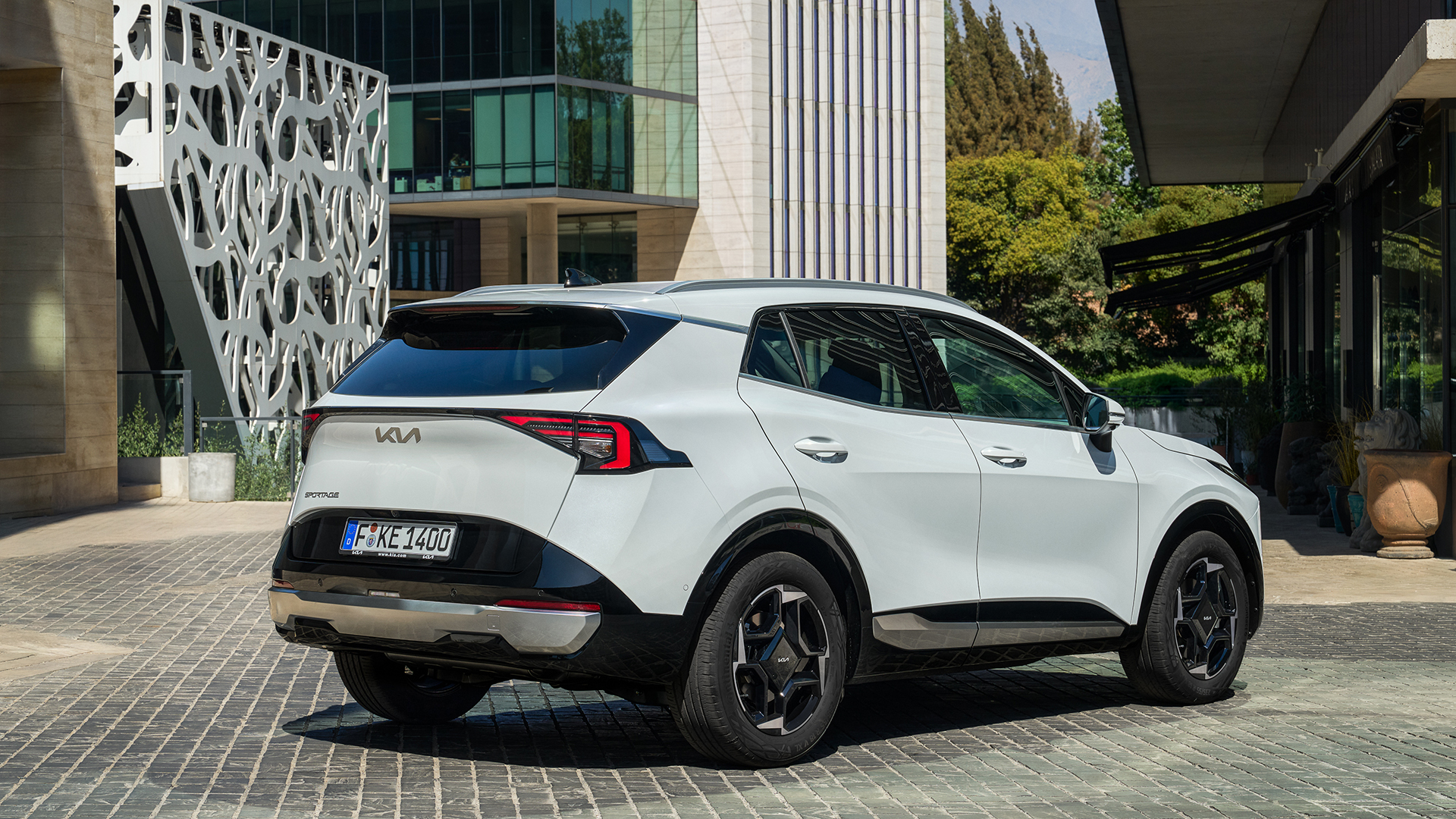
The Kia Sportage PHEV scores quite well with a reliability rating of 4.0 out of 5.0, although this plug-in hybrid does suffer from some typical faults. Owners sporadically report problems with the climate control system, the 12V battery and electronic functions. These issues are not systemic, but it is useful to know what you should look out for.
What are common faults with the Sportage PHEV
Most owners enjoy a smooth drive, but technical issues do crop up. These faults are mainly concentrated around the electronics and the hybrid system. Importantly, only 19 percent of Kia models show problems, of which 37 percent are resolved within a day. For more Kia Sportage car problems you can turn to specialist overviews.
The climate control system tops the list of complaints. Owners report that the air conditioning or heating cuts out at random while driving. In some cases a reset solves it, but other situations require complete replacement of the electronic control system. This problem occurs mainly in early production cars from 2023.
‘ This sounds strange for a car with a large hybrid battery, but it happens regularly. ’
Problems with the 12V battery in hybrid versions
The 12V battery sometimes lets you down, even after short parking periods. This sounds strange for a car with a large hybrid battery, but it happens regularly. Owners report that their Sportage will no longer start after standing still for a weekend. When checked by the dealer, the battery often appears to function normally, which points to intermittent contact problems or parasitic current draw.
Later models have a handy solution built in: a reset button for the 12V battery. This function draws energy from the hybrid system to support the smaller battery. As a result, you do not get stranded straight away. Still, it is wise to start the car regularly if it is left unused for longer periods, or to use a maintenance charger.
Causes of battery discharge
- Electronics that do not fully go into sleep mode
- Aftermarket accessories that draw power continuously
- Long parking periods without starting the car
- Weak factory battery in early production models
Stop-start function is not always reliable
For some owners, the stop-start function does not engage or reacts unpredictably. This automatic function should switch off the engine when stationary and restart it immediately when the brake is released. When it does not work, the engine continues to run unnecessarily at traffic lights or in traffic jams.
Various factors influence the functioning of stop-start. The 12V battery must be sufficiently charged and the engine temperature must be within the optimal range. Climate control also plays a role: when there is a high demand for heating or cooling, the engine often keeps running. Software updates at the dealer can help if the function consistently fails to operate without an obvious reason.
Emission-related faults in PHEV models
Although the Sportage PHEV does not have a diesel engine, emission warnings can still appear on the dashboard. These messages relate to the exhaust system and the catalytic converter. Incomplete combustion or problems with the hybrid control systems can cause the car to go into limp mode.
The cause often lies with sensors that monitor emissions. A contaminated lambda sensor or a fault in the exhaust gas recirculation can trigger a warning light. In that situation, the on-board computer registers a fault code that must be read out. Do not ignore these warnings, because driving with an active emission fault can cause damage to the catalytic converter.
Symptoms of emission faults
- Warning light on the dashboard stays on
- Reduced performance or uneven running of the engine
- Increased fuel consumption despite hybrid assistance
- Faults when switching between electric and combustion engine
‘ This reduces safety and confidence in the driver assistance systems. ’
Electronic functions and sensors give error messages
The blind spot sensors show faults for a number of owners. These sensors should warn of traffic in the blind spot, but sometimes give false alerts or remain silent when there is a vehicle next to you. This reduces safety and confidence in the driver assistance systems.
The infotainment system also struggles with issues, especially in early 2023 models. Owners report sluggishness, crashes and problems connecting smartphones. Software updates have reduced many of these complaints. Ask your dealer whether updates are available for your production date.
Hybrid battery pack and service life
The large hybrid battery will last 8 to 10 years under normal use. This is longer than many owners assume. Kia backs the battery with an excellent warranty of 10 years or 100,000 miles, which largely removes concerns about expensive replacements. Loss of capacity occurs gradually and usually only becomes noticeable after years.
Do note that extreme use can shorten its lifespan. Fast charging to 100 percent every day or regularly draining it completely puts extra strain on the cells. The battery management software protects against the worst damage, but consciously charging between 20 and 80 percent helps keep the battery healthy for longer. In the event of serious capacity issues within the warranty period, you can claim free repair or replacement.
What can you do about hybrid faults
When you experience problems, start with a visit to a Kia dealer. Most faults are covered by the standard warranty. The technician can read out fault codes that indicate exactly where the problem lies. For electronics-related complaints, a software update is often the first step.
Make sure you keep good documentation of all faults, even if they appear temporary. Note down when problems occur and under what conditions. This information helps the technician trace intermittent faults. In the case of repeated problems with the same component within the warranty period, Kia may decide on complete replacement.
Practical tips for owners
- For early models, ask whether software updates are available
- Use the 12V reset button in case of battery problems before calling for assistance
- Have aftermarket accessories installed professionally only, to avoid warranty issues
- Start the car regularly if it is parked for long periods to prevent battery problems
- Always have emission warnings checked immediately to prevent further damage
‘ This largely removes financial worries. ’
How reliable is the Sportage PHEV really
The Sportage PHEV is not a problem model, but it does have some typical teething troubles. The reported faults are sporadic and do not affect every example. With a sixth place out of 26 compact SUVs, the model performs above average in its class. Consumer Reports predicts average long-term reliability, which means that with normal maintenance the car will last for years.
The scope of the problems remains limited. Research data shows that 98 percent of repairs are covered by the factory warranty. This largely removes financial worries. Most owners have a positive ownership experience with their hybrid Sportage, provided they remain alert to the points of attention mentioned.
Comparison with other hybrid Kia models
The problems with the Sportage PHEV are similar to those of other Kia hybrids. The Niro and Sorento hybrid also sporadically show 12V battery problems and electronic faults. This points to shared components and systems within Kia’s model range (the complete line-up of models). The positive side is that dealers are familiar with these complaints and usually find the right solution quickly.
It is striking that the hybrid battery packs themselves rarely cause major problems. The technology is proven and Kia has years of experience with hybrid drivetrains. Most faults are found in peripheral systems such as climate control, sensors and the 12V electrical system. These parts are generally simple and affordable to replace.
On the Carnews website you will find more detailed information about different Kia models and their typical problems. Discover which points of attention apply to your car and how best to plan maintenance. That way you get the most out of your hybrid driving experience.
Frequently asked questions
Owners of the Kia Sportage PHEV mainly report problems with the electronics, such as climate control cutting out at random. In addition, 12V battery problems occur, where the car sometimes fails to start after a short standstill. Faults in blind spot sensors and a slow or freezing infotainment system are also mentioned, especially in early 2023 models. These problems appear to be sporadic and are usually resolved by the dealer under warranty.
These problems can occasionally cause inconvenience, such as unexpected loss of climate control, sensor warnings or a flat 12V battery meaning the car does not start immediately. In everyday driving this mainly shows up as sporadic faults and possible interruptions to journeys, but not as fundamental drivetrain issues. Because the issues are not systemic but sporadic and are usually resolved under warranty, long-term reliability generally remains at an average to good level. However, repeated dealer visits can eventually be experienced as annoying and time-consuming.
Known hybrid-related defects in the Kia Sportage PHEV are mainly resolved through software updates and replacement or reprogramming of electronic control modules (such as those for climate control and sensors). 12V battery problems are usually remedied by checking and replacing the battery, checking the contacts and using the 12V reset function in later models. Infotainment and blind spot sensor issues are mostly corrected with dealer updates or replacement of defective units under warranty. Many of these repairs fall under the long Kia factory warranty, which means dealers are the primary route for diagnosis and repair.
Yes, owners can limit problems by having the car regularly checked by the dealer for software updates for the hybrid and infotainment system. It helps to keep the 12V battery in good condition, for example by not leaving the car unused for a long time or by using a trickle charger during long periods of inactivity. Be cautious with aftermarket electronics and only have these installed professionally and with documentation, to prevent faults in the electrical system. For models that have it, use the 12V reset function according to the manual when starting problems occur.
The factory warranty covers hybrid-related problems (including most electronics and system issues) for up to 10 years/100,000 miles, as long as the defect falls within the warranty conditions. In practice, the high-voltage hybrid battery is generally covered during this period, provided it is properly maintained and there is no misuse or unauthorised modification. Repairs to hybrid components within this term are normally free of charge for the owner. Outside the warranty, all diagnostic, labour and parts costs are payable by the owner.