

Worn bushes and struts regularly cause creaking, poor roadholding and reduced driving comfort in the Peugeot 208. These suspension problems occur mainly on models with higher mileage and cars that are used intensively in urban environments. Do you recognise these signs? Then it is time to take action.
Why is the suspension on your Peugeot 208 making noise?
Creaking noises on the Peugeot 208 often indicate wear on the anti-roll (stabiliser) bars and their bushes. This problem usually appears after 50,000 to 80,000 kilometres, especially on cars that are regularly driven on poor road surfaces. The anti-roll bars ensure that your car remains stable in corners and during sudden steering corrections.
The symptoms are recognisable. You hear knocking or rattling noises on bumpy roads. This occurs mainly at low speeds or while cornering. The steering feels ‘loose’ and the car responds less directly. Dirt, salt and moisture accelerate the wear process. Cheap aftermarket parts often do not last long and can make the problems worse.
Visually inspect the bars underneath the car. Always replace both sides at the same time to keep the handling balanced. Genuine Peugeot parts or quality brands such as Lemförder guarantee a service life of more than 100,000 kilometres.
‘ The factory setup with relatively soft bushes makes this problem worse. ’
Suspension problems Peugeot 208 symptoms
On the Peugeot 208, the rear axle with torsion bar regularly appears on lists of complaints. This applies mainly to models from 2012 to 2019. The stub axles and their bushes wear due to load and age, which leads to play in the suspension. This manifests itself as thumping noises from the rear when accelerating and braking.
You will also notice uneven tyre wear or a wobbly driving behaviour on the motorway. The factory setup with relatively soft bushes amplifies this problem. Heavy loading or intensive use makes the situation worse. You can check it by lifting the car and checking for play in the stub axles with a lever.
A complete rear axle replacement costs between 800 and 1,200 euros at >100,000 kilometres. Reinforced bushes can buy you some time, but always ask for a wheel alignment after the repair. This prevents unnecessary tyre wear and steering corrections.
Front suspension: shock absorbers and springs
Shock absorbers on the Peugeot 208 fail relatively early, around 60,000 to 90,000 kilometres. This occurs mainly with sporty driving styles or in areas with a cold climate. The symptoms are clear: your car keeps bouncing after bumps, you see oil leaks on the dampers or you experience a ‘sinking’ feeling at the front.
The cause lies in progressive wear caused by braking and accelerating. The second generation from 2019 onwards has improved dampers, but is not immune to problems. Test the dampers by pressing down on the bumper. More than one or two bounces indicates a defect. Always replace shock absorbers per axle and combine this with new strut top mounts to prevent creaking.
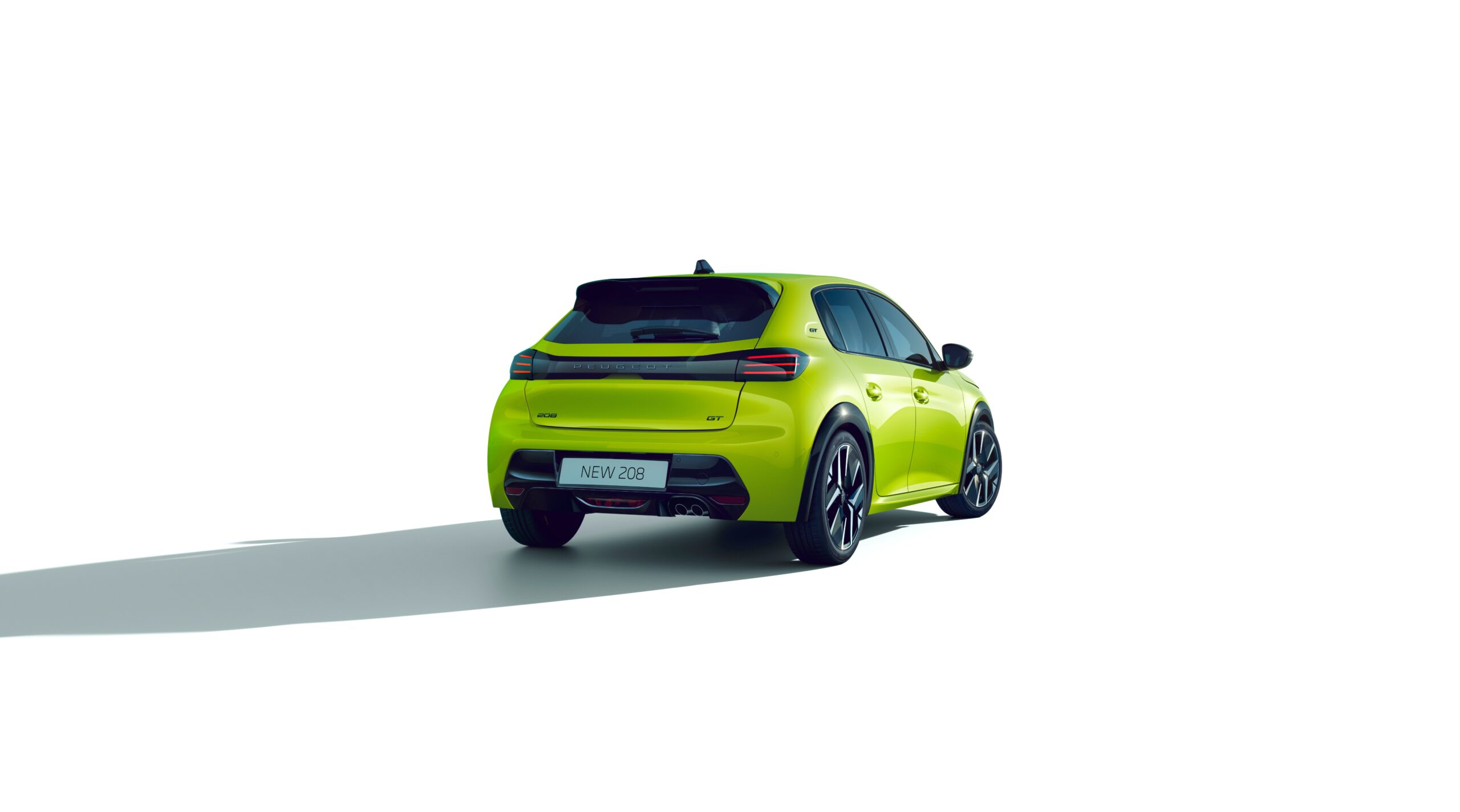
Repairing creaking suspension on a Peugeot 208
Repairing a creaking suspension starts with the right diagnosis. Drive slowly over a bump and listen to where the noise is coming from. Creaking at the front usually points to anti-roll bars or strut top mounts. Noises from the rear point to problems with the stub axles or rear axle bushes.
For anti-roll bars, the repair is relatively straightforward. You can replace the bushes without specialist tools. This takes around 15 minutes per side. Use a hammer blow to loosen the old bushes. The rear axle requires more expertise. Play in the stub axles often requires complete replacement of the affected components.
The approach is different for shock absorbers. First check for leaks and test how much the car bounces. Always replace shock absorbers in pairs to prevent uneven damping. Brands such as Bilstein or KYB offer better handling for enthusiasts who drive in a sporty way.
When should you go to the garage?
Some repairs you can carry out yourself, but others require professional help. Replacing anti-roll bar bushes is a job for someone who is handy with tools. Rear axle and stub axle repairs require hydraulic lifting equipment and alignment work. Incorrect alignment leads to uneven tyre wear and steering problems.
You can replace shock absorbers yourself, but you cannot set up the suspension geometry yourself. Have a four-wheel alignment carried out after every major repair. This costs between 50 and 100 euros and prevents many follow-up problems. If you see oil leaking from the dampers, immediate replacement is necessary to guarantee safety.
Peugeot 208 suspension repair costs
The costs for suspension repairs vary greatly depending on the component and the approach. For anti-roll bars and bushes you pay between 200 and 400 euros, including labour. This is a basic repair that can be carried out relatively quickly. If you do it yourself, the parts cost between 50 and 100 euros.
A complete rear axle repair is between 800 and 1,200 euros. This includes replacement of stub axles, bushes and alignment work. For shock absorbers per axle you pay 300 to 600 euros, depending on the brand and type of damper. Genuine parts are more expensive but last longer than cheap alternatives.
Doing the work yourself saves around 50 per cent on labour costs. A complete suspension refresh costs more than 1,000 euros at a garage. This investment makes sense for cars with 80,000 to 100,000 kilometres that you want to keep for several more years. For the shorter term, targeted repairs to the most worn parts are sufficient.
‘ Regular inspection prevents expensive repairs. ’
Preventive maintenance for a long service life
Regular inspection prevents expensive repairs. Check the suspension annually, especially above 50,000 kilometres. Check for play in the suspension by shaking the wheels while the car is on the lift. Small amounts of play are normal, but obvious movement indicates wear.
Keep the components clean and free of salt and mud. This slows down corrosion and wear on the bushes. Avoid driving through deep potholes and hitting kerbs hard wherever possible. This saves the suspension unnecessary shocks. Use the correct tyre pressure between 2.2 and 2.5 bar to reduce stress on the components.
Schedule a four-wheel alignment every 20,000 kilometres. This ensures even tyre wear and prevents additional stress on the suspension. Reinforced Polybush kits – reinforced suspension bushes – can double the service life. This applies especially with sporty use. This investment pays off for cars that you use intensively.

Want to know more about your Peugeot 208?
Suspension problems are annoying, but with the right approach they can be resolved effectively. Timely repairs prevent more expensive damage to the subframe and bodywork. On the Carnews website you will find targeted articles about parts, diagnosis and repair steps for specific problems on the Peugeot 208 and other models.
Frequently asked questions
The most common symptoms are knocking or rattling noises over bumps and in corners, especially at low speed. In addition, you often notice a bouncing or ‘floating’ car after speed bumps, sometimes with oil traces on the shock absorbers. A wobbly or wandering behaviour on the motorway and irregular tyre wear (especially at the rear) also indicate suspension problems. Finally, squeaking or creaking noises when steering and a steering wheel that feels ‘loose’ can point to worn suspension or steering bushes.
On the Peugeot 208, the front anti-roll bars and their bushes are particularly prone to accelerated wear. In addition, the rear axle (especially the stub axles and bushes) and the front shock absorbers relatively often cause problems at higher mileages. The control arm and steering bushes can also develop play or squeaking/knocking noises earlier than expected.
Suspension problems on a Peugeot 208 reduce control and precision in corners, making the car feel less stable and predictable, especially during sporty driving. Worn shock absorbers, anti-roll bars or bushes cause extra body roll, bouncing and delayed reactions to steering input, which greatly reduces driving enjoyment. At the same time, safety decreases due to longer braking distances, poorer contact between tyre and road and a greater risk of unexpected swerving or the car breaking away in fast corners. At high speeds or under hard braking, a worn rear axle or play in the suspension can even lead to dangerously wandering behaviour.
Yes, there are various upgrades available for a Peugeot 208 to improve handling, such as fitting higher-quality shock absorbers (for example Bilstein or KYB) and, if desired, sport or lowering springs. Using reinforced or polyurethane suspension bushes (such as Polybush kits) can also increase steering precision and stability. It is also worthwhile to replace worn anti-roll bars and bushes with parts from quality brands (for example Lemförder). Always combine such upgrades with professional alignment for the best results.
The average costs of rectifying common suspension problems on a Peugeot 208 are around €200–€400 for basic repairs (for example anti-roll bars, bushes, shock absorbers) and can rise to around €800–€1,200 for a complete rear axle replacement. As a DIY check you can visually inspect the anti-roll bars and bushes under the car for cracks or play and push/pull on the car to feel for unwanted movement. Perform a “bounce test” by pressing down on the front and rear bumpers: if the car bounces more than one or two times afterwards, the shock absorbers are probably worn. Finally, check the tyres for uneven wear and listen during a short test drive over speed bumps and bumpy roads for knocking or rattling noises from the suspension.