
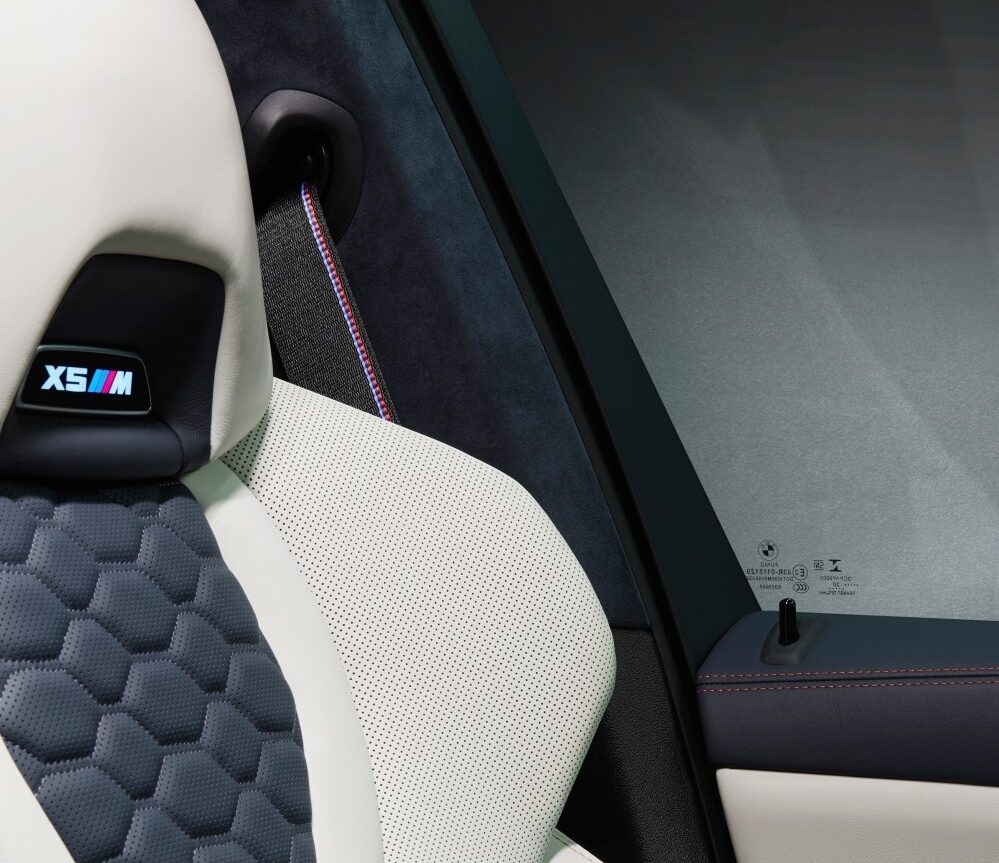
Transmission problems in the BMW X5 are not uncommon. The automatic gearbox is heavily loaded, especially under extreme conditions. The electronics in the casing are prone to overheating, while the oil pump often does not last longer than 150,000 kilometres. These problems require regular maintenance and timely professional inspection to prevent serious damage. Read on to recognise the warning signs and stay ahead of expensive repairs.
Recognisable symptoms of a faltering transmission
Your gearbox usually gives clear signals before there is a complete failure. Jerky shifting while changing up or down is a very common sign. The revs sometimes rise inexplicably while shifting. Under hard acceleration, the kickdown function provides extra power, but sometimes it refuses to work.
A limp mode function is also a clear warning. Your automatic then switches to a restricted mode in which the car operates with only a few gears. Warning lights appear on the dashboard on a regular basis. Some owners report that gears are skipped. The automatic then jumps straight from fifth to first gear.
The revs can fluctuate inexplicably without you accelerating or braking. Vibrations during upshifts also occur. If you notice these symptoms, it is wise not to delay a professional check any longer.
‘ This design issue explains why models that are heavily loaded develop complaints more quickly. ’
Why does my transmission struggle under load?
The design of the X5 plays an important role in transmission problems. The vehicle weighs around 2,000 kilograms, while the same automatic gearbox is also used in the BMW 5 Series, which weighs only 1,500 kilograms. This difference in weight puts extra strain on a gearbox that was not optimally designed for such heavy vehicles.
The problem gets worse if you regularly tow a trailer. The transmission is then under constant stress, which considerably shortens its service life. This design issue explains why models that are heavily loaded develop complaints more quickly.
Contaminated oil as the main cause
Ageing or contaminated transmission oil causes most problems. The oil has three important tasks: lubricating all components, removing heat and creating hydraulic pressure. These functions ensure smooth gear changes. Oil that is too old gradually loses its effectiveness.
At higher temperatures, the oil burns, which changes its viscosity. The oil becomes either thicker or thinner than it should be. This results in poor lubrication and reduced hydraulic pressure. As a result, you get hesitant shifting and increased wear on internal components.
Flushing the automatic transmission solves around 70 per cent of the most common problems. Experts advise carrying out this service at a mileage between 60,000 and 120,000 kilometres, or when the car is a maximum of eight years old.
Recognising a faulty torque converter
A broken torque converter, also called a torque converter, causes specific symptoms. Harsh shifts, grinding noises and poor acceleration are typical signs. Warning lights often appear suddenly on the dashboard. The problem usually develops quickly, within a few days.
The torque converter is responsible for transferring power from the engine to the gearbox. When this component fails, the entire converter has to be replaced. The costs are around €2,120, depending on the model and the workshop.
‘ A fault can disappear while the computer is being read out, but return later under specific conditions. ’
Electronics and sensors prone to faults
The electronics in the gearbox housing are particularly sensitive to overheating. Sensors control the shift positions and shifting behaviour. Extreme temperatures damage these components. This results in illogical warning lights and strange gear indications.
Some owners report that the gear indicator swings wildly between different positions. The automatic no longer responds correctly to control signals. These problems are often difficult to diagnose. They occur intermittently. A fault can disappear while the computer is being read out, but return later under specific conditions.
How much does gearbox repair cost?
The costs vary greatly depending on the problem. A transmission oil change with flushing is relatively affordable and often prevents more serious damage. This service costs a few hundred euros. Replacement of the torque converter is around €2,120.
In the case of serious transmission damage, a complete replacement may be necessary. This intervention quickly runs into several thousand euros. Early diagnosis and preventive maintenance save you considerable sums. Continuing to drive with problems causes additional damage to other transmission components, which pushes the bill up even further.
Practical tips for transmission problems
Do not stop driving immediately when a transmission fault occurs. Most models automatically switch to a limp mode. You can then carefully drive on to a garage, although performance is limited. Avoid heavy acceleration and do not use sport mode if you suspect problems.
Cold weather can temporarily worsen existing problems. The automatic then shifts up later and stays longer at higher revs until the engine has warmed up. This is normal behaviour, but if the problem continues after warming up, a check is needed.
Regular maintenance significantly extends the life of your transmission. Have filters replaced and rubber components checked periodically. A professional computer diagnosis can detect intermittent faults before they get worse.
‘ Regular oil changes prevent costly damage. ’
How long does transmission oil last?
Transmission oil does not last indefinitely. Under normal conditions, specialists recommend changing it between 60,000 and 80,000 kilometres. Under heavy loads this interval is reduced to 40,000 or 50,000 kilometres. This applies, for example, if you regularly tow trailers or drive in a sporty manner.
Older oil gradually loses its properties. Its lubricating effect decreases, heat dissipation gets worse and hydraulic pressure becomes uneven. This process accelerates at higher temperatures. Regular oil changes prevent costly damage. This keeps your transmission in optimal condition.
Can overheating cause transmission damage?
Overheating is a direct threat to your transmission. The electronics in the housing are particularly vulnerable to high temperatures. The heat rises too far. Sensors, control modules and wiring then become damaged. This results in fault messages and unreliable shift behaviour.
The internal components also suffer from extreme heat. Seals age more quickly, metal parts expand and oil burns. The oil pump, which under normal conditions lasts around 150,000 kilometres, fails sooner if there is structural overheating.
Prevent overheating by driving more gently under heavy loads. Do not let the engine and transmission run at high revs for unnecessarily long periods. Make sure the coolant level is correct and that the cooling system is working properly.
Manual models have their own problems
Although most X5 models have an automatic gearbox, manual versions also exist. These have specific problems with the clutch and shift mechanisms. Heavy wear on clutch plates occurs regularly due to the high weight of the vehicle.
The gear cables can stretch or break, resulting in poor shift quality. The release bearings also wear out faster than in lighter vehicles. Preventive maintenance and timely replacement of wear parts are important here as well. This avoids costly repairs.
‘ Stay informed and avoid unnecessary costs by visiting our site regularly. ’
More information about car problems and maintenance
On the Carnews website you will find more information about common car problems and practical tips for maintaining your car. Discover useful articles on technical issues, owners’ experiences and advice on resolving faults. Stay informed and avoid unnecessary costs by visiting our site regularly.
Frequently asked questions
Common symptoms include jerky, banging or vibrating gear changes, which often indicate wear, contaminated oil or mechanical problems inside the gearbox. Slipping, high or fluctuating revs and gears that engage too late, irregularly or skip usually point to insufficient hydraulic pressure, ageing ATF oil or torque converter problems. Warning messages such as “Transmission Failsafe” and engagement of limp mode mean that the electronics have detected a serious fault and have put the gearbox into a protection mode. Grinding noises, poor or delayed acceleration and refusal of kickdown can point to severe internal wear, defective sensors or a faulty torque converter.
Aggressive acceleration, hard braking and frequent use of kickdown (high torque at low speed) accelerate wear on the transmission. Driving for long periods with excessive load, such as regularly towing heavy trailers, overloads the gearbox. Insufficient or no timely changing/flushing of the transmission oil and not replacing filters and seals lead to accelerated internal wear. In addition, continuing to drive with clear shifting issues or warnings makes existing damage to the transmission worse.
Stop the car immediately (preferably safely at the roadside) if you hear loud grinding or knocking noises from the gearbox, feel strong jolts, smell burning or see smoke, or if the car barely moves forward or not at all. Likewise, if a red/urgent warning light appears or the gearbox completely refuses to shift, do not drive any further. You can usually still carefully drive on to a mechanic if the car goes into limp mode but still pulls away normally, without strange noises or smells, and only shifts a bit jerkily or in a limited way. In that case, drive gently with low load (no hard acceleration or high speed) and go straight to a specialist garage.
Yes, preventive maintenance and choosing the right fluid can clearly extend the life of your gearbox. Regularly changing and having the automatic transmission fluid (ATF) flushed, plus timely replacement of the filter and rubber seals, prevents contamination, burning of the oil and loss of pressure. Always use the ATF specification prescribed or approved by the manufacturer; universal or incorrect oil can actually cause extra wear. In addition, drive gently with a cold engine and avoid unnecessary heavy towing or long periods of full load to limit thermal stress on the gearbox.
Pay attention to when the problem occurs (cold/warm, under acceleration, at constant speed) and note exactly which gear or speed is involved, so that you can report this later. Listen to whether the noise changes with engine speed (revs) or with road speed; rev-related noises often point to engine/torque converter issues, while speed-related noises more often indicate transmission/differential problems. Check whether fault messages or warning lights appear and whether the car goes into limp mode (the car feels sluggish, shifts are limited), and then try to drive on gently without hard acceleration. Finally, see whether the behaviour improves or actually gets worse as the car warms up; persistent or rapidly worsening problems are a clear reason to have a specialist read out the transmission and check the oil immediately.