
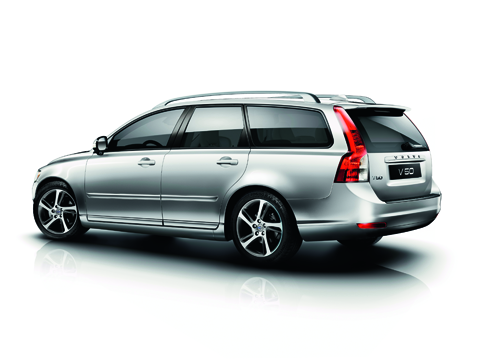
The Volvo V50 can be a reliable and comfortable compact estate, but only if you follow the maintenance schedule consistently. Regular maintenance prevents EGR contamination, particulate filter issues and transmission complaints, which make this car relatively more expensive than average due to specialist parts. Reliability varies greatly per individual car and is linked to engine type, usage profile and maintenance history. Want to know how to maintain the Volvo V50 in the best possible way and what you can expect from this car?
Why maintenance on the V50 is so important
The Volvo V50 is known for its solid build quality and practical layout, but the car deserves extra attention when it comes to maintenance. Many owners experience problems due to deferred maintenance or insufficient knowledge of this model’s specific weak points. Diesel versions in particular are prone to contamination of EGR valves and intake systems when the engine is frequently driven at low revs.
An independent Volvo specialist recommends carrying out minor maintenance every 15,000 kilometres or once a year. This interval applies to the C30, S40, V50 and C70 and takes both mileage and time into account. For cars that make many short trips or stand still for long periods, it is wise to check oil, filters and signs of EGR contamination more often.
Owners rate the V50 on average 7.93 out of 10 for reliability according to user overviews on AutoGids. However, there are big differences between individual cars. Real-world experiences on forums show that some owners are less satisfied than with other Volvo models, which is often explained by insufficient preventive maintenance.
‘ As a result, soot particles build up in the EGR valve and the intake duct, which can lead to power loss, rough idling and high repair costs. ’
Which problems occur frequently
The most commonly mentioned weak spot of the Volvo V50 is EGR contamination, especially in diesel engines. This problem arises from gentle driving where the engine is loaded too often at low revs. As a result, soot particles build up in the EGR valve and the intake duct, which can lead to power loss, rough idling and high repair costs.
In addition to EGR problems, complaints about the particulate filter are also frequently reported. This filter becomes clogged mainly on short trips where the engine does not get hot enough to regenerate the filter. A clogged particulate filter can cause limp-home mode or costly replacement of the filter itself.
Transmission issues are less common, but can be expensive when they do arise. On high-mileage automatics, owners may suffer from jerky gear changes or oil leaks. These problems often result from changing the transmission oil too late or too little maintenance on the gearbox.
Limiting EGR contamination with conscious driving behaviour
Users on forums recommend occasionally revving the engine up to around 3,500 rpm once it is properly warm. This helps burn off carbon deposits and keep the EGR valve cleaner. This measure works preventively and can extend the interval between cleaning or replacement of the valve.
In addition, it is sensible to make regular longer journeys where the engine reaches full operating temperature. This contributes to better combustion and prevents soot particles from building up in the system. For those who mainly make short trips, it is worthwhile having the EGR valve and intake duct periodically checked by a specialist.
Which version is the most reliable
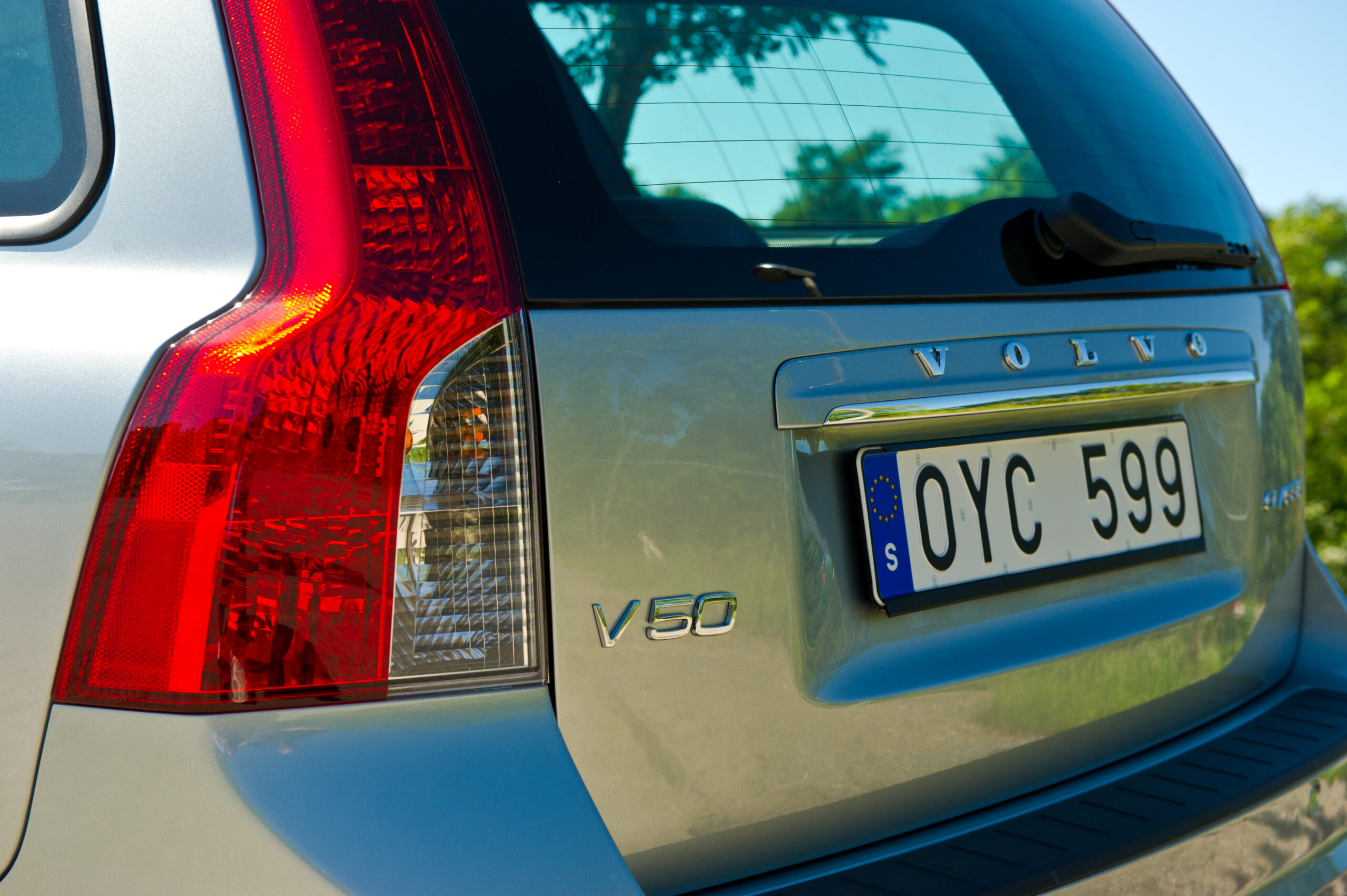
Fans of the V50 often advise choosing the 2.0D from the 2008 facelift onwards. According to owners, this version is more reliable than the earlier variants and suffers less from typical complaints. The engines after the facelift have improved software and minor technical modifications that contribute to a longer service life.
On petrol versions the problems are generally less severe, although these variants are less popular due to their higher fuel consumption. For those looking for a V50 with a lower risk of EGR problems, a petrol version is a safer choice. Do bear in mind higher fuel costs and possibly lower demand when you come to sell.
Regardless of engine type, the maintenance history is decisive. A V50 with a complete service record and strict adherence to intervals is almost always more reliable than a low-mileage car with an unclear history. When buying, check whether all services have been carried out according to the prescribed schedule.
What should you look out for when buying
When purchasing a used Volvo V50, a full maintenance history is the most important selection criterion. Ask for the service record and check whether all services have been carried out on time. Do not just look at the mileage, but also at the time intervals, because cars that stand still a lot are extra vulnerable to certain issues.
For diesel versions, pay extra attention to the EGR, intake contamination and the usage profile of the previous owner. A V50 that has mainly been used for short trips deserves a stricter inspection than a car that has regularly covered long distances. If in doubt, ask about driving habits and check whether there have already been any complaints about the EGR or particulate filter.
It is advisable to have the car inspected before purchase by a Volvo specialist. They will recognise typical model and engine issues more quickly and can advise on the expected maintenance costs. The investment in an expert inspection is more than offset by the reduced risk of unexpected repairs shortly after purchase.
‘ Do make sure the garage has experience with the Volvo platform, because incorrect diagnosis or repair can lead to higher costs later on. ’
How much does maintenance on a V50 cost
The Volvo V50 is relatively more expensive to maintain than many competitors in the same class. This is due to the specialist parts Volvo uses and the expertise required for repairs on specific systems such as the EGR and the particulate filter. A minor service at a Volvo specialist costs on average between 200 and 350 euros, depending on the exact work carried out.
Major services where, for example, the timing belt is replaced can amount to 800 euros or more. For diesel versions, extra costs are sometimes added for cleaning or replacing the EGR valve, which can run to several hundred euros. These costs can be limited by regular maintenance and conscious driving behaviour.
If you choose maintenance at an independent specialist instead of an official Volvo dealer, you can save considerably on labour costs. Do make sure the garage has experience with the Volvo platform, because incorrect diagnosis or repair can lead to higher costs later on. Always ask for references and ensure the workshop is familiar with the typical weak points of the V50.
How to keep the V50 reliable for longer
The most important measure to keep the Volvo V50 reliable is to follow the maintenance schedule strictly. Do not postpone minor services and have the car checked annually, even if the mileage has not yet been reached. This prevents a build-up of wear and small problems that later grow into major repairs.
In addition, driving behaviour determines the lifespan of sensitive components. With diesel versions it helps to let the engine reach full operating temperature regularly and occasionally drive higher up in the rev range. This burns off soot deposits and keeps the EGR valve and particulate filter clean for longer.
Periodically check the condition of wear parts such as brakes, tyres and suspension bushes. These parts contribute to safety and comfort, but with overdue maintenance they can also damage other components. Replace worn parts in good time to prevent more extensive damage.
Tips for daily use
- Regularly make longer trips so the engine can reach full operating temperature
- Occasionally rev the engine up to around 3,500 rpm to reduce contamination
- After a trip, let the engine idle briefly before switching off on diesel versions with a turbo
- Check the oil level regularly, especially on older examples
- Pay attention to warning lights and have them checked immediately by a specialist
Is the V50 a good choice for you
The Volvo V50 is a solid and comfortable alternative in the compact estate class, but the car requires conscious maintenance and careful selection. For those willing to follow the maintenance schedule closely and invest in preventive maintenance, the V50 can be a reliable partner with a lot of practical usability.
If you are looking for a car that requires little attention and has low maintenance costs, there are better alternatives available in this class. The V50 is mainly suitable for enthusiasts who appreciate the brand and are prepared to invest a little more time and money in maintenance. Specification and maintenance condition are therefore more important than mileage alone.
On the Carnews website you will find much more information about the Volvo V50, other Volvo models and practical tips for maintenance and buying used cars. Discover more articles and experiences to make the right choice for your next car.
Frequently asked questions
Critical maintenance points for optimum service life and reliability of the Volvo V50 are strictly adhering to a maintenance interval of around 15,000 km or once a year, with timely oil and filter changes. Extra attention is needed for the EGR valve and intake contamination, especially with diesel engines and lots of short trips. When buying and owning, always check the full maintenance history and have the car periodically assessed by a Volvo specialist. On diesels (such as the 2.0D), preventive cleaning or tackling of EGR- and soot-related problems is crucial.
At higher mileages, the driveshafts, CV joints and suspension rubbers (such as control arm and anti-roll bar bushes) in particular require extra attention due to wear and play. Ball joints, control arms and shock absorbers can also be worn, which manifests itself in knocking, squeaking or unsettled road behaviour. In the gearbox, synchro or bearing wear can occur, noticeable through more difficult gear changes or extraneous noises. Checking for play, leaks and irregular noises in the drivetrain and suspension is therefore important on a V50 with high mileage.
Set up a maintenance schedule with a minor service every 15,000 km or once a year (oil, filters, inspection) and save money by consistently having this done by a good independent Volvo specialist instead of the dealer. Combine timely replacement of wear parts (brakes, fluids, timing belt where applicable) with an annual preventive check on known V50 issues such as EGR contamination, intake and suspension rubbers. Adapt the schedule to your usage: with many short trips, change oil and filter a bit more often; with lots of motorway kilometres you can stick to the standard interval. This way you safeguard reliability and prevent expensive faults later on, which saves costs overall.
Yes, there are various maintenance-related upgrades that can improve the driving experience of a Volvo V50. Think of fitting better (comfort- or sport-oriented) shock absorbers and tyres, which noticeably improve steering precision, comfort and grip. A software update or optimised engine software (by a specialist) can also improve throttle response and smoothness, provided this stays within safe limits. Furthermore, preventive cleaning of the EGR/intake and keeping suspension rubbers and wheel alignment up to date can make the car drive tighter and more composed.
With a well thought-out maintenance strategy, common problems such as EGR contamination and intake contamination on diesel engines can largely be prevented. Regular maintenance according to the recommended interval of 15,000 km or once a year helps avoid premature wear and faults. Consciously avoiding only short trips and low-rev driving also reduces the risk of these contamination issues.