
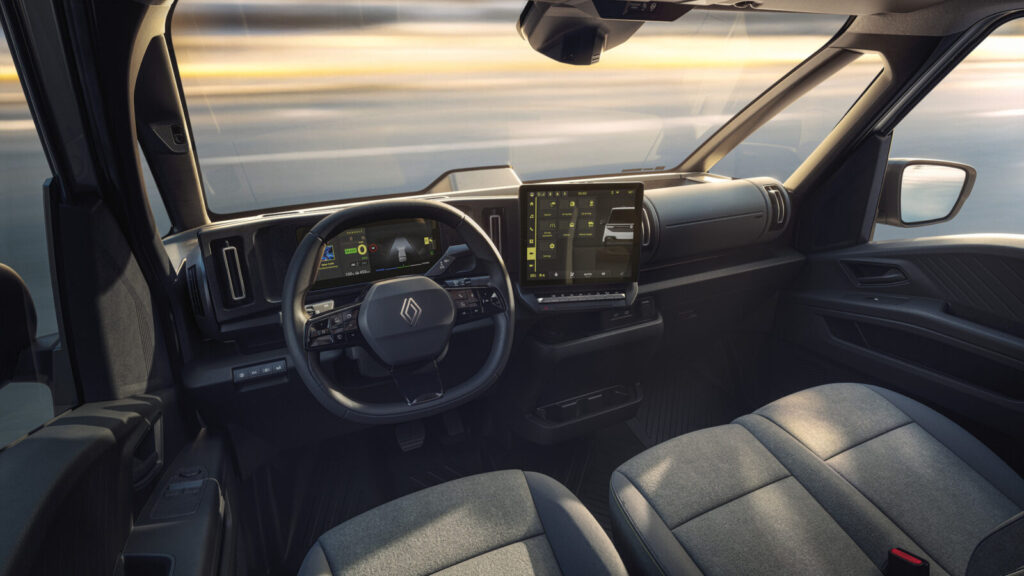
Defective sensors, damaged wiring and blown fuses are the main causes of electrical faults in the Renault Trafic. These problems trigger warning lights on the dashboard, starting issues and failing indicators. In many cases the symptoms do not point to one major defect, but to a combination of voltage problems, loose connections and software-related errors. Here’s how to solve these problems.
Electrical problems Renault Trafic: most common causes
Electrical faults in the Renault Trafic often arise from a weak battery or charging problems. This is common in vans that are used intensively. The battery then does not get sufficiently charged during short journeys. In addition, defective earth connections and worn wiring lead to contact problems that can disrupt several electrical systems at the same time.
Fuses are also among the most common causes. A blown fuse can result in specific functions failing: lighting, windscreen wipers or the instrument panel can all stop working because of this. Always check the fuse box first before replacing parts. The fuses are usually located on the driver’s side under the dashboard or in the engine bay.
Software errors and incorrect calibration of the engine control unit (the central computer that controls the engine) also occur. After updates to the onboard computer or infotainment systems, owners sometimes report fault codes that do not directly point to a physical defect. In such cases, a reset (restarting the system) or reprogramming can resolve the fault.
Sensors as a source of fault messages
Defective sensors often generate misleading warnings on the dashboard. The lambda sensor (sensor that measures the oxygen content of exhaust gases), temperature sensor and position sensors (sensors that measure the position of moving parts) can, when worn, send incorrect signals to the engine control unit. This results in fault codes that point to engine problems, while the sensor itself is the issue.
Always have fault codes read professionally with a diagnostic system. This saves unnecessary repairs and helps you determine the exact cause. Some faults disappear temporarily after clearing the fault codes, but return later if the underlying problem is not fixed.
Why warning lights come on in the Renault Trafic and how to reset them
Warning lights in the Renault Trafic can have various causes. The most frequently reported are the engine warning light, the battery light and the message “electrical fault danger”. These warnings arise due to sensor faults, voltage problems or errors in the engine control unit.
A flat or weak battery often causes flashing warning lights. The voltage then drops below the required level, causing the system to display a fault message. Check the battery’s charging voltage with a multimeter. A healthy battery supplies between 12.4 and 12.7 volts with the engine off and around 13.7 to 14.7 volts while driving.
Resetting warning lights can be done in several ways. For simple faults, disconnecting the negative battery terminal for a few minutes is sufficient. This clears temporary fault codes from the system. More persistent warnings require a professional diagnosis with diagnostic equipment. Only clear fault codes after the cause has been resolved, otherwise the warning will return again within a short time.
Common warning lights and what they mean
- Engine warning light: indicates problems with the engine management system, sensors or exhaust gases
- Battery light: indicates charging problems with the alternator or a weak battery
- ABS light: signals faults in the braking system or wheel speed sensors
- Airbag light: points to a fault in the safety system or loose connectors
Do not ignore these warnings. Some faults seem harmless, but may point to safety issues or defects that can cause the car to break down. Take recurring warnings seriously and have them checked in good time.
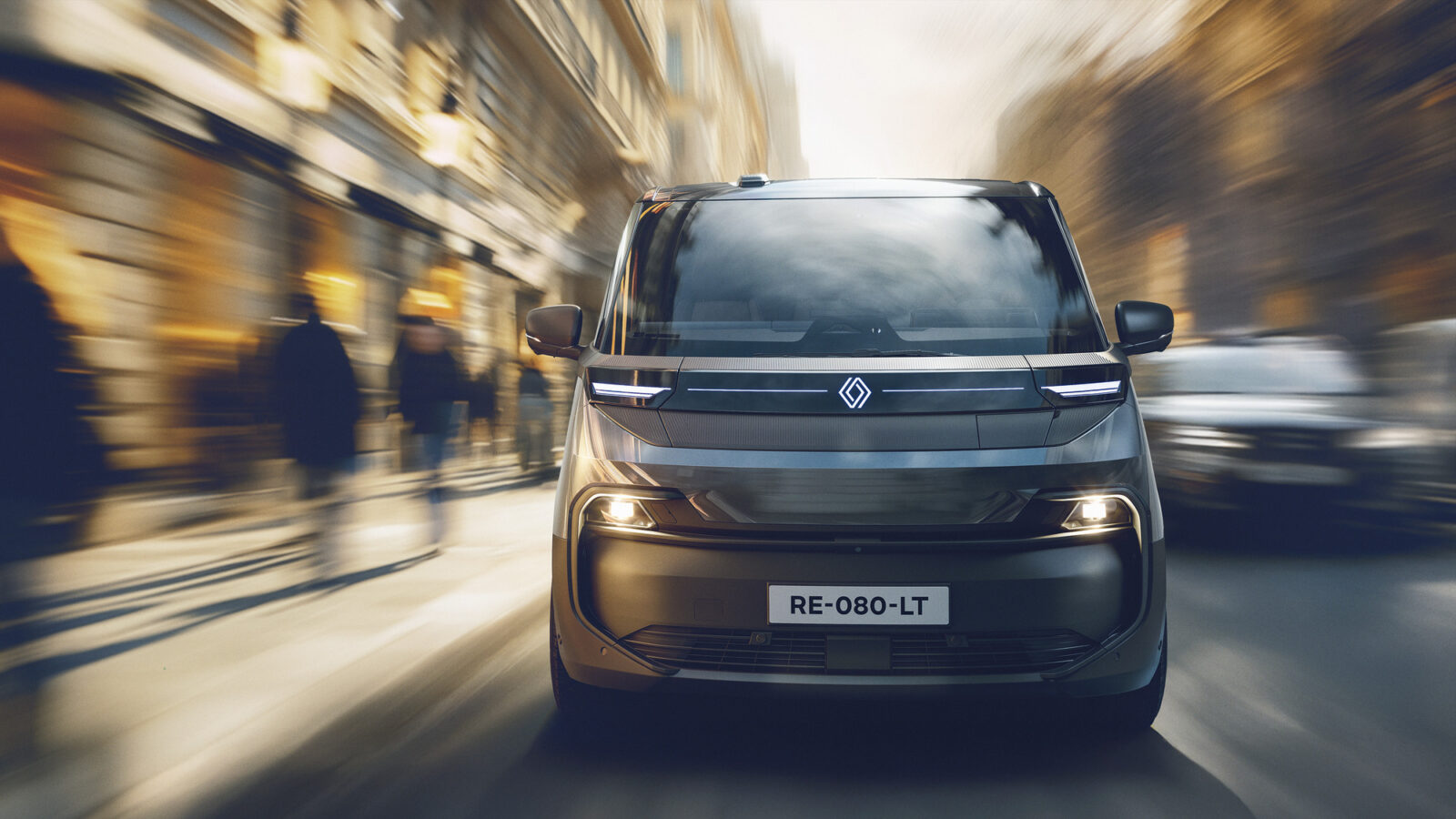
Starter motor fault Renault Trafic: battery or something else?
Starting problems with the Renault Trafic are often attributed to the battery, but the cause may also lie with the starter motor itself or the engine control unit. A weak battery does not supply enough current to turn the starter motor with sufficient force. You notice this from a slowly turning engine or a clicking sound when starting.
Test the battery by switching on the headlights without starting the engine. If the lights dim quickly or become weaker, the battery probably needs replacing. A battery lasts on average five to seven years, depending on use and climate conditions.
The starter motor can fail due to wear on the carbon brushes or the solenoid. This manifests itself as a clicking noise without the engine turning. In that case the battery does supply enough voltage, but the starter motor does not engage. Replacement or overhaul of the starter motor is then necessary.
Other causes of starting problems
Problems with the engine control unit sometimes cause starting issues. The system can block the fuel supply or disrupt the ignition sequence due to a software error or defective sensor. In that case, have the fault codes read to pinpoint the exact fault.
Contact problems in the wiring between battery, starter motor and engine control unit are common in older Trafics. Corrosion on the battery terminals or loose earth connections hinder the power supply. Clean the connections with a wire brush and coat them with contact grease to prevent oxidation.
Practical tips for diagnosis and repair
Always start with basic checks before replacing parts. Check the battery voltage, inspect the fuses and look at the earth connections for corrosion or loose connections. These simple steps already solve many electrical faults.
Have fault codes read at a garage or with your own diagnostic system. This immediately shows which sensors or systems are reporting a fault. Note: not every fault code points to a defective part. Sometimes a weak battery generates multiple fault codes that disappear after charging or replacing the battery.
Follow these steps when dealing with electrical faults:
- Check the battery voltage with a multimeter
- Inspect the fuses in the dashboard and the engine bay
- Check earth connections and wiring for damage
- Have fault codes read professionally
- Reset the system after resolving the cause
- Take a test drive to check whether the fault has been resolved
When to go to the garage
Some electrical faults require specialist knowledge and equipment. Go to a garage if you notice the following symptoms:
- The engine cuts out while driving or judders heavily
- The dashboard shows several warnings at the same time
- The fault returns after clearing the fault codes
- You receive the message “electrical fault danger”
- Starting problems persist after replacing the battery
Electrical faults are often intermittent. They disappear temporarily and then return unexpectedly. Record when the fault occurs and under which conditions. This information helps the mechanic to trace the cause.
‘ Cold temperatures accelerate wear and reduce capacity. ’
Prevention and maintenance
Regular maintenance prevents many electrical problems. Have the battery tested annually, especially before winter. Cold temperatures accelerate wear and reduce capacity. Replace the battery in good time before it fails completely and potentially damages other electrical systems.
Check the wiring and connections at every major service. Vans such as the Trafic are used intensively, which causes shaking and vibrations. This can lead to loose connectors and damaged cables. Make sure all connections are firmly secured and free of corrosion.
Update the software of the engine control unit and infotainment system according to Renault’s recommendations. Manufacturers regularly release updates that fix known software bugs and improve the stability of electrical systems.
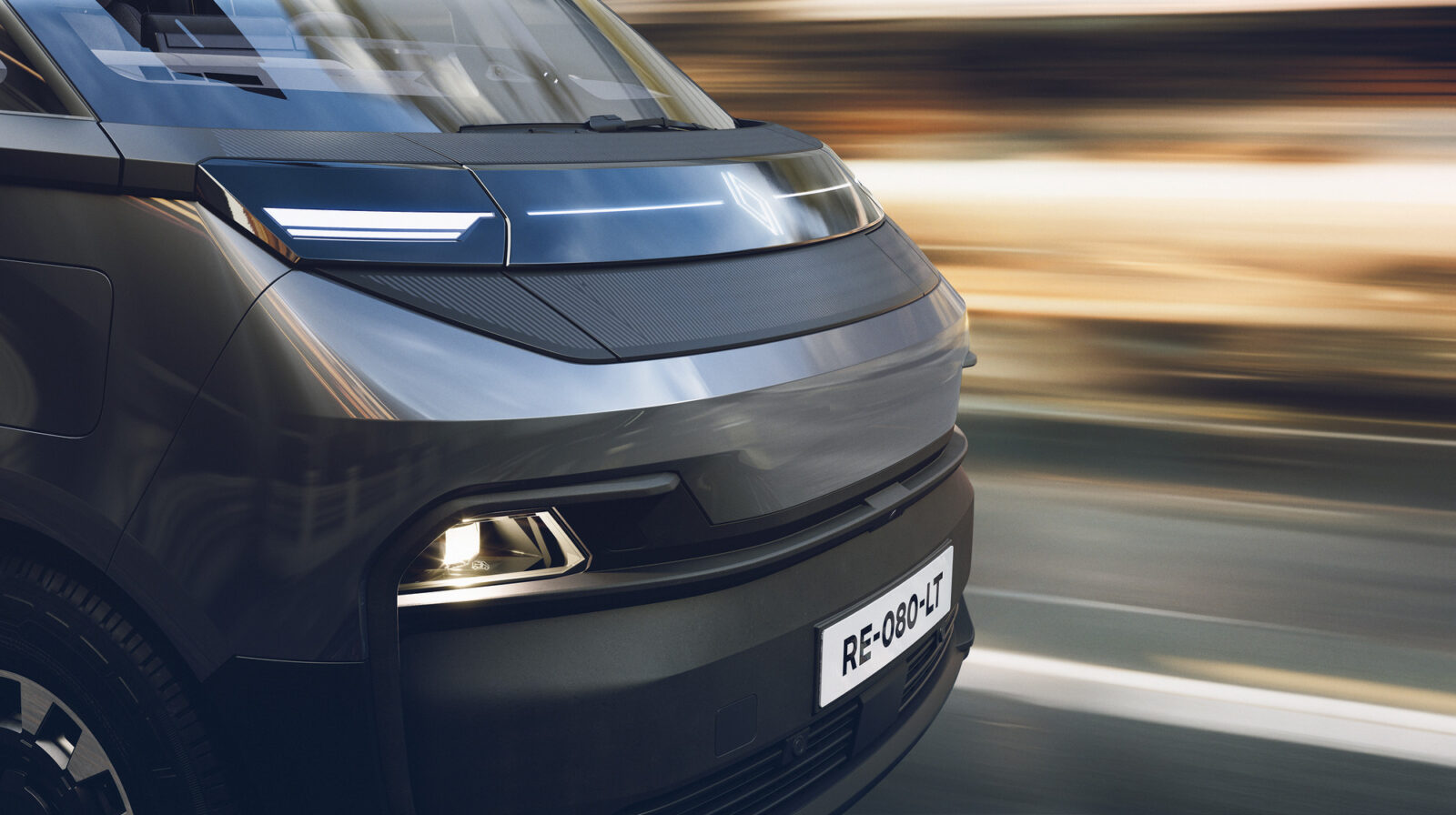
More information about the Renault Trafic
On the Carnews website you will find extensive information about other common problems with the Renault Trafic, from engine issues to maintenance advice. Discover more about owner experiences, technical specifications and practical tips that help you get more out of your van. Have a look around and explore all aspects of this popular workhorse.
Frequently asked questions
The most common electrical faults on a Renault Trafic are battery issues and charging problems, recognisable by starting problems, weak or flickering lights and general error messages on the dashboard. In addition, messages such as “electrical fault (danger)” are common, where several warning lights come on at the same time. Faults in the instrument cluster, infotainment or individual systems (such as navigation or camera) also occur regularly, visible as dead screens, flickering gauges or loss of sound. Finally, problems in wiring, earth connections or the engine control unit can manifest themselves as jerky driving, the engine sometimes cutting out or a slow-responding accelerator pedal.
Common electrical problems in the Renault Trafic often stem from voltage and charging issues (weak battery, alternator), poor earth connections and contact problems in fuses and plugs. In addition, wear to wiring and software or calibration errors in control units and infotainment play an important role. Preventively, you can periodically have the battery and charging voltage tested, have earth and fuse points checked/cleaned and always have the vehicle read for faults instead of immediately replacing parts. When buying or servicing, it is wise to explicitly ask for and have documented any fault codes, previous electronic repairs and software updates.
Simple electrical faults, such as a blown fuse, loose plug, poor earth connection or a weak battery, can often be (had) diagnosed with a multimeter or OBD scanner and sometimes also fixed yourself if you are handy and use the right documentation. More complex problems in the engine control unit, the onboard computer or with recurring fault codes usually require professional diagnostic equipment at a garage. For simple electrical repairs (fuses, battery, minor wiring issues) costs at an independent garage are roughly between €50 and €200, depending on labour time and parts. For more complex electronic faults (diagnostics, tracing a broken wire, module issues) you should reckon on around €150 to €500 or more.
Recurring electrical faults clearly affect the reliability of a Renault Trafic, because the risk of starting issues, system failures or unexpected warnings increases. For daily use (especially as a work van) this means less predictability and a higher risk of downtime or repair. Potential buyers often see repeated electrical complaints as a sign of underlying structural problems, which weakens your negotiating position. As a result, the residual value usually drops, especially if fault codes, repair history or demonstrable solutions are missing.
On the Renault Trafic, the battery, alternator/voltage regulator, fuses and earth connections (cables/plugs) are especially often the culprits in electrical faults. Regularly checking charging voltage, battery condition and keeping earth and plug connections clean and tight clearly extends their service life. Replace a weakened battery in good time and avoid prolonged short, stop-start use with many consumers switched on (for example, lots of short trips with lights, air conditioning and audio). For persistent faults, have the system read and the software updated so that unnecessary load or incorrect control of components is prevented.