
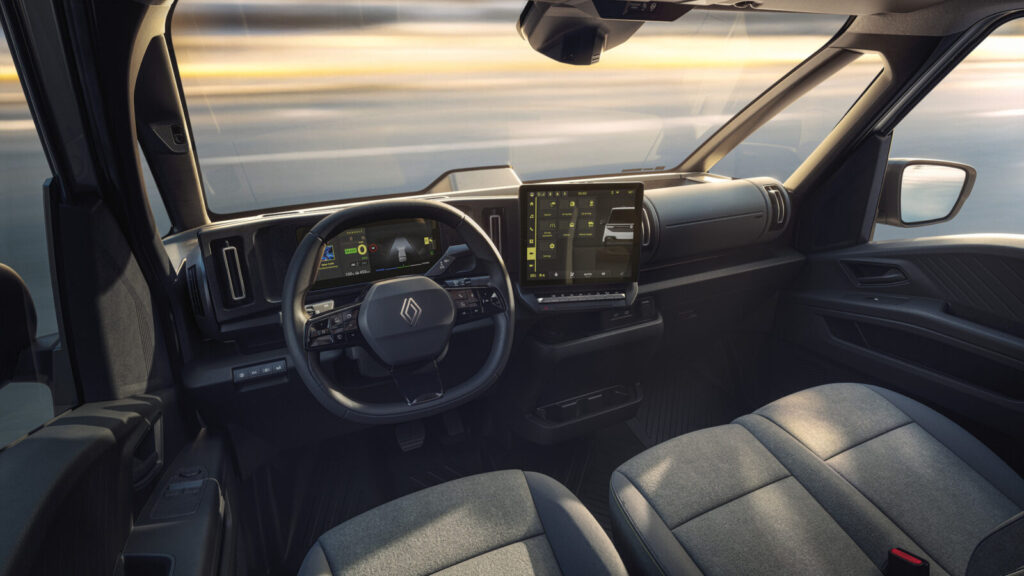
Regular oil checks, timing chain inspections, and adjusting or replacing the radiator cooler will significantly extend the lifespan of your Renault Trafic. By being proactive with maintenance and avoiding heavy engine strain without proper servicing, you can easily reach 200,000 kilometres or more. Discover how smart choices and practical tips can keep your commercial vehicle reliable for years to come.
Why the Renault Trafic maintenance schedule varies
The maintenance schedule for the Renault Trafic is not universal. The intervals depend on the model year, engine variant, and usage intensity. A delivery van driving through the city fully loaded every day requires different servicing than a passenger version that mainly covers motorway miles. The trip computer often indicates when the next service is due, but that interval can vary from 20,000 to 40,000 kilometres, depending on the engine and driving conditions.
For the Renault Trafic, maintenance is based on both mileage and time. This means that service might be required after just one year, even if you have only driven 25,000 kilometres. Periods of inactivity, short trips, and extensive idling strain engine oil and filters faster than long, constant drives.
Different engines require different oil specifications and intervals. When extending maintenance to 40,000 kilometres, it is extra important to use the correct oil. If you use an incorrect specification, you risk timing chain and turbo problems. Therefore, always check the chassis number or registration when planning maintenance so the schedule precisely matches your specific model.
Standard maintenance intervals and check points
During regular maintenance, the following items are checked or replaced:
- Engine oil and oil filter
- Air filter
- Cabin filter
- Brake fluid, coolant, and windscreen washer fluid
- Tyre tread, tyre pressure, and wear
- Lighting, windscreen wipers, and general safety points
A major service includes a comprehensive inspection with sometimes up to 79 check points and an average of 3.5 hours of labour. This involves not only changing fluids and filters but also thoroughly inspecting components like brakes, suspension, and the drivetrain. For commercial vehicles that carry heavy loads or are frequently used under challenging conditions, this thorough approach is highly valuable.
The most common maintenance intervals for the Renault Trafic are 40,000, 60,000, and 80,000 kilometres. Brake pads are often replaced around the 60,000-kilometre mark, depending on driving style and loading. Further intervals involve inspections of the timing chain, turbo, and cooling system, especially for vehicles that are regularly heavily loaded.
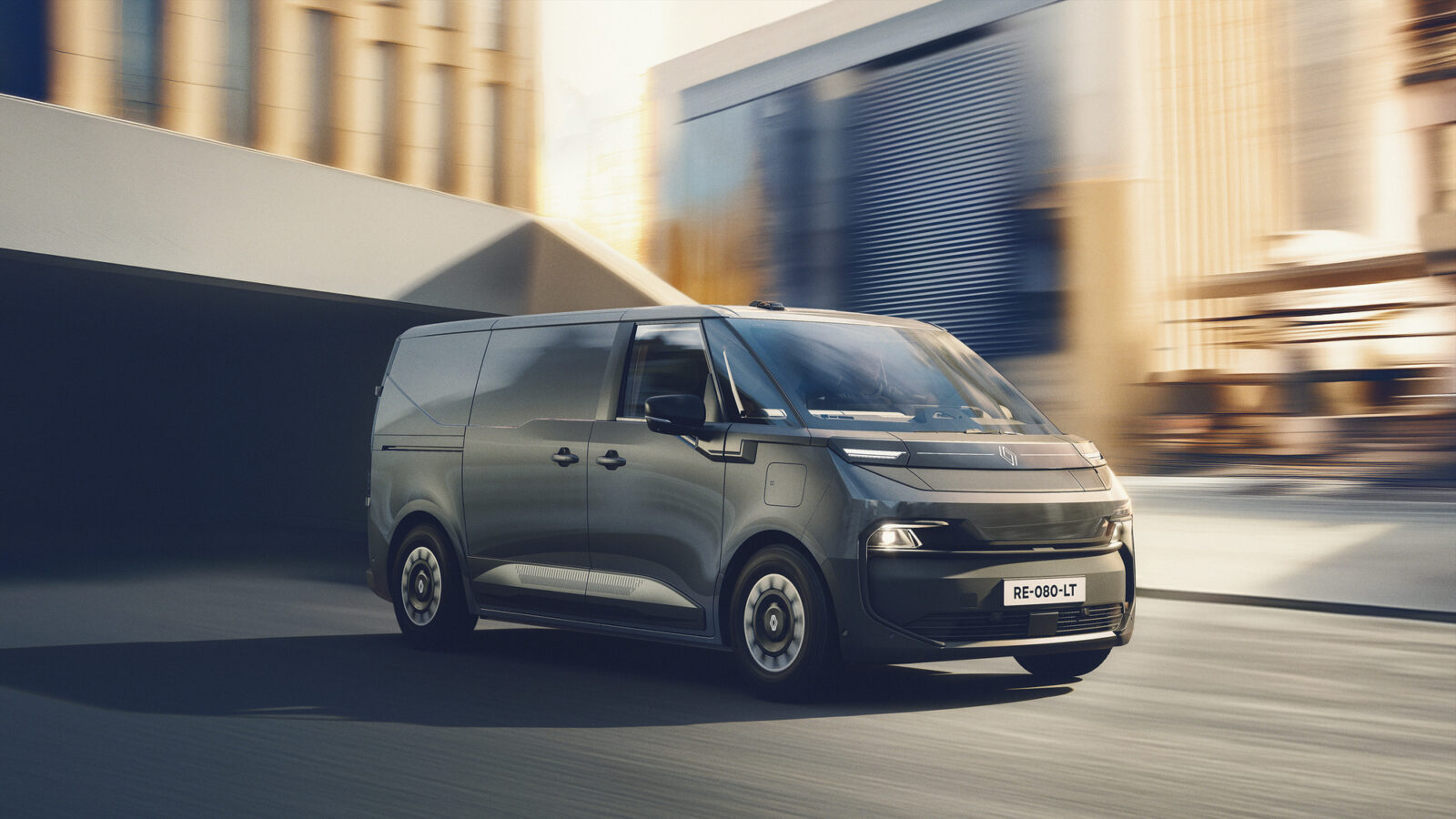
Maintenance tips for reliability well beyond 200,000 km
The Renault Trafic can easily last for more than 200,000 kilometres, provided you perform consistent maintenance and avoid straining the vehicle. Regular oil checks are the most important factor here. Check the oil level every 2,000 kilometres and top up with the correct specification if necessary. Oil that is used for too long or has an incorrect composition can cause irreversible damage to the timing chain and turbo.
Inspection of the timing chain is particularly important for diesel variants with high mileage. A stretched or worn chain can lead to engine failure. Listen for unusual ticking noises when starting or during cold starts. Have the chain checked during maintenance and replace it preventatively if in doubt, especially above 150,000 kilometres.
Adjusting or replacing the radiator cooler may be necessary for vehicles that regularly carry heavy loads or are used in hot climates. An overheating engine accelerates the wear of oil and components. Check the coolant regularly and have the cooling system flushed during major services. Some owners opt for a larger cooler or extra cooling to better protect the engine during intensive use.
Which oil to choose for chain and turbo protection?
Choosing the right oil is crucial for the lifespan of the chain and turbo. Always use oil that meets the Renault specification prescribed for your engine variant. For extended intervals up to 40,000 kilometres, this is even more important because the oil must protect against wear and contamination for a longer period. The wrong oil can lead to faster chain wear and reduced lubrication of the turbo.
For most modern Trafic engines, a 5W-30 or 5W-40 oil with specific standards such as ACEA C3 or C4 is required. This oil is designed for diesel engines with particulate filters and turbos. If you use cheaper oil without the correct additives, you risk clogged filters and increased wear. Always check the specification in the manual or at your dealer.
Preferably change the oil slightly earlier than the maximum interval, especially with heavy use. Many professional Trafic drivers opt for an interval of 30,000 kilometres instead of 40,000 to optimally protect the engine. The extra costs do not outweigh the price of a new chain or turbo.
‘ Matters such as oil and filter changes, brake checks, and comprehensive inspections are best left to a certified service centre. ’
DIY maintenance saves time and money
Some maintenance tasks for the Renault Trafic can be performed by yourself, which saves time and money. Replacing the air filter, cabin filter, and windscreen wipers is simple and does not require specialist tools. Checking and topping up fluids such as engine oil, coolant, and windscreen washer fluid is also something every owner can do.
Note, however, that DIY maintenance is no substitute for professional servicing. Matters such as oil and filter changes, brake checks, and comprehensive inspections are best left to a certified service centre. This ensures your maintenance history remains documented and helps prevent small defects from being overlooked. Always ask for a stamped maintenance booklet or checklist afterward.
For those who want to change the oil themselves: ensure you use the correct quantity and specification, and dispose of the old oil at a recycling centre. Replacing an oil filter is easiest with a filter wrench. After topping up, check the level with the dipstick and start the engine for a few minutes so the oil circulates properly. Check the level again afterward and top up if necessary.
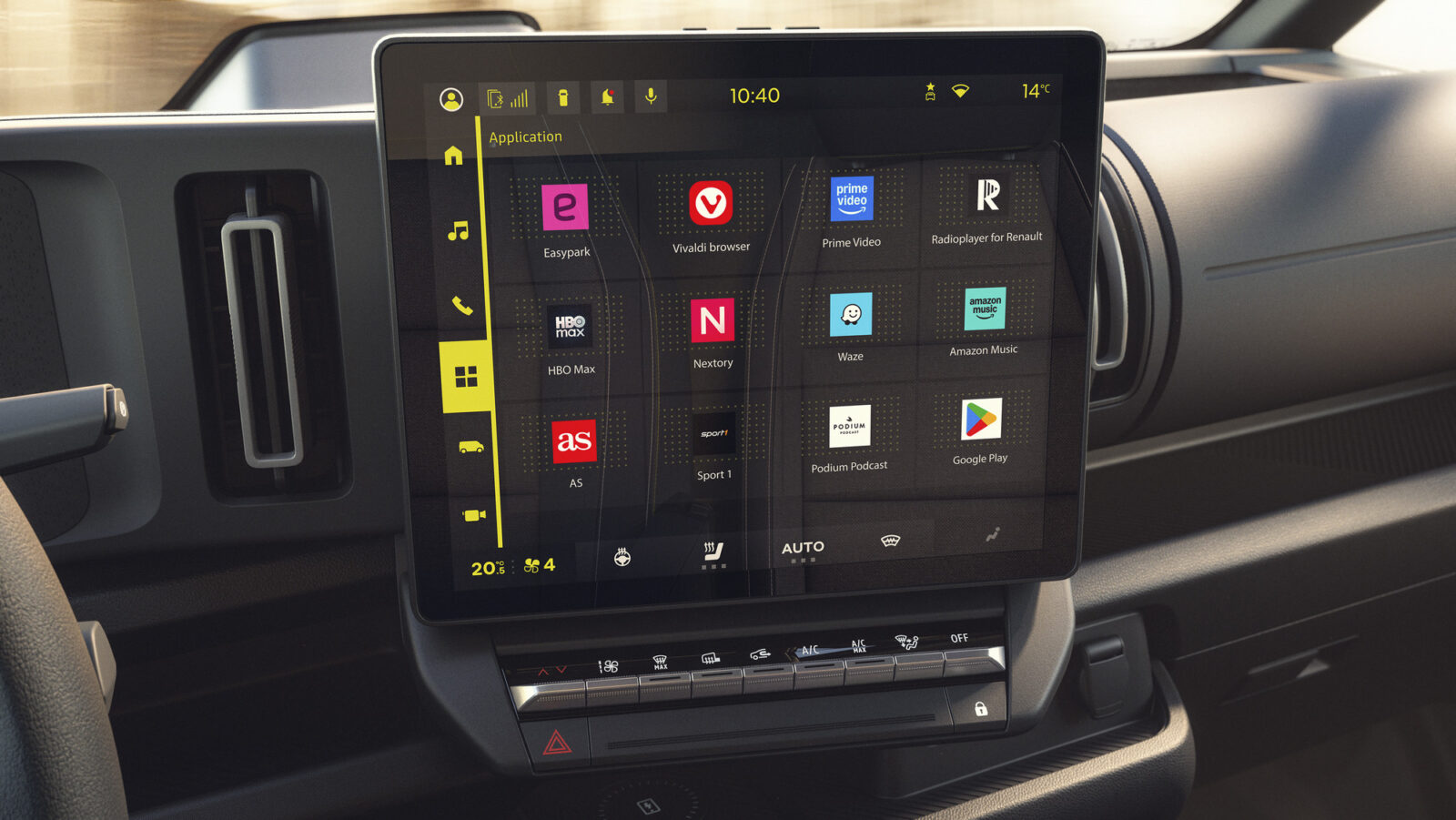
Additional points of attention for intensive use
Do you use your Renault Trafic as a delivery van with a full load, in heavy city traffic, or for regular towing? Then extra attention to maintenance is required. Heavy use accelerates the wear of brakes, tyres, suspension, and the engine. Check the condition of brake pads and discs more frequently in between, especially if you regularly drive heavily loaded or work in hilly areas.
Short trips and extensive idling strain the engine differently than long distances. The engine does not fully reach operating temperature, which can cause condensation to remain in the oil and filters to clog faster. In such cases, consider a shorter maintenance interval, for example every 20,000 kilometres instead of 40,000. This prevents the accumulation of deposits and keeps the engine healthy for longer.
Towing puts extra pressure on the transmission and cooling. Check the transmission fluid according to the prescribed schedule and watch for signs of overheating, such as a burning smell or reduced performance. If you regularly tow heavy trailers or caravans, it is wise to have an extra cooler installed or have the cooling system checked annually.
How to avoid abuse and premature wear?
Abuse of the engine and drivetrain significantly shortens its lifespan. Avoid aggressive acceleration, high RPMs with a cold engine, and long-term driving with a full load at high speeds. Always give the engine time to reach operating temperature before accelerating hard. This protects the chain, turbo, and pistons against excessive stress.
Ignoring maintenance warnings is also a form of abuse. The onboard computer clearly indicates when service is required. Do not delay this, as worn oil provides insufficient protection and can lead to costly damage. If you consistently drive more than the average number of kilometres per year, adjust the maintenance schedule accordingly in consultation with your garage.
Finally, ensure you always use the correct fuel and refuel at reliable stations. Contaminated or poor-quality diesel can damage injectors and the particulate filter. If in doubt about the quality, fuel elsewhere. A single full tank of bad diesel can cause thousands of pounds in damage.
‘ There is always an article that will help you further. ’
Discover more about the Renault Trafic and maintenance
On the Carnews website, you will find much more information about the Renault Trafic, common problems, maintenance advice, and practical tips for commercial vehicle owners. Whether you are looking for specific technical details, experiences from other drivers, or handy instructions for self-maintenance: there is always an article that will help you further. Take a look and discover what makes your Trafic even more reliable.
Frequently Asked Questions
The official Renault Trafic maintenance schedule is based on mileage and time, with many variants having an interval of approximately 40,000 km or 2 years, depending on engine, model year, and usage conditions. These services involve checking or replacing items such as engine oil and oil filters, air and cabin filters, brakes, tyres, fluids, and various safety and wear points. Following this schedule is essential to limit engine and drivetrain wear, prevent malfunctions, and maintain reliability and performance. Furthermore, documented maintenance contributes to a longer lifespan and better residual value of the vehicle.
You can relatively easily check and correct tyre pressure, check and top up windscreen washer fluid, coolant, and engine oil levels, and regularly inspect the condition of tyres, lighting, and wipers. With some basic tools, you can also replace the cabin filter and air filter yourself, which saves directly on labour costs. If you are more handy, you can replace wiper blades yourself and check the battery (cleaning terminals, having the voltage measured). Always keep an eye on the maintenance intervals in the manual or onboard computer so you know when professional maintenance remains necessary.
Yes, there are different maintenance schedules and considerations depending on engine configuration and usage intensity. Some Trafic engine variants, for example, may allow for longer intervals of up to approximately 40,000 km or 2 years, but only with the correct oil specification and under favourable driving conditions. For intensive use (frequent city trips, heavy loads, towing, extensive idling), it is advisable to keep to shorter intervals and check brakes, tyres, and fluids more often. The exact schedule differs per generation, engine variant, and usage (commercial or passenger version) and should therefore always be consulted via your registration, manual, or the onboard computer.
Common wear items that require extra attention in the Renault Trafic between regular services are primarily the brakes (brake pads and—during intensive use—brake discs) and the tyres. Wipers and lighting also deserve interim checks due to daily wear and safety reasons. In the case of intensive or heavily loaded use, it is wise to inspect brakes and tyres more often than just at scheduled service intervals.
On average, the costs per maintenance service for a Renault Trafic at independent garages are roughly between £250 and £500, depending on whether it is a minor or major service and how many wear items (such as brakes) need replacing. You can save without compromising reliability primarily by maintaining the vehicle on time—but no more often than necessary—according to the official schedule and by requesting quotes from multiple (including non-dealer) garages. Always choose oil and parts that at least meet the specifications prescribed by Renault; approved quality aftermarket parts are often significantly cheaper than original dealer parts. Avoid delaying essential maintenance (such as oil and brake service), as this often leads to more expensive repairs and reliability problems in the long run.