
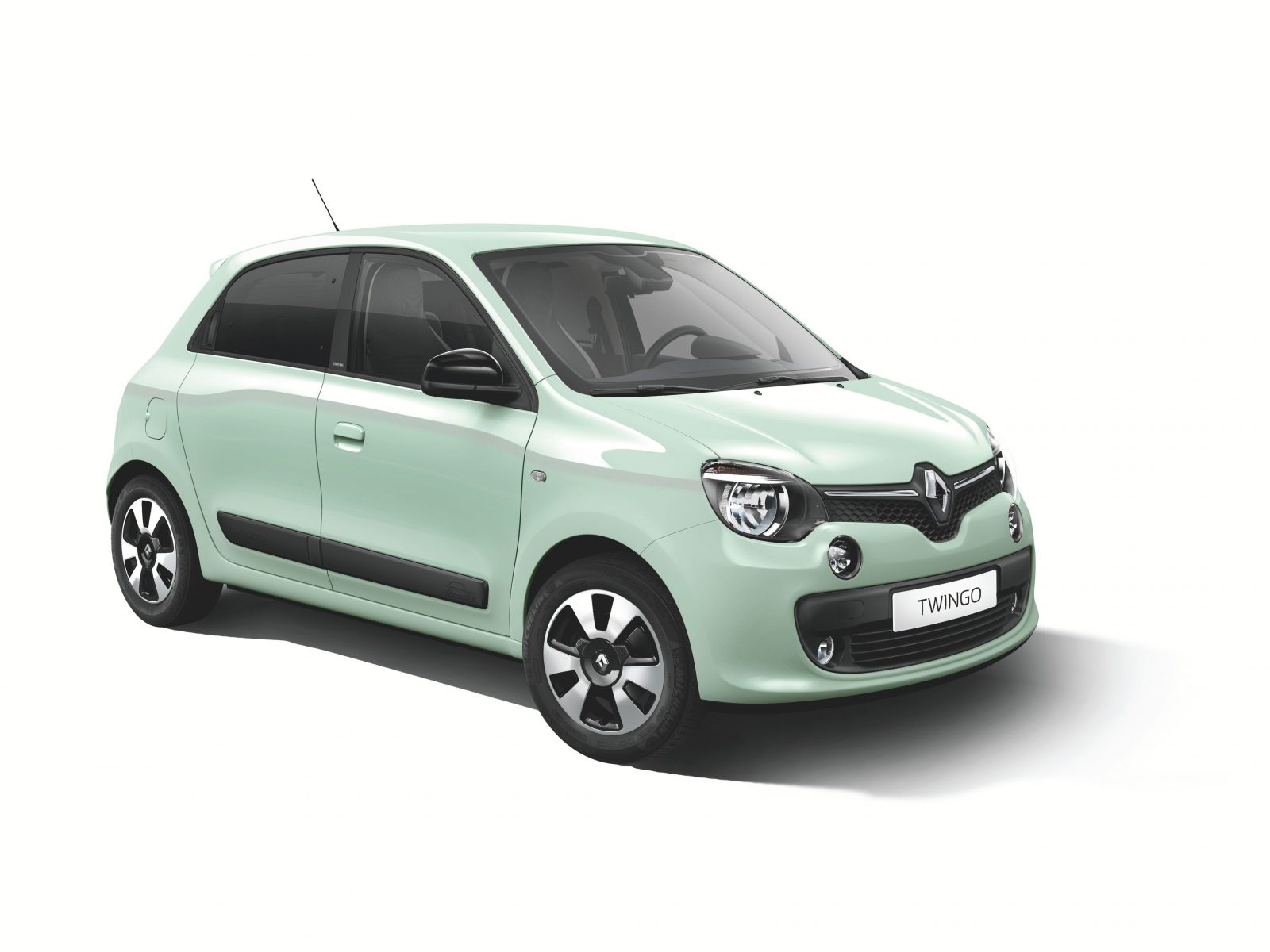
Repair costs for the Renault Twingo range from around 50 euros for simple ignition problems to 1,500 euros for a complete clutch replacement, with preventive maintenance often avoiding the biggest expenses. The compact city car has a few recurring weak spots that you should know about as an owner. Discover below what the most common problems cost and how you can save money in a targeted way.
Replacing the timing chain: what does it cost?
The timing chain on the 1.1-litre engine needs attention after roughly 150,000 kilometres. On the 1.2 petrol engine it is a timing belt, which needs replacing every 50,000 kilometres. This difference in service interval makes it important to know which engine your Renault Twingo has.
The costs for replacing the timing chain or belt vary greatly per version. Count on a total amount between 400 and 900 euros, depending on labour hours and extra parts such as tensioners. The water pump is often replaced at the same time because it can become noisy on older 1.2 petrol engines. That prevents double labour costs and saves money in the long run.
Have this work carried out according to the manufacturer’s advice. Postponing it can lead to engine damage that costs many times more than preventive replacement. When buying a used car, always check the service book to see whether the timing has been replaced on time.
‘ Have your air conditioning checked every year during servicing to avoid costly surprises. ’
Air conditioning repairs on the Twingo
Air conditioning problems occur regularly on the Twingo. Most complaints are about empty coolant (refrigerant) or a defective compressor. Both are easy to fix, but costs range from 70 to 700 euros.
A simple gas refill when the air con is empty costs between 70 and 150 euros. If there is a leak in the system, it will first have to be located and sealed. On top of that come labour costs and possibly replacement of hoses or connections, which brings the total to 200 to 400 euros.
A defective compressor is the largest expense in air conditioning repairs. Replacement including labour costs between 500 and 700 euros. Some owners report that early models are more prone to air con faults due to oxidised contacts and weak electrical wiring. Have your air conditioning checked annually during servicing to avoid costly surprises.
Brakes, suspension and steering
The front suspension is a well-known weak point. Creaking noises are often caused by worn drop links, springs or shock absorber mounts. This problem occurs mainly on models from mid-2014 onwards. The front axle wears after 50,000 to 60,000 kilometres and needs attention for ball joints, silent blocks and drop links.
The costs for suspension repairs vary per component:
- Drop links: 30 to 50 euros each
- Top mounts: 50 to 75 euros each
- Labour: 100 to 200 euros
- Total: 200 to 400 euros for a thorough repair
Replace both springs at the same time to prevent uneven height and uncomfortable rides. At the same time, check the shock absorbers for leaks or damage due to defective mounts. Many owners report bouncy rides and uneven height as the first sign of suspension problems.
Brakes wear faster with intensive city use. Budget 150 to 300 euros for replacing brake pads and discs at the front, including labour. Regularly check the thickness of the brake discs to prevent wear damage.
Replacing the clutch and gearbox
Clutch wear is a classic problem on the Twingo. Worn clutch plates, loose pedals due to worn linkages or internal gearbox problems such as broken synchros occur regularly. Automated gearboxes fail early due to worn clutch plates, which leads to more expensive servo repairs if you do not act in time.
The costs for clutch replacement are considerable:
- Clutch kit: 200 to 350 euros
- Gearbox repair: 500 to 1,000 euros
- Labour: 350 to 600 euros
- Total: 550 to 1,500 euros
When there is wear, replace the entire clutch kit straight away to prevent the problem from returning. This saves you double labour costs within a short time. With used cars fitted with an automated gearbox, pay extra attention to smooth gear changes, because repair of the servo motor can exceed 1,000 euros.
‘ Electrical wiring is the weak point on models built before 2014. ’
Engine and ignition problems
Ignition coils cause loss of power or sluggish engine behaviour. Replace all coils at once for optimal performance and to prevent repeat failures. Spark plugs wear after 30,000 to 50,000 kilometres under normal use and are easy to replace yourself.
The costs for ignition maintenance remain limited. Spark plugs cost 50 to 90 euros for a complete set. Ignition coils cost between 100 and 150 euros. Labour ranges from 70 to 150 euros, depending on the mechanic and region. The total comes to 120 to 350 euros.
These are relatively low amounts compared with other repairs. Ordering parts online yourself saves a further 20 to 30 percent. If you do the work yourself, you only pay for the parts and the total cost price stays below 150 euros.
Electrical and software problems
Electrical faults occur regularly on early Twingo models. Key fobs stop working due to software errors, causing doors not to unlock or the engine not to start. Dashboard lighting fails, windscreen wiper motors pack up or cooling fans stop running due to oxidised contacts.
A software update at a Renault dealership costs between 0 and 100 euros, often free under warranty. If the entire module has to be replaced, costs rise to 500 to 900 euros. Electrical wiring is the weak point on models built before 2014. Clean and check connectors regularly to prevent corrosion.
The heater sometimes fails due to a defective resistor or switch. Replacement costs 80 to 200 euros including labour. When buying a used car, always check whether all electrical functions work, as hidden electrical defects can become very expensive.
Exhaust and other repairs
Exhaust systems last on average 5 to 8 years, depending on use and driving conditions. Leaks or loose mounts occur on older Twingos. Replacing the centre section or rear silencer costs 120 to 350 euros including labour.
Water leaks sometimes enter through worn seals around doors or windows. Simple repairs such as replacing rubbers cost 60 to 150 euros. More serious leaks that damage upholstery or insulation can rise to 600 euros if the interior also needs to be repaired.
Paint quality and rear windows are vulnerable with intensive city use. Repairing small paint damage costs 100 to 250 euros per panel. Seat belts that do not lock require replacement of the complete assembly for safety, which costs 150 to 300 euros per seat.
Budgeting for common faults
It is sensible to set aside a yearly maintenance buffer of 500 to 800 euros for a Twingo older than 5 years. Newer models generally have lower costs, but electrical problems can also crop up on recent cars. Preventive maintenance such as timely replacement of wear parts often saves hundreds of euros on emergency repairs.
The biggest cost items in order are:
- Clutch and gearbox: 550 to 1,500 euros
- Electrical modules: 500 to 900 euros
- Air conditioning compressor: 500 to 700 euros
- Timing: 400 to 900 euros
- Suspension: 200 to 400 euros
Always compare quotes from different garages. Price differences can be as high as 30 percent for the same repair. Preferably choose a Renault specialist who is familiar with the specific problems of the Twingo. They can diagnose faster and often have genuine parts in stock.
‘ A full inspection by a specialist costs 100 to 150 euros, but prevents you from buying a car with hidden defects running into thousands of euros. ’
Practical tips for keeping costs down
Having maintenance carried out on time prevents costly follow-up repairs. At every service, have the front axle, brakes and electrical functions checked. Regularly check the oil level and coolant yourself to prevent engine damage.
Order simple parts such as spark plugs, filters and wiper blades online for much lower prices than at the garage. Do simple jobs such as replacing spark plugs or air filters yourself if you have some technical knowledge. That saves 50 to 150 euros in labour each time.
When buying a used car, carefully inspect its service history. Check whether the timing, clutch and key wear parts have been replaced. A full inspection by a specialist costs 100 to 150 euros, but prevents you from buying a car with hidden defects running into thousands of euros.
The Twingo remains an affordable choice for city use if you take account of the known weak points. With targeted attention to preventive maintenance, total costs remain manageable. On the Carnews website you will find much more information about maintenance, common problems and practical tips for various car brands and models. Discover more useful articles and expand your knowledge about cars.
Frequently asked questions
The most common repairs on a Renault Twingo involve wear to the clutch/gearbox, ignition/engine components (such as coils and spark plugs), suspension/steering and various electrical faults. A clutch repair usually costs around €550–€1,500, ignition and engine problems such as coils and spark plugs about €120–€350. For suspension and steering (springs, drop links, top mounts) costs are usually between €200 and €400. Electrical problems vary greatly in price: from a relatively cheap software update (around €0–€100) to complex repairs running into several hundred euros (up to around €900).
The total costs of a Twingo repair depend on the type of defect (for example clutch, engine, suspension or electrics) and the amount of labour time required. It also makes a difference whether you choose an official Renault dealer or an independent garage, because hourly rates and diagnostic charges vary. The type of parts also plays a role: genuine Renault parts are usually more expensive than aftermarket or pattern parts. In addition, preventive maintenance and whether or not repairs are combined (for example replacing a complete clutch kit straight away) influence the final costs.
Twingo owners can avoid expensive repairs by following the maintenance schedule strictly, especially for the timing belt/chain, water pump and ignition components (replacing spark plugs and coils in good time). Have the front suspension (springs, drop links, shock absorbers and bushes) checked every 50,000 km or so and replace worn parts immediately, preferably per axle. Keep electrical connectors dry and clean and, in the event of starting or key problems, have a software update or diagnostic check carried out in good time. When buying a used Twingo, a thorough pre-purchase inspection is worthwhile to detect hidden defects in the engine, suspension and electrics at an early stage.
It is economically worthwhile to repair a Renault Twingo as long as the repair costs are clearly lower than the current market value and the repair gives you a reasonable extra period of use (usually at least 1 to 2 years with normal use). As a rule of thumb: if repair costs are higher than roughly 50–70% of the current market value, repairing is often no longer sensible, especially if the remaining service life is short. If the repair is relatively cheap (a few hundred euros) and the Twingo still has a proven or plausible remaining service life of several years, repairing is usually economically sound. For expensive repairs (clutch/gearbox around €550–€1,500), it is only worthwhile if the market value is still relatively high and the car can then run reliably for several more years.
Car enthusiasts can carry out basic diagnostics themselves, such as listening for creaking suspension, checking for leaks around the exhaust and engine, and test driving to detect vibrations or pulling steering behaviour. Simple DIY jobs include replacing spark plugs and ignition coils, cleaning/drying oxidised connectors and replacing simple parts such as drop links. They can also visually check the condition of shock absorbers and springs and replace worn wiper blades or fuses themselves. By ordering parts online and doing these simple repairs themselves, they save significantly on labour costs.