
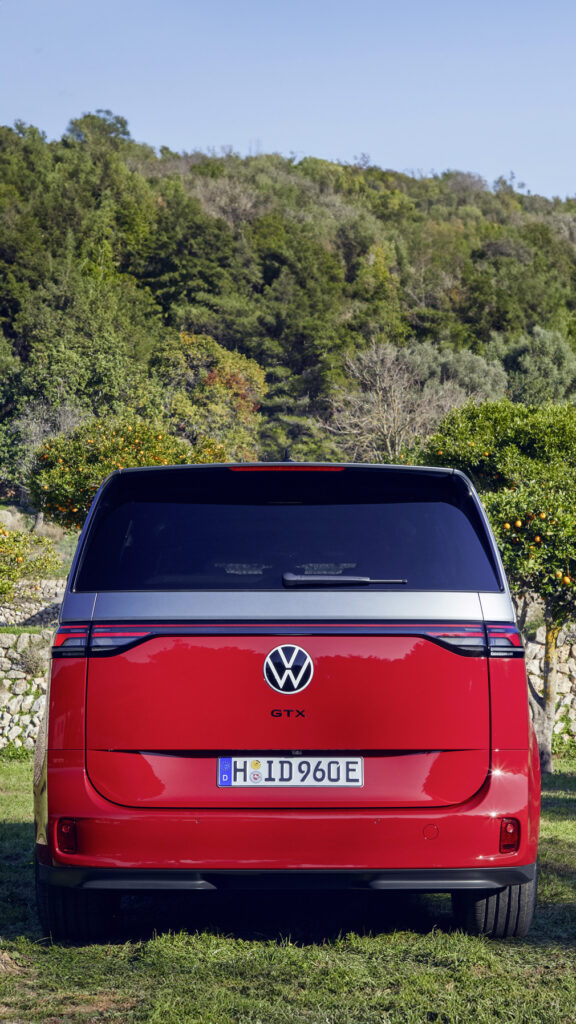
The electric Volkswagen ID. Buzz brings the iconic VW Bulli back to life in a modern package, but its reliability lags far behind the robust T5 and T6 generations. Where the classic diesel vans ran for years without issues, the ID. Buzz struggles with daily software glitches and disappointing build quality. A nostalgic appearance turns out to be no guarantee of the legendary durability of its predecessors.
Is the ID. Buzz very different from the old VW Transporter?
The design links the two models straight away. The ID. Buzz adopts the characteristic loaf-of-bread shape with windows all around, which immediately recalls the Type 2. Both vans have rear-wheel drive and an upright seating position for relaxed cruising. Under the skin, however, the differences are enormous.
At 2,500 kilograms, the ID. Buzz weighs more than 1,400 kilos more than the classic Bulli at around 1,089 kilos. That extra mass comes from the MEB platform, the 79 kWh battery and modern safety systems. The old Bulli still drove with a simple air-cooled engine, while the ID. Buzz has a 210 kW electric motor with 560 Nm of torque. This results in 0 to 100 km/h in 10.4 seconds, whereas the classic version only slowly crept beyond 100 km/h.
The dimensions tell a story too. At nearly 2 metres wide and with a turning circle of 11.1 metres, the ID. Buzz is much larger than its compact predecessor. The classic Bulli was more agile in narrow streets, although the modern electric version still proves surprisingly easy to manoeuvre thanks to the low centre of gravity of the battery. The long-wheelbase version adds another 25 centimetres for extra space.
Why does the ID. Buzz feel cheaper than the T5?
Owners regularly report that the finish falls short of expectations. The T5 and T6 are known for their solid build quality and use of materials, whereas the ID. Buzz, despite a price tag starting at around 50,800 euros, feels less upmarket. Plastics feel lighter and the overall finish lacks the robustness of the diesel generations.
Reliability is an even bigger pain point. The T5 and T6 with their conventional diesel engines often rack up hundreds of thousands of kilometres without trouble. The ID. Buzz, by contrast, suffers from recurring software failures that make everyday use frustrating. The infotainment system regularly glitches, touchscreens respond slowly and updates fail to offer a structural solution.
Technical teething troubles are piling up. Owners report faults with:
- Charging systems that fail to start or cut out halfway through
- Error messages on the dashboard without a clear cause
- Problems with the heat pump in colder months
- Unreliable driver assistance systems that switch off unexpectedly
The T5 offered simple mechanics that kept working well even at higher age. The complex electronics of the ID. Buzz make it more vulnerable to defects, while workshop visits end up being expensive. For a van that is supposed to deliver modern-day reliability, real-world experience is disappointing.
Should you switch from the T6 to the ID. Buzz?
The answer depends on your priorities. The T6 scores higher on reliability and everyday usability. Its TDI engine delivers 450 to 500 Nm of torque, enough pulling power and a stable range without charging stops. Range is not a concern with diesel, whereas the ID. Buzz, with 459 kilometres of WLTP range, remains limited for longer journeys or heavy loads.
The electric van offers advantages in other areas. It drives quietly and provides instant acceleration thanks to its electric drivetrain. Emissions of 0 grams of CO₂ per kilometre save on benefit-in-kind tax and grant access to low-emission zones. For city use or shorter routes the electric drive works very well, but anyone who regularly drives longer distances or carries heavy loads will miss the flexibility of a diesel engine.
Practical considerations also play a role:
- Towing capacity: the ID. Buzz tows a maximum of 1,200 kilos, while many T6 variants manage 2,500 kilos
- Load space: the ID. Buzz offers 1,121 to 2,123 litres in the short version, comparable with the T6
- Charging: 11 kW AC at home is slow, and fast charging at 185 kW DC still takes time and planning
- Maintenance costs: electric is cheaper to maintain, but faults lead to expensive dealer visits
The purchase price is an additional hurdle. From 50,800 euros for the Pro version you pay significantly more than for a comparable T6. Subsidies and lower running costs partly offset this, but the initial outlay remains high. Used examples with low mileage are scarce and expensive.
Space and comfort: progress with compromises
The ID. Buzz offers up to seven seats with modular rows that you can fold flat to create a maximum load volume of up to 4,005 litres in the long version. That flexibility surpasses the classic Bulli, which was iconic above all for camping but less practical for modern families. The spacious cabin and high seating position make long trips comfortable, although some owners miss the simple charm of the old interior layout.
Safety has improved enormously. The classic Bulli had hardly any crumple zone, which became life-threatening in collisions above 50 kilometres per hour. The ID. Buzz comes with modern airbags, stability systems and a reinforced body that absorbs crashes far better. For families this weighs heavily, especially with daily use in busy traffic.
Ride comfort is completely different. The old Bulli offered a zen-like, slow cruise without modern driver aids. The ID. Buzz drives smoothly and quietly, but the constant warning messages and glitchy systems regularly spoil that calm. You barely notice the 2.5-tonne weight while driving, but the electric steering sometimes lacks the direct feedback of the mechanical systems in the T5 and T6.
‘ For business use or holiday trips with a trailer that becomes a practical disadvantage that overshadows the electric benefits. ’
Range and charging: real-world experiences
Consumption is between 20.6 and 22 kWh per 100 kilometres under ideal conditions. In practice this rises towards 25 to 28 kWh on the motorway, in cold weather or with a full load. The heat pump helps save energy, but does not always work reliably. In frost the range drops noticeably, which means longer trips require more planning.
Fast charging at 185 kW DC sounds quick, but going from 20 to 80 per cent still takes half an hour. Many charging stations offer a lower capacity, meaning you are more likely to be waiting an hour and a half. The 11 kW AC charger at home replenishes a fully depleted battery in just over seven hours. That is fine for daily city use, but anyone who suddenly needs to cover extra kilometres soon runs into limitations.
The T5 and T6 refuel in five minutes for 800 to 1,000 kilometres of range. That predictability is missing with the electric van, especially in areas with limited charging infrastructure. For business use or holiday trips with a trailer that becomes a practical disadvantage that overshadows the electric benefits.
Design with recurring faults
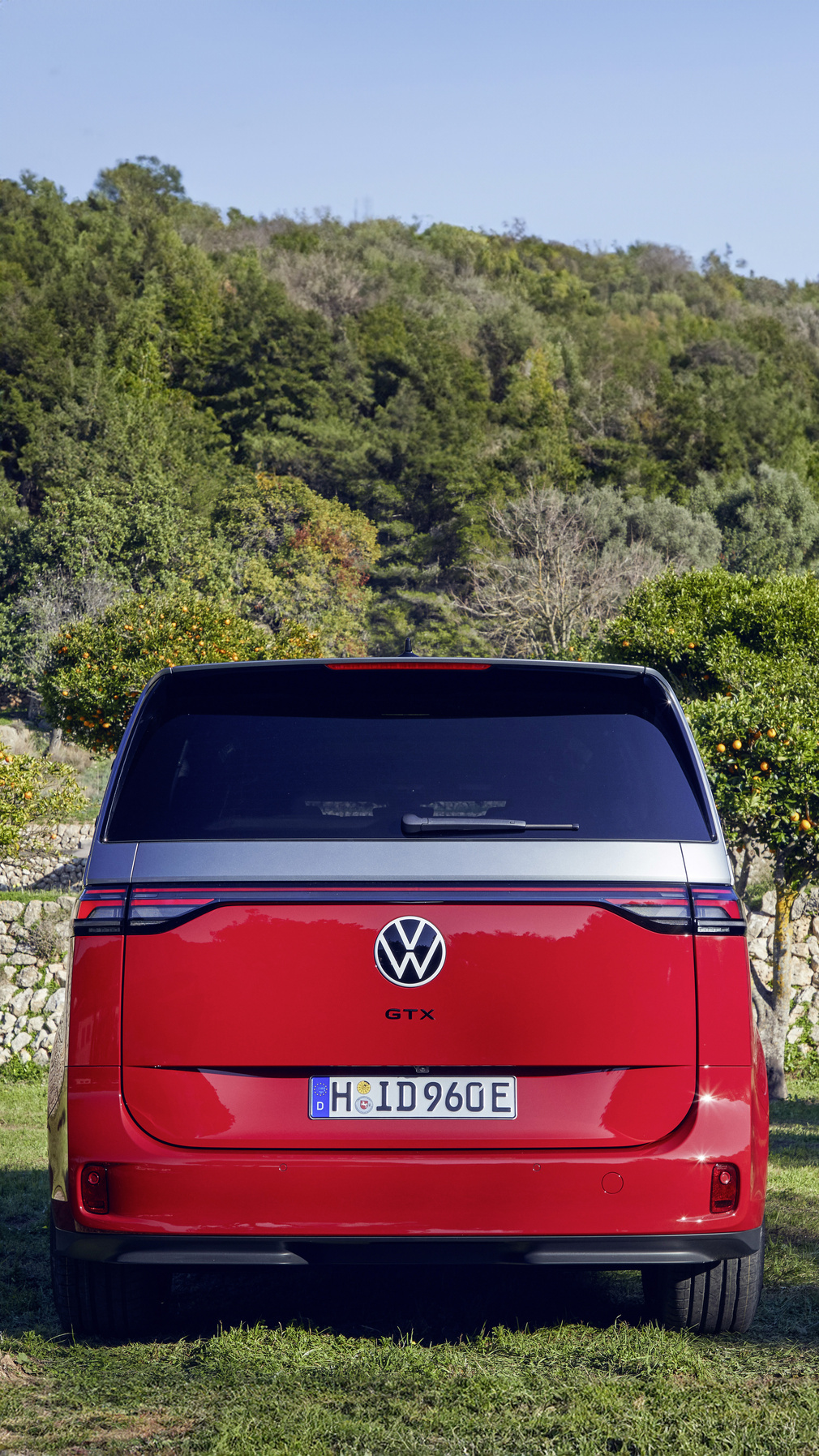
The retro design turns heads, especially with the two-tone paint and 19-inch wheels. The ID. Buzz looks fresh and recognisable, perfect for fans of the classic Bulli aesthetic. However, the looks are purely cosmetic if the technology fails. Daily software errors, unreliable charging systems and driver assistance systems that suddenly cut out make the appealing styling less relevant.
The classic Bulli had its limitations, but owners knew where they stood. Simple mechanics meant predictable maintenance and few surprises. The complex electronics of the ID. Buzz bring uncertainty and frustration, especially when the dealer cannot offer a definitive solution. These reliability issues are the biggest contrast with the legendary durability of the T5 and T6 generations.
On Carnews you will find more information about different generations of Volkswagen Transporters, electric vans and common car problems. Discover which models best suit your situation and read real-world experiences from other owners.
Frequently asked questions
The driving experience of the ID. Buzz is much quieter, more powerful and more comfortable than that of the classic VW Bulli, with modern safety systems and a smooth electric drivetrain. Whereas the classic Bulli mainly offers a zen-like, slow cruise, the ID. Buzz feels much brisker and more relaxed in today’s traffic. The high, upright seating position and panoramic view do strongly recall the iconic bus feeling of the Bulli. As a result, the ID. Buzz retains a large part of the nostalgic atmosphere, but wraps it in a clearly more modern and heavier-feeling driving experience.
The ID. Buzz directly takes over the characteristic ‘bread van’ shape with short overhangs and a large glass area all around from the classic Bulli. The friendly, almost vertical nose with the large centrally positioned VW logo and the clear horizontal lines also refer to the original. The optional two-tone paint with a clear dividing line around the beltline is a direct nod to the classic T1/T2. In addition, the minimalist, light and very spacious interior exudes the same functional van-and-lounge vibe as the old Bulli, but with modern materials and technology.
The electric drivetrain of the ID. Buzz offers a different interpretation of ‘freedom’ and ‘spirit of adventure’ than the classic Bulli with its petrol or diesel engine. Where the old Bulli mainly delivered raw simplicity, a mechanical feel and the ability to keep driving after a quick refuel, the ID. Buzz offers quiet power, brisk acceleration and far more safety and comfort. Range and charging times require more planning than a fuel stop, but in return you travel in near silence and with zero local emissions. In that sense, the ID. Buzz preserves the spirit of adventure but translates it into a more modern, more sustainable kind of freedom.
In daily use, an ID. Buzz drives more quietly, faster and more comfortably, with far more safety systems and better crash protection than a classic Bulli. You have modern conveniences such as infotainment, driver assistance systems, climate control and fast charging, while in the Bulli you are travelling in a much more basic and mechanical way. The ID. Buzz offers more flexible seating and load space, more power and higher cruising speeds, whereas the Bulli is mainly suited to relaxed trips. However, the ID. Buzz is heavier, wider and more expensive, while the classic Bulli feels more compact, simpler and more “old-school”.
The ID. Buzz is very successful visually and in terms of ambience at capturing the soul of the original Bulli, with its loaf-of-bread shape, large windows and relaxed, high seating position. At the same time, it is technically a completely new, future-focused concept: fully electric, with a modern MEB platform, extensive safety systems and high efficiency. Where the classic Bulli offered calm and simplicity, the ID. Buzz adds quiet, powerful performance and significantly more comfort and safety. As a result, it feels like a recognisable heir, but clearly a Bulli of tomorrow rather than yesterday.