
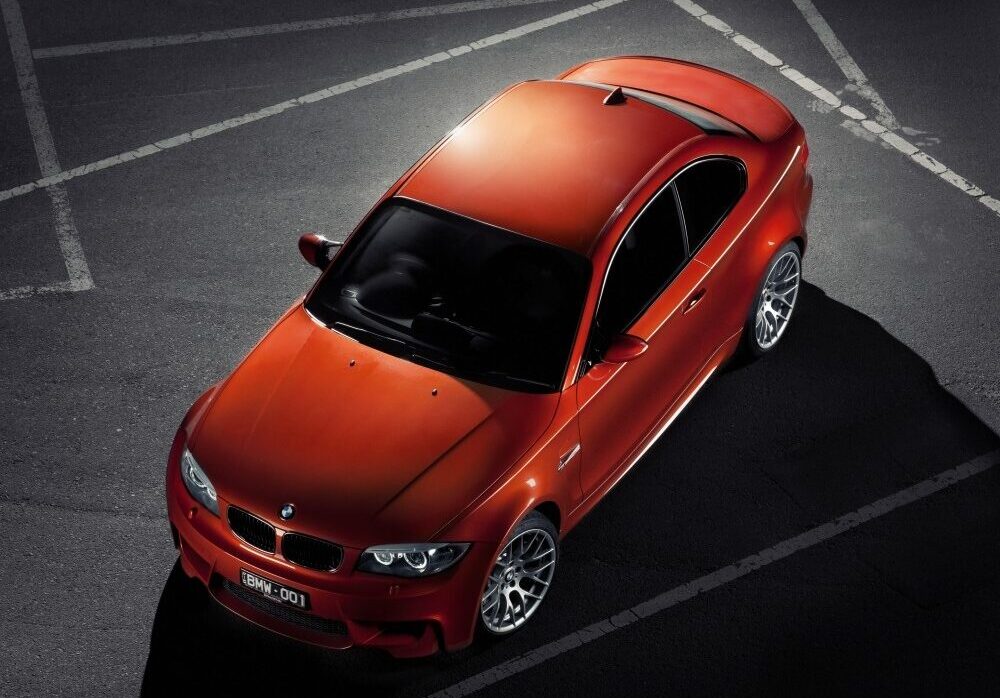
Rust formation on the BMW 1 Series is not the exception but rather the rule with older models. The underside, wheel arches and rear axle of the E87 and E81 generation are particularly susceptible to corrosion, often to the point that critical components need to be replaced. Anyone considering or already owning a second-hand example would be wise to carefully check these vulnerable areas.
Where rust forms the fastest
The BMW 1 Series suffers from rust problems in specific locations. The rear axle and the suspension components are the biggest weak spots on the BMW 1 Series. Inspections underneath the vehicle regularly show rust literally falling off at the touch, a clear sign of advanced corrosion.
Other problematic areas are the wheel arches, where moisture and salt easily accumulate. The exhaust pipes often show rust, although holes occur less frequently than in the suspension components. The differential assembly is also extremely prone to rust and deserves attention at every service.
Brake hoses with metal sections often rust to such an extent that they can break. This calls for replacement as soon as corrosion becomes visible. In severe cases, chassis components can even develop holes due to years of exposure to moisture and road salt.
‘ Owners regularly report frustration about this quality issue on relatively young vehicles. ’
Known manufacturing issue with seat frames
In addition to rust on the underside, the BMW 1 Series has a specific manufacturing issue with the seat frames. Vehicles built before November 2012 suffer from rust formation on the underside of the seat frames. This arose because the protective coating was not applied correctly during assembly.
The rust ranges from light surface spots to severe deterioration of the metal. Owners regularly report frustration about this quality problem on relatively young vehicles. The recommended solution is to replace the entire seat frame with components from later production series that do have the correct protective coating.
How to prevent rust
Prevention starts with regular checks and maintenance. Inspect the underside of your BMW 1 Series every year, paying special attention to the rear axle, wheel arches and the differential assembly. Make sure you also look under the seats, especially if your car was built before November 2012.
An oil-based treatment on rust-prone components helps to counter further corrosion. Apply this to:
- All screws and bolts of the suspension and subframe assembly
- The rear axle and differential assembly
- Metal parts of brake hoses
- Chassis components with early signs of rust
Keep your vehicle clean on a regular basis, especially after winter journeys on salted roads. Rinse the underside thoroughly and make sure the wheel arches are completely cleaned. Dry, indoor storage protects against moisture, which is the main cause of corrosion.
Rust checks when buying second-hand
Anyone considering a second-hand BMW 1 Series E87 or E81 should thoroughly inspect the rust-prone areas. Start with the rear axle and see whether rust comes loose at a light touch. Then check the inner sides of the wheel arches for rust formation and pitting in the metal.
Crawl under the car and look at the differential assembly and chassis components. Watch out for holes or areas where the metal is clearly affected. Inspect the brake hoses and their metal fittings for corrosion. If in doubt, ask for a professional service in which the vehicle is placed on a lift.
Also look under the seats for rust on the seat frames. This problem is mainly relevant for cars built before November 2012. A severely affected frame often means an expensive replacement in the short term.
‘ Damaged paint layers are a risk because they give rise to further rust formation. ’
Paintwork and body damage
In addition to rust issues, the BMW 1 Series also has complaints about the paintwork. Owners report that the paint can peel and that damage can worsen during cleaning. This points to possible problems with the application or quality of the original paintwork.
Damaged paint layers pose a risk because they can lead to further rust formation. Water and salt penetrate the metal through small cracks and cause corrosion under the paint. When buying or maintaining a car, pay attention to areas where the paint is peeling or shows dull patches.
Damage to bumpers and body panels requires professional repair work to keep the vehicle in good condition. Have damage repaired in good time to prevent bigger problems.

Practical approach for current owners
If you already own a BMW 1 Series, schedule annual inspections of the vulnerable areas. Make this part of your regular maintenance schedule and ask the garage to specifically check the rear axle, wheel arches and suspension components. Request a detailed report of any rust spots found.
Parts with early signs of rust can often still be treated with anti-rust products. When rust is already far advanced and parts come loose at the touch, replacement is the only safe option. This applies in particular to safety-related components such as the rear axle and brake hoses.
Document the condition of your car with photos and notes. This helps you to monitor the development of rust spots and, in the event of a sale, to be transparent about the condition of the vehicle.
More information about BMW issues
Rust and bodywork problems are just one aspect of owning a BMW 1 Series. On the Carnews website you will find extensive information about other common problems, maintenance tips and owner experiences. Discover more about your BMW and stay up to date with the latest insights for car enthusiasts.
Frequently asked questions
On the BMW 1 Series, rust spots often appear on the undersides of the seat frames (especially on examples from before November 2012) and on the suspension and rear axle, including brake hoses, differential and various chassis parts. You can detect these at an early stage by regularly looking under the seats for brown or flaking patches on the metal and checking under the car for peeling rust flakes, metal that looks porous, or damp dirt build-up around the rear axle and mounting points. Also watch out for early paint damage or flaking paintwork on body panels, because open paint can quickly lead to visible rust spots. An annual inspection on a lift or in an inspection pit helps to uncover hidden rust at an early stage.
BMW 1 Series owners can minimise rust formation by having the suspension and subframe (particularly rear axle, differential and brake hoses) cleaned, inspected and preventively treated with rust-inhibiting oil or wax every year. Having any paint damage repaired immediately prevents moisture and salt from reaching the metal and causing corrosion. Regular, thorough washing, including the wheel arches and underside, and keeping the car indoors and dry as much as possible reduce exposure to moisture and road salt. For older models (before November 2012), it is advisable to check the seat frames for rust and, if necessary, have them preventively replaced with improved, coated versions.
Early BMW 1 Series models (E87) in particular, and examples of the 1 and 3 Series built before November 2012, are especially prone to rust, particularly on seat frames and suspension/rear axle. On these model years the protective coating on some metal components was not applied adequately, causing corrosion to occur more quickly. Brake lines, the differential and various chassis components can also rust more than average on these older models. Regular inspection of the suspension and seat frames is therefore especially important on these model years.
The best methods for repairing rust on the bodywork of a BMW 1 Series are: completely grinding or blasting the rust away down to bare metal, derusting with a chemical rust converter, then priming, filling, sanding and professionally respraying, or (in the case of severe rust) cutting out affected areas and welding in replacement panels and finishing them. For small, superficial rust spots on wheel arch edges or sills, professional costs are usually roughly between €150 and €400 per spot, depending on paintwork and disassembly. For larger areas (for example complete wheel arches, sills or the lower edges of doors), you should reckon with around €400 to €900 per panel. In cases of severe structural corrosion where welding, extensive disassembly and reassembly and comprehensive respraying are required, total costs can easily rise to €1,000–€2,500 or more.
Rust and body damage significantly reduce the residual value of a BMW 1 Series, because they indicate neglected maintenance and potentially high future repair costs. Severe rust on load-bearing parts (such as the rear axle, chassis or brake lines) can lead to failure at the MOT test, because road safety is compromised. Superficial rust or minor cosmetic damage has less impact on the MOT, but still reduces the value when part-exchanging or selling. Timely repair and treatment of rust and body damage is therefore important to safeguard both the residual value and MOT approval.