
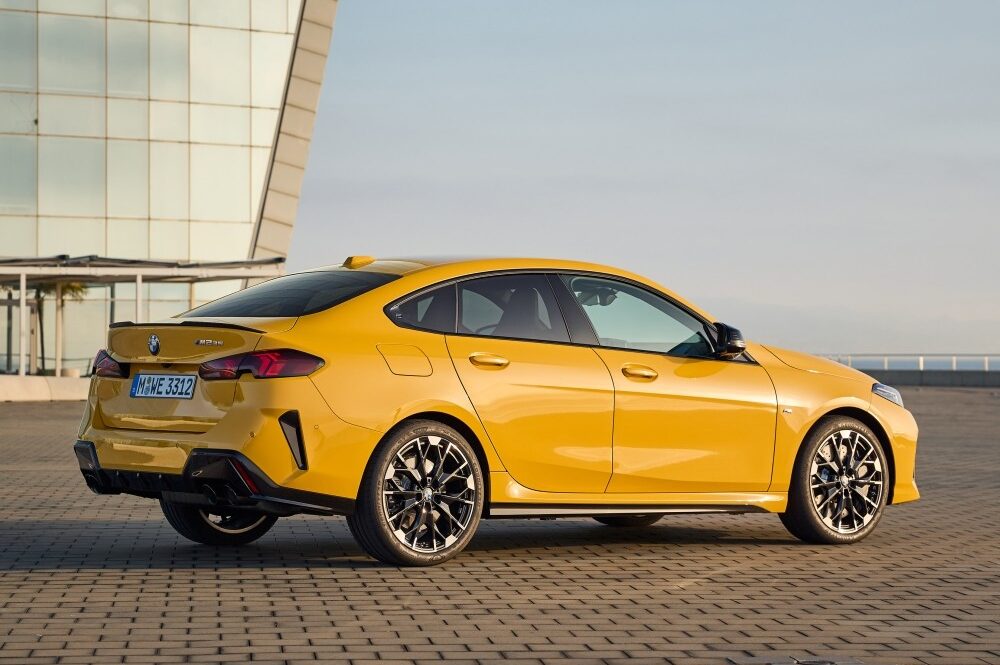
The BMW 2 Series Active Tourer suffers from rust in critical areas, especially on models from 2014 onwards. On the underbody, wheel arches and sills you often see corrosion after five to seven years, even on used cars that appear to have been properly maintained. BMW calls it harmless wear and tear, but real-world experience shows otherwise. Find out what to look out for with this popular MPV.
Rust is a recurring problem with the Active Tourer. This is especially true for cars that are used daily in wet or coastal regions. It often starts invisibly under protective coatings. It works its way from the inside out. Are you considering a used car or are you already an owner? Then it is important to know the rust-prone areas. You can find more general information on common issues in the BMW 2 Series section.
Does the BMW 2 Series Active Tourer suffer from rust?
Yes, the Active Tourer frequently shows rust. This mainly affects first-generation models after several years of use. The first generation bears the model code F45/F46 and ran from 2014 to 2024. The vulnerability is due to insufficient factory protection on seams and welds. In addition, exposure to salt, moisture and stone chipping plays a part.
The most affected areas are the underbody and wheel arches. Dirt accumulates here and traps moisture. Corrosion therefore progresses quickly. Road salt in winter accelerates this process significantly. Rust can also form in the door frames and under the sills, often due to factory paint. This factory paint becomes porous over time. You see this more often on cars with high mileage (over 100,000 km) or those used in coastal areas.
Specific engine variants have additional risk factors. The N20 petrol engine and the N47 diesel engine from 2014–2015 show oil leaks and coolant loss. This leads to corrosion around the engine block and battery housing. Rust patches also develop near the rear axle and exhaust area due to heat and condensation.
Recognising rust problems on the Active Tourer
Early detection prevents expensive damage. Check the underside of the car once a year, preferably on a lift or with an inspection lamp. Pay attention to these areas:
- Underbody and mounting points: Look for rust bubbles or flaking around wheel arches and subframes
- Sills and door frames: Inspect for white rust or pitting on the inside, often hidden under rubber seals
- Rear axle and exhaust: Look for discolouration or perforation around mounting points and bolts
- Engine bay: Check for damp patches or orange deposits near the water pump and coolant reservoir
Owners report that rust sometimes only becomes noticeable when clunking noises start to appear at the rear axle. These noises are caused by badly rusted-through bolts. On a cold start, rattling can indicate timing chain issues. It can also point to rust-related engine problems. Also test for overheating, which may indicate a leaking water pump that is damaging surrounding components.
When buying a used car, ask for an underbody scan or rust report. Check the service history for preventive treatments. Cars without proof of rust protection are at higher risk. Such proof consists of paperwork or stickers showing that a preventive treatment has been carried out. Plug-in hybrids from 2022 onwards show fewer problems thanks to improved sealing. Do still check the battery housing for moisture ingress.
Rust prevention for the BMW 2 Series
Prevention starts with regular cleaning. After every winter season, thoroughly rinse the underside with a pressure washer. Remove salt from wheel arches and seams. Also remove dirt from these areas. Treat exposed spots immediately with a rust converter before you apply a new protective coating.
An annual inspection of vulnerable areas helps you spot early damage. Use a brush to remove loose rust. Then apply protection. For cavities and door frames, treatment with rust-inhibiting products such as Waxoyl or Dinitrol is effective. This corrosion-resistant wax creeps into seams and provides long-lasting protection from the inside out.
Technical measures reduce rust risks. Replace weak water pumps preventively with reinforced versions. This prevents leaks and moisture damage. Regularly check the rear axle bolts. Tighten them to the specified torque to limit vibrations and wear. When you replace the battery, register the new one. This prevents sulphate build-up on the battery plates and the resulting corrosion.
Points of attention for different model years
Models built before 2018 have the most rust problems. The early production years ran from 2014 to 2015. These had insufficient protection on critical weld points. The N20 and N47 engines from this period are extra sensitive due to leaks that accelerate corrosion.
From 2018 onwards, BMW improved the sealing on the chassis and door frames. BMW also improved the protective coating on these parts. These cars show less rust, provided they have been regularly maintained. The mild-hybrid and plug-in hybrid variants (from 2022) have even better protection. A mild hybrid has a light hybrid drivetrain that supports the combustion engine. Even on these variants, checks remain necessary.
For used cars with high mileage, preventive rust treatment is recommended. Expect to pay between 500 and 1,500 euros for such a treatment. This is a sensible investment that extends the life of the car and protects its residual value. Owners who carry out proactive maintenance keep their Active Tourer rust-free for longer.
‘ A dry storage place or garage slows down rust formation considerably. ’
Practical tips for current owners
Keep a maintenance schedule. Record rust inspections in it. Note where and when you have found rust and which treatment you applied. This helps you monitor weak spots. It also gives insight into how effective the measures are.
Wash your car regularly, especially after driving on gritted roads. Pay attention to wheel arches and sills. Allow these areas to dry thoroughly to avoid moisture build-up. A dry storage place or garage slows down rust formation considerably.
Do not use aggressive cleaning agents on bare metal parts. These can damage protective layers. Choose pH-neutral products suitable for painted surfaces. They are also suitable for galvanised surfaces, which are parts treated with zinc to prevent rust. After cleaning, ideally apply a protective spray to exposed areas.
Costs and options for dealing with rust damage
You can treat small rust spots yourself. Use a rust converter, a product that turns rust into a stable layer. Then apply a touch-up stick to seal the area. This costs a few tens of euros and prevents further spread. For more extensive damage to sills or wheel arches, you will need professional help. Repairs can then rise to several hundred euros per area.
In cases of severe perforation of chassis parts or mounting points, the costs are much higher. Replacing affected parts can exceed a thousand euros, depending on the component and labour time. Have this work carried out by a specialist with experience of BMW models.
Prevention is always cheaper than repair. An annual cavity wax treatment costs around one hundred euros at a specialist, or less if you do it yourself. This investment prevents expensive damage and preserves your car’s overall condition.
Find out more about the BMW 2 Series
On the Carnews website you will find extensive information about common problems with BMW models, maintenance advice and tips for buying a used car. Discover more articles on the 2 Series and other BMW models to stay well informed about your car.
Frequently asked questions
Rust on the BMW 2 Series Active Tourer occurs regularly, especially on older model years and in harsher climates, but it is not seen as a universal, structural factory defect. It usually concerns rust on known weak spots such as the underbody, wheel arches and sills, which worsens due to salt, moisture and a lack of protection or maintenance. Owners mainly report it on cars of around 5–7 years old, which points to usage and environmental influences. Overall, the picture is more a combination of known points of attention and use conditions than a failed design on all cars.
Rust on the BMW 2 Series Active Tourer occurs most frequently on the underbody and in the wheel arches, especially around mounting points where dirt and stone chippings accumulate. The sills and door frames are also vulnerable because dirt and moisture collect inside them. Corrosion is also common around the rear axle and exhaust due to heat, condensation and spray from the road. In the engine bay you often see rust around the engine block and the battery housing when there are leaks from the water pump or cooling system.
The main causes of rust on the BMW 2 Series Active Tourer are insufficient factory protection on seams, welds and vulnerable areas on the underside and in the wheel arches, combined with long-term exposure to moisture, road salt and accumulated dirt. In addition, stone chipping and increasingly porous paint layers around door frames and sills play a part, as they allow the metal to be attacked more quickly. On early model years, oil leaks and coolant leaks (around the water pump and cooling system, among other places) also cause accelerated corrosion in the engine bay and under the car. Design-related factors such as cavities that are hard to clean and poorly draining areas aggravate these problems.
Prevent rust by inspecting the underside, wheel arches, sills and door frames at least once a year and thoroughly cleaning the underbody with (preferably warm) high-pressure water after winter to remove salt and dirt. Have vulnerable areas (underbody, wheel arches, seams and cavities) treated preventively with a rust-inhibiting product such as Waxoyl or Dinitrol and repair stone chip damage in the paint immediately. Pay extra attention to the area around the rear axle, exhaust and engine bay (including water pump/cooling system) and fix leaks straight away to minimise flash rust and corrosion. When buying a car or at higher age, a professional rust inspection and full underbody coating (including cavity treatment) can be worthwhile to significantly slow down future rust formation.
Repairing visible rust spots and localised rust damage on a BMW 2 Series Active Tourer usually costs between roughly €500 and €1,500, depending on the extent and chosen treatment. For more serious rust on the underbody, wheel arches or sills, costs can rise sharply due to welding and respraying work. Untreated rust has a clear negative impact on residual value, because potential buyers factor in higher future costs. A well-documented, professional rust treatment can limit depreciation and makes the car easier to sell.
Rust problems on the BMW 2 Series Active Tourer are generally only covered by the factory warranty if they concern perforation from the inside out and occur within the official warranty period, not in the case of superficial or use-dependent rust. BMW assesses complaints on a case-by-case basis via the dealer, often with an inspection and photo report sent to the importer. Where there are demonstrable manufacturing or material defects, (partial) reimbursement of costs or a repair may be offered. Outside the warranty period, or where maintenance has been poor, rust is usually regarded as wear-and-tear damage and the costs remain with the owner.