
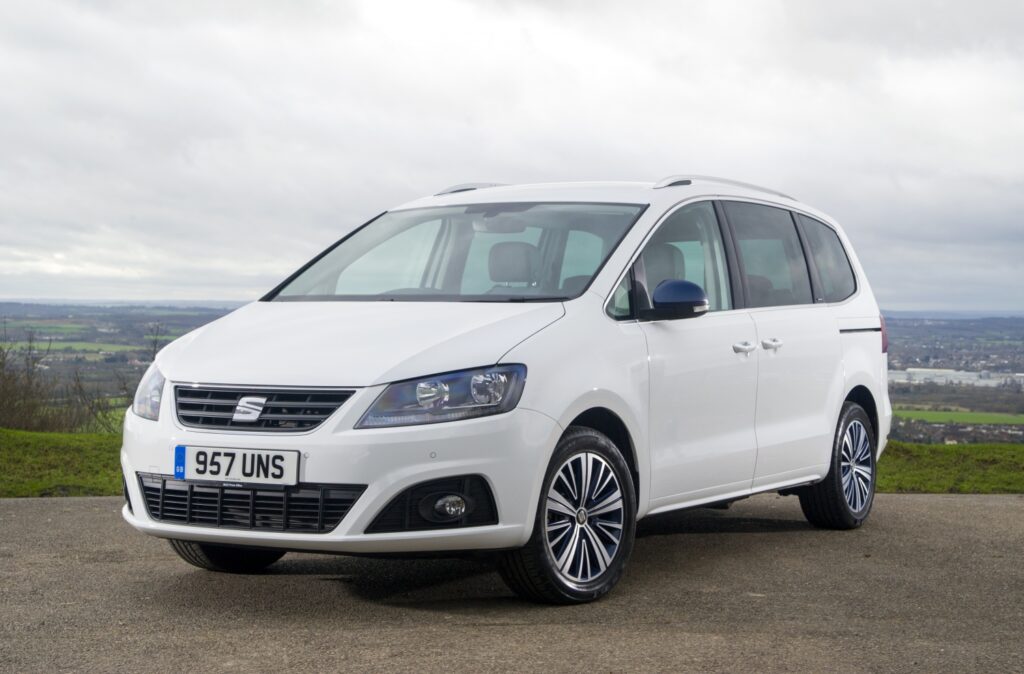
The Seat Alhambra is generally a reliable family car without major factory recalls. Do make sure you do not neglect the regular maintenance. Owners rate reliability at an average of 8.33 out of 10, which shows that this spacious MPV remains a solid choice for families. Many common issues can be prevented with consistent maintenance in line with the manufacturer’s schedule. Want to know exactly what you need to look out for?
Is the Seat Alhambra reliable?
The reliability of the Alhambra varies by model year. Recent models from 2017 and 2018 show on average between 2.3 and 2.7 faults per car. Older examples from 2010 score less well, with an average of 4.5 faults per vehicle. This pattern suggests that more modern Alhambras are more reliable. However, well-maintained older models can still perform perfectly well.
The Seat Alhambra has not had any significant factory recalls, which is a positive sign. The key to long-term reliability lies in preventive maintenance and timely repairs. Owners who have their Alhambra serviced in line with the maintenance schedule experience fewer problems than those who postpone maintenance.
Users rate various aspects as follows:
- Reliability: 8.33/10
- Comfort: 8/10
- Performance: 7.63/10
- Maintenance: 7.43/10
- Maintenance costs: 7.08/10
These figures confirm that the Alhambra is a family car that does what you may reasonably expect, without major surprises.
‘ These problems are usually easy to prevent with regular checks. ’
Which maintenance-related problems are most common?
During MOT tests (periodic vehicle inspections), the same issues are regularly flagged up. These problems are usually easy to prevent with regular checks.
Most common inspection issues
Tyre pressure tops the list. In 32% of inspections, the pressure turns out not to be set to the correct value. This increases fuel costs and affects road holding. Insufficient tread depth occurs in 14% of inspections, which poses a safety risk.
On 12% of Alhambras the dipped beam is incorrectly adjusted. This can dazzle other road users or provide too little visibility. The windscreen wiper system provides insufficient visibility in 9% of cases, often due to worn wiper blades or an empty washer fluid tank.
Technical components with a limited service life
The DSG gearbox (dual-clutch automatic) can show juddering and delays when changing gear. This occurs mainly between 80,000 and 120,000 kilometres. This is a known weak point that requires regular gearbox maintenance. Have the gearbox checked in good time and replace the transmission oil according to the manufacturer’s schedule.
The air-conditioning compressor (the component that drives the air conditioning) is another critical part. This component often causes problems between 70,000 and 100,000 kilometres. Defective air conditioning leads to costly repairs, so it is worth having the system checked annually and the refrigerant topped up.
Early TSI petrol engines (direct-injection turbo petrol engines from Seat/Volkswagen) can suffer from problems with the individual ignition coils per cylinder. This manifests itself in rough running and vibrations. If in doubt, check the spark plugs and coils and have them replaced if necessary.
Electrical systems
The electric tailgate can jam or cause starting problems. This often occurs between 40,000 and 60,000 kilometres and is caused by software faults or wear. Touchscreen failures occur between 20,000 and 30,000 kilometres, where the display no longer responds correctly or cuts out.
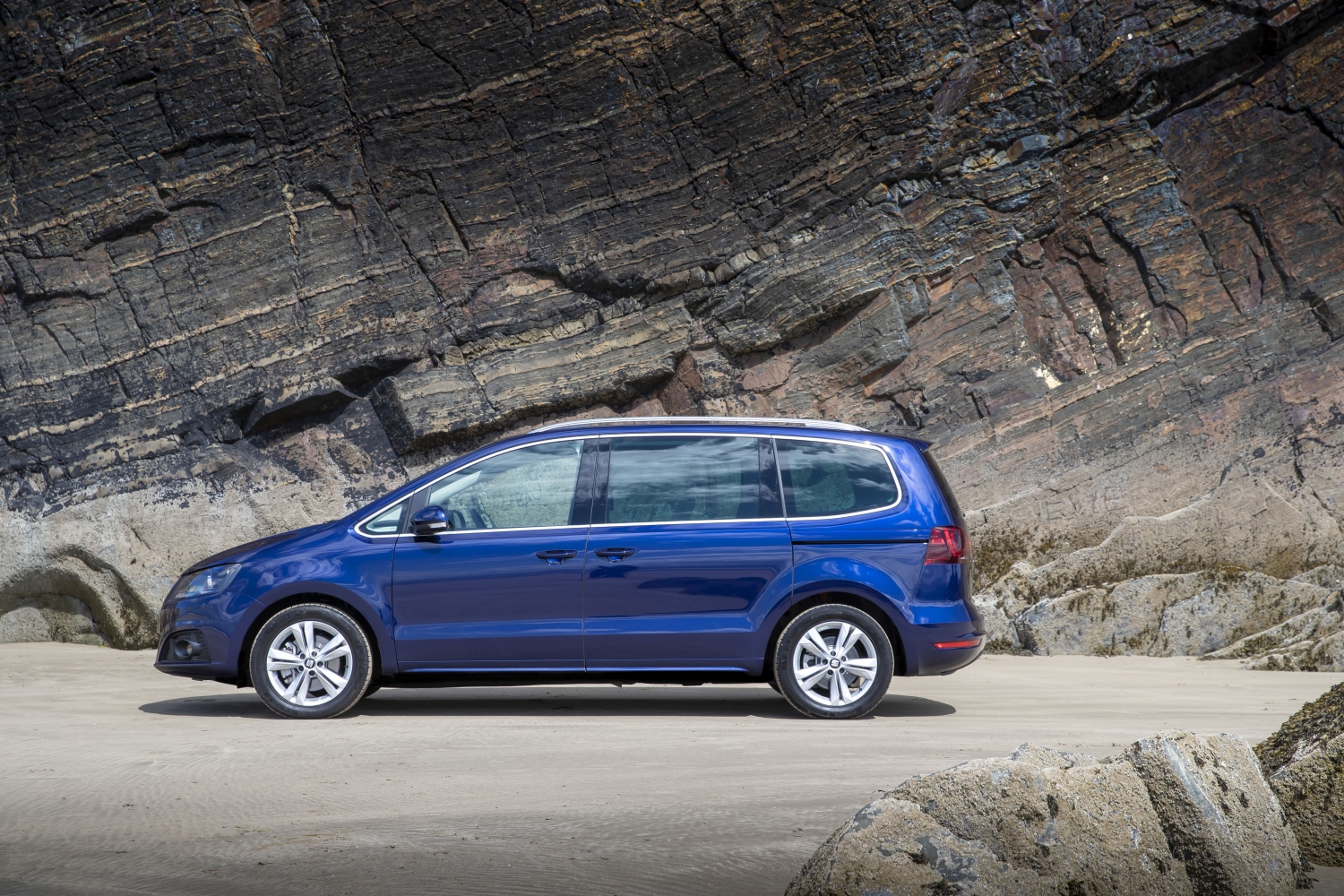
How much does annual maintenance for the Seat Alhambra cost?
For a vehicle of this size, the annual maintenance costs are relatively reasonable. A standard service including oil change, filters and inspection costs on average between 200 and 400 euros. This depends on the engine type and how often it is serviced. Diesel engines are generally slightly more expensive to maintain due to additional filters and fluids.
On top of that, you need to factor in periodic replacements. Brake pads and discs cost between 300 and 600 euros, depending on whether they are for the front or rear axle. Tyres for the Alhambra range from 400 to 700 euros for a complete set of four.
Costly repairs
Some components involve higher costs. A defective DSG gearbox can amount to 2,000 to 4,000 euros for a rebuild or replacement. Replacing the air-conditioning compressor costs on average 600 to 1,200 euros, including labour and refrigerant.
Preventive maintenance is therefore the best investment. Through regular checks and timely replacement of wear parts, you prevent small issues from developing into expensive repairs. Owners who do this consistently rate the maintenance costs at 7.08 out of 10, which indicates that the costs remain under control.
Which used models are high-risk?
Older Alhambras from 2010 and the surrounding years show more faults. These examples have an average of 4.5 faults per car. Models from 2017 and 2018 have between 2.3 and 2.7 faults. For older models, pay extra attention to the condition of the DSG gearbox and the air-conditioning compressor.
TSI petrol engines from the early model years more often suffer from coil problems. When buying, check whether these parts have been replaced recently. Always ask for the service book and check whether the vehicle has been maintained according to schedule.
Key points to check when buying
When buying a used Alhambra, the following checks are recommended:
- Check whether the vehicle has been maintained according to the manufacturer’s schedule
- Have a thorough inspection of the DSG gearbox carried out, especially on cars with more than 80,000 kilometres
- Test the air conditioning to ensure it works properly and ask about recent servicing
- Check that the electric tailgate operates smoothly
- Verify that the infotainment system works without faults
- Inspect the tyres for wear and check the tyre pressure
Models with an incomplete service history carry more risk. An Alhambra without verifiable services may have hidden problems that only become apparent after purchase.
‘ Act proactively. ’
Strengths that support reliability
The Alhambra also has several factors that contribute to long-term reliability. The solid finish of the interior and exterior ensures that parts wear less quickly. The comfortable suspension is resistant to normal wear and tear and offers a pleasant driving experience.
The practical sliding doors are less likely to get damaged than conventional doors, especially in families with children. The safety features generally work well and require little maintenance. The Alhambra offers up to 2,610 litres of luggage space, and this generous interior continues to suit large families.
This combination of practical features and dependable core engineering makes the Alhambra a family car that will last for years, provided you take maintenance seriously and act in good time when you spot signs of wear. Act proactively. That way you save yourself expensive repairs and preserve the value of your car.
On the Carnews website you will find much more information on maintenance tips, common car problems and practical advice for various makes and models. Discover which experiences other owners share and get clarity about the car that suits you.
Frequently asked questions
Common technical problems with the Seat Alhambra include, on early TSI petrol engines from the first model years, more frequent failure of ignition coils, and on cars with a DSG gearbox, jerky or delayed gear changes around 80,000–120,000 km. Regardless of engine variant, failing air-conditioning compressors are relatively common around 70,000–100,000 km. On different model years there are also known points to watch concerning the electric tailgate and touchscreen/infotainment faults. As the model years become more recent (from around 2017–2018), the average number of faults per car is lower than on examples from around 2010, provided maintenance has been carried out according to schedule.
The maintenance costs of a Seat Alhambra are experienced by owners as average for a large family MPV. Be prepared for potentially more expensive work on the DSG gearbox (if there are problems with juddering or delays) and the air-conditioning compressor, which fails relatively often. Electrical features such as the electric tailgate and the infotainment system can also be costly if they develop faults. Regular maintenance in line with the manufacturer’s schedule helps to limit unexpected high costs.
The Seat Alhambra scores well on reliability and is experienced by owners as a durable family car, provided maintenance is carried out strictly according to schedule. Under intensive use (high mileage, often heavily laden or towing), the engine and suspension generally hold up well, but the weak points are mainly the DSG gearbox and air-conditioning compressor, which can become expensive at higher mileages. The interior and bodywork are hard-wearing enough for intensive family use. As a tow car or family car, the Alhambra is therefore suitable for a long service life, but a complete service history and preventive checks on the DSG, air conditioning and electrics are crucial.
Car enthusiasts can regularly check tyre pressures themselves and set them to the prescribed values, as this reduces both wear and the likelihood of a breakdown. Checking and replacing wiper blades in good time and cleaning the windscreen (front and rear) prevents poor visibility and overloading the wiper motor. It is also sensible to check the lights regularly (especially dipped beam) and to adjust or have them adjusted correctly, so that electrical faults and MOT failures are reduced. Finally, periodically carrying out visual checks for tyre wear and signs of leaks around the engine and air conditioning helps to detect early problems and prevent more serious faults.
Recommended measures include timely servicing according to the manufacturer’s schedule, including regular oil and filter changes and checking spark plugs and coils on TSI engines. Have the DSG gearbox checked periodically and, where applicable, have the gearbox oil changed on time to prevent shifting problems and costly overhauls. Check the air conditioning (especially the compressor) regularly to make sure it functions correctly and to avoid failures and high repair costs. In addition, keep a close eye on tyre pressure and tread, lighting and wipers to spot wear in good time and prevent consequential damage.