
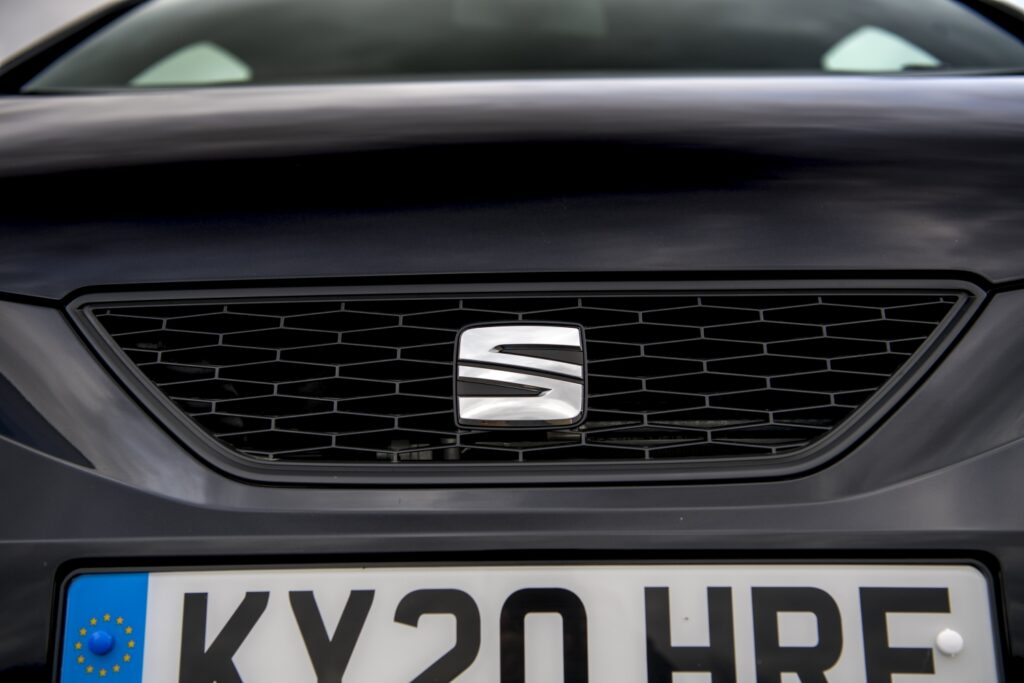
The Seat Mii is an economical city car with low purchase costs, but early models suffer more often from faults in the transmission, fan, ignition coils and suspension. With the right checks and by choosing a younger example, you can buy a reliable used car at a sharp price. Discover what to look out for to avoid disappointment.
Why the Seat Mii is a smart choice
The Seat Mii shares its technology with the Volkswagen up! and Skoda Citigo, but is often a few hundred euros cheaper. This compact three-door or five-door hatchback was built in Slovakia between 2012 and 2022. The model is 3.55 metres long and perfect for city use.
There are more than 200 examples available on the used market. The average price is around €6,800 for a 2013 petrol version with roughly 122,000 kilometres. Early models from 2012–2015 start at about €5,000. The wide choice makes it easy to compare and find a car with a verifiable service history.
If you want to know which Seat Mii problems occur most often, it’s worth reading on. Knowing the weak spots saves you repair costs.
‘ Repairs at a dealer are relatively cheap, but give you room to negotiate if something is faulty. ’
What to look out for with a used Seat Mii
Check the following points carefully on every test drive. These components regularly cause problems on early models.
Transmission and gear shifting
The five-speed manual gearbox is generally reliable. Watch out for clutch slip or hesitation when changing gear. The ASG automated manual is fitted to only 8% of used cars and can shift jerkily or vibrate at low speeds. Ask whether the transmission oil has been changed according to schedule.
Fan and air conditioning
The air-con fan can fail or blow lukewarm air, especially after 100,000 kilometres. Steamed-up windows occur due to weak ventilation. Test the air con on all settings during the test drive. Repairs at a dealer are relatively cheap, but give you room to negotiate if something is faulty.
Ignition coils and ignition system
Early models sometimes struggle with problems in the ignition coils. Symptoms include hesitation under acceleration, an uneven idle or an illuminated engine warning light. Ask about any repairs carried out and check the MOT report for notes about engine behaviour.
Suspension and running gear
Creaking noises when steering or over bumps point to worn bushes or shock absorbers. Check the wheel bearings by rocking the front wheel while the car is on the lift. Ask about the replacement history of suspension components.
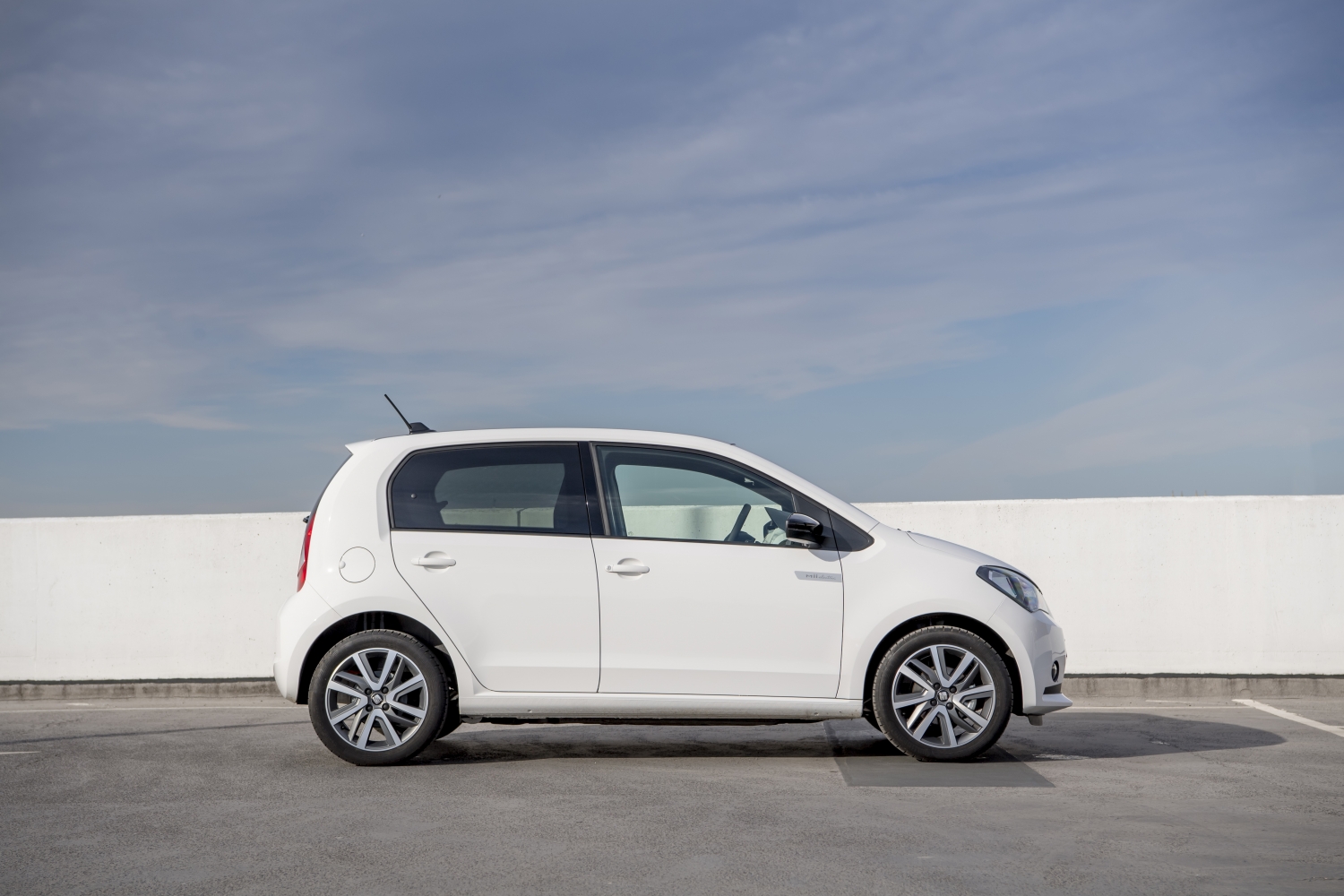
Most reliable model years for a used Seat Mii
Models from 2018 onwards show fewer electronic faults and have an improved radio and navigation system. The early versions from 2012–2015 are the most failure-prone due to teething troubles in the electronics. The camshaft sensor can become dirty, leading to starting problems.
Ideally choose an example from 2018 or newer. These often also have a more complete service book because owners tended to be more conscious about maintenance. Avoid cars without a service history or with large gaps between services.
Electric Mii from 2019
The Mii Electric has a 36.8 kWh battery and a WLTP range of 260 kilometres. The electric drivetrain is more reliable than petrol because there are fewer moving parts. Ask a specialist to carry out a battery check to confirm the remaining capacity. Charging times are reasonably quick for a small city car.
Checklist for a used-car inspection
Go through these points before you buy a Seat Mii. A thorough check prevents expensive surprises.
- Check the service book for a complete maintenance history and timely timing belt replacement.
- Ask for the latest MOT report and look for comments about suspension, brakes or exhaust.
- Test air conditioning, radio and navigation thoroughly during a long test drive.
- For petrol models, aim for a mileage under 150,000 kilometres.
- Drive both in town and on the motorway to test engine behaviour and gear changes.
- If in doubt, have an independent garage carry out a cold start and compression test.
- Check the 251-litre boot by folding down the rear seat and seeing if the space suits your needs.
Engine choice and performance
The 1.0-litre three-cylinder petrol engine comes in two versions: 60 hp and 75 hp. The difference in everyday use is small. The 60 hp version is fine for city traffic, but lacks power on the motorway. The 75 hp variant is more suitable if you regularly drive on faster roads.
Fuel consumption remains low with both versions. Natural gas models are rare on the market. For petrol models, check whether the spark plugs and air filter have been replaced recently.
‘ The Mii benefits from Volkswagen-quality paint and finish. ’
Common problems according to owners
Owners mainly report problems with the electronics in early models. Radios have poor reception and the navigation crashes regularly. This is less of an issue on later models from 2016 onwards. The air con sometimes blows lukewarm air after 100,000 kilometres, which indicates a leak or a faulty compressor.
On the plus side, rust and bodywork issues are virtually non-existent. The Mii benefits from Volkswagen-quality paint and finish. Owners of the electric version are happy with the battery performance, provided it is charged regularly and not always run completely flat.
Pros and cons at a glance
The Seat Mii has strong points but also limitations. Weigh these up against how you plan to use the car.
Advantages
- Low purchase price compared with the Volkswagen up!
- Frugal fuel consumption and low road tax
- Agile size, ideal for parking in the city
- Plenty of choice on the used-car market
- Hardly any rust or bodywork problems
Disadvantages
- Limited power, especially the 60 hp version
- Cramped interior with four seats
- Small 251-litre boot
- Electronic faults on early models
- ASG automatic shifts jerkily and is rare
Where to buy and what to negotiate on
Seat dealers often offer warranties and have a better view of the car’s service history. Buy from an approved dealer if you want peace of mind. Private sales can be cheaper, but always ask for invoices for repairs and maintenance carried out.
Negotiate on the basis of any defects you find. A faulty air con or worn suspension can justify a discount of several hundred euros. Avoid cars without a service book or with a dubious mileage. Most of the depreciation has already happened, which makes long-term ownership more cost-effective.
‘ Keep all invoices for a future resale. ’
Practical tips after buying
Arrange a major service immediately after purchase. Replace wear-and-tear items such as wiper blades, brake fluid and air filter. Check the timing belt according to Seat’s maintenance schedule. Keep the camshaft sensor clean to prevent starting issues.
The Mii requires little maintenance if you keep up with minor servicing. Schedule an annual service at a Seat specialist or a garage familiar with Volkswagen Group models. Keep all invoices for a future resale.
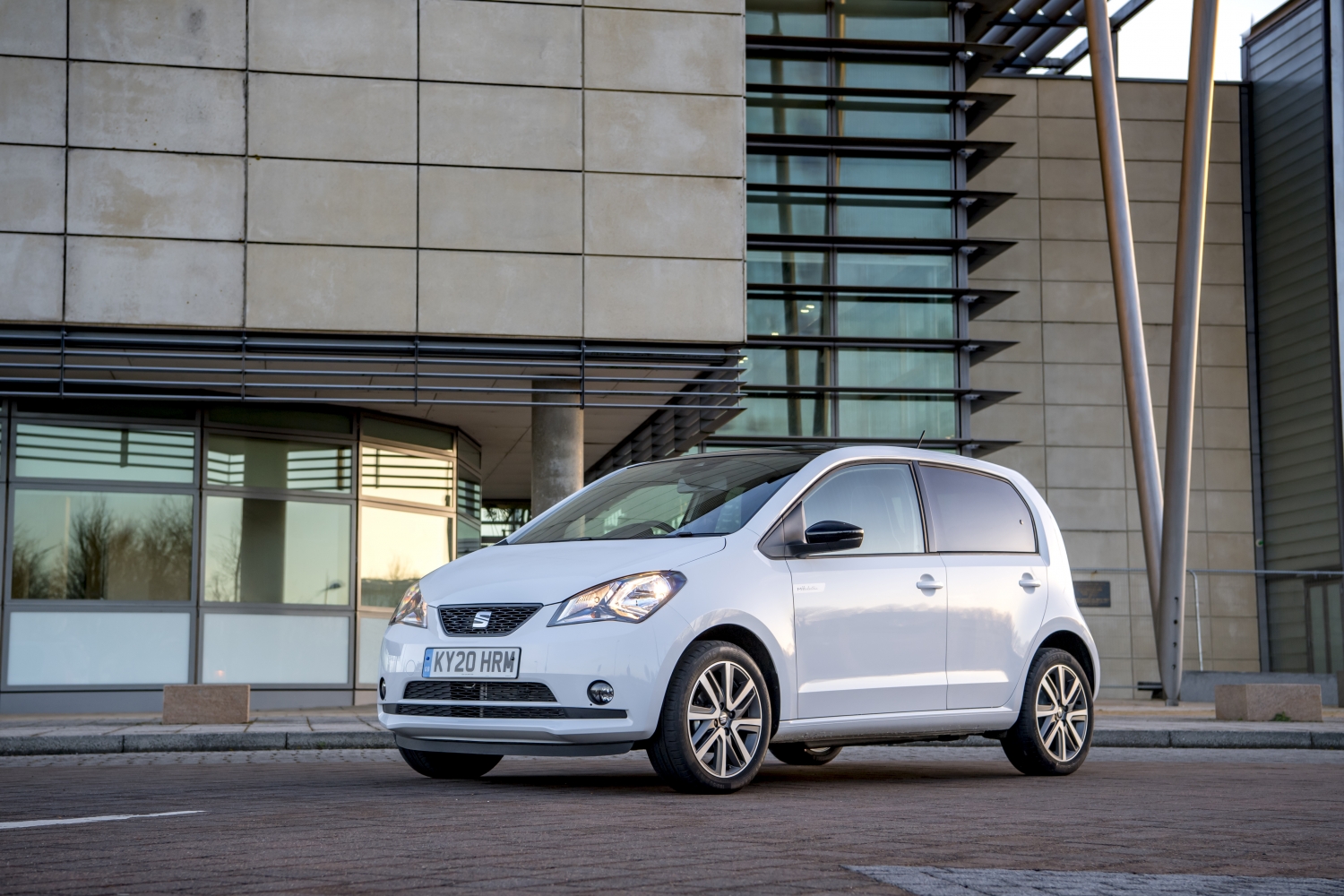
Learn more about buying a used car
On the Carnews website you’ll find more articles with buying advice, maintenance tips and common car problems for various brands. Discover which models best match your budget and how you use your car. Stay up to date with the latest insights and make better decisions when buying your next used car.
Frequently asked questions
For the most ‘dynamic’ driving experience, the 1.0 petrol engine with 75 hp is the most interesting choice. This version offers just a bit more pulling power and reserve on the motorway than the 60 hp variant, which you’ll notice when overtaking and on hills. The electric Mii feels even brisker in town thanks to its instant torque, but for a traditional car enthusiast the 75 hp manual is usually the most fun to drive.
Common technical points to watch on a used Seat Mii include electrical issues such as poorly functioning radio/navigation and faults in the infotainment system, especially on early model years. Pay close attention to how well the air con and ventilation work (lukewarm air, steamed-up windows, noisy fan). Check that the maintenance history is in order, particularly whether the timing belt has been replaced on time according to the schedule. During the test drive, also take a long drive to spot any engine-management warning lights, rough running and strange noises as early as possible.
The Seat Mii shares its technology with the Volkswagen up! and Skoda Citigo, so reliability in practice is virtually identical and generally good. Maintenance costs are usually slightly lower than for the up!, partly because the Mii is cheaper to buy and run as a used car. Known problem areas (mainly electronics and climate control) are largely the same on all three models. That makes the Mii particularly attractive financially for anyone wanting up!/Citigo quality but with lower total costs.
Yes, versions with the more powerful 1.0 engine (75 hp) and manual gearbox improve the driving experience outside town compared with the 60 hp variant and the ASG automated gearbox. Higher trim levels (with, among other things, air con, multimedia/navigation and comfort features) make the car more pleasant to live with and generally increased its resale value. The Mii Electric offers a brisk, quiet drive and is sought after in cities, which can be positive for residual values in urban markets. Models with a full service history and lower mileage retain their value best.