
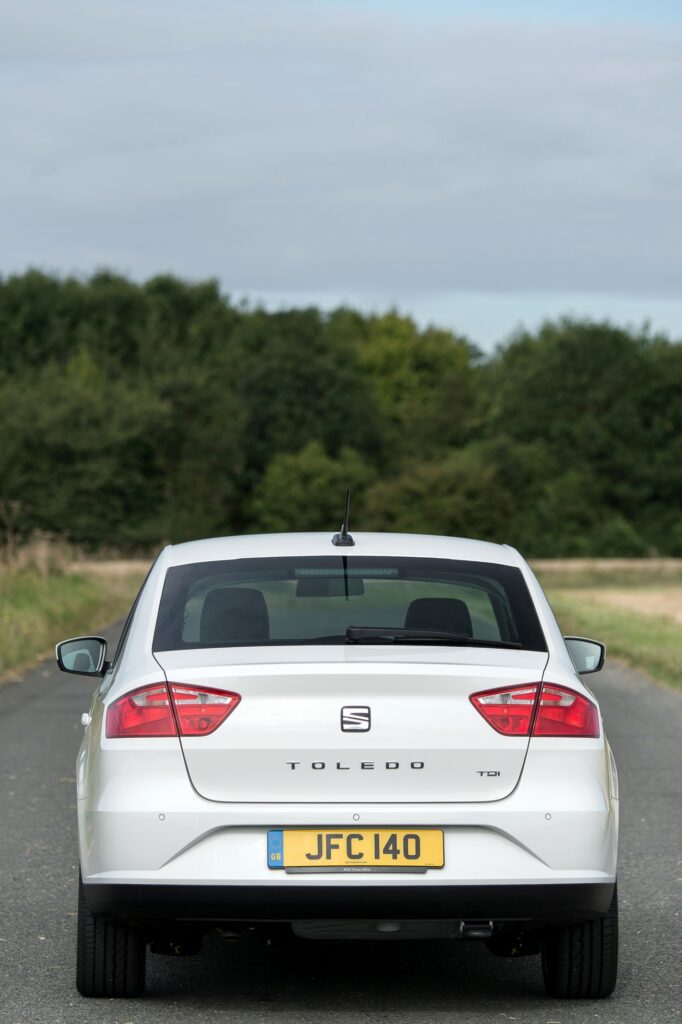
The Seat Toledo is known as a practical choice with an attractive price–quality ratio, but how does this Spanish compact hatchback really hold its own against direct rivals such as the Volkswagen Golf Variant, Skoda Octavia Combi and Ford Focus Wagon? The truth is that the Toledo mainly excels in boot space and affordability, but lags behind competitors when it comes to more modern technology and finish. For anyone considering the Seat Toledo, a thorough comparison is worthwhile. In this article we compare reliability, performance and value for money.
Toledo reliability compared
The Seat Toledo scores well on reliability, largely thanks to the VW Group underpinnings. Owners regularly report that their Toledo reaches 300,000 kilometres without major issues. This lifespan strongly depends on keeping up with scheduled maintenance. The timing belt, for example, needs replacing according to the schedule, at a cost of around 800 euros. This investment prevents far more serious engine damage later on.
There are, however, weak points. The Toledo is prone to rust on the wheel arches, especially on older third-generation models. Early examples also suffer from oil consumption, a problem that occurs less often on later model years. The DSG transmission deserves extra attention: have the oil changed to avoid expensive repairs of around 1,000 euros.
Compared with its competitors, the Toledo does reasonably well. The Volkswagen Golf Variant scores excellently on reliability and suffers less from rust issues. The Skoda Octavia Combi is often rated as very reliable. The model benefits from the same VW technology. The Ford Focus Wagon lags behind due to frequent electronic faults. These problems cause frustration among owners. This gives the Toledo an advantage in this area.
‘ The Volkswagen Golf Variant is among the most reliable cars in this segment. ’
Which alternatives are more reliable?
If pure reliability is your top priority, some rivals come out better. The Volkswagen Golf Variant is among the most reliable cars in this segment. The brand invests heavily in quality control and owners report fewer problems with electronics and bodywork. You do, however, pay for that reliability: a used Golf Variant will quickly cost between 12,000 and 20,000 euros, considerably more than a comparable Toledo.
The Skoda Octavia Combi combines reliability with space. This model offers a boot capacity of up to 1,700 litres and is known for its stable road behaviour. Technically, the Octavia shares many components with the Toledo. Skoda has, however, built up a better reputation. This is due to more attention to finish and options. Owners particularly appreciate the Octavia for the balance between price and quality, although the purchase price is higher than that of the Toledo.
The Ford Focus Wagon offers dynamic driving characteristics and playful handling, but scores mediocrely on reliability. Electronic faults occur more often. This leads to frustration among owners. For those who attach great importance to reliability, the Focus therefore falls short compared with the Toledo.
Is the Toledo value for money?
The Toledo scores excellently on cost efficiency. A used Toledo costs between 8,000 and 15,000 euros. This makes it an affordable choice with lots of space and a practical design. The boot space of 550 to 1,400 litres surpasses many rivals in the segment, ideal for families who carry bikes, dogs or lots of luggage.
Fuel consumption also works in the Toledo’s favour. The engines range from 1.0 to 2.0 litres and use on average 5 to 6 litres per 100 kilometres. The 1.6 TDI variant is popular with buyers who want to drive economically without sacrificing performance. Many parts are interchangeable with other VW family members such as the Audi A3. This keeps maintenance costs down and leads to savings.
Even so, the Toledo has drawbacks that affect its value. The interior looks old-fashioned compared with newer Golf and Octavia models. Large touchscreens and modern infotainment systems are missing in many Toledos. In addition, residual value drops faster than with Skoda. This makes selling it later less attractive. Rear legroom is disappointing for tall passengers. The Octavia excels in this area.
Why choose the Toledo over its rivals?
The Toledo is the smart choice for those who prioritise budget and space over luxury and modern tech. The unique hatchback shape offers superior loading height. This is useful when loading bikes or large items. That is a practical advantage that saloons cannot match.
Driving enjoyment is another plus. The 1.4 TSI engines deliver punchy acceleration with a 0–100 sprint in 8 to 9 seconds. The smooth DSG automatic makes gear changes comfortable. This is especially useful in heavy traffic. Sporty drivers appreciate the Spanish tuning that gives the Toledo a slightly more lively character than the more business-like Skoda Octavia.
There are also advantages for used-car buyers. Models from 2015 onwards with the 1.6 TDI offer a good balance. They combine reliability with frugality. Do watch out for rust around the wheel arches. Check whether the DSG oil has been changed on time. Deals under 10,000 euros with low mileage are available, which makes the Toledo attractive for those who want to buy sensibly.
Everyday use and owner experiences
In everyday life, the Toledo proves to be a reliable companion. Owners praise the space for families. They also appreciate the ability to carry large items. The electrically opening tailgate on higher trim levels is a welcome luxury. The car suits those who value functionality over showy looks.
On forums, owners share positive experiences about its long lifespan. Regular servicing according to the schedule is essential, though. Using VW 504.00 or 507.00 oil helps improve engine reliability. Rotating the tyres every 10,000 kilometres helps to keep grip optimal. Some owners upgrade their Toledo with aftermarket LED lighting or a stage 1 remap for extra power. These modifications are popular within the tuning community.
‘ Anyone who chooses the Toledo accepts that it is not a speed demon. ’
Performance and engine choices versus rivals
The Toledo offers a range of engines from 90 to 184 bhp, comparable with the competition. The Volkswagen Golf Variant has a broader line-up up to 245 bhp, suitable for those who want more power. The Skoda Octavia Combi is limited to 200 bhp, while the Ford Focus Wagon, with its 2.3 EcoBoost, even reaches 280 bhp for sporty drivers.
For everyday use, the Toledo’s engines are more than sufficient. The 1.0 TSI is economical and nimble in the city. The 2.0 TDI offers more pulling power for motorway kilometres and towing a trailer. The difference with competitors mainly lies in refinement: the Golf feels tighter, the Octavia more stable at high speeds.
Anyone who chooses the Toledo accepts that it is not a speed demon. The handling is brisk and sporty thanks to the Spanish suspension tuning. The car does, however, lack the last bit of refinement offered by premium brands. For families and practical drivers who have no ambitions on the race track, that is no issue.
Safety and technology in perspective
The Seat Toledo achieved a five-star Euro NCAP rating up to 2019, which demonstrates a solid level of safety. Standard equipment includes airbags and stability control. Modern driver assistance systems such as adaptive cruise control are often missing. The Volkswagen Golf Variant and Skoda Octavia Combi offer more advanced safety options, including lane assist and autonomous emergency braking.
In terms of technology, the Toledo lags behind. Infotainment systems are basic. Large touchscreens are rare in older examples. Those who attach great value to connectivity and digital gadgets will find better options in the Golf or Octavia. For those who prefer simplicity, the Toledo is pleasantly straightforward without unnecessary bells and whistles.
Maintenance and ownership costs
The Toledo benefits from sharing parts with the VW family. This keeps repairs and maintenance affordable. Brand dealers for Ford often charge more. Replacing a timing belt costs around 800 euros, changing DSG oil roughly 1,000 euros. Regular services are no more expensive than with competitors.
Fuel costs remain low thanks to economical engines. The 1.6 TDI variant is particularly popular with buyers who drive long distances. Insurance premiums are on average lower than for the Ford Focus. They are comparable to those of the Skoda Octavia. Road tax depends on the engine version, but remains within the normal range for this class.
Check everything carefully in advance to avoid hidden costs. Look out for rust. This needs extra treatment. Check the condition of the DSG transmission thoroughly before purchase. This prevents expensive repairs later. Models from 2015 onwards are more reliable. They reduce the risk of unpleasant surprises.
‘ “The Ford Focus Wagon is attractive for sporty drivers, but demands more tolerance for possible faults.” ’
Who is the Toledo the best choice for?
The Seat Toledo suits buyers who put functionality and affordability first. Families who need a lot of space for luggage, bikes or pets will find a practical partner in the Toledo. Some buyers deliberately opt for lower purchase costs. They do not want to compromise on basic reliability. For them, this model is interesting.
Other buyers are looking for premium finish, modern tech and high residual value. They are wise to choose a Volkswagen Golf Variant or Skoda Octavia Combi. These alternatives offer more comfort and more advanced systems. They do, however, require a higher investment. The Ford Focus Wagon is attractive for sporty drivers, but demands more tolerance for possible faults.
On the Carnews website you will find much more information about different car brands, models and practical tips for maintenance and purchase. Discover which car best suits your needs and read about the experiences of other car enthusiasts.
Frequently asked questions
The Toledo combines a relatively sporty, “tightly” tuned chassis with direct steering feel, making it more lively to drive than many practical rivals. Thanks to the Volkswagen technology (including the 1.4 TSI engine) it offers brisk performance and smooth gear changes, especially with DSG. The handling is often described as stable and confidence-inspiring, but with a playful edge that makes winding roads enjoyable. Relative to its price, it delivers more driving pleasure than many comparable, more comfort-oriented family cars.
The price–quality ratio of the Seat Toledo is generally seen as favourable: the purchase price is clearly lower than that of comparable models such as the VW Golf Variant and Skoda Octavia Combi, while space and fuel consumption are at a similar level. Maintenance costs are usually slightly lower than for its more “premium” group siblings, partly thanks to shared VW technology and the wide availability of parts. The residual value, however, lags behind especially the Skoda Octavia and to some extent the Golf, because the brand image is weaker and demand on the used market is smaller. Overall, the Toledo offers a lot of car for your money, but with some compromise on future trade-in value.
The Toledo offers solid but relatively simple technology, with basic infotainment and safety equipment that at the time led to five Euro NCAP stars, but is less advanced than the systems in, for example, the Golf Variant and Octavia (such as extensive driver assistance or large touchscreens). In this respect it lags behind competitors that offer adaptive cruise control, more driver-assistance systems and more modern connectivity. The Toledo’s strength lies more in its practical hatchback boot and cost advantage than in high-tech innovations.
The Seat Toledo was offered mainly with 1.0 to 1.6 petrol and diesel engines (around 90–125 bhp) and a few more powerful TSI/TDI units up to roughly 184 bhp. In terms of power and torque, these engines are usually just below those in comparable Golf Variant, Octavia Combi and Focus Wagon models, which more often come in higher-output versions. On fuel consumption, the Toledo actually does well: most variants achieve around 5–6 l/100 km, comparable to or slightly more economical than many rivals. As a result, the Toledo focuses more on efficiency and running costs than on outright performance.
The Toledo offers a very spacious boot for its class (around 550 to 1,400 litres) with a practical, high loading aperture, which makes it very suitable for families and holiday use. The interior space is very usable, with sufficient room for occupants and flexible layout options. In terms of comfort, it combines brisk, stable handling with reasonably comfortable suspension, suitable for both commuting and longer journeys. This makes it an interesting, budget-friendly choice compared with rival models that are often more expensive for similar space.