
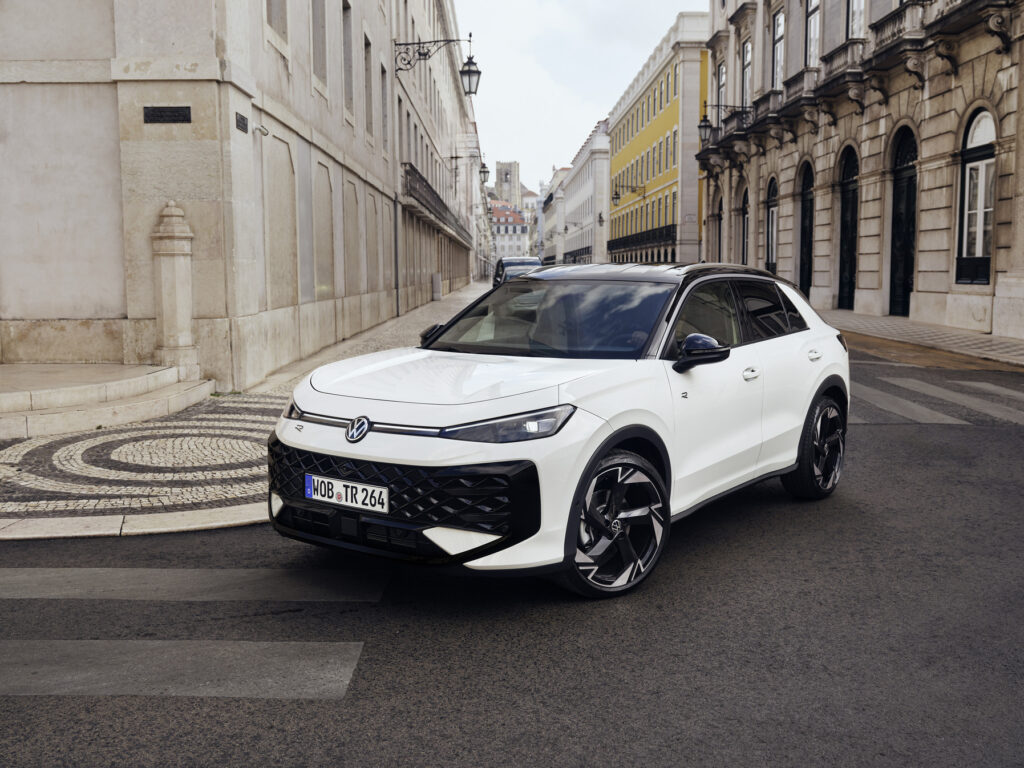
Regular maintenance of the VW T-Roc focuses on oil, timing chain, DSG service and sensors to prevent problems. The key to avoiding expensive repairs lies in following the correct service schedule and spotting wear in good time. That way you keep this popular compact SUV in top technical condition.
The Volkswagen T-Roc needs a maintenance strategy that goes beyond just changing the oil. Owners who deal proactively with service and inspection intervals save money in the long run and avoid annoying breakdowns on the road. Read on for the complete maintenance schedule, realistic cost indications and useful DIY tips.
The standard service schedule by mileage
The Volkswagen T-Roc follows a maintenance rhythm made up of two main types: an oil service and an inspection service. The on-board computer itself indicates when maintenance is required, but as a guideline Volkswagen uses the following intervals:
- Minor service (oil service): every 15,000 km or 1 year
- Major service (inspection service): every 30,000 km or 2 years
- Additional inspections: often around 60,000 km and then at fixed intervals
It is important to realise that these intervals depend on your driving style and engine version. If you mainly drive short trips in town, time-based maintenance can be more important than mileage alone. Manufacturers therefore use both mileage and year intervals; whichever comes first applies.
What happens during a service
During a standard service the mechanic checks several components. The main actions are:
- Replacement of engine oil and oil filter
- Checking brake discs and pads for wear
- Inspection of fluids such as coolant and screenwash
- Visual inspection of rubber components such as drive shafts and bushes
- Checking tyres, lights and safety components
For T-Roc drivers it is particularly relevant that maintenance is not just about changing the oil. Detecting wear early on brakes, tyres and fluids can prevent expensive repairs later. During an inspection a mechanic can, for example, spot early leaks or worn bushes before they lead to faults.
‘ Models with a DSG automatic gearbox also need a DSG service every 60,000 km, which costs around €300 to €450 extra. ’
Annual maintenance costs for the T-Roc
The costs differ per engine variant, year of manufacture, type of maintenance and garage. An indication from Dutch maintenance providers shows that a major service for the Volkswagen T-Roc can start at around €250. This amount can increase depending on the work and consumables required.
If you drive an average of 15,000 kilometres per year, you will need at least an oil service every year. Budget around €150 to €200 for this at an independent garage, and €200 to €300 at an official Volkswagen dealer. Every two years an inspection service follows, with costs that can rise to €400 to €600 including any additional checks and replacements.
Factors that influence the costs
The final price depends on several variables. If you choose an official Volkswagen service centre, you often pay more than at an independent garage. At the same time, a brand dealer gives you the assurance of genuine parts and workshop expertise that is specifically geared towards Volkswagen models.
The engine version also plays a role. The TSI petrol engines and TDI diesel engines have different service requirements. Diesel versions, for example, require extra attention for the diesel particulate filter and AdBlue system, which can increase costs. Models with a DSG automatic gearbox also need a DSG service every 60,000 km, which costs around €300 to €450 extra.
DIY tips for maintaining your Volkswagen T-Roc
You can carry out some maintenance tasks yourself to save on costs. This does not require advanced technical knowledge. You do need to be precise and have the right materials. Make sure you follow the factory specifications and do not undermine the maintenance schedule.
What you can do yourself
- Check the oil level: do this every month, especially before longer journeys. You will find the correct dipstick in the handbook
- Check tyre pressure: check this every two weeks. The recommended pressure is shown on the sticker in the door opening
- Replace windscreen wipers: if they wear quickly, replace them yourself. Buy wiper blades according to the size stated in the handbook
- Top up fluids: you can easily top up coolant and screenwash yourself
- Replace the air filter: with basic tools you can replace the air filter within 15 minutes
Always make sure you follow the specifications from the instruction manuals for these tasks. The wrong oil or fluids can cause damage. Buy parts from a reliable supplier and check that they are suitable for your specific T-Roc version and year of manufacture.
When you should go to the garage
Some jobs are complex and require specialist knowledge or equipment. Always have the following tasks carried out by a mechanic:
- Changing oil and replacing the oil filter, due to correct disposal and refilling
- Checking and replacing brakes, for safety reasons
- DSG service, which requires special equipment and fluids
- Diagnosis of fault messages via the on-board computer
- Checking the timing chain and drivetrain
These jobs are necessary to keep the T-Roc reliable. Postponing them can lead to accelerated wear or larger repairs. Try not to economise by skipping or delaying them.
Specific points of attention for the T-Roc
In addition to regular maintenance there are a few model-specific points that T-Roc owners should watch out for. These points of attention are frequently mentioned on user forums and in drivers’ experiences.
Checking the timing chain
In most versions the T-Roc has a timing chain instead of a belt. A chain lasts longer, but over time it can stretch or become noisy. Have the chain checked during the major service, especially on cars with more than 100,000 km on the clock. Early signs are a rattling noise when starting or accelerating.
DSG transmission maintenance
Models with a DSG automatic gearbox require a separate service every 60,000 km. During this the transmission oil is replaced and the system is checked. Do not skip this, as worn transmission oil leads to jerky gearchanges and ultimately to costly gearbox repairs.
Sensors and electronics
The T-Roc is equipped with various sensors for parking assistance, driver assistance systems and lighting. These sensors can become dirty or damaged. Clean the sensors regularly with a damp cloth and have defective sensors replaced immediately to prevent fault messages and malfunctions.
‘ Don’t schedule major services too late: modern cars often have longer intervals, but postponement can cause extra wear or larger repairs. ’
How to plan maintenance smartly
Let the on-board computer message guide you when it comes to service times, but also check the oil level, tyre pressure and brakes yourself in between. Don’t schedule major services too late: modern cars often have longer intervals, but postponement can cause extra wear or larger repairs.
A service according to factory specifications helps to keep the car technically sound and can be beneficial for its resale value. This is particularly relevant for popular SUVs such as the T-Roc, where buyers like to see a full service history. Keep all invoices and service records carefully.
Consider combining maintenance with other work. For example, during the annual MOT test you can have small jobs done straight away, such as replacing windscreen wipers or topping up fluids. This saves time and sometimes also money.

Find out more about your Volkswagen T-Roc
On the Carnews website you will find much more information about the Volkswagen T-Roc. From common problems and solutions to experiences from other owners. Discover useful tips, technical background information and practical guides to help you get the most out of your T-Roc. Visit the website and dive into everything you need to know about this popular model.
Frequently asked questions
The official service intervals for a VW T-Roc generally follow a minor service/oil service every 15,000 km or 1 year and a major service/inspection service every 30,000 km or 2 years, with the on-board computer indicating when service is required. In addition there are specific checks and replacements around 60,000 km and then at fixed intervals, depending on engine type and use. The estimated costs for a major service at Dutch providers start at around €250, with official VW dealers often being a bit more expensive than independent garages. The exact rates differ per version, year of manufacture, garage and any additional work.
On the VW T-Roc, the DSG automatic gearbox (transmission) and associated mechatronic in particular can cause unexpectedly high costs if problems arise or the oil is not changed in time. Electronics and sensors (including those for the infotainment system and driver assistance systems) also relatively often cause faults that increase diagnostic and repair costs. In addition, brakes and suspension components (such as control arms, bushes and shock absorbers) can wear out faster than expected due to the SUV’s weight. On certain engine variants, EGR/particulate filter systems and turbo components can also lead to expensive repairs, especially with lots of short trips.
The maintenance costs of the VW T-Roc are on average in line with those of comparable compact SUVs in its segment, such as the Renault Captur, Peugeot 2008 and Ford Puma. A major service from around €250 is common and comparable with many competitors at main dealers. At independent garages the costs for the T-Roc, as with rivals, can be somewhat lower. Overall, in terms of maintenance costs the T-Roc is neither noticeably more expensive nor clearly cheaper than most of its direct competitors.
You can regularly check tyre pressure and tread yourself and have tyres rotated or balanced in good time to prevent uneven wear and extra fuel consumption. Check the oil level monthly and top up if necessary with the specified oil, and also keep an eye on the coolant and screenwash levels. Clean and lubricate door and tailgate seals and latches to prevent squeaks and premature wear. In addition, you can periodically replace the cabin filter (pollen filter) yourself, which in many cases is easily accessible and can be relatively expensive at the dealer.
Driving style has a major impact on lifetime costs and maintenance: lots of short trips, sporty driving or heavy loads accelerate wear to engine, brakes and tyres, meaning maintenance is required more often and repairs are needed sooner. A higher annual mileage means services follow each other more quickly, but especially with a lot of motorway driving, wear per kilometre can in fact be more favourable than with city driving. The model year determines which engine and trim updates you have: newer years of manufacture often benefit from more efficient, more economical and sometimes more reliable technology, which can reduce total lifetime costs. In addition, a younger model year may have higher maintenance rates at the dealer, but will generally face major replacement items such as suspension, exhaust and electronics problems later.