
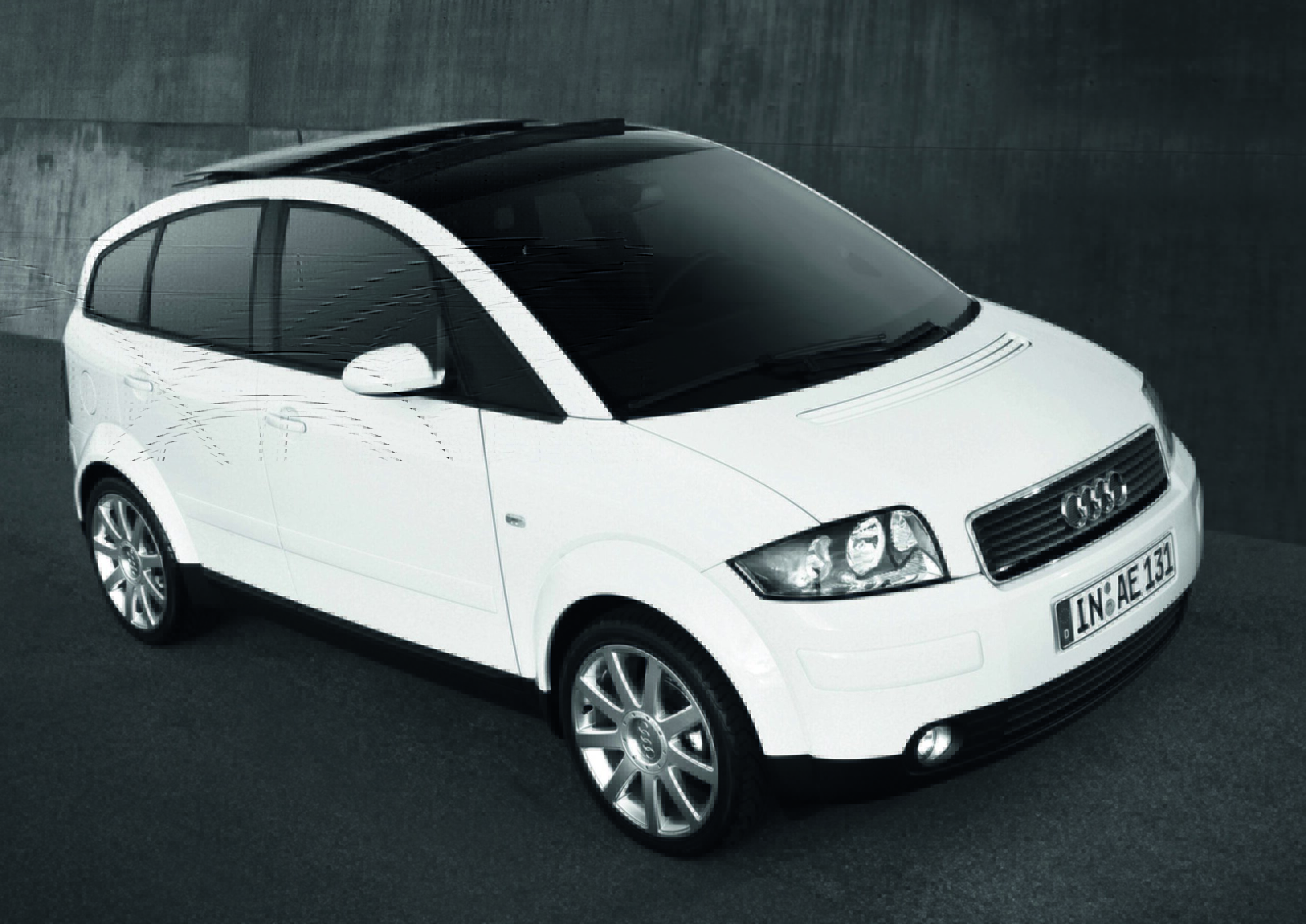
The optional sliding roof of the Audi A2 is prone to wear on the drive cable. After years of use this cable starts to fray or snaps, causing the hatch to get stuck in a certain position and no longer respond to the controls. This is a known issue with this model and requires regular maintenance. In this article you can find out what the causes are, how to recognise the problem and what solutions are available.
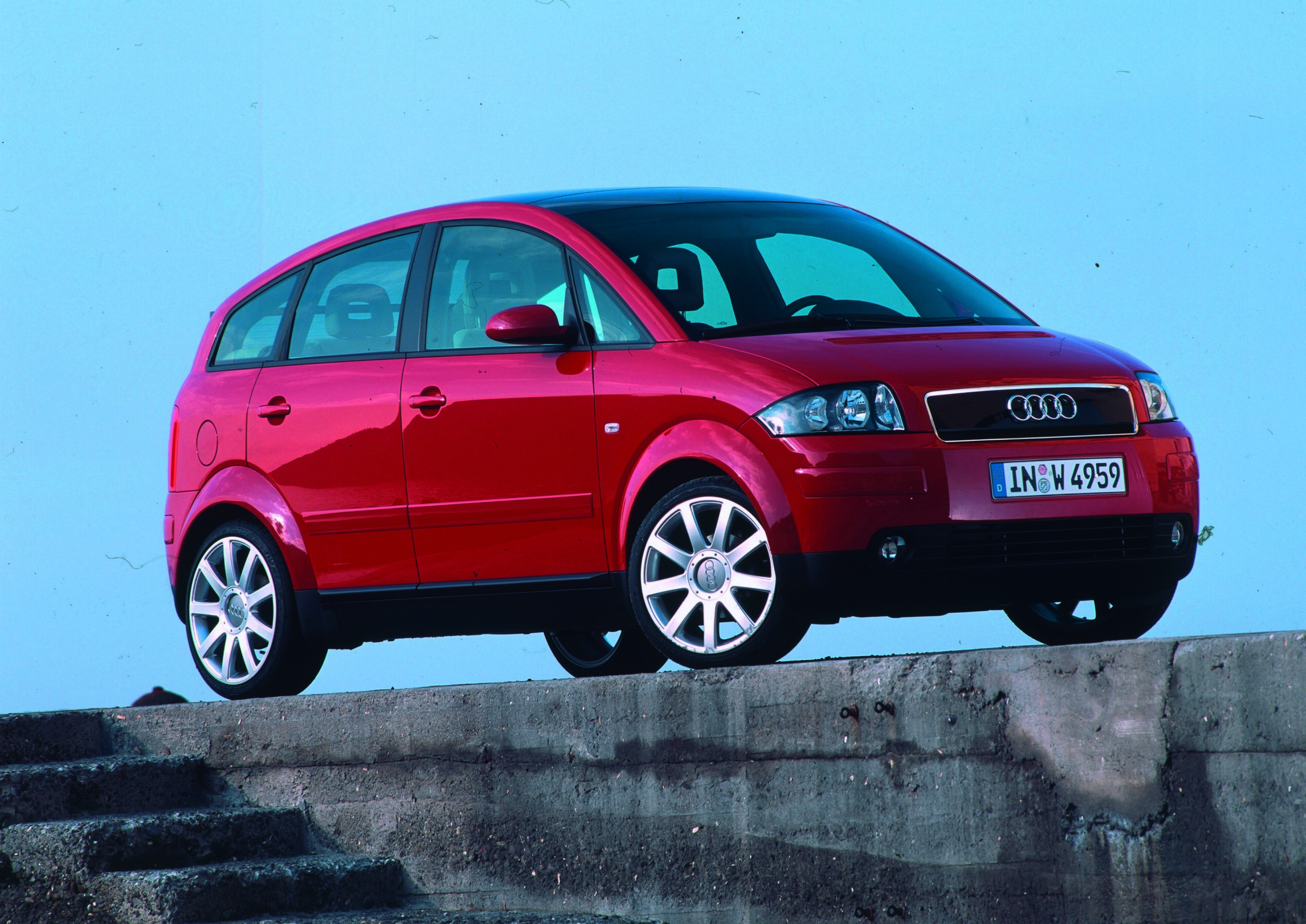
The Audi A2, built between 1999 and 2005, has a fully aluminium body that keeps the model light. The optional sliding roof is a popular extra, but it does demand attention over the years. The mechanical cable that drives the hatch wears due to repeated movement and friction in the guides.
Owners report that the problem often appears after 10 to 15 years of use. The good news is that the Audi A2 shares a lot of its technology with Volkswagen models such as the Lupo, which means spare parts are widely available and affordable.
Symptoms of a broken drive cable
A jammed drive cable can show itself in several ways. The sliding roof suddenly stops halfway through its movement and no longer responds to the controls. Sometimes the hatch sits at an angle because the cable has snapped on one side, often the right or left.
In frost or damp the system can also freeze up. This happens in a similar way to other cables in the car, such as handbrake cables (the cables that mechanically operate the handbrake). Leaks caused by blocked drains make the problem worse, because water gets in and causes corrosion on the mechanical components.
Causes of a broken drive cable
Wear on the cable arises for several reasons. The main factor is the constant movement and friction in the guides when opening and closing the roof. After years of use the cable gradually weakens.
External factors also play a part:
- Ingress of water, dirt or ice, especially if the drains become blocked
- Excessive load due to snow building up on the roof
- Incorrect use, such as forcing the roof when it is sticking
- Lack of lubrication and maintenance of the mechanism
The combination of these factors causes the cable to fray or break completely over time.
Recognising a defective cable
You can check yourself whether the cable is broken. Open the roof as far as possible and visually inspect it for fraying or breaks. Test the cable by pushing a needle into it. At the same time, switch the ignition on to put power on the motor.
If the cable is not intact, you will feel little or no resistance. It can also help to listen for unusual noises while operating the roof. A cracking or grinding noise often points to problems with the mechanical components.
Solutions for this problem
Fortunately, the problem can often be solved without major expense. Repair kits are available for the defective cable. You can replace the broken cable with a new one, which is relatively straightforward if you have some technical knowledge.
If the motor itself is defective, you can also replace it. Second-hand units are widely available and affordable thanks to the link with Volkswagen models. Owners who do the job themselves report that it is a precise task, but achievable with patience and the right tools.
Preventive maintenance prevents problems
Regular maintenance helps to prevent future problems. Lubricate the mechanism annually with suitable grease to reduce friction. Clean the guides and drains with a pick, compressed air or a mix containing WD40 to prevent blockages.
Flush the drains once a year with water from underneath the car, starting at the A-pillar. Leave the rubber caps in place for easy access during future maintenance. Owners share on forums that removing debris from the drain with a barbecue skewer is often enough to solve problems.
‘ The job requires technical understanding and precision, but it is not impossible for someone with experience in car maintenance. ’
Repair it yourself or go to the garage
Many owners choose to carry out the repair themselves. The job requires technical insight and precision, but it is not impossible for someone with experience in car maintenance. You need access to the mechanism, which means removing parts of the headlining.
Users warn that working with the rubber hoses is a precise task, but that cleaner and compressed air are often sufficient. You can find manuals and forum posts online from owners who have carried out the same repair. These sources are useful when tackling the job.
Costs of the repair
The costs remain limited because cheap parts are available. A repair kit for the cable can be bought for a few tenners. If you do the job yourself, the costs are limited to the parts.
At a garage the costs are higher due to labour. Removing the headlining and replacing the cable takes time. If you maintain the mechanism preventively and tackle small problems straight away, you can prevent it from escalating into more expensive repairs, such as replacing the motor.
Points to watch with a used A2
If you buy a used Audi A2 with a sliding roof, make sure you test the roof thoroughly. Open and close the hatch several times and listen for strange noises or stuttering. This is frequently mentioned as a point to watch with used examples of this model.
Also check the drains for blockages and inspect the mechanism for signs of leaks or corrosion. A well-maintained sliding roof operates smoothly and quietly. Ask the seller about the maintenance history and whether the roof has been repaired or serviced recently.
‘ “On the Carnews website you will find much more information about common problems, maintenance tips and practical advice for this iconic compact model.” ’
More information about the Audi A2
The sliding roof is just one aspect of maintaining the Audi A2. On the Carnews website you will find much more information about common problems, maintenance tips and practical advice for this iconic compact model. Discover what other points you should keep an eye on and how to keep your car in optimum condition.
Frequently asked questions
You can first check whether the roof is running skew, moving jerkily or “sticking” somewhere while the motor can still be heard trying to turn: this often points to a problem with the drive cable. Open the roof (as far as possible) and inspect the guides to see whether there are any frayed sections, bends or breaks in the cable. If one side moves and the other does not, this is a strong indication of a jammed or broken cable on the “stationary” side. If the roof no longer responds at all and you cannot hear any motor noise either, it is more likely that the motor or power supply is the problem rather than just the cable.
As a handy car enthusiast you can in principle replace a jammed drive cable of the sliding roof yourself, especially if you are used to fine mechanical “fiddly” jobs. Do bear in mind that it is a time-consuming and delicate task, where incorrect disassembly or assembly can cause additional damage. If you do not have good tools, patience and a clear manual or forum how-to, then professional help is recommended.
For a DIY repair of the jammed drive cable of the sliding roof (with a repair kit and possibly a used motor), the costs are usually around a few tenners up to about one hundred euros for parts. If you have this done by a specialist garage, you need to factor in both parts and labour, which usually means the costs can rise to several hundred euros.
Ignoring a jammed drive cable can lead to further wear or breakage of the cable, roof sections that hang skew or become blocked and, ultimately, damage to the motor and guides. Water can also get in more easily, with a risk of corrosion and leaks in the interior. Prevent this by regularly cleaning and lubricating the sliding roof mechanism and guides, and keeping the drains clear of dirt. Have a fraying or stiff-running cable replaced in good time and never force the roof if it gets stuck.