

A thorough inspection of the air conditioning, suspension, transmission, electrical systems and exhaust condition is essential to avoid hidden problems when buying a used Seat Alhambra. This practical seven-seater MPV offers plenty of space for families. However, the model does have specific points of attention you must check before purchase. Find out which systems are critical and which signs point to future problems.
Preparation prevents disappointment
Start by checking the registration number via the RDW. Look at the MOT status, insurance status, first registration and mileage history. Compare the date of first registration with the date of declaration to see whether it is an originally Dutch car.
Ask for the service book with stamps, mileage readings and signatures from garages. Pay particular attention to timing belt replacement and the last inspection. Check the RDW-OVI for mileage readings and, if in doubt, have a pre-purchase inspection carried out by a specialist.
Signs of use should match the mileage. High mileage means more wear on the interior, steering wheel and pedals. If the wear does not match the odometer reading, the mileage may have been tampered with.
‘ Tyres older than six years must be replaced, regardless of tread depth. ’
Inspecting bodywork and exterior
Inspect the gaps between doors, wings, bonnet and tailgate. These should be straight and of even width. Uneven gaps indicate repairs after damage.
Test with a magnet on the wings, under the doors and on the sills. Resprayed or replaced panels often contain filler, which means the magnet will not stick. Check the paint for colour consistency in daylight.
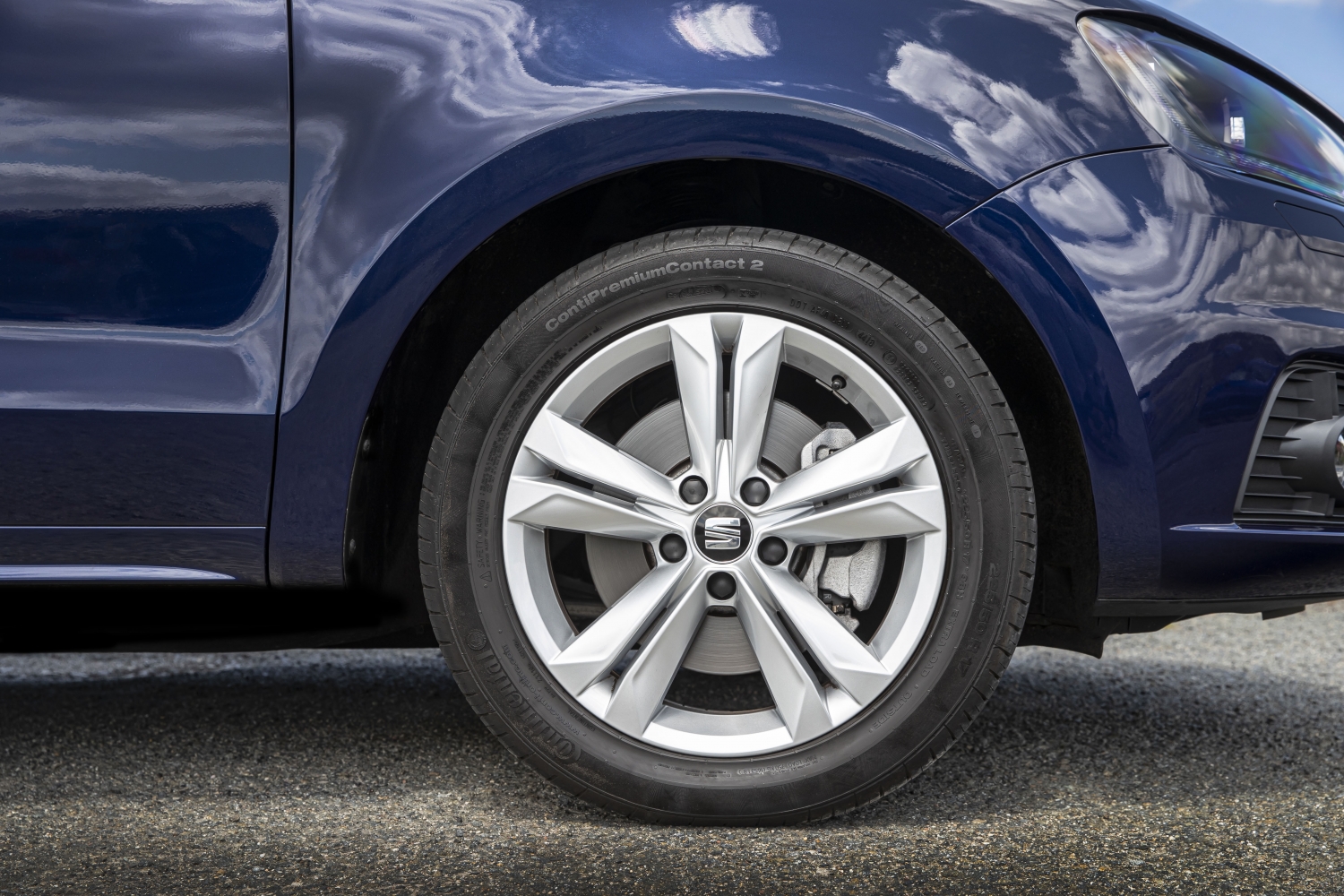
Lift rubber seals, mats and floor mats to look for rust or moisture. Inspect the tyres for the wear indicator, bulges and age. Tyres older than six years must be replaced, regardless of tread depth. Check whether the load rating is correct for the Alhambra.
Examine the windscreen for stone chips or cracks, especially in the field of vision. Check the underside of the chassis (the car’s underbody) for holes, damage or conspicuously clean areas. The latter can point to accident repairs where traces have been removed.
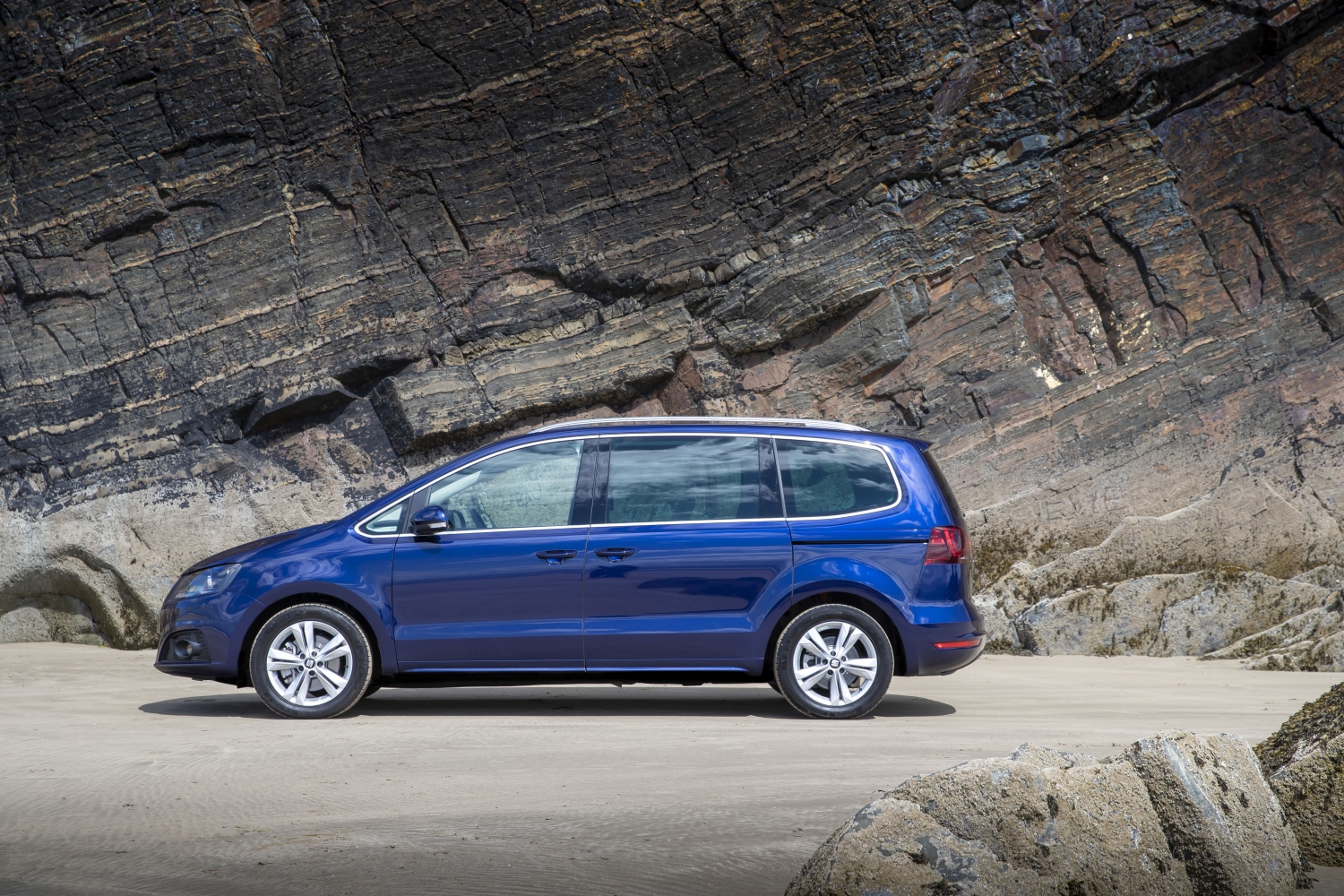
Interior and typical Alhambra features
Check upholstery, seats, dashboard and headlining for tears, stains, holes or burn marks. These traces give an impression of how carefully the previous owner treated the car.
Adjust all the seats and make sure they move smoothly. The Alhambra has characteristic sliding doors that should move easily without scraping or sticking. Also test the third row of seats for operation and condition.
Check the central locking, all locks and the operation of both keys. Pay particular attention to wear in the suspension and the air conditioning, which are common problem areas on this model.
Checking the engine and technical condition
Open the bonnet and check the oil level, brake fluid and coolant. Look for oil spots under the car when it has been standing still for a few minutes. Inspect the exhaust, brake lines and underside for rust, holes or leaks.
The DSG automatic (a type of automatic gearbox) is a known weak point on the Alhambra. This gearbox must shift smoothly during the test drive without jolts, vibrations or delay. DSG faults lead to expensive repairs.
Test the navigation system to see if it works properly. Check that all functions respond and that the screen is intact. The air conditioning often fails at higher mileages. Make the system blow cold and warm air to check whether both functions work.
‘ Strange behaviour may point to software issues or mechanical faults that require costly repairs. ’
What to check during the test drive
Drive at different speeds and on different types of road. Listen for noises from the suspension, especially over bumps and in bends. The suspension is a vulnerable point on the Alhambra, particularly the coilover sets (the spring and damper combination of the suspension) which can wear over time.
Test the brakes at different speeds. They should respond evenly without pulling to the left or right. Vibrations under braking indicate warped discs or wear.
Pay attention to the clutch on manual models. It should feel smooth and bite at roughly the same point in every gear. A spongy or very stiff clutch indicates wear.
On automatics, shift through all positions. The DSG automatic must change gear without hesitation or jerks. Strange behaviour may point to software issues or mechanical faults that require costly repairs.
Common problems with the Alhambra
User experiences often report failing air conditioning at higher mileages. Budget for possible repair or replacement of the system, especially on examples with more than 150,000 kilometres.
DSG repairs are common and can run to several thousand euros. Check whether the model falls within any goodwill scheme for DSG problems, or whether this work has already been carried out.
The suspension requires attention. Coilover sets (the spring and damper combination of the suspension) and bushes wear, especially with intensive use. During the test drive, listen for creaking noises over bumps.
The electrical system sometimes suffers faults. Test all lights, windscreen wipers, heating and electric windows. Check the dashboard for warning lights that stay on.
Weighing up prices and model years
For recent second-generation models from the facelift onwards you pay between 5,000 and 40,000 euros, depending on mileage and condition. Post-facelift models offer better reliability, but always check the import history.
Imported cars may have gaps in their service history or may not have been built to Dutch specifications. Check whether the car was originally sold on the Dutch market or imported later.
On top of the purchase price, budget for possible maintenance. Replacement parts for suspension, air conditioning and DSG can be very costly. A pre-purchase inspection gives insight into expected costs.
‘ This is a sign that problems are being hidden. ’
Signs that point to future problems
Irregular servicing is a warning sign. Missing stamps in the service book or large gaps between services increase the risk of hidden defects.
Moisture in the boot or under the floor mats indicates a leak. This can cause rust that only becomes visible later. Also check the spare wheel well for signs of damp.
Warning lights on the dashboard that do not briefly light up during start-up may have been disabled. This is a sign that problems are being hidden. Have the car run a full self-test.
Vibrations in the steering wheel at higher speed indicate imbalance, worn suspension components or wheel bearing problems. This needs further investigation by a specialist.
How many inspections for a sound purchase
Carry out at least two inspections. The first at the seller’s premises to rule out obvious problems, the second during an extended test drive in which you test all systems.
If you are seriously interested, have a professional pre-purchase inspection carried out. A specialist knows model-specific problems and can detect hidden defects that you may miss.
After the inspection, go through the report carefully. Ask for clarification on any unclear points and use the findings to negotiate on the price or decide not to buy.
Practical tips for a smart purchase
Take someone with technical knowledge with you, preferably someone with experience of MPVs or this specific model. A second opinion helps prevent impulsive decisions.
Take photos of all irregularities and damage. This helps with negotiation and prevents later disputes about the condition of the car.
Ask about the reason for sale. Sellers who are open about problems or service history often give more reliable information than those who are vague.
Test all the practical aspects that matter to you. Think of folding the seats, loading luggage and access to the third row of seats.
On the Carnews website you will find much more information about Seat models, common car problems and practical tips for purchase and maintenance. Discover more about keeping your family car reliable.
Frequently asked questions
Known problems with the Alhambra include wear and play in the suspension (noticeable through knocking or creaking noises) and air conditioning that regularly fails or works poorly. Check the DSG automatic for smooth, jerk-free gear changes, especially when pulling away and setting off. Watch out for any defects or faults in the navigation system and electric sliding doors/central locking. Also carefully check for rust on the underside, exhaust and brake lines.
For the DSG transmission, watch out for jolts, bangs or delay when pulling away and changing gear; the gearbox should change up smoothly and without slipping, both under gentle and hard acceleration. Check in the service history whether the DSG oil has been changed on time and listen during the test drive for unusual noises or error messages. On the diesel engines, the engine should run quietly and smoothly when cold and warm, without smoke, ticking or an uneven idle. Pay attention to warning lights (engine/particulate filter), turbo pressure (sufficient pulling power without hesitation) and any oil leaks or coolant loss during the visual inspection.
Check the service history using the service book, invoices and RDW data, and make sure that the mileage readings and dates follow on logically from each other. Verify that major services have been carried out on time, such as replacement of the timing belt (and possibly water pump), brakes and fluids. Pay extra attention to known weak points on this model, such as DSG automatic servicing and air conditioning repairs, and explicitly ask about work carried out and parts used. If in doubt, have a pre-purchase inspection done to check whether the stated repairs and replacements have actually been carried out.
The electric sliding doors, central locking, navigation system and especially the air conditioning are most prone to faults. Test the sliding doors several times, both electrically and manually, for sticking, strange noises and whether they open and close fully. Check the air conditioning for fast, even cooling, unusual smells and noises from the compressor. Go through all electrical functions (windows, mirrors, lights, dashboard buttons) systematically and repeat them during a test drive to uncover intermittent faults.
Important inspection points on the underbody are play or noises in the suspension, rust on control arms and subframe, and leaks from dampers, partly because the Alhambra is often heavily loaded as a family or towing vehicle. For the brakes, look for even wear on discs and pads, rust or pitting on the discs and the condition of the brake lines and hoses. For the tyres, tread depth, even wear (no cupping or saw-toothing), correct load index and age (preferably less than six years) are crucial. Finally, check during the test drive that there is no juddering or swaying under braking or at higher speed, which can point to problems with the underbody, brakes or tyres.