
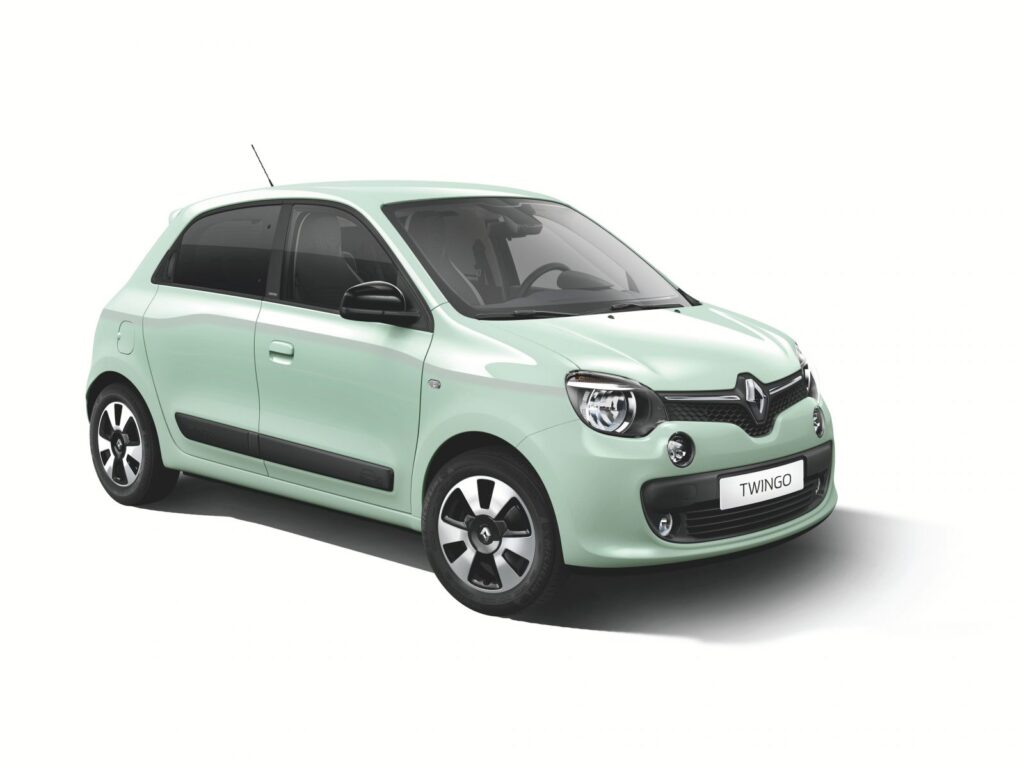
The Renault Twingo is an affordable city car known for its manoeuvrability and efficiency, but it has specific pitfalls you need to watch out for as a buyer. When purchasing, pay particular attention to the timing system, air conditioning, brakes, turbo and any recall actions, and avoid models with known issues affecting the TCe engine (a range of Renault turbo engines that suffer from timing chain and turbo failures). In this article you will find all the practical checkpoints and model year advice you need to select a reliable used example.
What to look out for with a second-hand Renault Twingo
The Renault Twingo exists in three generations, each with its own characteristics and points of attention. The Twingo I (1993-2007) is simple and cheap to run, but requires extra checks on the brakes. The Twingo II (2007-2014) is widely regarded as the most reliable generation. The Twingo III (2014-present) combines fresh styling with greatly improved reliability according to ANWB tests.
There are common points of attention across all generations. Always check the service history thoroughly. Low mileages without regular annual servicing are a risk. Test the brakes extensively during the test drive and listen for unusual noises. Check that the air conditioning works properly, as defects in this system can be expensive to fix.
Preferably choose a car that was originally bought from a Renault dealer. These cars often come with 12 to 24 months’ warranty through the ‘Top Occasions’ programme. Avoid stock cars that are offered as used vehicles without an adequate warranty arrangement.
‘ Avoid Twingos with the well-known problems affecting the TCe engine (a range of Renault turbo engines). ’
Known problems and specific pitfalls
The brakes are the most frequently reported problem area on the Twingo. Brake caliper pins can seize, causing the brake pads to drag. This leads to uneven wear and, in more serious cases, vibrations in the steering wheel when braking. Discs can warp due to overheating, especially on the Twingo I and II.
The suspension also deserves attention. Control arms regularly suffer from torn ball joint boots and worn joints. If there are problems, replace the entire arm instead of separate parts. Check the bushes immediately during inspection. According to owners, wheel bearings can fail quite quickly, which shows up as droning noises while driving.
The electronics can throw up unexpected problems. A non-original radio can interfere with the power steering, which creates dangerous situations. Always opt for cars with original or Renault-approved radio installations. The Twingo III has no engine in the nose due to its rear-mounted engine, which reduces its ability to absorb minor impacts in low-speed collisions.
Engine issues and recall actions
Avoid Twingos with the well-known problems affecting the TCe engine (a range of Renault turbo engines). This engine can suffer from timing chain issues and turbo failures. Check whether recall actions have been carried out for the specific vehicle you are considering. Use the VIN code to verify which actions apply and whether they have been completed.
The 1.2 16V engine with 75 hp is considered the most reliable choice. This engine dominates the used market, accounting for 80% of all examples. The 1.5 dCi diesel version is appreciated for its frugality, but diesel cars make up only 13% of the available stock.
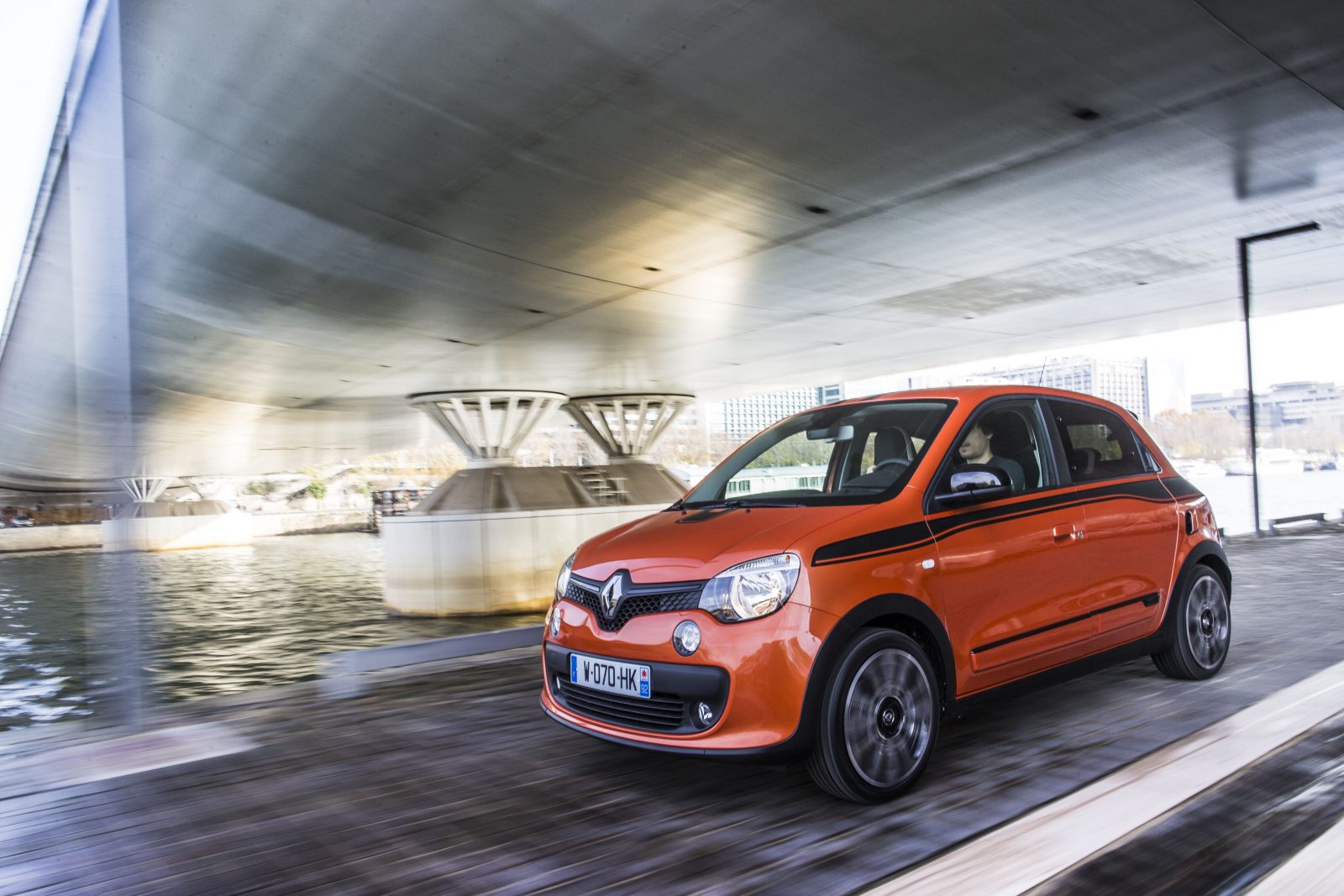
Best model years and versions
For the best combination of reliability and price, choose a Twingo II 1.2 16V from 2011 or later. These cars cost between €4,000 and €7,000 and offer proven reliability. The period after 2011 means you benefit from more refined technology and improved fit and finish.
The Twingo III from 2014 onwards scores excellently for reliability. The facelifted model has suspension lowered by 10 mm for more precise handling. Prices are higher than for the second generation, but you get modern safety systems and improved comfort.
Sporty drivers can opt for the RS version. Pre-facelift models cost between €5,500 and €7,000 with mileages up to 150,000 km. Facelifted RS examples sit between €9,000 and €11,000. These versions have sports suspension, ESP with some leeway and 16-inch alloys.
Trim levels and their value
The Collection trim is the entry level, with manual air conditioning, electric mirrors and an adjustable seat. These cars start at around €4,000. The Dynamique adds cruise control, lane assist and fog lights for €5,000 to €7,000.
Pack Sport and GT versions offer sports suspension, 16-inch wheels and aluminium pedals for enthusiasts. Luxury options such as a sliding roof or built-in navigation are rare on the used market. Automatic gearboxes account for only 1.5% of the stock and are hard to find.
Practical buying strategy
Start your search with a clear budget. For €4,000 to €7,000 you will find reliable Twingo II examples with acceptable mileages. Above €9,000 you move into the segment of facelifted sports versions or recent Twingo III models with low mileage.
Carry out a thorough inspection during the test drive. Test the brakes at different speeds and watch out for vibrations or strange noises. Check the power steering by parking in a tight space and make sure the system works consistently. If in doubt, involve a specialist for a pre-purchase inspection.
Check the paintwork on cars with more than 100,000 km, especially around the doors. The paint layer is relatively thin and can wear through in these spots. This will affect the value when you come to sell the car on. Check all rubbers and gaiters for tears, which will help you avoid unpleasant surprises later on.
Market insight and availability
The current market offers over 1,200 used examples across various price brackets. Red is a popular colour, with 1 in 10 cars in this shade. This can slightly affect resale value, depending on regional preferences.
Renault dealers often provide better warranty conditions than private sellers. Their Top Occasions programme offers peace of mind through comprehensive checks and warranty periods. This offsets the slightly higher purchase price compared with private sales.
‘ Factor in the cost of any potential repairs straight away when making your purchase decision. ’
Maintenance and future costs
The Twingo is known for affordable maintenance and repairs. Parts are widely available and labour time remains limited thanks to the simple construction. Annual servicing at a garage costs on average between €200 and €400, depending on the work required.
Factor in the cost of any potential repairs straight away when making your purchase decision. Replacing brake calipers costs around €300 to €500 including labour. Control arms are between €150 and €250 each. Wheel bearings cost around €100 to €150 per wheel including fitting.
The air conditioning system deserves preventive maintenance. Have the system checked and refilled every two years. This prevents expensive compressor failures that can cost €600 to €800. The timing belt on older models needs replacing in line with the schedule, usually every 80,000 to 120,000 km.
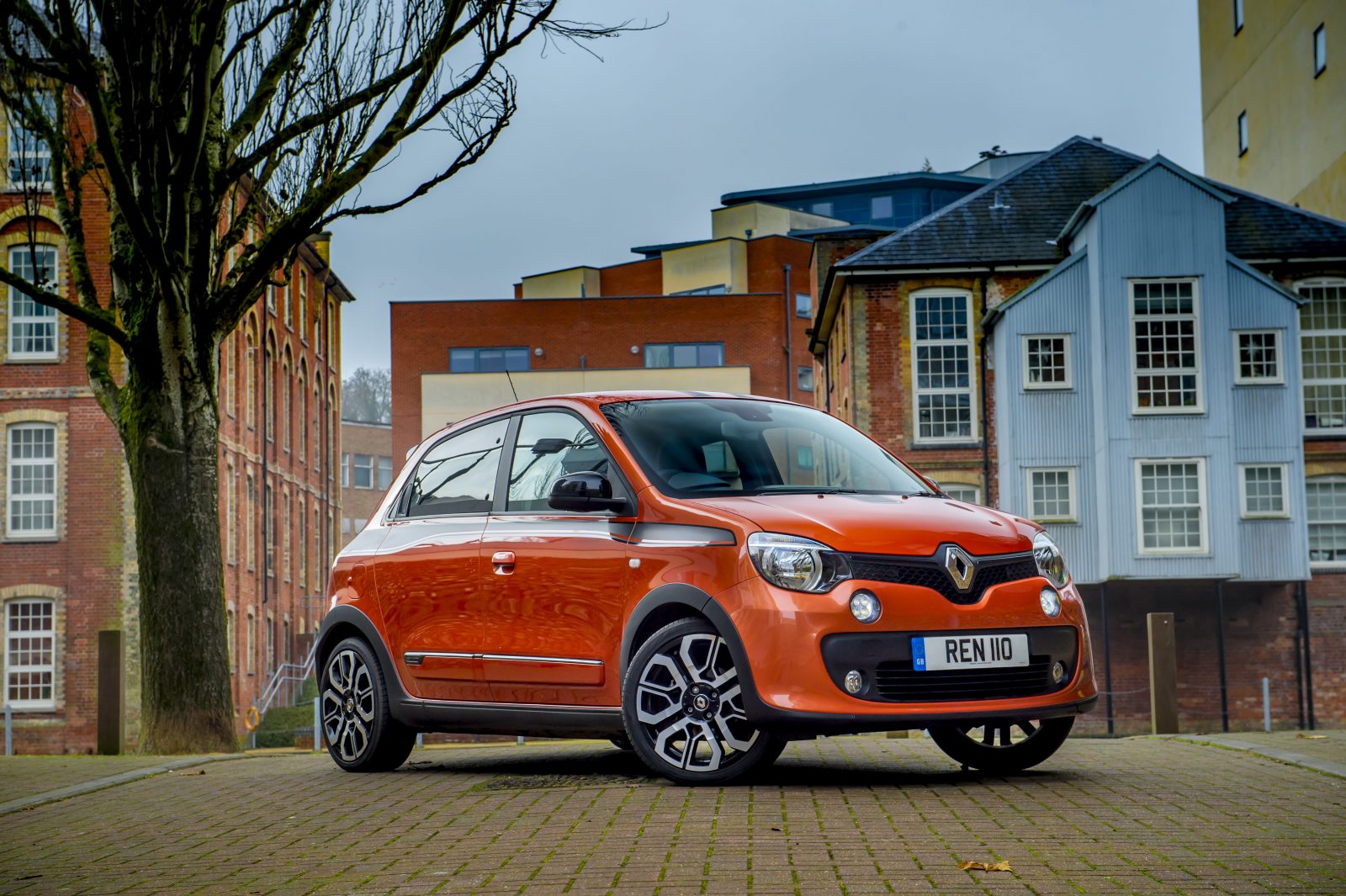
What else you should know
The Twingo combines low purchase costs with modest running costs. Insurance premiums tend to be low due to the modest engine outputs and its safety image. Road tax remains minimal thanks to the low weight and efficient engines.
Parking in tight spaces is no challenge thanks to the compact dimensions. The turning circle is small, which is particularly practical in urban environments. The boot space is limited, but sufficient for everyday use and small shopping trips.
On Carnews you will find extensive information on many more aspects of the Renault Twingo and comparable city cars. Discover detailed specifications, owner experiences and up-to-date market prices to further support your decision. Explore the website for a complete overview as you choose your next used car.
Frequently asked questions
When buying a used Renault Twingo, pay particular attention to the brakes: sticking brake calipers, dragging pads and warped discs occur regularly, especially on older generations. Check the suspension for worn control arms and torn ball joint boots, and during the test drive listen out for noises from the wheel bearings on poor road surfaces. Test the electronics, especially power steering and lighting, and avoid examples with poorly fitted non-original radios that can cause faults. Ideally, choose a well-maintained Twingo II 1.2 16V (preferably after 2011) or a Twingo III with a documented service history and, preferably, dealer warranty.
For enthusiasts who value driving dynamics and reliability, the Twingo II 1.2 16V (preferably after 2011) and the Twingo III are particularly recommended. The Twingo II 1.2 16V is known as very reliable, easy to repair and pleasant to drive. The Twingo III scores in tests as “extremely reliable” and, after the facelift, has a sharper, 10 mm lower suspension setup for better handling. For sporty drivers, the Twingo II RS versions are also interesting, with a sharper chassis and more lively driving characteristics.
The average maintenance costs of a used Renault Twingo are relatively low; expect amounts at the lower end of the scale within the city car class, provided that regular annual maintenance is carried out. Known costlier items include the brakes (sticking brake calipers, warping discs) and wear on wheel bearings and control arms, which can become expensive if discovered too late. On older Twingo I and early II models, brake repairs may be needed more often and therefore cost more in total. If you choose a younger Twingo II (after 2011) or a Twingo III with a documented service history, unexpected major repairs usually remain limited.
During the test drive, pay extra attention to the brakes: brake firmly several times and watch out for steering wheel judder, squealing or scraping noises (which may indicate sticking brake calipers or warped discs). Drive over speed bumps and uneven surfaces to listen for knocking or creaking from the suspension (possible worn control arms or wheel bearings). Test the power steering by turning sharply at low speed and listen for irregular noises or heavy steering, especially if an aftermarket radio is fitted. Finally, check whether the car tracks straight and does not pull to one side when the steering wheel is straight and under braking.