
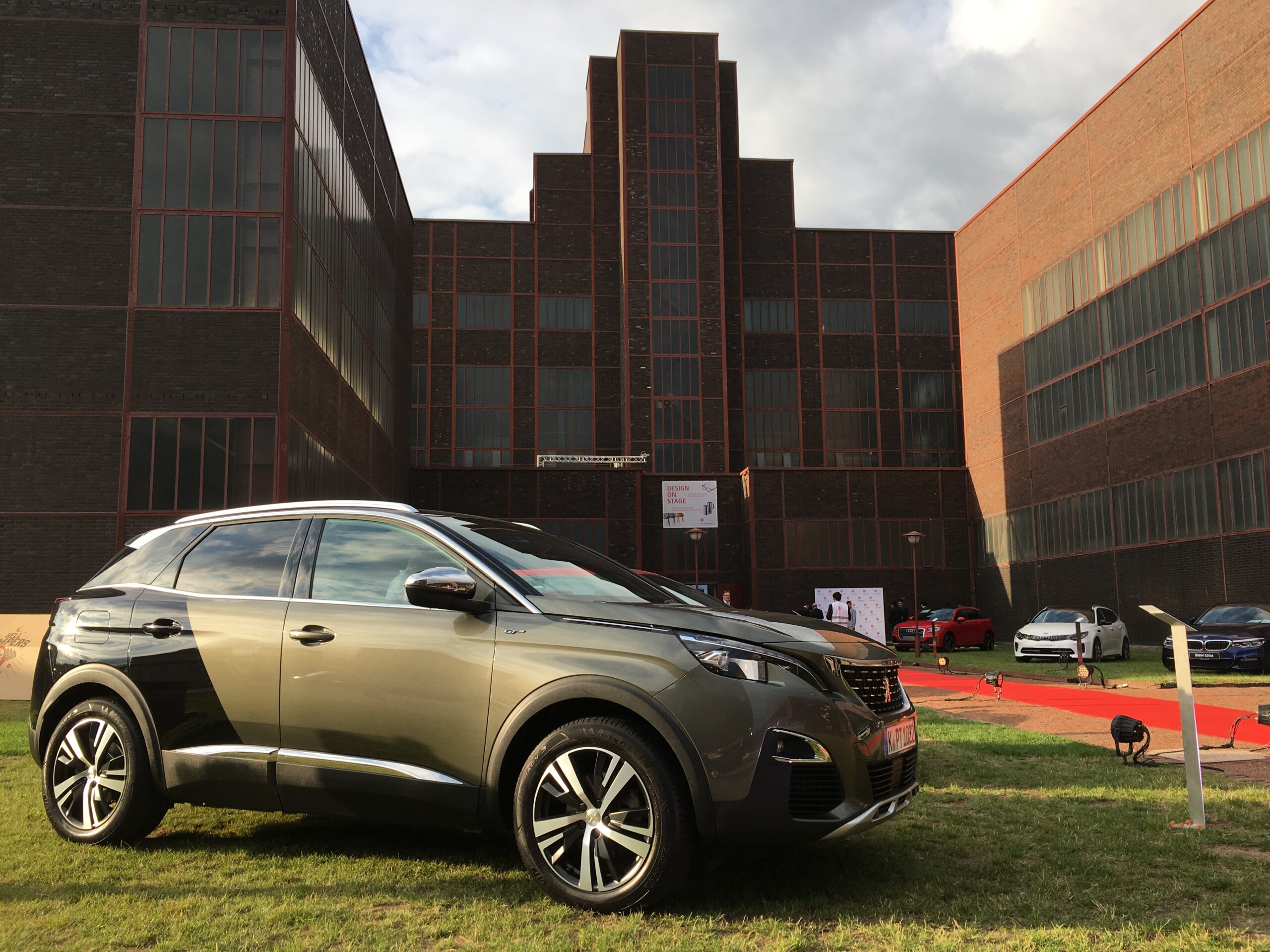
A used Peugeot 3008 offers a premium feel for a reasonable price. You do need to rule out the known risks. Service history, timing belt issues and electronics deserve special attention during a pre‑purchase inspection. This article helps you make the right choices during your search and test drive.
What to look out for with used Peugeot 3008s
The second generation Peugeot 3008 has been a popular sport utility vehicle (a higher‑riding family car with a rugged look) since 2016, with distinctive design and a comfortable interior. The wide range of used examples makes this car accessible for many budgets. Prices start at around €10,000 for older models and go up to €48,000 for recent plug‑in hybrids with low mileage.
When searching for a used car, focus mainly on the combination of engine, model year and trim level. The basic Access version is too sparsely equipped and even lacks alloy wheels and important options. Preferably choose the Allure or GT trim with sat nav, heated seats and adaptive cruise. These versions hold their value better and offer more driving comfort.
Always check the MOT, mileage and Car‑Pass to rule out fraud. For the Peugeot 3008 there are specific engine problems known that you can avoid by searching in a targeted way. The service history is the most important checkpoint here.
‘ The 1.6 THP engine is also best avoided because of known engine problems. ’
Known problems with the first and second generation
The 1.2 PureTech engine from the 2015 to 2018 production years has a serious issue with the wet timing belt (running in an oil bath). This belt can fail prematurely, leading to costly engine damage with repair bills above €5,000. Owners report that this problem occurs regularly, even on cars with a full service history.
The 1.6 THP engine is also best avoided because of known engine problems. It is better to opt for the 1.6 PureTech 180 or the 2.0 BlueHDi 180, both of which offer a better balance between performance and reliability. Models built after 2018 are generally more reliable thanks to improved engines and updates to the hybrid drive system.
For the plug‑in hybrid versions it is important to check how the previous owner used the car. Has the battery been charged regularly? Has the electric range actually been used? If so, the chance of problems is smaller. Always verify this at a specialist garage.
Check the service history thoroughly
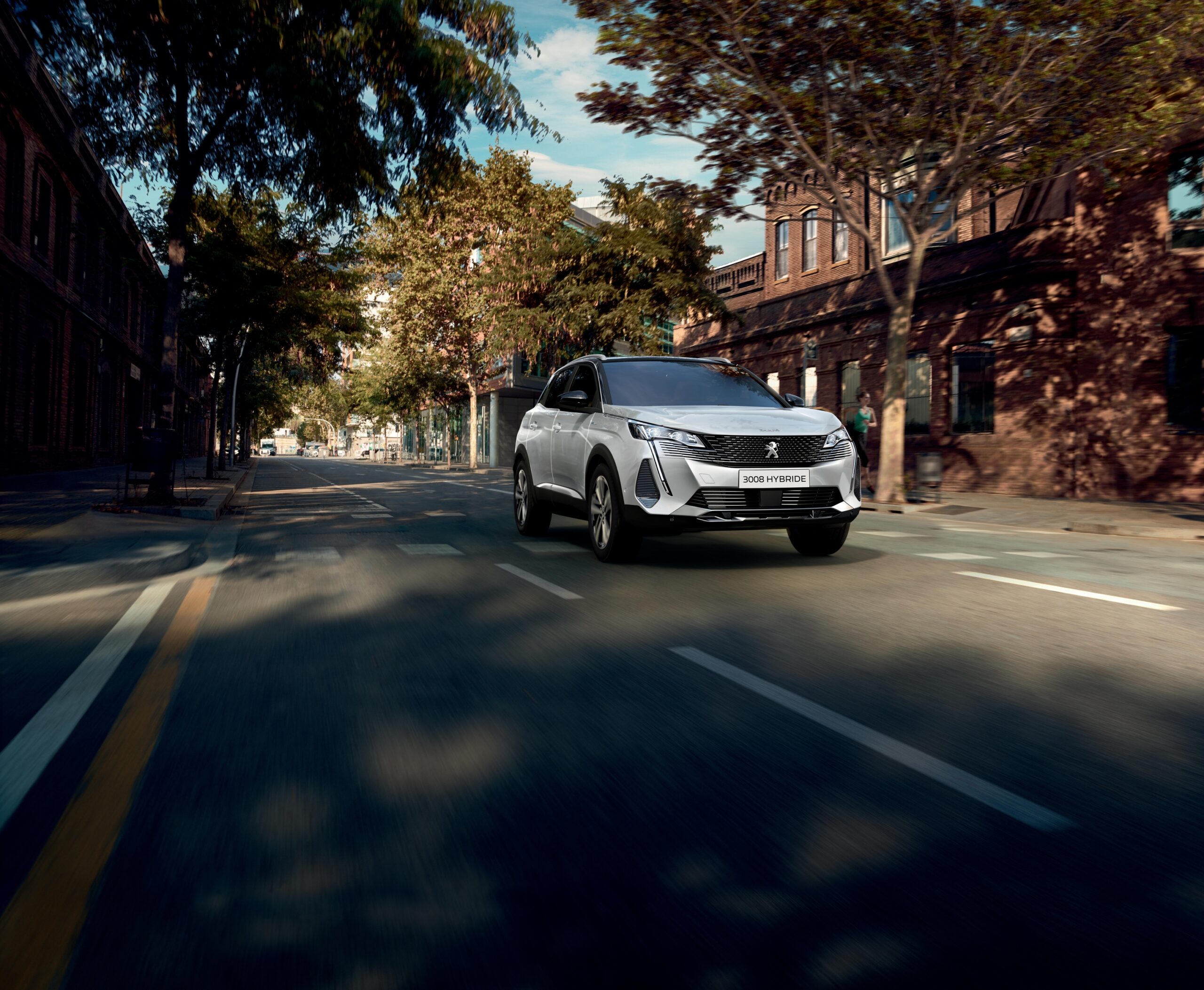
The Peugeot 3008 really needs a full main‑dealer service history. This is not a luxury. It is essential. Ask for concrete proof of the services carried out, especially around the timing belt, turbo and EGR valve (a component that recirculates exhaust gases to reduce emissions). If this information is missing, walk away. The risk of hidden defects is too great.
Pay particular attention to oil‑level checks and measurements of oil consumption on the 1.2 PureTech. These reports show the wear of the wet timing belt running in oil. Some owners check and document this preventively. Ask about it and accept nothing less than written proof.
For hybrid models too, the service history is decisive. Check whether the battery and charging system have been inspected according to the prescribed schedule. This prevents expensive surprises after purchase.
Test drive checklist for a used 3008
Visually inspect the exterior before you start the test drive. Look for small dents, paint damage and uneven tyre wear. These can point to accident damage or poor wheel alignment. Check that all lights work and that the windows close properly.
While driving, test the suspension. Drive over bumps and speed humps. Listen for knocking or rattling noises that may point to worn parts. The 3008 is known for its comfortable and quiet driving behaviour. Unusual noises are a warning sign.
Try the compact i‑Cockpit steering wheel. Check whether you have a clear view of the digital instruments. Not everyone gets used to this ergonomics. Also test all electronics:
- Navigation system and touchscreen
- Adaptive cruise control and lane‑keeping assistance (a system that keeps the car within its lane)
- Heated seats and climate control
- Parking sensors and reversing camera
- Panoramic roof and electric seat adjustment
Electrical faults do occur on the 3008. These faults are expensive to fix. Make sure everything works before you make an offer.
‘ For most buyers this is the wisest choice. ’
Which engine best suits your situation
Do you mainly make short trips and have access to a charging point? Then the plug‑in hybrid is a good choice. This version offers up to 80 kilometres of electric range and benefits from low vehicle excise duty (the annual road tax you pay for your car) and company car tax. Do bear in mind the higher purchase price and check that the battery is still in good condition.
Do you drive many miles per year? Then the 2.0 BlueHDi 180 diesel is an economical option. This engine is reliable and offers enough power for long distances. However, take into account the growing number of diesel bans in certain cities.
The 1.6 PureTech 180 petrol engine is an excellent compromise. This engine is smooth, powerful enough for all situations and has no major known issues. For most buyers this is the wisest choice.
Carrying out a pre‑purchase inspection
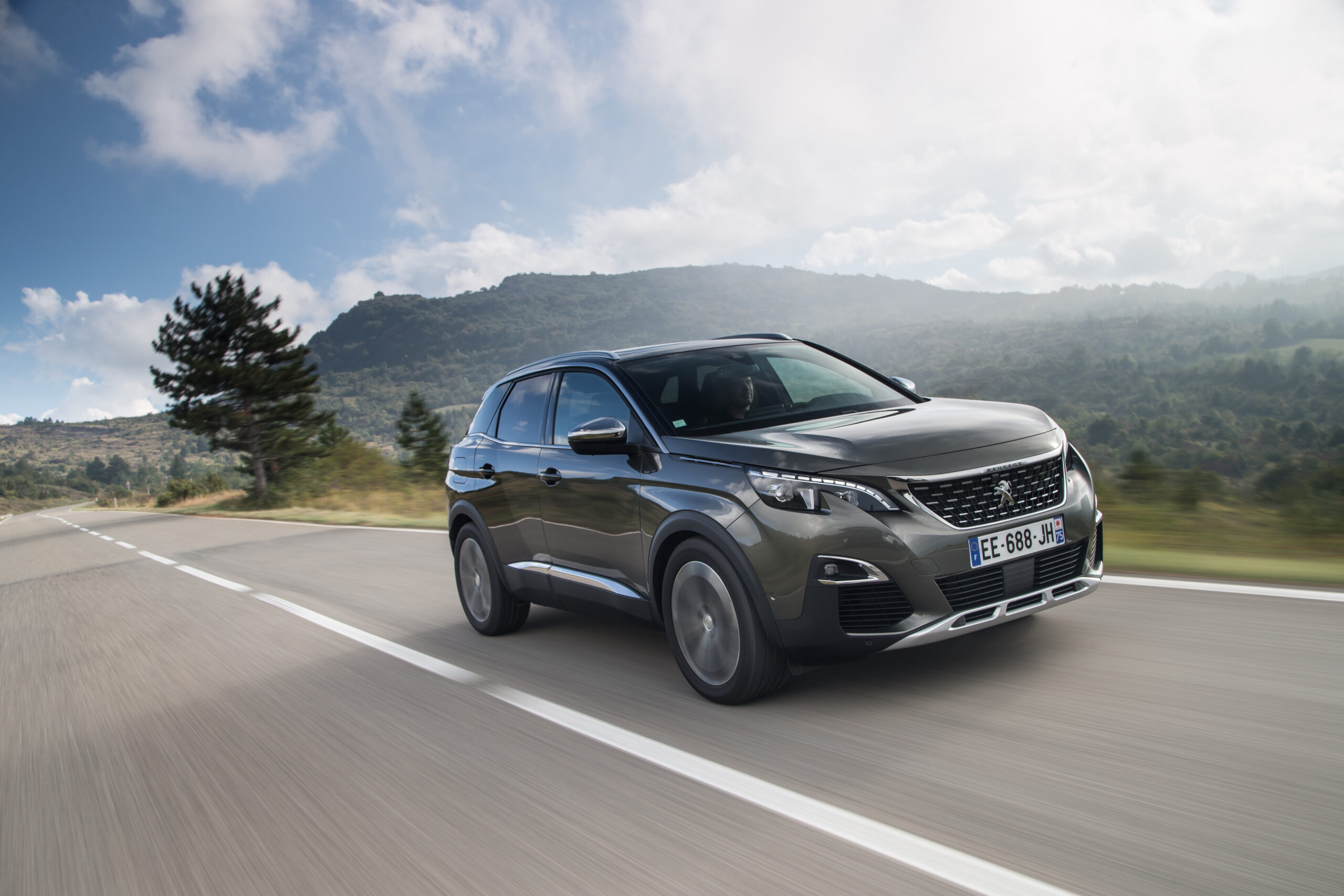
Always have a 99‑point check carried out by an independent garage or inspection body before you buy. This costs between €100 and €200, but prevents far higher expenses later. The inspection checks for engine issues, rust, brakes and suspension. The garage also checks the electronics.
Ask the garage specifically about the timing belt, oil consumption and operation of the turbo. On hybrid models the garage will also test the battery and charging system. A professional inspection gives you room for negotiation if any defects come to light.
If you are unsure about the condition of the car, walk away. There are thousands of used cars available, so a better option will always come along.
Costs and maintenance after purchase
The Peugeot 3008 has relatively low depreciation. This applies especially to the popular GT and Allure trims. Parts are reasonably priced. You can buy them from dealers or independent garages. Expect to pay between €200 and €400 for a service. The engine and the work required determine the final cost.
Plug‑in hybrids need extra attention for the battery and electrical system. These components are more expensive than on conventional engines. Take this into account when planning your budget. The discount on vehicle excise duty (MRB) partly compensates for this.
Insurance premiums are on average between €60 and €120 per month. Your age, place of residence and claim‑free years determine the final premium. The 3008 scores well in safety tests, which can help reduce the premium.
‘ This issue is the main reason to avoid pre‑2018 models with the 1.2 engine. ’
Real‑world experience from owners
On forums and in reviews, owners emphasise the comfort and space. They mention these as major plus points. The boot capacity of 520 to 1,482 litres makes the car suitable as a family car and for holiday trips. The AGR‑approved seats offer excellent comfort on long journeys.
At the same time, owners warn about the early PureTech engines. These engines have a timing belt running in an oil bath. This belt has snapped unexpectedly for several users, despite regular maintenance. This issue is the main reason to avoid pre‑2018 models with the 1.2 engine.
Hybrid owners are generally satisfied with fuel consumption and charging speed, especially for models built after 2018. The electric range in real‑world use broadly matches the quoted figures, provided the battery has been properly maintained.
Considering alternatives
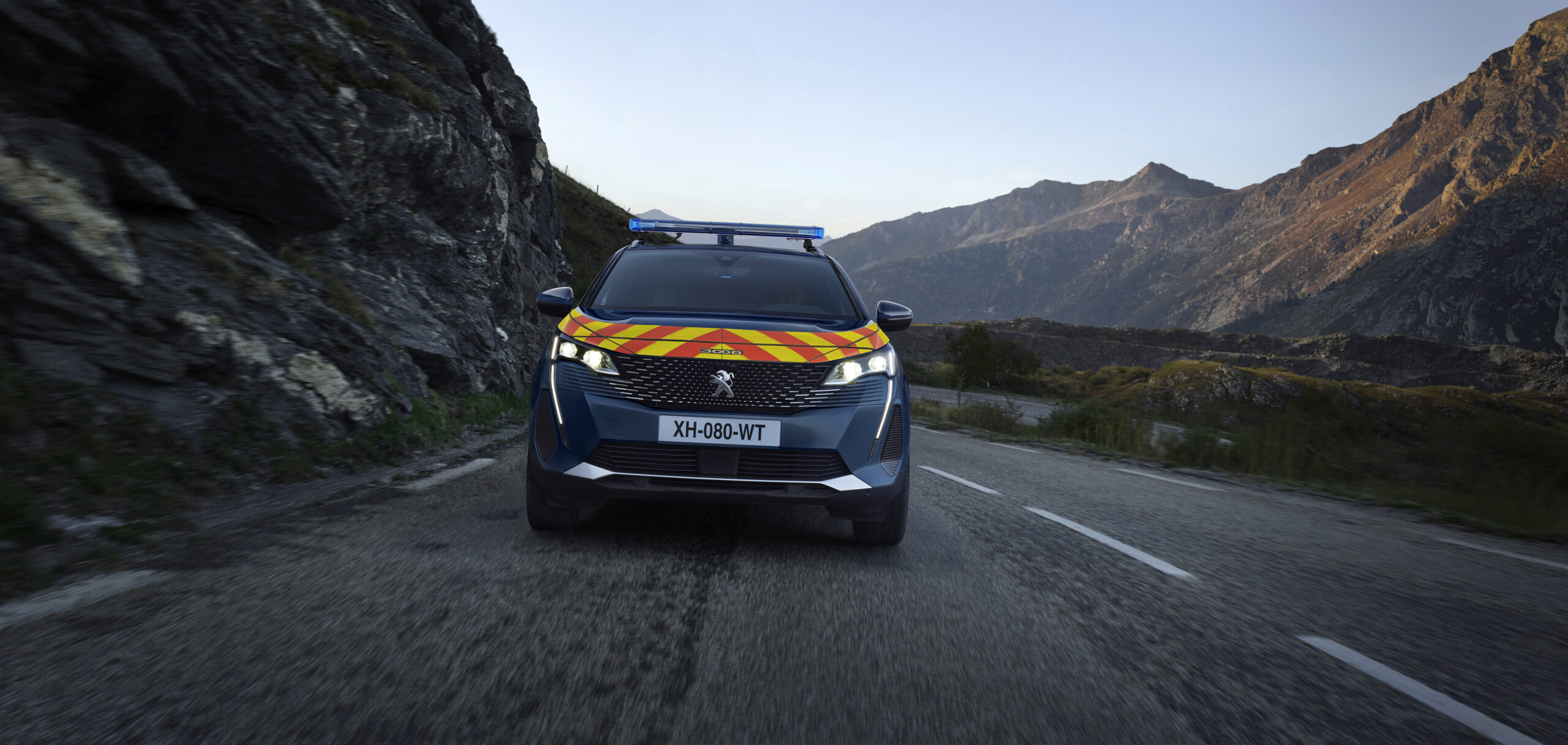
If you are looking for more space, consider the Peugeot 5008. This seven‑seater version offers similar comfort and design with extra seats. The engine options and known issues are largely identical to the 3008.
Are you looking for similar quality from another brand? Then the Seat Ateca or Skoda Karoq offer practical specifications and reliable engines for a comparable price. However, they lack the premium feel and distinctive design of the Peugeot.
On the Carnews website you will find more detailed information about the strengths and weaknesses of various SUV models. Discover which car best suits your needs and budget and make an informed choice.
Frequently asked questions
Known weak points are mainly the 1.2 PureTech engines from around 2015‑2018 due to wear on the wet timing belt, which can cause very expensive engine damage. Also avoid the 1.6 THP engine because of engine problems. When buying, look for a complete service history (especially timing belt, turbo, EGR) and check that all recall actions have been carried out. During the test drive, listen for noises from the suspension and check that all electronic systems in the i‑Cockpit are working properly.
The most reliable and value‑retaining choices are the 1.6 PureTech 180 and the 2.0 BlueHDi 180, provided they have been properly maintained. The plug‑in hybrids from around 2018 onwards are also attractive thanks to their low fuel consumption and relatively strong residual values. Ideally avoid the 1.2 PureTech from before the updates (around 2015‑2018) and the 1.6 THP because of known engine problems. Trims such as Allure and GT/GT‑Line are the most sought‑after on the market and therefore generally hold their value better than the basic Access entry‑level model.
In terms of fuel consumption, the Peugeot 3008 generally scores well compared with similar SUVs, especially in the plug‑in hybrid versions, which are clearly more economical in real‑world use. The 1.2 PureTech petrol engine is relatively economical, but if the known timing belt issues occur, it can lead to very high repair costs. The 1.6 PureTech 180 and 2.0 BlueHDi 180 offer a good balance between performance and fuel consumption, comparable to or slightly better than many competitors in this segment. Maintenance costs are average to slightly above average, depending on the engine variant and how strictly the maintenance schedule has been followed.
Essential are the comfortable AGR seats, at least the Allure or GT trim with items such as navigation, parking sensors/camera and preferably adaptive cruise control and heated seats. A panoramic roof and good safety features (blind‑spot monitoring, emergency braking system) increase everyday usability and residual value. Avoid the basic Access trim, as it is very sparsely equipped. Be extra critical of early 1.2 PureTech engines (2015‑2018) because of known timing belt issues.
During the test drive, watch out for irregular engine noise, vibrations and jerky gearchanges, and check that the car tracks straight and has no noises from the suspension or steering. Test all the electronics (i‑Cockpit, screen, cameras, sensors, air conditioning) and on poor road surfaces listen for creaks or rattles from the dashboard and interior. During the inspection, the mechanic should pay particular attention to the timing belt and oil quality (especially on the 1.2 PureTech), the turbo, EGR/particulate filter and any oil leaks. Also check the brakes, tyres and rust under the car, and ask for a full service history and any recall work carried out.