
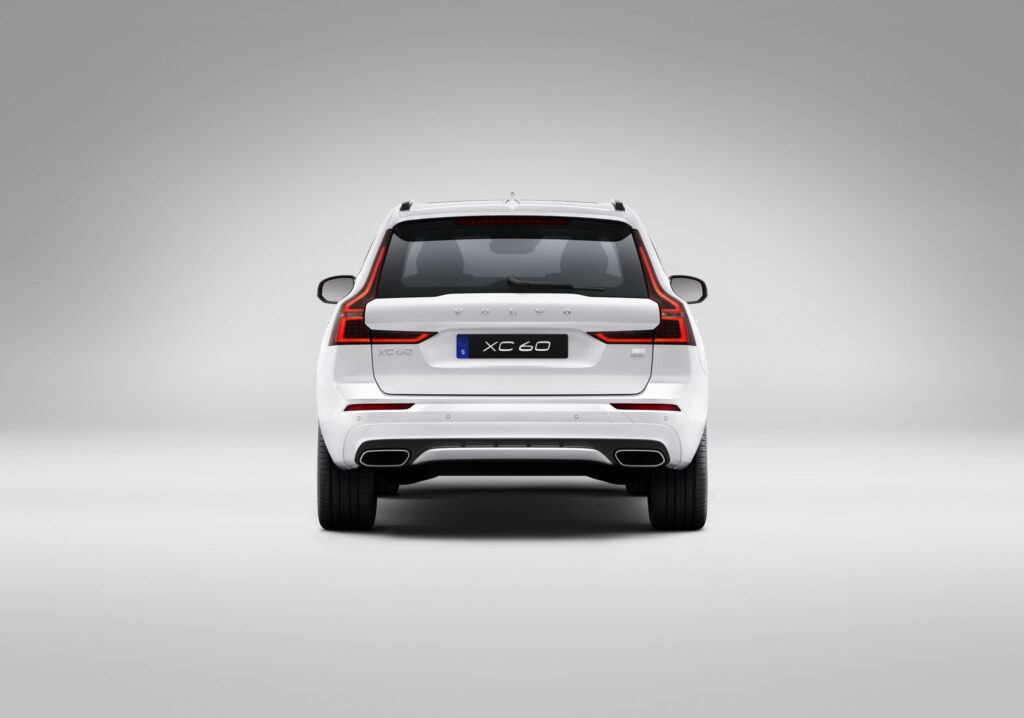
The 12V battery of the Volvo XC60 turns out to be a sensitive point, with owners regularly reporting premature failure after only two years of use. This short lifespan often goes hand in hand with malfunctioning central locking and a boot that does not close properly. This article explains where these problems come from and how they can be addressed.
Why does the XC60 battery fail prematurely?
The 12V battery is a well-known weak point in the Volvo XC60. Whereas a car battery normally lasts four to five years, XC60 owners sometimes see their battery give up after only two years. This problem stems from several causes that put the battery under heavier strain than in other models.
Low temperatures cause the battery capacity to temporarily drop below the required level. The car also consumes power while parked for systems that remain on stand‑by. In plug‑in hybrid versions such as the T6 and T8 this is even more of an issue, because the charge level drops further when the car is not charged for a longer period.
High temperatures are also a risk. The battery cooling is then activated, which puts extra load on the battery. Faulty electrical systems can mean the 12V battery is not properly charged while driving. A blown fuse or a hardware or software fault can be the culprit here.
Common causes of a flat battery
Several factors contribute to battery problems in the XC60:
- Low temperatures temporarily reduce the battery capacity below the functional level
- Not charging plug‑in hybrid models for a long time leads to gradual discharge due to stand‑by consumption
- Extreme heat activates the battery cooling and puts additional strain on the battery
- Faulty fuses or failures in electrical systems block charging while driving
- Ageing of the battery, with capacity noticeably decreasing after two years
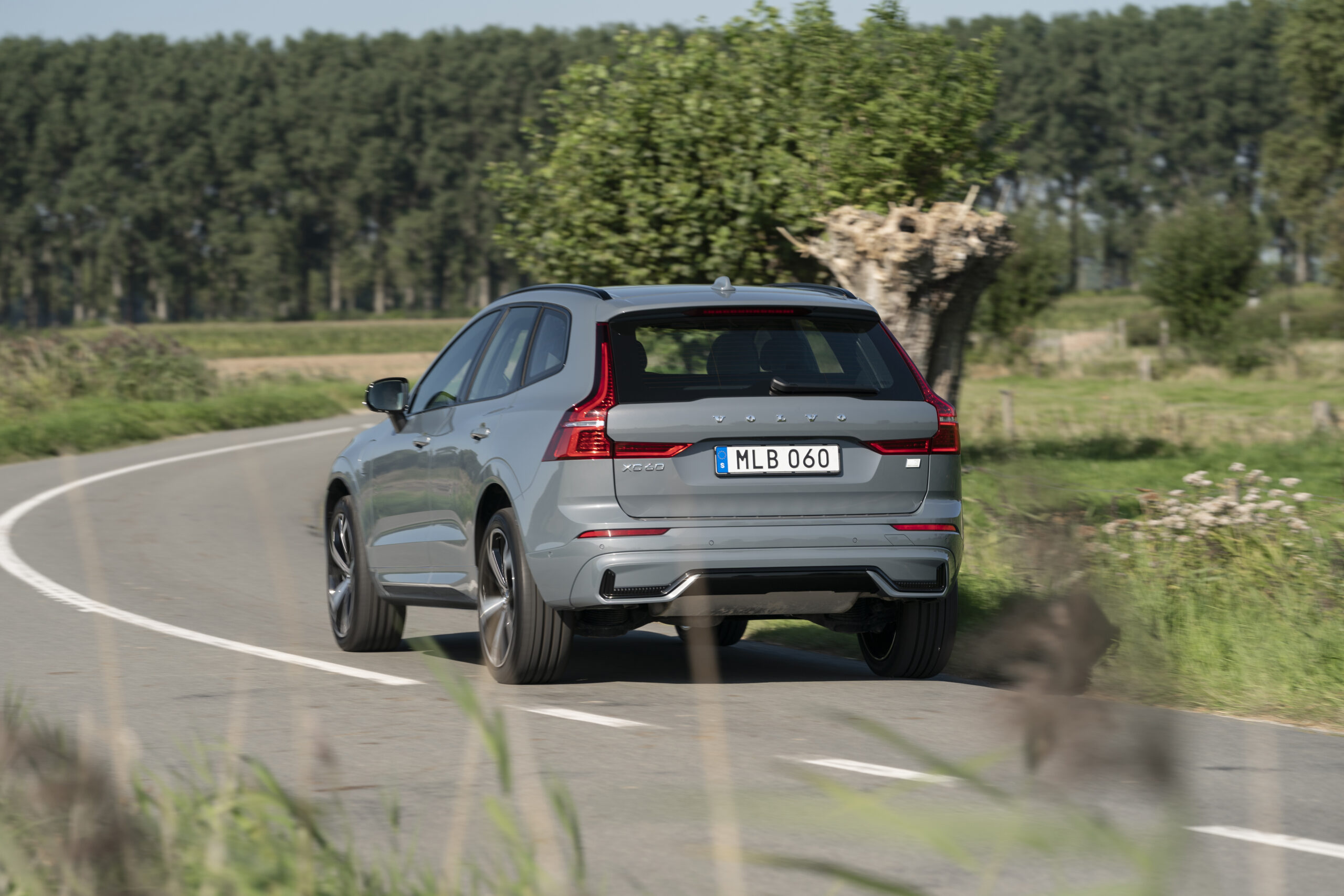
Can you spot a flat battery in time?
An almost flat battery often announces itself with recognisable symptoms. The central locking starts to act up and responds slowly or not at all to the remote control. This is because the battery does not supply enough voltage for the electronic systems.
The boot no longer closes properly because the electronic locking mechanism does not get enough power. In serious cases the car no longer responds at all to actions such as unlocking or starting. Many functions then fail completely.
In plug‑in hybrid models you will also notice that the main battery for the electric motor does not function properly. The T8 version normally goes from 0–100 km/h in around 4.9 seconds, but this performance drops significantly when the battery is flat. The car then feels sluggish and loses its hybrid advantages.
Replacing the XC60 battery: which type do you need?
Several battery types are available for the Volvo XC60, depending on the year of manufacture and engine version. The standard 12V battery usually has a capacity between 70Ah and 95Ah. Plug‑in hybrid models often require a battery with higher specifications because of the additional power consumption.
When replacing, choose a battery that meets Volvo’s specifications. A battery that is too small will once again lead to rapid failure and problems with electrical systems. An authorised Volvo dealer or specialist workshop can recommend the correct battery based on your car’s chassis number.
Plan to replace the battery when it is older than two years, especially if you regularly drive short distances or leave the car standing still for long periods. In plug‑in hybrid models it is wise to have the battery checked earlier, as these models place a greater load on the 12V battery.
‘ An external battery charger is the most reliable method. ’
Quick fixes for a flat battery
When your battery is flat, there are several ways to get back on the road quickly. An external battery charger is the most reliable method. Connect the charger to the battery terminals and charge the battery for several hours, following the charger’s instructions.
You can also use another car to start the XC60 with jump leads. Pay close attention to the correct order when connecting: first the red lead to the positive terminal of the flat battery, then the red lead to the positive terminal of the full battery. Next, the black lead to the negative terminal of the full battery and finally the black lead to an unpainted metal point on the car with the flat battery.
An external battery, also known as a power bank for cars, offers a mobile solution. These compact devices provide enough power to start the engine without the help of another car.
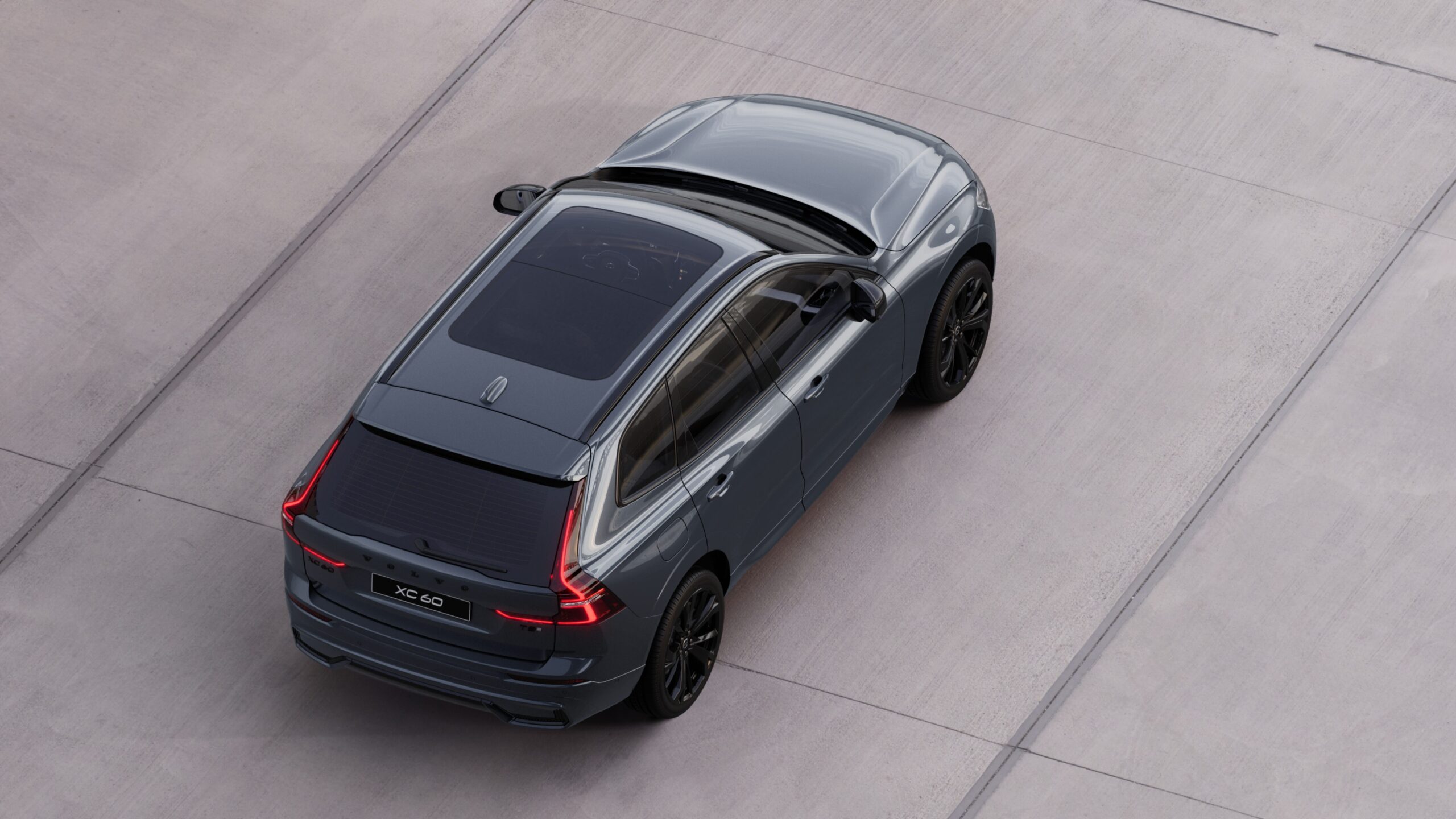
Central locking defective: what now?
Malfunctioning central locking in the XC60 is often directly linked to battery problems. When the voltage becomes too low, the electronic locks do not receive enough power to function correctly. This leads to delayed responses or complete system failure.
First check the battery and charge it fully. In many cases this already solves the issue. If the central locking continues to act up after charging, there may be a blown fuse. These fuses are usually located in the fuse box under the dashboard or in the engine bay.
A software fault can also be the cause. Modern Volvos have complex electronics that sometimes need a reset. A Volvo dealer can check this and install updates if necessary. If the problem persists, professional diagnosis is needed to rule out hardware faults.
Prevent battery problems with these tips
Regular charging is essential in plug‑in hybrid models, especially in winter. Do not leave the car standing for days on end with a low charge level. Stand‑by power consumption will drain the battery further, which in the long term will cause damage.
Take longer drives regularly to fully charge the battery while driving. Short trips do not give the battery enough time to recharge, especially when you use many electrical consumers such as heating and lights.
Where possible, park the car in a garage or sheltered environment during extreme temperatures. This reduces the strain on the battery from both cold and heat. Periodically check whether all electrical systems are functioning correctly and have fuses inspected if in doubt.
Keep an eye on the age of the battery. After two years, capacity in the XC60 noticeably decreases. Plan a replacement before you end up with a flat battery at an inconvenient moment. A preventative check at the garage can prevent a lot of hassle.
‘ This requires specialist knowledge and tools. ’
When do you need professional help?
Some battery problems require professional diagnosis. When charging or replacing the battery does not help, there may be an underlying electrical issue. A Volvo workshop has specific diagnostic equipment to trace faults in the electrical system.
If problems with the central locking and boot continue after battery replacement, this points to a fault in the locking mechanism itself or in the control electronics. This requires specialist knowledge and tools.
In plug‑in hybrid models, problems with the main battery can also occur. This large battery for the electric motor has different causes and solutions than the 12V battery. An authorised garage can check both systems and distinguish between the different battery issues.
On the Carnews website you will find much more information about common problems with Volvo and other brands. Discover useful maintenance tips, practical solutions for technical faults and experiences from other owners. Explore the site and stay up to date with everything you need to know as a car enthusiast.
Frequently asked questions
The most common symptoms are that the car no longer unlocks, or unlocks poorly, and/or will no longer start. Several electronic functions may also fail at the same time or display error messages. In plug‑in hybrids, the car sometimes does not respond at all to controls when the batteries are flat. In severe cases, hardly any of the car’s functions still work.
The lifespan of the battery in a Volvo XC60 is mainly influenced by temperature (extreme cold or heat), how often and how deeply the battery is discharged, standing still for long periods without (re)charging and any faults in the electrical system (such as fuses or the charging system). For plug‑in hybrids, how regularly you charge the main battery and whether the car is parked for long periods with an almost flat battery also play a role. You optimise the lifespan by using and/or charging the car regularly, avoiding extremely cold or hot parking locations as much as possible, and having the battery checked periodically at an authorised Volvo workshop. If necessary, you can have the 12V battery tested or replaced preventatively after a few years to avoid failures.
In principle you can replace the 12V battery of a Volvo XC60 yourself if you have basic knowledge of automotive electrics and use the correct battery. In modern (and certainly hybrid) XC60s, however, the energy system often requires learning or reset procedures for which diagnostic tools are needed. For plug‑in hybrids and where there are fault messages, replacement by an authorised Volvo workshop is strongly recommended. Always check the manual or dealer information for your specific model year and version.
The most effective diagnostic tools are a professional battery tester (load and capacity test) and reading out the vehicle via the OBD diagnostic port to check the charging system and fault codes. A good multimeter is also useful to measure voltage at rest, during starting and with the engine running. For plug‑in hybrids, the diagnostic equipment of the Volvo dealer or specialist is also important to read out the condition of the high‑voltage battery. By using these tools periodically, ageing or charging problems can be detected at an early stage.
In the available information there are no specific ‘alternative battery types’ or official upgrades for the Volvo XC60 mentioned that demonstrably improve reliability. It is recommended, however, to replace the 12V battery in good time (often around two years) and to maintain good maintenance and charging habits in order to limit problems.