
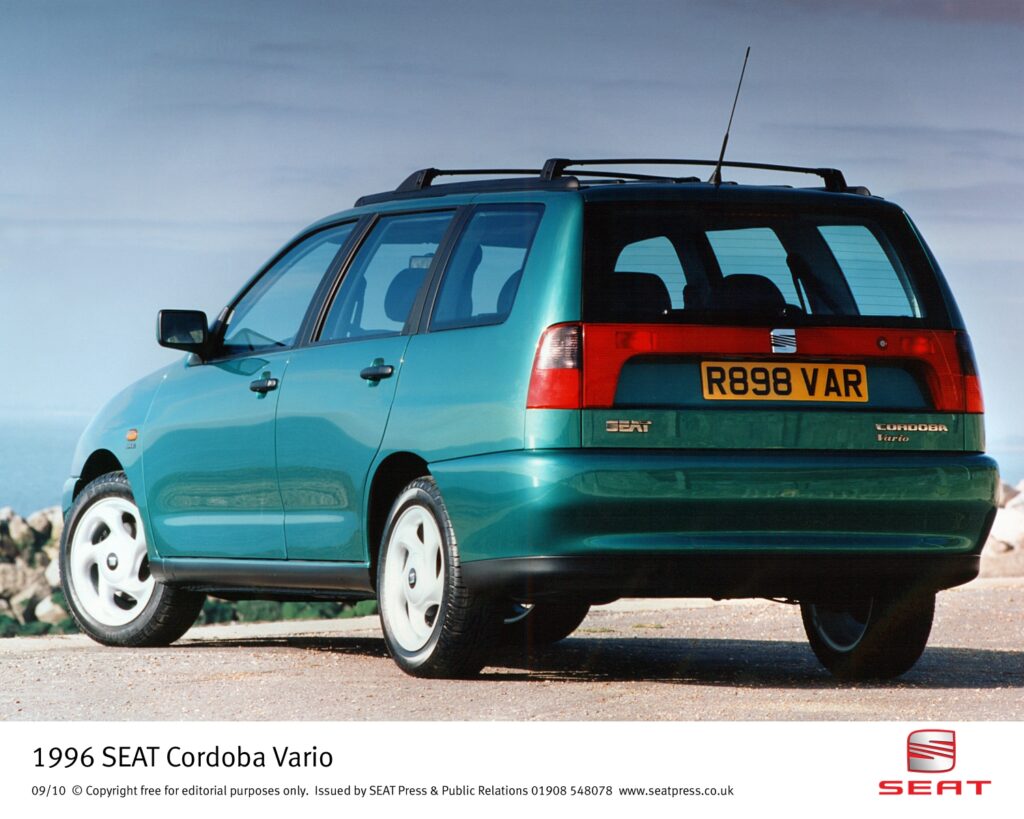
An excessively long braking distance, groaning brake drums or an ABS warning light that stays on: brake problems with the Seat Cordoba occur regularly and call for targeted checks of pads, discs and hydraulics. These issues often point to wear or ageing components that can only really be remedied by cleaning or replacement. Read on to discover which symptoms you need to recognise and how to tackle them.
Why does my Seat Cordoba take so long to brake?
An extended braking distance is one of the most frequently reported problems with the Cordoba. This is usually caused by worn brake pads or discs that no longer provide sufficient grip. When the pads become too thin, braking performance decreases. In addition, moisture or air in the brake fluid can make the pedal feel spongy and increase the braking distance.
Older Cordobas often have brake fluid that has not been refreshed regularly. The fluid absorbs moisture, which lowers the boiling point and can cause vapour bubbles to form under load. This results in a softer pedal and less direct braking response. Sticking brake callipers are also common, preventing the pads from pressing properly against the disc.
Check the following if your braking distance feels too long:
- The thickness of the brake pads and the condition of the brake discs
- The level and colour of the brake fluid (dark or cloudy is a warning sign)
- The pedal feel: a spongy or excessively deep pedal points to air or a leak
- Whether the brake callipers move freely and are not seized due to rust or dirt
If in doubt, have the braking system bled and the fluid replaced. With older cars, replacing the brake fluid as a preventive measure is a good habit, especially if the maintenance history is unclear. You can find more information about technical issues on the Seat Cordoba problem page.
Solving ABS problems on the Seat Cordoba
An illuminated ABS warning light on the dashboard is a common complaint among Cordoba drivers. This can have various causes, from dirty sensors to defective ABS modules. The wheel speed sensors are located close to the brake discs and are often contaminated by brake dust, mud or metal particles. As a result, they register irregular signals and the ABS switches itself off.
In some cases, the problem lies deeper. A faulty ABS pump or a defect in the ABS module requires professional diagnosis with a diagnostic tool. Older Cordobas sometimes suffer from ageing electrical connections or damaged wiring around the sensors, which cause faults when exposed to moisture or vibrations.
Options for dealing with ABS faults:
- Have the fault code read at a garage to identify the exact cause
- Clean the wheel speed sensors with ignition cleaner or brake cleaner
- Check the wiring around the sensors for breaks or corrosion
- Replace defective sensors; this is often an affordable solution
- In case of recurring faults, have the ABS module tested by a specialist
Do not drive for too long with an inactive ABS system. The brakes will still work, but without ABS you lose an important safety feature during emergency stops or on slippery roads. If in doubt, professional inspection is always advisable.
Preventing brake pad wear on the Seat Cordoba
Rapid brake pad wear is a known issue with the Cordoba, especially on models used extensively in town. Frequent acceleration and braking significantly speeds up wear. The quality of the brake pads also plays a role: cheap pads from unknown brands often wear faster and produce more dust.
Causes of accelerated brake pad wear:
- Sticking brake callipers that keep pressing
- Uneven contact between pad and disc due to contamination or rust
- Pads running on discs that are too thin or warped, causing uneven pressure
- Driving style with lots of hard braking
- Use of low-quality brake pads
When replacing, choose brake pads from a well-known brand with good heat resistance. This extends their service life and improves braking behaviour. Always have the brake discs checked when replacing the pads. Warped or too-thin discs cause uneven wear and should be replaced at the same time.
Preventive maintenance helps keep costs under control. Visually check the brake pads at least once a year and have their thickness measured during the MOT. Clean the brake callipers regularly and grease the guide pins to prevent seizing. This will keep the braking system in good condition for longer.
Dealing with squeaking and creaking brakes
Squeaking brakes are an annoying but very common complaint with the Cordoba. The noise usually arises from vibrations between the brake pad and the disc. Dirty discs, worn pads or missing anti-vibration shims are the main causes. Sometimes new brake pads squeak as well, especially during the bedding-in period.
Creaking noises often indicate seized guide pins or dry mounting points. The brake callipers must move freely to brake evenly. If the guide pins seize due to dirt or lack of lubrication, creaking or grinding noises occur. In severe cases this can lead to unevenly worn pads and uneven braking.
Solutions for noise while braking:
- Clean the brake discs with brake cleaner to remove dust and deposits
- Check that the anti-vibration shims are still present and correctly fitted
- Grease the brake calliper guide pins with heat-resistant grease
- Replace pads that are too thin and making metal-to-metal contact
- If noise persists, have the callipers and discs professionally inspected
Squeaking brakes are not immediately dangerous, but do not ignore the warning. They often indicate wear that will spread to more expensive parts such as discs or callipers. Acting early saves on repair costs.
Vibrations and pulling brakes on the Cordoba
Vibrations in the steering wheel or brake pedal while braking are often caused by warped brake discs. This happens when the discs have been heated unevenly or have become too thin due to wear. The brake pads then alternately make more and less contact, which is felt as a pulsing movement.
A car that pulls to the left or right when braking indicates brakes that are not working equally. This is usually due to a sticking calliper on one side, which results in less braking force on that wheel. Major differences in wear between left and right can cause the same effect. In addition, suspension problems or unevenly worn tyres can accentuate the feeling.
Check the following when you experience vibrations or pulling while braking:
- Whether the brake discs show warping or deep wear marks
- Whether all brake callipers move evenly and are not seized
- The thickness of the brake pads on the left and right of each axle
- The condition of the tyres and whether they are wearing evenly
- Whether wheel balancing and alignment are in order
Warped brake discs need to be replaced. Sometimes a garage can skim them, but if the discs are thin, replacement is essential. Sticking callipers require cleaning, lubrication or replacement. Do not ignore pulling brakes, as they directly affect handling and safety.
Maintaining rear brake drums
Many Cordobas have brake drums at the rear instead of discs. These drums are robust but do require specific maintenance. Groaning or scraping noises often indicate dirty drums or worn linings. Brake dust and dirt build up inside the drum, which degrades performance.
With older Cordobas that have spent a lot of time outdoors, rust inside the drums can become a problem. This affects the smooth inner surface and results in uneven contact with the brake shoes. The handbrake, which operates through the rear brakes, can also seize due to rust or aged cables.
Maintenance tips for brake drums:
- Have the drums opened and cleaned of dust and dirt at regular intervals
- Check the thickness of the linings and replace them if they are excessively worn
- Test the handbrake and have the cables checked for rust
- Replace the drums if there are deep rust grooves or cracks
- Have the rear brakes properly adjusted for optimum performance
Brake drums last longer than discs, but they still require attention. During a major service, it is wise to remove the drums and inspect them visually. This prevents unpleasant surprises and keeps the rear brakes reliable.
Keeping hydraulics and brake fluid in good condition
The hydraulic system is the foundation of properly functioning brakes. On the Cordoba, problems with ageing brake fluid are common, especially on cars with an incomplete service history. Brake fluid absorbs moisture from the air, which lowers the boiling point. Under heavy braking, the fluid can then boil, causing vapour bubbles and a loss of pedal.
Leaks in the system also occur. Old brake lines, worn seals in the master cylinder or leaking callipers lead to a loss of brake fluid. A level that is too low allows air into the system and causes a loss of brake pressure. Regularly check the fluid level in the reservoir under the bonnet.
Points to watch for the hydraulics:
- Replace brake fluid every two years or according to the service schedule
- Check for leaks at the callipers, cylinders and lines
- Watch out for dark or cloudy fluid as a sign it needs replacing
- Have the system bled after repairs or if the pedal feels spongy
- Replace corroded brake lines to prevent leaks and failure
Good maintenance of the hydraulics prevents costly repairs and keeps the brakes reliable. If you are unsure about the pedal feel or fluid level, immediate inspection is necessary. Brakes are too important to take risks with.
Inspection before purchase or if you are unsure
When buying a used Cordoba, the braking system deserves extra attention. Many examples have covered a high mileage and maintenance is not always fully documented. During the test drive, consciously pay attention to the braking behaviour at different speeds and in different conditions.
Test whether the car brakes in a straight line without pulling to one side. Listen for noises such as squeaking, groaning or scraping. Feel whether the brake pedal feels firm and direct or rather spongy and going too far down. Visually inspect the brake discs for deep grooves, rust spots or uneven wear. Also look at the tyres: unevenly worn tyres can indicate brake or suspension problems.
Checklist for inspecting the brakes:
- Pedal feel: firm and consistent, not spongy or going too deep
- Braking behaviour: braking in a straight line without pulling or vibration
- Noises: no squeaking, groaning or scraping sounds
- Brake fluid level and colour: clear and at the correct level
- Visual condition of discs and pads: sufficient thickness, no deep grooves
- ABS warning light: should go out after starting and stay off while driving
- Handbrake: must hold the car securely on a slope
If you are in any doubt, a professional inspection is advisable before you buy. A garage can thoroughly check the braking system and assess the condition of the hydraulics, pads and discs. This prevents unpleasant surprises shortly after purchase.
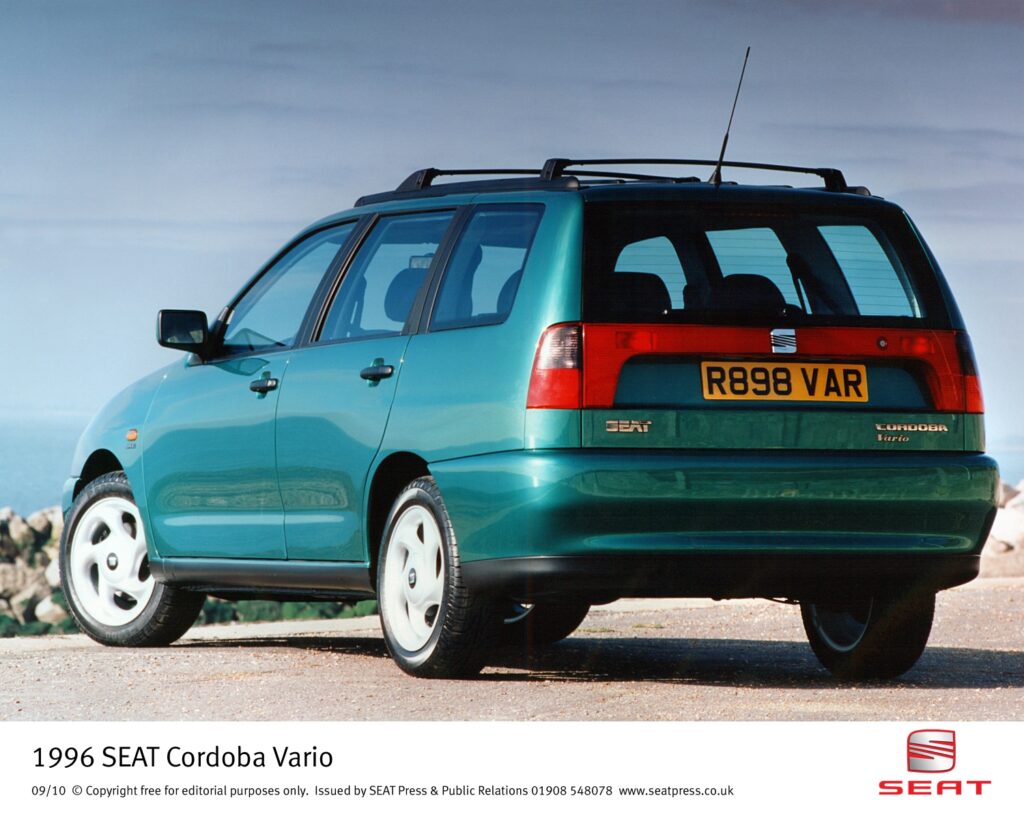
Discover more about the Seat Cordoba
Brake problems with the Seat Cordoba can usually be resolved with targeted maintenance and timely replacement of worn parts. From brake pads and discs to ABS sensors and brake fluid: regular checks keep the brakes reliable and safe. On the Carnews website you will find much more information about common problems, maintenance tips and technical background on the Cordoba and other models. Find out more and stay up to date with everything you need to know as a car enthusiast.
Frequently asked questions
What are the most “common symptoms” of brake problems on a Seat Cordoba and how can I “diagnose these correctly”?
The most common symptoms are squeaking or scraping noises when braking, vibrations in the pedal or steering wheel, a spongy or very hard brake pedal and a car that pulls to one side or brakes unevenly. Diagnose this by doing a test drive with several braking manoeuvres (both gentle and hard) and paying attention to noises, vibrations and straight-line braking. Then visually check the brake pads and discs for wear, rust and grooves, and assess the brake fluid level and colour. If in doubt, have a brake test and an inspection of callipers, lines and hydraulics carried out in a workshop.
Which “specific weak points” in the braking system of the Seat Cordoba often lead to “recurring problems” and how can I “tackle these effectively”?
The specific weak points are usually worn or warped brake discs and pads, sticking brake callipers and old or contaminated brake fluid, often combined with rust and wear due to the age of the car. As a result, recurring issues arise such as squeaking, vibrations, uneven braking and a spongy or inconsistent pedal feel. Tackle this effectively by replacing all wear parts (discs and pads) in complete sets, cleaning or overhauling the callipers and fully flushing the system and bleeding it with fresh brake fluid. On older Cordobas, also have the entire braking system visually inspected at regular intervals for rust, leaks and uneven wear to prevent a repeat of the problems.
Which “preventive maintenance tips” are crucial to extend the “service life of the brakes” of a Seat Cordoba and prevent “costly repairs”?
Crucial measures include regularly checking the thickness and condition of the brake pads and discs and replacing them in good time to prevent pads wearing right through and damaging the discs. Have the brake fluid changed every two years (or according to the service schedule) and the system bled to avoid moisture, corrosion and reduced braking power. Make sure that brake callipers and guide pins stay clean and free-moving so the brakes do not drag or wear unevenly. Respond immediately to squeaking, vibration or a change in pedal feel and have the braking system inspected straight away.
What “cost indication” can I expect for common “brake repairs” on a Seat Cordoba, such as “replacing discs and pads” or “overhauling brake callipers”?
For a Seat Cordoba, the costs for replacing brake discs and pads on one axle are usually roughly between €250 and €450, depending on the brand of parts and labour rate. Overhauling or freeing up a brake calliper often costs around €100–€200 per calliper, while complete replacement is more likely to be in the region of €200–€350 per calliper. For both front and rear axles together, you will quickly reach between €500 and €900 for a major brake service (discs and pads, possibly one or two callipers and changing the brake fluid). These are indicative amounts at independent garages; main dealers are usually at the upper end of these ranges.
Are there any “performance-oriented upgrades” or “improved brake components” available for the Seat Cordoba that significantly increase “braking power and durability” for “sporty driving”?
Yes, for the Seat Cordoba there are performance-oriented brake upgrades available from aftermarket suppliers, such as sport brake pads and ventilated or drilled brake discs. These components usually offer better heat resistance and less fading under repeated hard braking, which benefits braking performance during sporty driving. Reinforced brake hoses (braided steel) and high-quality brake fluids are also available, improving pedal feel and durability. It is important to match the upgrades to each other and have them fitted by a specialist, especially if you drive intensively or sportily.