
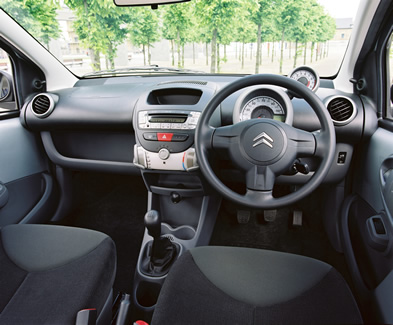
The start-stop system in modern cars automatically switches off the engine when stationary to save fuel. Many Citroën Jumpers and other vehicles regularly suffer from faults due to battery issues, sensor failures or software errors that temporarily or permanently deactivate the system. These faults are often noticeable through a warning light on the dashboard or the engine simply no longer switching off when the car is stationary. Curious what the most common causes are and how to tackle these problems effectively?
What exactly does a start-stop system do
The start-stop system ensures that the engine automatically stops as soon as you come to a standstill, for example at a traffic light. As soon as you want to pull away again, the system restarts the engine immediately. In a manual car this usually happens after pressing the clutch and brake. In an automatic, the system activates as soon as you release the brake pedal or accelerate. This technology saves fuel and reduces emissions, especially in urban traffic with lots of stops.
The operation of the system depends on various conditions. The engine must be at operating temperature, the battery sufficiently charged and certain electrical consumers must not draw too much capacity. External factors such as outside temperature and the setting of the climate control system also play a role. In Citroën Jumper models it regularly occurs that the system switches itself off during short journeys or cold weather.
Why is my start-stop system no longer working
A very common cause is a battery in poor condition or with too low a state of charge. The start-stop system places higher demands on the battery than a conventional starting system. Ageing, loss of capacity or insufficient charging can mean that the system is temporarily not activated. In many cases the battery is still strong enough to start the car, but not powerful enough for repeated start-stop cycles.
Other technical causes that can block the system are:
- Defective or incorrectly calibrated sensors such as brake pedal sensors, clutch signals or bonnet switches
- Problems with the alternator or charging system, meaning the battery is not properly charged
- Software errors or adaptation issues after tuning or ECU modifications
- High electrical load from air conditioning, heated rear window or other power consumers
- Incorrect battery replacement where the battery management system has not been reset
In practice it turns out that especially with commercially used vehicles with lots of short journeys and idling, the chance of faults is greater. The system then does not get enough time to fully recharge the battery.

Signs that something is wrong with your system
You will usually notice fairly quickly that the start-stop system is no longer functioning properly. The engine no longer switches off when stationary, even though it normally would. The start-stop light or a warning message on the dashboard may also stay on. Some drivers notice that the system only works occasionally, for example only after longer journeys when the battery is better charged.
Other signs are a battery that seems to discharge more quickly, or a car that starts more slowly than normal. In some cases an engine warning light or another error message appears on the dashboard. These warnings may indicate a broader fault that is also affecting the start-stop system.
Can I switch off the start-stop system
In most cars you can switch off the start-stop system manually via a button on the dashboard. This deactivation is usually temporary and is reset each time the car is started again. The system then reactivates automatically unless you switch it off again. This option is useful if, in a specific situation, you would prefer the engine not to keep switching on and off.
Some drivers choose to have the system permanently disabled via a software modification or a plug-and-play module. This is technically possible, but may affect your car’s warranty. It can also lead to higher fuel consumption and emissions, because the engine runs more often while stationary. In commercial use and intensive city driving the system is sometimes experienced as annoying, especially when it behaves unpredictably due to faults.
‘ The engine then keeps running at every stop, which costs extra fuel. ’
How does the system affect fuel consumption
A properly functioning start-stop system can reduce fuel consumption by around 5 to 10 percent, depending on your driving style and the amount of city traffic. The greatest saving is seen in situations with lots of stops, such as in traffic jams or heavy city traffic. On longer motorway journeys the impact is minimal, because the engine hardly ever comes to a stop.
When the system is not working properly or has been fully deactivated, you miss out on this saving. The engine then keeps running at every stop, which costs extra fuel. This effect is particularly noticeable on short trips with lots of stops. At the same time, a defective start-stop system can also lead to extra battery load and charging problems, which means the alternator has to work harder and indirectly uses more fuel as well.

Practical tips for diagnosis and repair
Always start by checking the battery. Don’t just measure the voltage, but also have the real condition and state of charge tested at a garage or with a battery tester. In many cases a weak battery is the direct cause of start-stop problems. Sometimes a battery appears to be defective but recovers after proper external charging.
Have fault codes read if a warning light is on. Another fault in the car may be deactivating the start-stop system as a precaution to prevent further problems. Sensors and switches such as the brake pedal switch, clutch, seatbelt and bonnet switch must all function correctly. If in doubt, you can temporarily switch off heavy electrical consumers to test whether the system then becomes active.
After replacing the battery it is necessary to perform a BMS reset or a specific OEM procedure. This ensures that the battery management system correctly recognises the new battery and controls the charging system properly. Without this reset the system may continue to control things incorrectly and start-stop may not work properly. After tuning or software modifications a professional diagnosis may be needed to make start-stop compatible again with the new settings.
Specific points of attention for intensive use
Vehicles that are used commercially and intensively, such as vans and company vehicles, often make short trips with lots of stops and electrical load. This increases the likelihood that the start-stop system will be temporarily blocked. The battery does not get enough time to fully recharge, so the system switches itself off to prevent the battery from being discharged too deeply.
If your car consistently covers few miles or mainly does short journeys, regularly charging the battery externally is important. This prevents deep discharge and extends the battery’s service life. During maintenance it is sensible to check whether the correct battery type has been fitted. Start-stop systems often work with a heavier or more specific battery than a standard one, such as an EFB or AGM battery.
After repairs to the battery or electronics it should be checked whether the charging strategy and battery adaptation have been correctly reset. This prevents the system from receiving incorrect information about the battery status and switching itself off unnecessarily.
Checklist for start-stop problems
If you are experiencing start-stop problems, go through these steps to track down the cause:
- Have the battery condition professionally tested, don’t just measure the voltage
- Check the charging system and the operation of the alternator
- Have fault codes read at a garage with the right diagnostic equipment
- Check sensors and switches such as brake pedal, clutch, seatbelt and bonnet switch
- Carry out a BMS reset after battery replacement or have a specialist do this
- Include any software modifications or tuning in the diagnosis
By systematically going through these points, in many cases you can quickly find out why the start-stop system is no longer working properly. Sometimes a simple reset or battery replacement is enough, while more complex faults require more in-depth investigation.
More information about car problems
Start-stop problems are just one of the many technical challenges you can face as a car owner. On the Carnews website you will find extensive information about all kinds of car problems, maintenance tips and experiences from other owners. Whether you are dealing with electrical faults, engine issues or questions about maintenance, there is always more to discover. Take a look at the website and find answers to your car-related questions.
Frequently asked questions
The engine no longer switches off automatically when stationary, even though it used to. A light is on or a message about the start-stop system appears on the dashboard. The system only works occasionally, for example only after a longer drive. The battery seems to go flat quickly or the engine starts more slowly than normal.
A faltering start-stop system is usually caused by an ageing or insufficiently charged battery, or by a battery that has been replaced/registered incorrectly (no BMS reset). Defective sensors or switches (such as brake pedal sensor, clutch or bonnet switch) and problems in the charging system (alternator, starter motor) can also block the system. In addition, high electrical load from, for example, air conditioning and heating can cause the system to switch itself off temporarily.
A non-functioning start-stop system means the engine no longer switches off automatically when stationary, so fuel consumption – especially in city traffic – becomes slightly higher. The battery is then less often heavily loaded by repeated starting, which in theory can limit wear on the start-stop battery. However, if the reason it is not working is a weak or incorrectly managed battery, it may actually deteriorate more quickly. Overall, consumption increases, while the effect on battery life depends on the underlying cause of the fault.
Yes, car enthusiasts can often carry out an initial diagnosis themselves by checking the battery condition, having fault codes read and checking basic conditions such as seatbelt, bonnet switch and electrical consumers. Minor causes such as a weak or poorly charged battery, the wrong battery type or a forgotten BMS reset after battery replacement can sometimes be solved at home. Switching off heavy consumers and properly charging the battery can also make the system work again. For recurring faults, complex fault codes or suspected sensor or software issues, however, professional diagnosis is essential.
Keep the battery in top condition by regularly having the state of charge and capacity tested and, when replacing it, always fitting the correct start-stop compatible type. After battery replacement or work on the charging system, always have the BMS/battery adaptation procedure carried out correctly. Minimise short journeys with high electrical load as much as possible and charge the battery externally if the car stands still a lot. If warning messages appear, have fault codes read and have the relevant sensors and switches (brake pedal, clutch, bonnet, seatbelt) checked and, if necessary, cleaned or replaced.
Yes, there are potential drawbacks and risks. Disabling the start-stop system can lead to slightly higher fuel consumption and more emissions, especially in city traffic. In addition, tampering with the software or wiring (for example to switch the system off permanently) can cause faults, warranty issues or MOT/type approval problems. The load on the starter motor and charging system may also change compared with the usage envisaged by the manufacturer.