
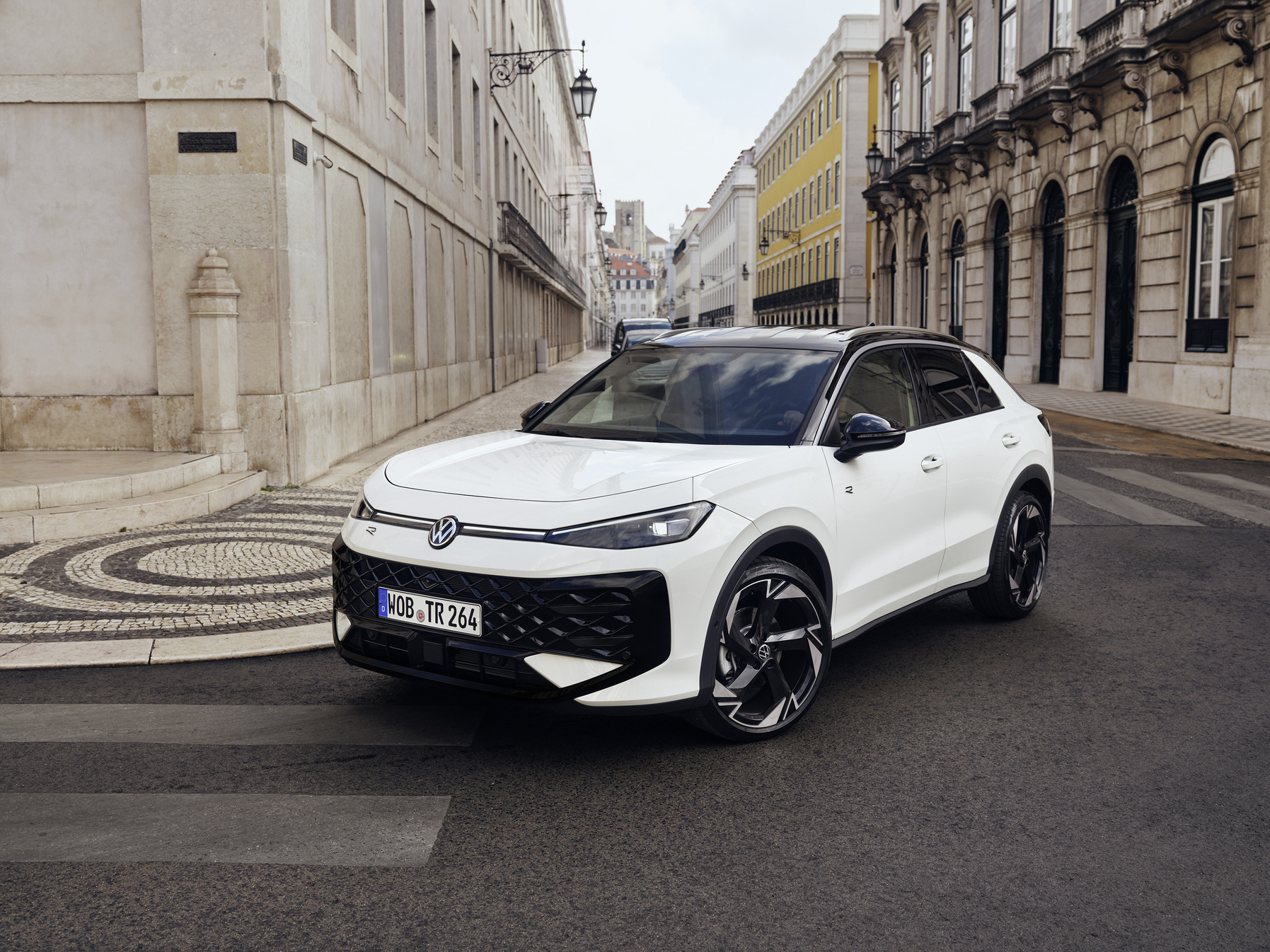
The start-stop system and the reversing camera of the Volkswagen T-Roc regularly cause problems. The start-stop system deactivates itself due to battery issues or sensor faults. The reversing camera shows a black image or cuts out completely. These faults often occur with models from 2017 onwards and are usually traceable to technical causes that you can resolve with the right approach. Discover what causes these problems and how to fix them.
When the start-stop system no longer works
The start-stop system switches the engine off automatically when you are stationary. The system restarts the engine when you release the brake. This saves fuel, but the system regularly fails in the Volkswagen T-Roc. You recognise this by a warning light on the dashboard or by an engine that stutters when restarting. These complaints occur mainly in warm weather or in eco mode.
The most common situation: the system switches itself off in traffic. The engine then no longer cuts out when stopping at traffic lights. In other cases the engine does stop, but you then have difficulty starting it again. This happens mainly on hills, with a cold engine or with frequent stops, where you have to stop and start often in a short period of time.
Causes behind start-stop failure
A weak battery is the main cause. The start-stop system requires an AGM or EFB battery that can cope with frequent starts. These batteries supply sufficient voltage at every restart. If the voltage is too low, the system blocks itself automatically. The dashboard lighting often dims. The engine becomes difficult to start.
Other causes include:
- Defective alternator that does not charge the battery properly, often due to belt slip
- Sensor faults from voltage, temperature, brake pedal or bonnet sensors
- Outdated software in the ECU that generates incorrect signals
- Engine that is too cold or too hot and therefore outside the optimal operating range
A practical tip: switch off eco mode and have a diagnosis carried out first. This helps prevent the engine from cutting out unexpectedly in traffic. Have the battery voltage checked at a workshop. At rest the voltage should be above 12.6 volts and when starting it should not drop below 9.6 volts.
Costs and repair of the start-stop system
In many cases the battery is the cause. Replacement including reset costs around 290 euros. A diagnosis via an OBD scanner can already give a lot of insight into which sensors are generating fault codes. In some cases a software update at the dealer is sufficient. Also check the wiring and connections for corrosion, especially around the battery terminals and sensors.
Monitor the battery health monthly. You can do this with a simple multimeter or at a petrol station. Preventive maintenance prevents the system from failing at inconvenient times. Do not replace the battery with a standard type, but always choose an AGM or EFB battery suitable for start-stop technology.
Reversing camera shows black or distorted image
The T-Roc’s reversing camera displays an image on the screen when you drive in reverse. This helps when parking and preventing damage. Unfortunately, the camera regularly suffers from loss of image or a blotchy display. You may see a black screen, a distorted image or only interference.
This happens mainly in wet weather or after cold nights. The lens then fogs up due to condensation or becomes covered in dirt. Owners report that the camera sometimes works after the car has warmed up, but fails completely during the first cold start. Resin from trees or ice formation can also block the image.
Practical steps for camera faults
Start by cleaning the camera lens. Use a soft cloth and avoid scratches. Carefully remove dirt, ice and resin. Then test the camera in different weather conditions. If the camera still does not work after rain, condensation inside the lens may be the cause.
Try resetting the system:
- Switch the car off completely and wait five minutes
- Restart the car and test the camera again
- Check the wiring behind the rear bumper for loose connections
- If problems persist, have the infotainment unit checked
Owners report on forums that a software update at the dealer often helps. This update is free under warranty. If there is actually condensation in the lens, replacement of the lens costs between 150 and 250 euros. Avoid parking under trees to prevent resin on the lens and update the navigation software annually.
Emergency call system also shows faults
In addition to the reversing camera, other camera systems and the emergency call system can also show faults. This appears as a black screen or error messages on the display. These faults are often related to the software of the infotainment unit. A poor cable connection can also be the cause.
If there are fault codes, have a diagnosis carried out with an OBD scanner. This indicates which part of the camera system or emergency call system has a fault. In many cases a software update solves the problem. Also check the fuses of the infotainment system, as these can blow after a voltage spike.
Checklist for both systems
Both the start-stop system and the camera systems require regular checks. Use this checklist to spot problems early:
- Test the battery voltage monthly with a multimeter
- Inspect sensors and cables for corrosion or damage
- Keep the camera lens clean and free from dirt
- Have software updates carried out at the dealer
- Use an OBD scanner if fault messages persist
These faults are widespread in the T-Roc from all model years from 2017 onwards. The good news is that many problems can be solved cheaply with preventive maintenance and timely checks. Do not ignore warning lights: have them investigated immediately to prevent further damage.
‘ stay up to date with the latest developments in the automotive industry. ’
Want to know more about the T-Roc and other models
On the Carnews website you will find extensive information about common car problems, maintenance tips and practical solutions for different makes and models. Discover more articles about technical faults, compare experiences from other owners and stay informed about the latest developments in the automotive industry.
Frequently asked questions
With the T-Roc’s start-stop system, a weak (or incorrect) battery, sensors (such as the brake pedal or bonnet sensor) and sometimes outdated software are the most common causes; you notice this through a system that switches itself off, a warning light on the dashboard and an engine that does not (smoothly) restart when you are stationary. The problem often occurs in eco mode, with a warm engine or with many short journeys, and sometimes the lights dim when restarting. The most common reversing camera problems are loss of image or a black screen, especially in wet or cold weather, distorted or blurry images due to condensation or dirt in or on the lens, and faults in the connection with the infotainment unit. You recognise this by a black or flickering screen when engaging reverse, error messages on the infotainment screen and improvement after cleaning or a software reset.
Start-stop system faults in the VW T-Roc are mainly caused by a weakened (AGM/EFB) battery, charging problems due to the alternator, incorrect signals from sensors (including brake pedal, bonnet or temperature sensor) and sometimes outdated or faulty ECU software. Situations with very high or low temperatures, short journeys and many electrical consumers can also cause the system to switch itself off. Problems with the reversing camera are usually caused by dirt, moisture or condensation in the lens, cable or connector problems behind the bumper and faults in the connection with the infotainment unit. In addition, software errors in the multimedia system occur, which sometimes have to be resolved via a dealer update.
Yes. You can first check the battery (voltage at rest ≥12.4 V) and look for corrosion or loose connections at the terminals. Temporarily switch off eco mode and/or start-stop and see whether the problem changes. Check whether all relevant sensors are properly closed or free (bonnet, brake pedal, no disturbing warnings on the dashboard). For the reversing camera you can clean the lens thoroughly, switch the car completely off and on again, and visually check the cables near the camera.
The most effective solution for a defective start-stop system is usually to test and, if necessary, replace the AGM/EFB battery and to check the alternator and relevant sensors; for battery replacement and reset you should allow around €250–€350. With more complex electronic or software problems (ECU update, sensors) costs can rise to roughly €300–€600. For a non-functioning reversing camera, cleaning, checking plugs and cables and a software/infotainment update are the cheapest first steps (often up to about €100 outside warranty). If the camera unit itself is defective (for example due to condensation or water damage), replacement usually costs around €150–€250.
Make sure the correct AGM/EFB battery remains in good condition (have it tested regularly and replaced in good time), as a weak battery is a main reason why the start-stop system fails or generates faults. During services, always have the latest software and any updates for start-stop and infotainment/camera installed. Keep the reversing camera clean with a soft cloth, avoid parking for long periods under trees or in very damp conditions and, if condensation forms in the lens, have the seal or module checked in good time. In the event of unexpected faults, have sensors, wiring and fault codes read so that emerging problems are resolved at an early stage.