
More and more owners of the Kia EV6 are reporting faults in the start-stop system, mainly caused by low voltage in the 12-volt battery. These problems also indirectly affect how the heating works. Fortunately, there are clear solutions you can apply yourself. In this article you can read exactly what is going on and how to solve this annoying fault.
Why does the Kia EV6 start-stop system fail?
The Kia EV6 has a start-stop system. This system depends on the 12-volt auxiliary battery. This smaller battery supplies power to all the electrical systems and plays a central role when starting the vehicle. Sometimes the voltage of this battery is too low. The start-stop mechanism then no longer works properly. This problem differs from that of normal petrol cars, where the 12-volt battery is less decisive for the overall operation.
The 12-volt battery is mainly discharged during shorter journeys. In that case the system does not have enough time to charge the battery. Electrical consumers such as heating, air conditioning and navigation are used frequently. This amplifies the effect. In addition, the battery management of the main battery affects the state of charge of the auxiliary battery.
Another possible cause lies with the Integrated Charging Control Unit (ICCU). This component controls the charging process between the main battery and the 12-volt battery. In certain EV6 models the ICCU becomes defective. As a result, the auxiliary battery is no longer charged correctly. There is an official recall for this specific problem (an action in which Kia recalls vehicles to resolve a known issue free of charge).
‘ Dirt or rust on the terminals disrupts the power supply. ’
How do you solve start-stop faults with the Kia EV6?
First check the transmission. Check whether the transmission is in park (P). Do you want to start the vehicle? Then make sure this is the case. Inspect the connections of the 12-volt battery. First check for corrosion. Then check for loose connections. Dirt or rust on the terminals disrupts the power supply.
Switch on the interior light. Use this to test the condition of the 12-volt battery. Try to start. Does the light flicker or go out? Then this points to a discharged battery. In that case, replace the battery or recharge it. Most Kia dealers can test the battery quickly and replace it if necessary.
Adapt your driving style so the battery charges better. Shift up to higher gears early. Drive longer distances where possible. This gives the system more time. The 12-volt battery charges via the main battery. Avoid short trips with frequent starts and stops. These make the problem worse.

Impact of start-stop problems on the heating
Start-stop faults do not switch off the heating directly. There is, however, an indirect link. The heating in the Kia EV6 uses a lot of energy and puts extra strain on the 12-volt battery. The battery is already weakened. Intensive use of the heating can then cause the start-stop system to fail completely.
Some owners report problems with the start-stop system. After that, the heating works less well. The vehicle goes into a sort of limp mode. Energy consumption is limited in this mode. This protects the battery. The heating is then allocated less power.
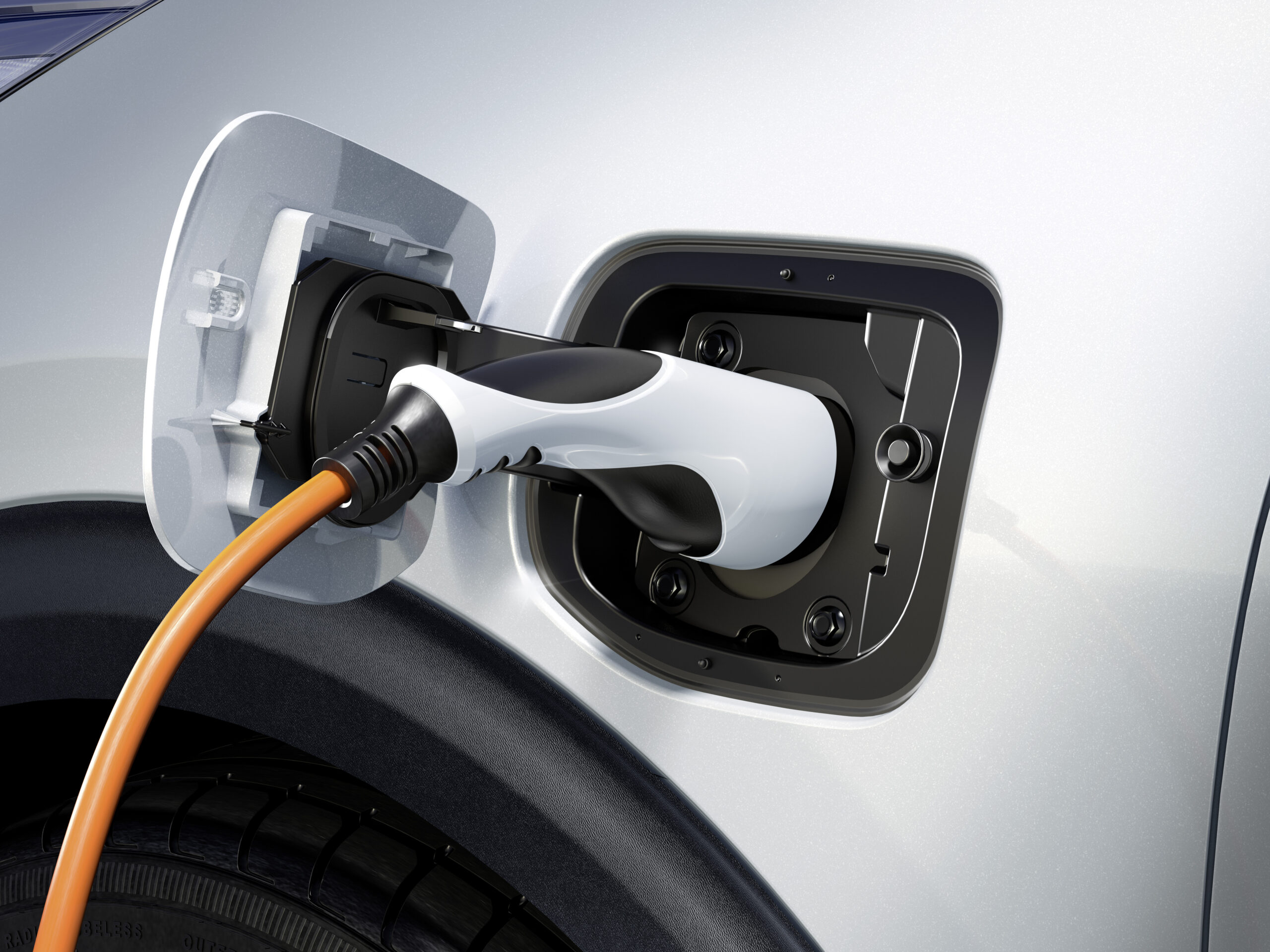
Do you want to prevent this? Use the heating more sparingly during shorter journeys. Use the seat heating and steering wheel heating as alternatives. These draw less energy than full cabin heating. Make sure you precondition the interior while the car is still connected to the charger. This helps save battery power.
Preventive measures for long-term reliability
Carry out regular maintenance on the 12-volt battery. This will prevent many problems. Have the battery checked at every service. This is especially important before longer periods when the vehicle will be standing still. Electric cars also consume power when switched off. Systems such as security systems and software updates use this power.
Press the brake pedal all the way down. Then press the start button. This is the correct way to start the vehicle. That way the car does not remain stuck in accessory mode. Accessory mode uses extra battery power. Follow this procedure consistently. This avoids unnecessary strain on the battery.
Pay attention to dashboard messages. These indicate problems with the charging system or battery status. These warnings are early signs of an impending fault. Do not ignore them. Have them checked in good time by an authorised Kia dealer. Early detection helps. That way you prevent a complete failure of the start-stop system.
‘ Do not try to solve this yourself, as you may damage other electronic systems. ’
When professional help is necessary
If the above solutions do not help, professional diagnosis is needed. An authorised Kia dealer has test equipment. Using this equipment, the dealer reads fault codes from the battery management system. Codes appear which show which component is causing problems.
There may be defects in the ICCU or other parts (such as electrical control components in the car). These defects require repair or replacement by a skilled technician. Do not try to solve this yourself, as you may damage other electronic systems. The dealer will also check whether your vehicle is covered by the recall for ICCU problems.
Serious communication errors sometimes occur between electronic components. These require specialist knowledge. Standard battery checks or software updates do not solve these problems. There is an OBD2 scanner (a device that reads fault codes from the car). This scanner shows fault codes. However, interpreting and resolving them requires expert knowledge.
Practical tips for everyday use
Prevent battery discharge by adjusting how you charge. Do not charge the main battery to 100 per cent all the time, unless you are planning a long journey. This extends the lifespan of both the main battery and the auxiliary battery. For everyday use, try to keep the state of charge between 20 and 80 per cent.
Do you notice that the start-stop system is hesitating? Then plan longer journeys. Make a trip of an hour or more. This gives the system a chance to fully charge the 12-volt battery. This offers a temporary solution until you visit the dealer for a thorough check.
First consult the manual. Only then use external jump leads or jump starters on electric vehicles. The electronics of the Kia EV6 are sensitive to incorrect voltages. This can lead to costly damage. In an emergency, call roadside assistance or a specialist recovery service.
You can find more information on the Carnews website. We cover common car problems, maintenance tips and technical background information about electric vehicles. Discover more articles that help you get the most out of your car and spot problems in good time.
Frequently asked questions
Problems that owners experience as a fault in a “start-stop system” with the Kia EV6 usually stem from the 12V auxiliary battery (voltage drop, poor connections or discharge), which powers the onboard electronics and enables the high-voltage system. Faults in the ICCU (Integrated Charging Control Unit) or in the HV battery’s charging system can also mean that the car does not want to switch “on”, which feels like a start-stop issue. In addition, software errors or communication problems between modules (such as the BMS, body/ICCU module and key/start system) can cause the car to remain in accessory mode only or not switch to drive mode. Finally, incorrect detection of the brake pedal position or related sensors can prevent the start process from being released, which is likewise interpreted as faulty start-stop behaviour.
The most common symptoms are that the car will not switch “on” (Ready mode does not activate), warnings or error messages appear on the dashboard, and accessories (such as interior lighting) are weak or cut out due to a weak 12V battery. With a suspected start-stop system fault you often see specific problems when trying to switch the vehicle on after being parked or after charging, while the HV battery still has sufficient charge. Other electrical faults more often manifest themselves as driving issues (loss of power while driving), charging problems or specific system fault codes (e.g. ICCU/BMS), while the car may still enter Ready mode. By checking the state of charge of the HV battery, the condition of the 12V battery and the exact fault codes/warnings, you can distinguish between a start-related problem and wider electrical faults.
The owner can check whether the car is in position P, press the brake pedal firmly and follow the correct start procedure (keep the brake pressed and press the start button). Next, they can visually check the 12V battery for loose or corroded terminals and see whether interior lighting or screens dim or switch off when starting (a sign of a flat 12V battery). They can also check the state of charge of the high-voltage battery on the display and note any fault messages on the dashboard or read them out with an OBD2 scanner. If the problem seems to be temporarily resolved in this way (for example after cleaning and tightening the battery terminals), they should still make an appointment with the dealer for a definitive diagnosis.
Problems with the on/off cycles of the Kia EV6 (often related to the ICCU and 12V system, among other things) are generally covered by the factory warranty, provided the vehicle is still within the warranty period and there is no external damage or misuse. At an authorised Kia dealer these defects are then repaired free of charge. Outside the factory warranty, costs depend heavily on the exact cause, but for diagnosis and repair of electronic start/charging components you should generally expect to pay several hundred euros, possibly rising to well over one thousand euros. For exact coverage and costs, always consult the warranty terms and an official Kia workshop.
There is no classic mechanical start-stop system in the Kia EV6; instead, it uses software and control logic around the 12V supply and the switching on of the car. A fault in this logic can cause the 12V auxiliary battery to be deeply discharged more often or remain at a low voltage for longer, which can indeed shorten the lifespan of the 12V battery. Critical high-voltage EV components (such as the traction battery and inverter) are normally not directly damaged by these kinds of faults, because they are managed via a separate BMS and protective systems. Indirect damage to other EV components is therefore unlikely, but continuing to drive for a long time with warning messages or voltage problems is not recommended.