
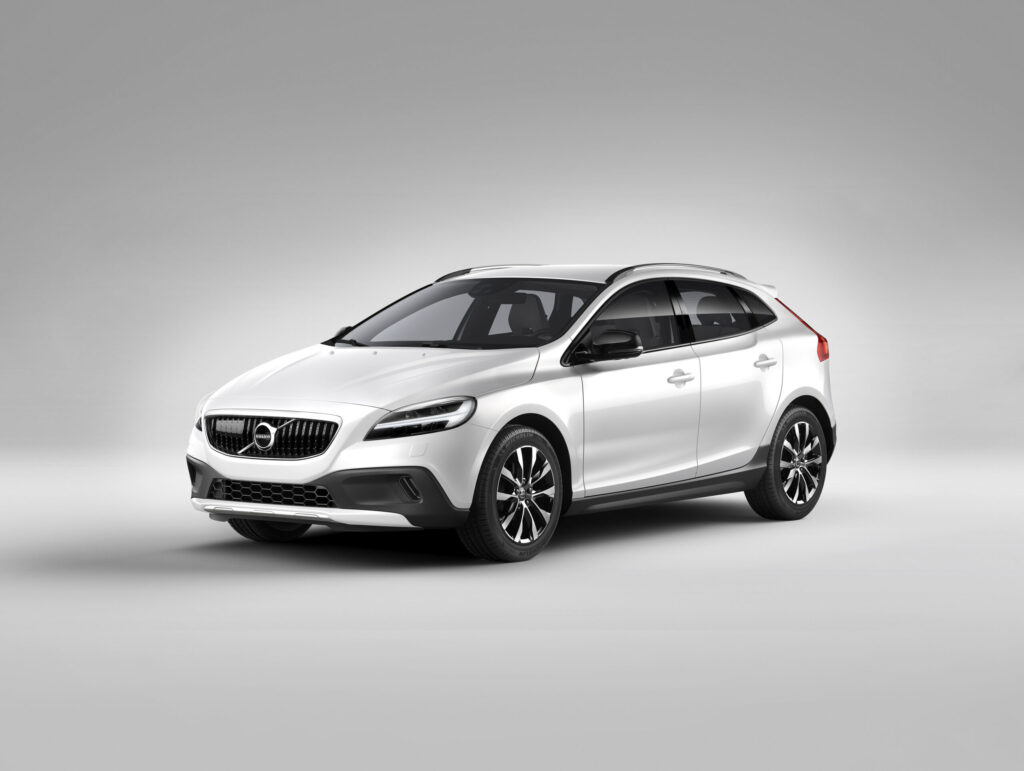
The start-stop system of the Volvo V40 has a tendency to fail unexpectedly or to work in an annoyingly irregular way. The engine may suddenly cut out at low revs, or the system switches itself off without any clear reason. Turning the function off gives temporary peace of mind, but does not solve the underlying issue. This article explains what causes the faults and what you can do about them.
Why has the start-stop system stopped working?
The V40’s start-stop system temporarily switches off the engine when you are stationary and automatically restarts it as soon as you want to move off. This saves fuel and reduces emissions. But if the conditions are not right for safe use, the system switches itself off. Sometimes that is a temporary protection measure, sometimes it points to a more persistent issue.
The most common cause of faults in the start-stop system (the function that automatically switches the engine off and on again) in the Volvo V40 is a weak or insufficiently charged battery. The system places heavy demands on the starter battery, because the engine has to start and stop repeatedly. As soon as the voltage drops too low, the car temporarily skips the system to prevent you from ending up with a flat battery.
Besides the battery, electrical voltage issues, system conditions or technical faults can also be the cause. In some cases the problem remains even after replacing the battery, which means the fault lies deeper in the charging system or the electronics.
‘ It is tempting to simply switch off the start-stop function, but that only masks the symptom. ’
Engine stalls at low revs
Some V40 owners report that the engine stalls as soon as the revs drop, for example when stopping at traffic lights. This looks like the normal behaviour of the start-stop system, but happens exactly at moments when the engine should keep running. The cause is often a battery that cannot deliver current quickly enough, causing the system to become confused about the conditions.
This phenomenon can also be related to a weak alternator, a defective battery sensor or a fault in the battery management. The car then cannot correctly assess the state of charge and switches off as a precaution. This protects the electronics, but does cause annoying driving behaviour. On short trips the battery is not fully charged, so the problem occurs more often.
Running unevenly or stalling
As well as unwanted stalling at low revs, the engine may also run unevenly before it cuts out. This often points to a combination of a weak battery and issues with the injection system or ignition. The start-stop function then amplifies an existing problem, because the engine is put under extra strain at every restart.
It is tempting to simply switch off the start-stop function, but that only masks the symptom. If the battery or charging system is really inadequate, sooner or later you will no longer be able to start at all. A thorough check of the battery, alternator and battery management is then needed to track down the real cause.
Common warnings on the dashboard
Volvo uses various warnings to indicate start-stop faults. The messages appear on the instrument panel and point to specific problems or actions you need to take. These are the best-known messages:
- Auto Start/Stop Service required: the system is not working and professional help is needed.
- Press start button: the engine does not start automatically and has to be started manually.
- Select position P or N to start: the car is in the wrong gear.
- Select N to start: a gear has been selected without declutching, so the clutch must be operated correctly.
These messages often give you a first indication of the nature of the fault. If the message returns after following the instructions, there is probably a technical issue that can only be traced with diagnostic equipment.
What can you check yourself?
Before going to the garage, there are a few things you can check yourself. Start with the battery. Check the terminals and battery posts for corrosion or loose cables. Sometimes a poor connection is enough to disrupt the start-stop system. Clean the terminals and tighten the clamps firmly.
After jump-starting or a flat battery, allow the battery to charge sufficiently while driving or with an external charger before using the start-stop system again. Many V40 owners notice that the fault disappears as soon as the battery is back up to voltage. Volvo itself recommends switching the system off after jump-starting until the battery has been sufficiently recharged.
If the battery looks fine and you have driven recently, but the warning keeps coming back, there is a good chance the battery needs replacing. Starter batteries in cars with start-stop systems have a shorter service life than ordinary batteries because they are put under load much more often.
‘ If the battery or charging system is weak, you will continue to run the risk of starting problems and other electrical faults. ’
Is permanent deactivation a solution?
You can switch off the start-stop system manually via the button on the dashboard, but this setting is not stored. You have to deactivate the function again at every new start. Some owners opt for permanent deactivation via diagnostic software or a plug-in module.
This solves the annoying behaviour, but ignores the underlying problem. If the battery or charging system is weak, you will continue to run the risk of starting problems and other electrical faults. In addition, permanent deactivation can affect the warranty or MOT (APK) test result, depending on how it is carried out.
It is wiser to have the cause investigated and resolved. Only if checks show that the battery and charging system are in good condition should you consider deactivating the system as a conscious choice for driving comfort.
When should you go to the garage?
If checking the battery and connections does not bring any improvement, or if the warning keeps returning after charging, professional diagnosis is needed. A garage can test the charging system, read fault codes and check the battery sensor. This reveals whether the problem lies with the battery, the alternator or the battery management system.
In persistent cases it sometimes turns out that even after replacing the main and auxiliary battery the problem does not disappear. You then need to think of defects in the electronics, poor earth connections or issues with battery monitoring. This calls for specialised knowledge and equipment.
Take complaints seriously if the engine also stalls while driving or if other electrical systems stop working properly. In that case there is more going on than just a start-stop fault.
Practical tips to prevent faults
A few simple measures can extend the life of the start-stop system and prevent faults. Regularly drive longer distances so the battery can be fully charged. Short city trips place a heavy load on the battery and leave little time to recharge.
Switch off the start-stop system after jump-starting or a long standstill. First let the battery recharge for several tens of kilometres before using the function again. This prevents the system from activating immediately with a weak battery and causing the voltage to drop further.
Have the battery voltage and charging current checked every year, especially if your car often makes short trips. A preventive battery replacement after four to five years can prevent a lot of inconvenience. Always choose a battery that is suitable for start-stop systems, otherwise the service life will be too short.
‘ Start-stop faults are not the only problem that can occur with the Volvo V40. ’
Want to know more about issues with the Volvo V40?
Start-stop faults are not the only problem that can occur with the Volvo V40. On the Carnews website you will find extensive information on various technical issues, maintenance tips and owner experiences. Discover more about this popular compact Volvo and keep your car in top condition.
Frequently asked questions
The most common causes are a weak or insufficiently charged battery and general voltage issues in the electrical system (such as poor battery terminals or wiring). The start-stop system can also temporarily switch itself off if the conditions are not right, for example with many short journeys or a low state of charge. In addition, faults in the battery monitoring system or start-stop control module can prevent the system from becoming active again. With persistent warnings, further diagnosis of the battery, charging system and fault codes is often necessary.
You can recognise a failing start-stop system in your Volvo V40 by the engine no longer switching off at a standstill, repeated messages such as “Auto Start/Stop Service required” or instructions like “Press start button” or “Select position P/N to start”. If start-stop does not function for a long time while you are driving normally, or if the same messages keep returning, this is a strong indication of a problem (often related to the battery or voltage). First check the battery status and connections and give the battery a chance to charge properly, for example after a jump-start. If the fault persists or a specific service message appears, it is time to have the car read out and checked at a (authorised) workshop.
You can check the battery and battery terminals yourself for ageing, corrosion and loose connections, because a weak or poorly connected battery is the most common cause. Pay attention to whether the start-stop system only drops out on short journeys or with heavy electrical consumers (air conditioning, lights), which may indicate a battery with too low a state of charge. Check on the instrument panel which exact message is displayed and follow the recommended action (for example, move the selector to P/N or start normally). If the fault keeps returning after the battery has been charged or checked, reading fault codes at a workshop is the logical next step.
The costs for resolving a start-stop fault in a Volvo V40 in practice are often between around €150 and €350 if it is “only” the battery or battery terminals (including diagnosis and fitting), but can be higher if extensive diagnosis or additional repairs to the charging system are required. The most common culprit is a weakened or insufficiently charged main battery. The battery monitoring (battery management system) and, to a lesser extent, the charging system (alternator/voltage regulation) can also cause problems. With complex, persistent faults, the bill can rise further due to extra labour hours and any additional parts.
You cannot permanently switch off the start-stop system of a Volvo V40 via the menu; you have to deactivate it manually on every trip, unless a specialist modifies the system in software or hardware. Such permanent deactivation may have consequences for warranty and MOT/inspection rules, because start-stop is part of the type approval and emissions control. Fuel consumption and therefore CO₂ emissions may also increase slightly. Always have any modifications carried out by an expert and ask about the legal and warranty implications.