
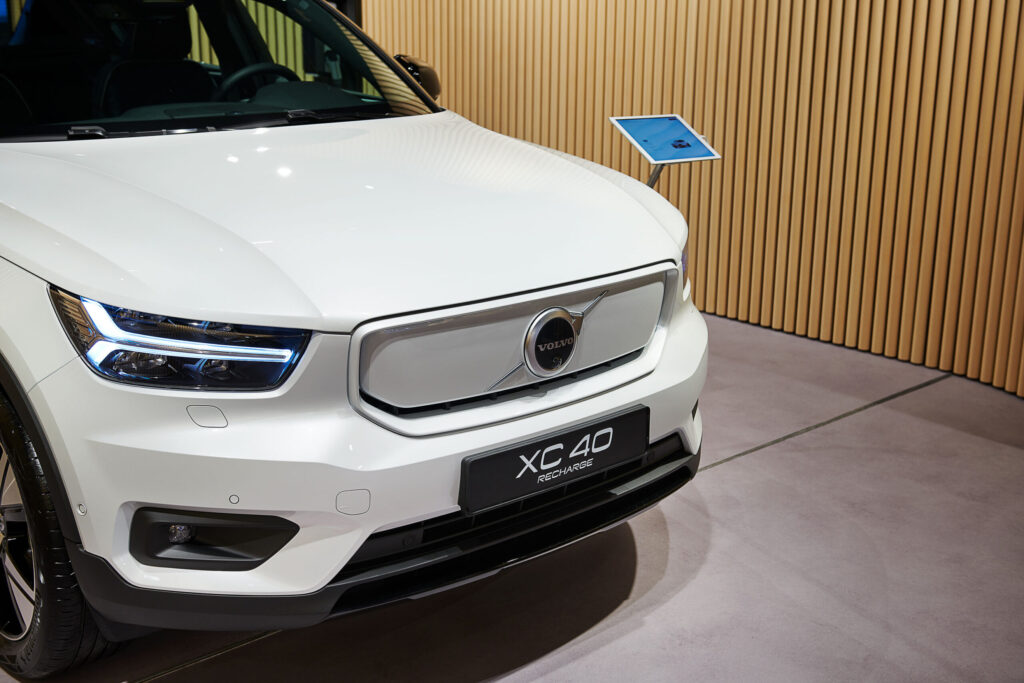
With the Volvo XC40, the start-stop system often stays off because of a weak or insufficiently charged battery. This is not a defect, but a deliberate decision by the car to protect the electrical system. As a result, XC40 owners may regularly notice that the engine does not switch off automatically when stationary, especially after short trips or with older batteries. Read on to find out how to recognise and resolve this issue.
How the XC40 start-stop system works
The start-stop system temporarily switches off the engine when the car is stationary, for example at traffic lights or in a traffic jam. As soon as you release the brake pedal or press the accelerator, the engine starts again automatically. Volvo introduced this feature to reduce fuel consumption and emissions. However, the system is not always active. The car itself decides whether the engine may be switched off, based on several safety and comfort criteria.
It is important to know that a start-stop system that does not work does not always indicate a technical defect. The Volvo XC40 deliberately disables the function when certain conditions are not met. This is done to safeguard the safety and reliability of the car.
When the system will not become active
Volvo lists several conditions under which the start-stop system will not operate. The system remains disabled if:
- the seat belt is not fastened
- the gear lever is in P
- the driver’s door is open
- the bonnet is open
- the outside temperature or interior conditions are not suitable
- the car is parked on a very steep slope
- the ABS system is active
- a trailer is connected
- the starter motor has become too hot due to many short starts in quick succession
- the diesel particulate filter loading is too high
- the battery capacity has dropped below the permitted lower limit
These conditions are not arbitrary. They ensure that the system only operates when it is safe and technically feasible. The problem often lies with the last condition: a battery with insufficient voltage.
Battery and charging status as the main cause
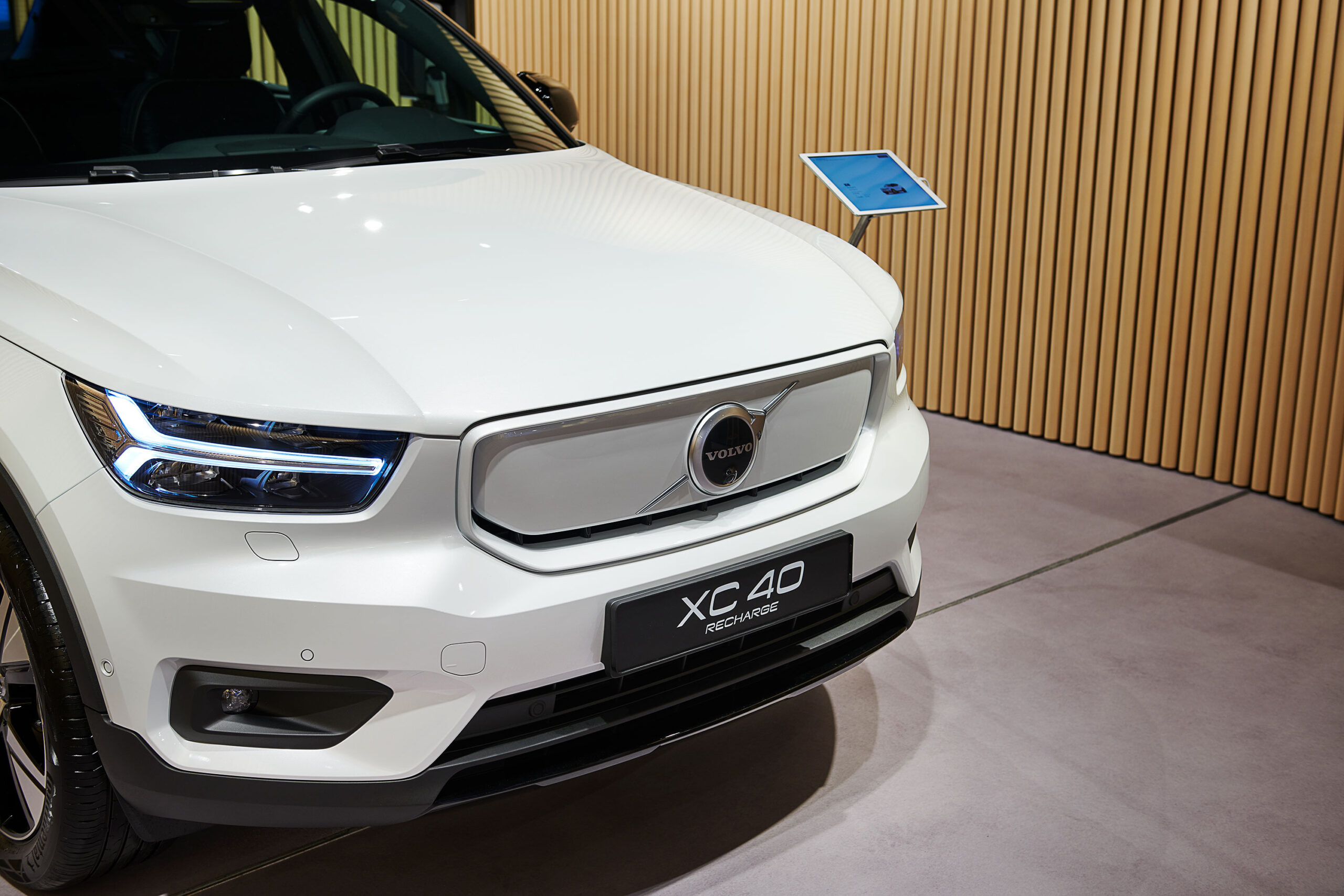
Owners often report that a weaker battery disables the start-stop system or causes error messages. The 12V battery provides the power to restart the engine. If this battery is weakened or insufficiently charged, the car protects itself by deactivating the start-stop system.
The owner of a 2023 XC40 with a petrol engine reported start-stop problems at around 27,500 kilometres. After a faulty battery was replaced, the problem was resolved immediately. Garage specialists confirm that start-stop systems will only operate if the battery is sufficiently charged. Short trips, long periods of standing still or an ageing battery can cause issues. During a short journey the battery simply does not get enough time to charge fully.
Recognisable signs of faults
Owners of an XC40 may notice the following when the start-stop system is faulty:
- the start-stop system remains off, even when stationary
- a warning message or warning light appears on the dashboard
- the system switches itself off temporarily without a clear reason
- the engine does not switch off when stationary, even though the function should normally be active
Check on the display whether the system is shown as available, active or unavailable. This gives a first indication of the cause. If the system is listed as unavailable, there is usually an underlying condition that is not being met.
How start-stop repair works on the Volvo XC40
Repair of the start-stop system begins with testing the 12V battery. This is the most common cause of faults. A garage specialist can measure the battery voltage and charging capacity. If the battery is weakened, replacement often solves the problem immediately.
Specialists also check whether any temporary conditions for disabling the system are active. Think of an open door, unfastened seat belt or an active electric heated windscreen. If these factors do not turn out to be the cause, there may be a software or sensor problem. Volvo often resolves such issues via a software update at the dealer. In rare cases, a faulty sensor or starter motor may be the cause.
Practical steps for owners
You can take a number of steps yourself before going to the garage:
- Have the 12V battery tested if start-stop suddenly stops working
- Check whether the car mainly does short trips, as the battery may then not charge sufficiently
- Check that there are no temporary conditions active, such as an open door or unfastened seat belt
- Check on the display whether the system is available or not
- Consider preventive replacement of the battery if it is older or often feels weak
If these steps do not help, a visit to the garage is necessary. A specialist can use diagnostic software to read which fault codes have been stored. This provides clarity about the exact cause of the fault.
Is it possible to switch off start-stop on the Volvo XC40?
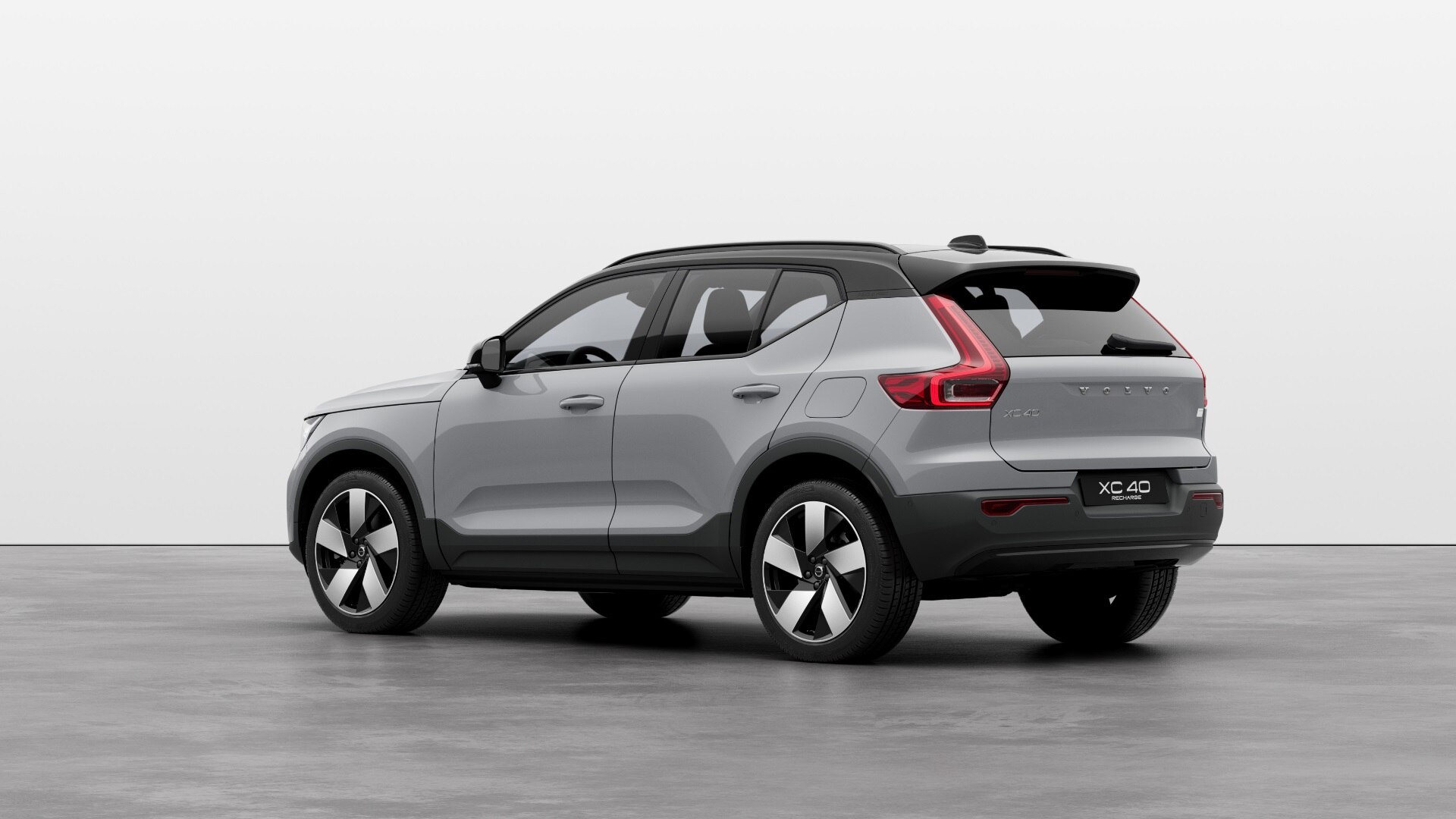
Many owners want to disable the start-stop system permanently. On the Volvo XC40 you can manually switch off the system using a button on the dashboard. This button has an A with an arrow around it. However, you have to press the button again at the start of every journey, as the function is automatically reactivated every time you start the engine.
A permanent deactivation is not possible as standard via the car’s settings. There are, however, aftermarket solutions, such as a small module that is fitted in the wiring. This module simulates a press of the off button every time the engine is started. Bear in mind that such modifications may affect the car’s warranty.
Points to consider when disabling the system
Switching off the start-stop system affects fuel consumption and emissions. The function is designed to reduce both, especially in urban traffic with frequent stops. If you permanently disable the function, consumption will increase slightly. It makes virtually no difference to the service life of the battery or starter motor, as these components are designed for frequent engine starts.
Software updates and sensor problems
Some start-stop faults on the Volvo XC40 are caused by software issues or faulty sensors. Volvo regularly releases software updates to resolve known issues. If your dealer establishes that there is no battery problem, a software update may be the solution. These updates are often carried out free of charge during a service.
Sensors that measure temperature, battery voltage or engine status can fail or transmit incorrect data. As a result, the start-stop system switches itself off. A diagnosis at the dealer can show which sensor may need to be replaced. However, this occurs less frequently than battery-related problems.
‘ A weakened battery does not only cause start-stop faults, it can also affect other electrical systems. ’
Preventive maintenance and tips
You can reduce the risk of start-stop faults by keeping the battery well maintained. Regularly make longer journeys so the battery can charge fully. Short trips of less than ten kilometres do not give the battery enough time to recharge. If you do not use the car for a longer period, consider using a battery charger to keep the battery at the correct level.
Have the battery tested every two to three years, especially if the car is used intensively in town. A weakened battery not only causes start-stop faults, but can also affect other electrical systems. Preventive replacement prevents unexpected issues and keeps the start-stop system reliable.
On the Carnews website you will find much more information about electrical problems, maintenance tips and common faults in various car brands. Discover more articles and expand your knowledge about cars and automotive technology.
Frequently asked questions
The most common cause is a (partly) weakened or insufficiently charged 12V battery, often due to many short trips or an ageing battery. In addition, the system deliberately switches itself off if conditions are not met, such as a door that is not closed, no seat belt, the wrong gear selected (e.g. in P) or an open bonnet. Extreme outside temperatures, active diesel particulate filter regeneration or an overheated starter motor can also temporarily disable the system. In practice, testing and, if necessary, replacing the battery is often the solution to start-stop problems with the XC40.
You will mainly recognise a start-stop system that is not working properly in your Volvo XC40 by the fact that the engine no longer switches off automatically when stationary (for example at a traffic light), even though the function is normally active. A message often appears on the dashboard stating that the start-stop system is not available or has been temporarily disabled. The system can also behave very unpredictably: it may work one journey and not at all the next. In practice, a weakened or poorly charged 12V battery is a very common underlying cause of these complaints.
You can first check yourself whether the basic conditions are met (seat belt fastened, doors and bonnet closed, correct gear selected) and whether there are no temporary reasons why the system is off, such as extreme temperatures or many short trips. It is also wise to have the 12V battery tested, as a weakened or poorly charged battery is the most common reason why start-stop does not work. If, after a proper battery test and eliminating these causes, the system still does not operate or shows an error message, a visit to the garage is advisable.
A non-functioning start-stop system usually increases fuel consumption slightly, because the engine continues to run when stationary and you miss out on that saving effect. The lifespan of other components such as the engine and starter motor is generally not adversely affected; in fact, the extra load from frequent starts then disappears. However, the underlying cause (often a weakened battery) can have an impact: a weak 12V battery can cause starting problems and may need to be replaced earlier. It is therefore important to have the battery and charging status checked; the disabled start-stop system itself is rarely harmful to other components.
You can mainly prevent faults in the start-stop system by keeping the 12V battery in good condition: regularly make longer journeys so that the battery can charge properly, and have the battery tested preventively if you are in doubt or if it is getting older. Limit driving that consists only of short trips with lots of stopping and starting as much as possible, because this weakens the battery more quickly. Make sure that all conditions are met (seat belt fastened, doors and bonnet closed, correct gear selected, no excessive use of high-consumption features such as seat and window heating). If warnings keep coming back, have the charging voltage and battery checked by the garage and consider timely replacement to give the system a longer, trouble-free service life.