
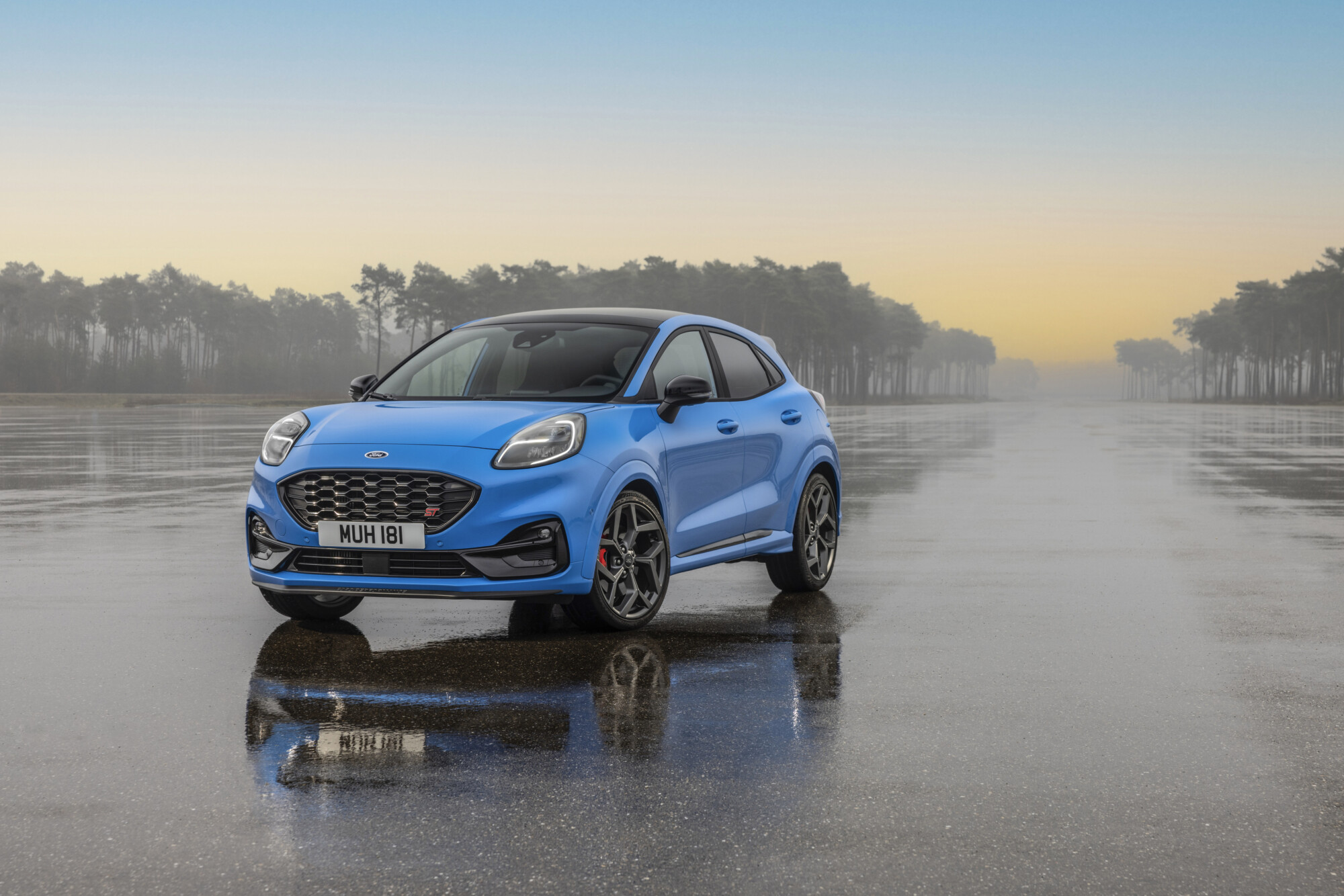
The start-stop system of the Ford Puma regularly malfunctions due to battery and sensor problems, especially on models from 2020 onwards and after 10,000 to 15,000 kilometres of use. This affects fuel savings. Day-to-day starting reliability in traffic also suffers. Many owners of the Ford Puma notice this particularly in city traffic, where the system should actually be most active. What causes these faults and how can you fix them?
Why doesn’t start-stop work on a Ford Puma?
The start-stop system automatically switches the engine off at traffic lights or in a traffic jam, and starts it again as soon as you accelerate or release the brake. This saves up to 10% fuel in the city. On the Ford Puma, however, the system does not always activate, even when all conditions seem to be in order. The most common reason is a weak battery that does not have enough charge for repeatedly starting the engine.
The system places high demands on the battery. With every stop and start, the battery goes through a full cycle, which speeds up wear. In addition, the start-stop system will not switch on if the engine is not yet up to operating temperature, the heated windscreen is on, the air conditioning is set to MAX, or if a slope is detected while the car is in neutral. An open door or unfastened seat belt also prevents activation.
Another cause lies in faulty sensors. These sensors detect the moment of stopping and starting, but over time they can give incorrect readings. This leads to inconsistent operation, where the system switches off unexpectedly while idling, or fails to respond when you pull away. Software faults make this problem worse because the calibration is not correctly matched to real driving conditions.
Common symptoms of a fault
Recognisable complaints among Ford Puma owners include:
- The system does not start automatically or responds with a delay at traffic lights
- Unreliable operation with sudden switch-off while idling
- Inconsistent activation with frequent stopping and pulling away in the city
- Dashboard shows ‘OFF’ without the button being pressed
These symptoms often appear after 10,000 to 15,000 kilometres, especially with intensive city use. The system is sensitive to short trips where the battery does not charge sufficiently. Without preventive maintenance, reliability deteriorates further, leading to frustration and potentially more expensive repairs.
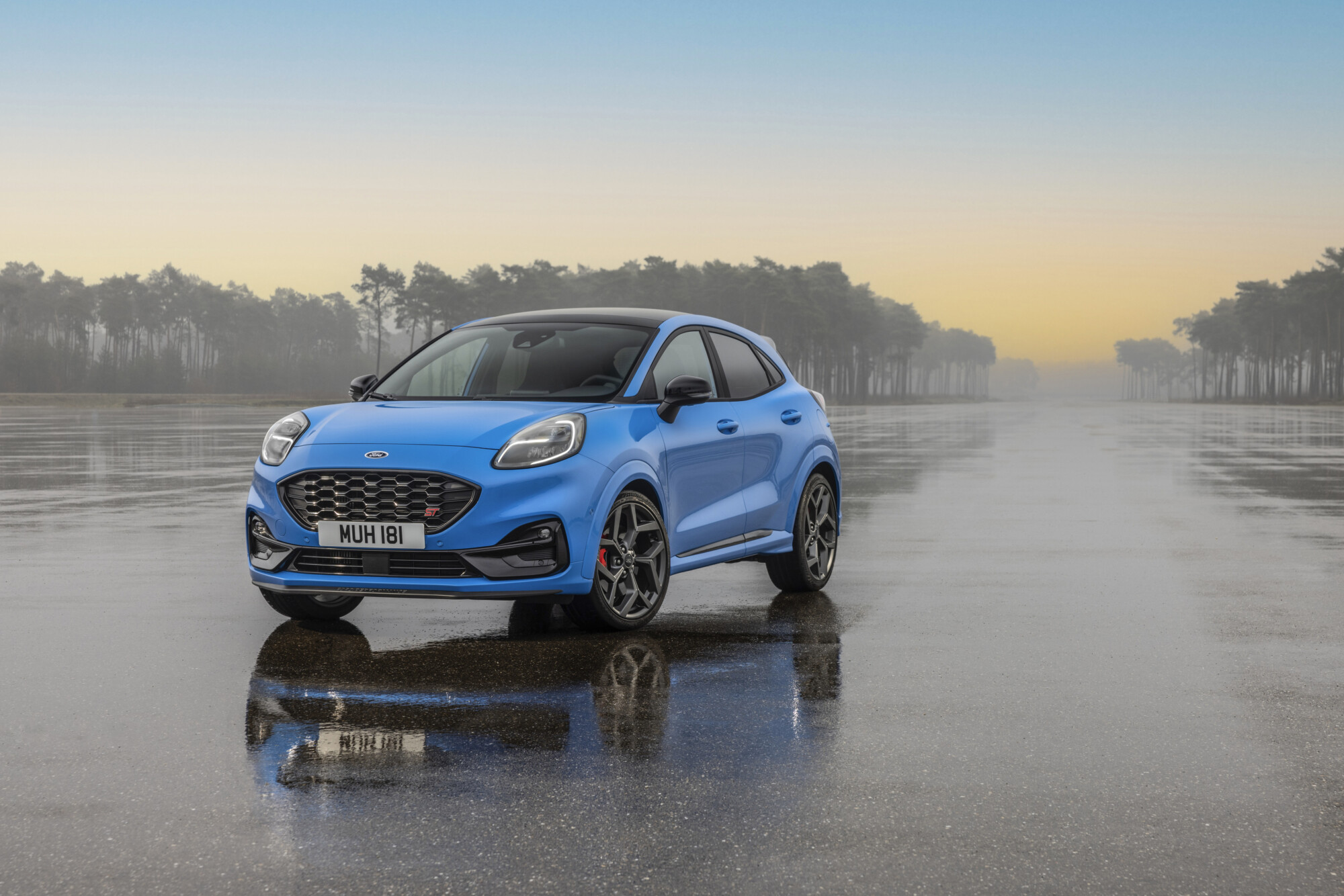
Fixing a faulty Ford Puma start-stop system
Repair starts with checking the battery status. Have the garage test the battery for capacity and charging performance. A standard battery is not suitable for start-stop systems. Replace the battery with a special start-stop type that can withstand repeated charge and discharge cycles. This extends its lifespan and significantly improves reliability.
Software updates are often needed to calibrate the system correctly. Ford regularly releases updates that adjust sensor performance and activation thresholds. Have this done during routine servicing. Some faults disappear completely after a software update, especially when the problem is limited to incorrect readings without any actually defective parts.
Defective sensors need to be replaced. These components measure the position of the clutch, brake pressure and other parameters that determine when the system switches on and off. A garage can use diagnostic equipment to identify which sensor is failing. Replace only the defective sensor to keep costs down. At the same time, check the wiring, as loose or corroded connections also cause faults.
Common causes of start-stop faults on the Puma
The main causes of faults are:
- Weak or incorrect battery that cannot cope with repeated start cycles
- Defective clutch or brake sensors sending incorrect signals
- Outdated software without recent calibration updates
- Short trips where the battery does not charge sufficiently
- High power consumption from heated seats, windows or air conditioning
Each of these factors can cause problems on its own, but they often work together. A battery that is already weakened by short trips has less margin when current draw is high. This explains why the system is particularly unreliable in winter, when heating and lights demand more energy.
‘ Do not drive off without your seat belt on or with a door open, as this blocks activation. ’
Practical tips for use and prevention
You can temporarily switch the system off by pressing the button with a circled ‘A’, usually next to the gear lever. The dashboard shows ‘OFF’ to confirm that the system will not activate for this trip. On the next drive it will be switched on again by default. This is useful in situations where you prefer to pull away immediately without any delay.
Preventive maintenance prevents many faults. Have the battery tested and the sensors calibrated every 15,000 kilometres. Choose a premium start-stop battery with a longer warranty. Regularly drive longer distances to fully charge the battery. This compensates for the wear caused by short city trips.
Pay attention to operating conditions. The system only works if you come to a complete standstill with the brake depressed in an automatic, or in neutral in a manual car. With a manual version you must depress the clutch to restart the engine. In an automatic, accelerating or releasing the brake is enough. Do not drive off without your seat belt on or with a door open, as this blocks activation.
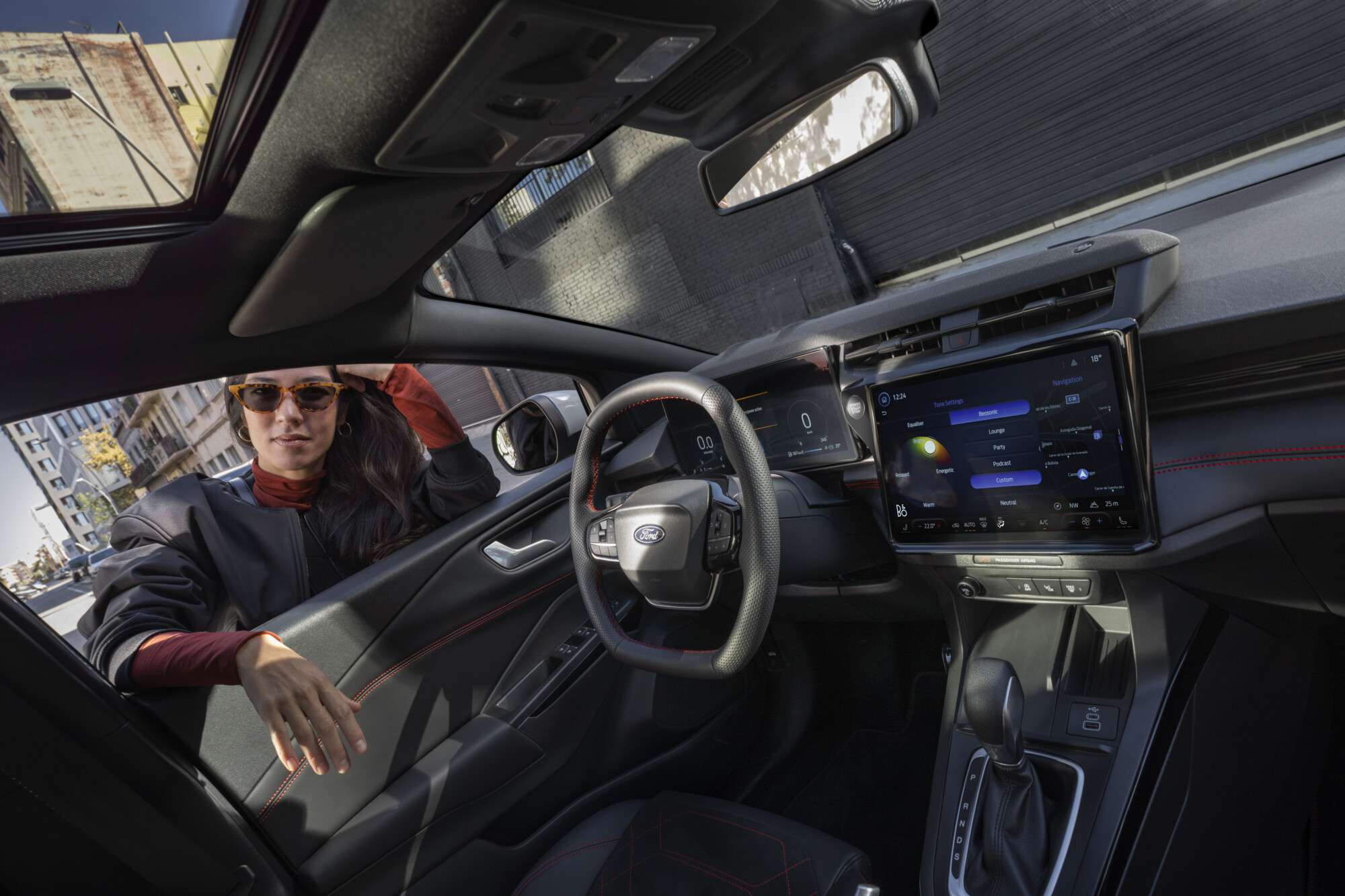
Experiences of Ford Puma owners
Many owners report inconsistent operation in city traffic. Forums are full of complaints about the system stopping working after short distances. Replacing the battery often solves this, but owners are frustrated that this may already be necessary after 10,000 kilometres. Others appreciate the theoretical fuel savings, but switch the system off every day because its unreliability is so irritating.
Experienced mechanics recommend having diagnostics carried out as soon as the first symptoms appear. Early intervention prevents more expensive repairs, for example when a weak battery also puts extra strain on the starter motor. A more powerful starter motor helps with intensive city use, but this is more expensive than preventive maintenance on the battery and sensors.
When to go to the garage
Visit the garage as soon as the dashboard consistently shows ‘OFF’ without you having pressed the button, or when the system operates irregularly at normal operating temperature. Have the battery status checked via the onboard computer. Voltage that is too low indicates that replacement is needed.
At the garage, specifically ask for:
- Battery test with capacity measurement for start-stop use
- Reading of fault codes via diagnostic equipment
- Availability of software updates for your model year
- Check of sensor and cable connections
A good garage systematically tests all parts and only recommends replacing components that are actually defective. Ask for a warranty on new parts, especially on a new battery. This gives peace of mind if problems recur.
‘ Cheap alternatives for sensors or batteries may look attractive, but they fail more quickly under the heavy cycles of start-stop use. ’
Maintenance for a longer service life
Regular maintenance keeps the start-stop system reliable. Check the battery voltage every 6 months, even if there are no complaints. Recharge the battery if necessary, especially after periods with many short trips. Use a suitable battery charger that supports start-stop batteries.
Update the software during routine services. Ford releases improvements that adapt the activation logic based on real-world experience. This maximises efficiency without compromising reliability. Invest in quality parts when replacing components. Cheap alternatives for sensors or batteries may look attractive, but they fail more quickly under the heavy cycles of start-stop use.
Adjust your driving style where possible. Anticipate traffic lights to avoid unnecessary stopping. This reduces the number of cycles and extends the lifespan of both battery and starter motor. In winter you can switch the system off until the engine is up to temperature, to prevent unnecessary strain.
On the Carnews website you will find much more information about common problems with Ford models, maintenance advice and practical tips for car enthusiasts. Discover more about your car and how to prevent and solve technical faults.
Frequently asked questions
Possible symptoms are that the start-stop system no longer switches on at all or reacts very slowly when you are stationary, for example at traffic lights. You may also notice that the engine sometimes cuts out unexpectedly or no longer switches off automatically while idling. In addition, the system can behave very inconsistently: sometimes it works, other times not at all, especially in city traffic. This often goes hand in hand with signs of a weak battery, such as difficulty starting or other electrical faults.
The most common causes of a faulty start-stop system on the Ford Puma are a weakened or worn start-stop battery and defective sensors that measure the conditions for switching on and off. In addition, software errors or outdated software updates can make the system prone to faults. Unfavourable usage conditions, such as many short trips and intensive city driving, also speed up battery wear and increase the risk of problems.
You can handle minor things yourself, such as manually switching the system off or (having) the battery charged, but real faults in the start-stop system of a Ford Puma usually do not resolve themselves. Because the system depends on special batteries, sensors and software, diagnosis with professional equipment is often necessary. Replacing parts yourself without proper measurements or recalibration can cause new problems. In practice, a visit to the garage is therefore almost always necessary in case of persistent faults.
The average costs for repairing a start-stop fault on a Ford Puma are usually between about €250 and €600, depending on the cause. If it is only a worn start-stop battery, you will generally pay around €200–€350 including fitting. If sensors are also defective or if a software update or diagnosis is required, this can rise to about €400–€600. With complex electrical problems or a combination of several parts, the costs can be even higher.
A faulty start-stop system itself usually does not pose a direct safety risk, because the car will in principle continue to drive and start normally. However, the underlying cause, such as a weak or defective battery or sensors, can in the long run affect other systems (for example the starter motor, charging system and electronics). Therefore it is not immediately dangerous to keep driving for a short time, but it is inadvisable to ignore it for long. Have the system, and especially the battery and software, checked at a garage as soon as possible.
Yes, there are a few well-known tips to extend the service life of the start-stop system on a Ford Puma. Make sure the special start-stop battery is maintained in good time and as a preventive measure, and have it and the sensors tested roughly every 15,000 km. Keep the car’s software up to date via the dealer to prevent known faults and incorrect calibration. If you do a lot of city driving, consider using a premium/start-stop-compatible battery and temporarily switch the system off on very short trips or under heavy load (MAX A/C, many electrical consumers) to ease the strain on the battery.