
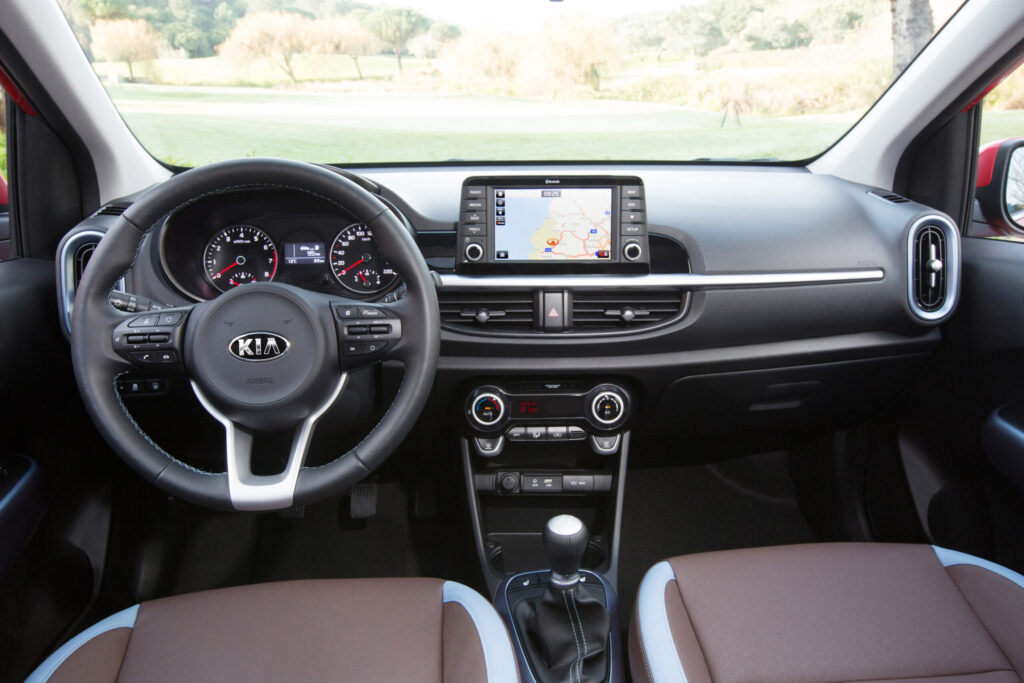
The start-stop system on the Kia Picanto regularly stops working due to battery and sensor problems, which noticeably affects everyday use. Many owners find that their engine does not switch off automatically when stationary, or that it will not restart after stalling. This is no coincidence: the Kia Picanto suffers from specific weak spots in the Idle Stop & Go system. Find out why this happens and what you can do about it.
Why doesn’t start-stop work on the Kia Picanto?
The start-stop system switches itself off under specific conditions to prevent damage to the engine and battery. On the Kia Picanto, the cause of failure is often a battery charge that is too low. The system requires at least 80% battery charge to activate. If the voltage drops below that, the engine will still start, but start-stop remains disabled.
In addition to a weak battery, engine temperature plays an important role. With a cold engine, the system switches off automatically to prevent wear. The oil has to reach operating temperature before start-stop can work safely. This mainly happens in winter or on short city trips, where the engine barely has time to warm up.
The air conditioning causes extra power consumption. As a result, the battery quickly drops below 80%. The setting for demisting the windscreen (windscreen demist) and other electrical consumers also affect how the system operates. The system registers this increased consumption and switches off to prevent the battery from becoming too flat to restart the engine.
Common causes of the problem
Different factors can cause the start-stop system to fail or not activate. These causes range from simple safety checks to more serious technical issues.
- Low battery charge: this is the most common cause, especially with batteries older than five years
- Engine temperature too low: in cold weather or on short trips the system does not activate
- Air conditioning or other electrical consumers: these draw too much power from the battery
- Safety blocks: open doors, bonnet, loose seat belt or low brake pressure switch the system off
- Incline or active parking assist: the system detects unsafe situations and remains inactive
On diesel models from 2008 it can happen that the engine stalls without restarting automatically. This is often caused by voltage fluctuations in combination with a weak battery. The eco mode can also drop out in these cases.
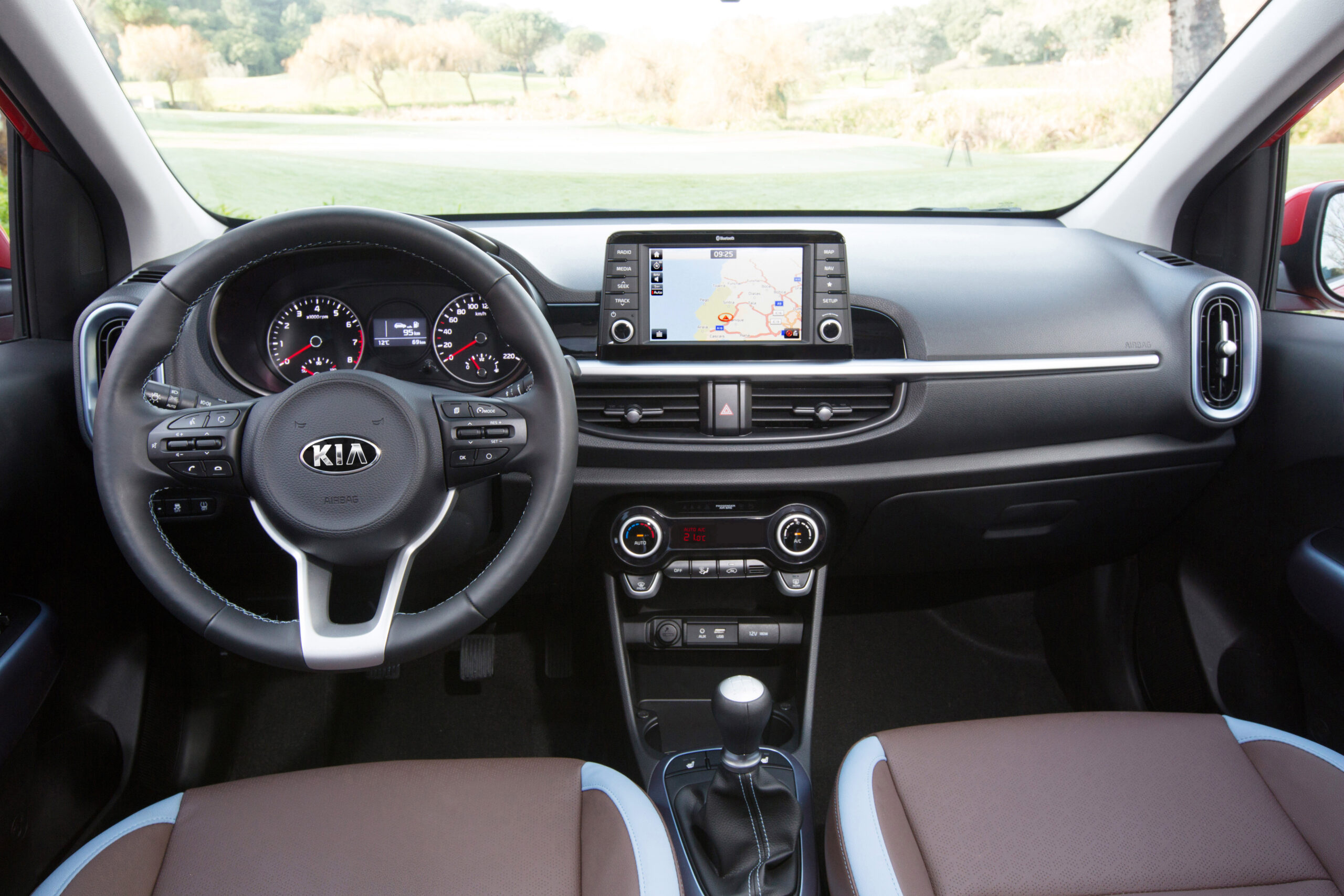
Useful tips to solve start-stop problems
Before going to the garage, you can carry out a number of checks yourself. You can easily solve many problems without professional help.
First check the battery. Measure the voltage with a multimeter: it must be at least 12.6 volts with the engine switched off. If the battery is older than five years or you measure a lower voltage, then charging or replacement is necessary. When replacing, choose a special start-stop battery that can withstand frequent charge and discharge cycles.
Test the system without air conditioning. Switch off the climate control and go for a short drive. In many cases start-stop activates as soon as power consumption drops. You can also temporarily switch off windscreen demist to test whether this is causing the problem.
Pay attention to your driving style. Press the brake pedal fully when stationary and make sure your seat belt is fastened. On manual models the gear lever must be in neutral and the clutch released at a speed below 5 kilometres per hour. Coast without using engine braking: this generates more energy for charging the battery.
Is a faulty start-stop system common on the Kia Picanto?
The problem occurs regularly, especially on older models and on cars that mainly do short city trips. The battery then does not get enough time to charge fully. Owners report that the battery has to be exactly at 80%, otherwise the system will not work. With frequent city use, the start-stop system therefore often remains disabled.
Diesel models from 2008 suffer from this problem more often than later variants. On these versions it may happen that the engine stalls and does not restart, which requires immediate action. The cause usually lies in a defective or too weak battery in combination with sensitive sensors.
Owners often solve the problem by replacing or charging the battery. In many cases the problem disappears immediately after installing a new battery. Some drivers find that regularly making longer journeys helps to keep the battery charged and the system active.
‘ If the solutions above do not help, a professional diagnosis is necessary. ’
When should you go to the garage?
If the solutions above do not help, a professional diagnosis is necessary. Have the garage check the alternator charging voltage. While driving it should be between 13.8 and 14.4 volts. Parasitic current draw can also be a problem: this means that electrical components are consuming power while the car is switched off.
On Picanto diesel models, defective fuses or sensors are the cause. An OBD scanner will read any fault codes from the engine system. The mechanic can then trace the fault in a targeted way. Also check the settings of the infotainment system: sometimes the system is accidentally switched off manually using the dashboard button.
In extreme weather conditions the system often does not work optimally. In winter it takes longer for the engine to reach operating temperature. So first drive a longer distance before expecting start-stop to activate. On very hot days the air conditioning uses so much power that the system switches off to protect the battery.
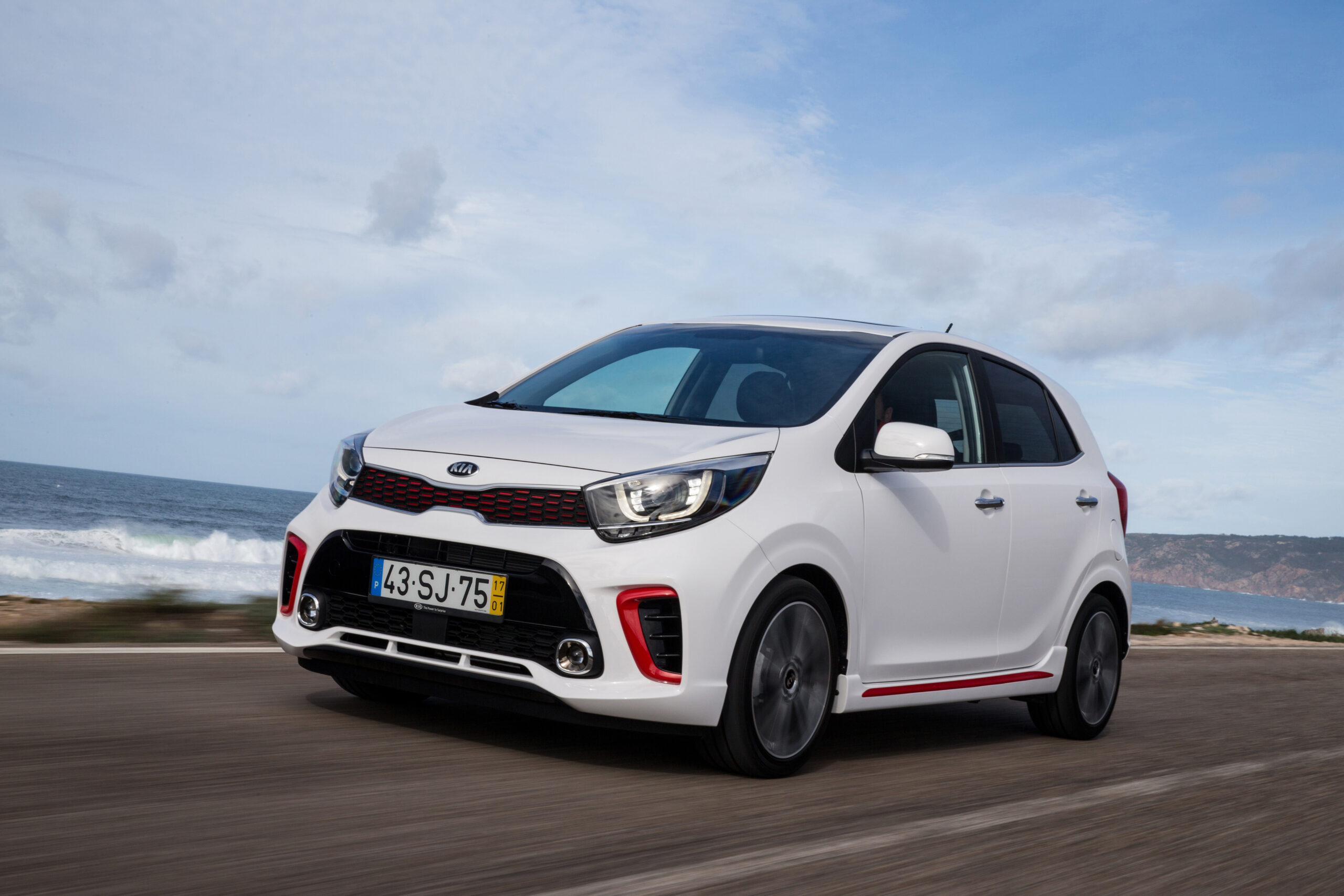
Maintenance prevents most problems
Regular maintenance prevents many faults in the start-stop system. Have the battery checked during the service, especially if it is older than four years. Replace the battery preventively before it fails completely; this avoids unexpected problems on the road.
Make sure there is enough charging time by regularly making longer journeys. Short city trips do not charge the battery sufficiently. So plan a longer journey every week to fully charge the battery and allow the engine to reach operating temperature.
Do not use extra electrical devices that are connected directly to the battery, such as dashcams (dashboard cameras) or cool boxes. These increase power consumption and can cause the voltage to drop below the critical 80%. Periodically check that all lights switch off correctly after locking the car to prevent parasitic current draw.
Find out more about car problems
The start-stop system is just one aspect of the Kia Picanto that owners may have issues with. On the Carnews website you will find extensive information about common complaints, maintenance tips and practical solutions for all kinds of car problems. Learn more about your car and stay informed about important technical developments.
Frequently asked questions
The most common cause is a battery charge that is too low or an ageing battery, which keeps the start-stop system below the required voltage threshold. A still cold engine or low engine temperature also causes the system to switch itself off for protection. In addition, high power consumption from, for example, air conditioning, demisting or other consumers can temporarily block the system. Finally, safety conditions such as open doors, bonnet or an unbuckled seat belt can prevent the start-stop system from operating.
Start with the battery: measure whether it is at least around 12.6 V with the engine switched off, check the battery age (often replaced if older than about 5 years) and charge it fully. Then test whether the start-stop system works with air conditioning, rear window heating and other major consumers switched off, doors and bonnet closed, seat belt fastened and the brake pressed firmly. Drive a longer journey so that the engine and oil reach operating temperature and see whether the system then becomes active (warning light/icon on the dashboard). If it still does not work, read out fault codes with an OBD scanner; if there are faults in sensors or the charging system, a visit to the garage is required.
The battery plays a crucial role in the start-stop system, because this system only works if the battery voltage and charge level are high enough (usually around or above 80%). The battery supplies the extra power for restarting the engine and all electrical consumers while the car is stationary. If the battery is old or too weak, the start-stop system often switches itself off completely as a protection. A weak battery can therefore definitely be the cause of the fault.
Yes. Make sure the battery remains in good condition: have the charging voltage and battery capacity checked regularly and replace an ageing battery in good time with a suitable start-stop battery. Limit heavy consumers (air conditioning, window demisting) while stationary so that the battery charge remains above the threshold. In cold conditions, first allow the engine to reach operating temperature and occasionally drive longer distances to fully charge the battery. Finally, regularly check that sensors, seat belts and doors function correctly, because safety blocks also switch the system off.
If the start-stop system is faulty and the engine therefore no longer switches off automatically when stationary, fuel consumption may increase slightly because the engine keeps running unnecessarily. The service life of the engine itself is usually not negatively affected and can even be spared slightly because there are fewer start cycles. However, an underlying problem, such as a worn or too weak battery, can cause other electronic faults in the long term if it is not resolved. Under normal circumstances, a non-functioning start-stop system therefore mainly leads to slightly higher fuel consumption and no direct engine damage.