
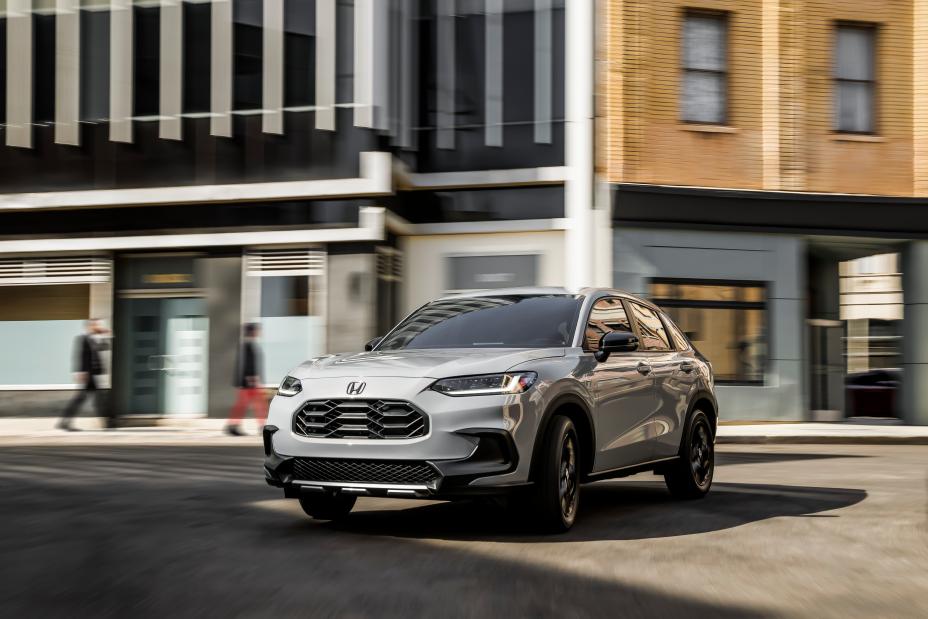
The starter motor of the Honda HR-V regularly shows problems when starting from cold. Rattling or no response then occurs due to wear and defective components. This is a known issue on models from 2016 onwards, especially when the mileage approaches 100,000 kilometres. Find out exactly what is going on and which steps you can take to solve this annoying starting problem.
Why does the HR-V starter motor fail?
The starter motor of the Honda HR-V is responsible for starting the engine by spinning the flywheel up to around 200 revolutions per minute. The component uses a small gear that drives the larger flywheel. With intensive use these parts wear, especially the pinion gear. This leads to clicking noises or complete failure.
Owners of the HR-V often report that the starter motor gives up after a high mileage. Wear is then the main cause, but related issues also play a role. Think of a weak battery, poorly functioning alternator or ageing fuses. During a cold start the starter motor gets less support from the electrical systems, which makes faults more noticeable.
Recognise these symptoms when you have starting issues
You can recognise starter motor problems by a number of clear signs. On most HR-Vs it comes down to three common symptoms:
- Engine does not turn over: You hear no sound or only a click when you turn the key or press the start button. This often points to a defective starter motor, but can also be caused by a flat battery or blown fuses.
- Rattling noise on cold start: The engine makes a sharp rattling noise when starting, especially at low temperatures. This usually indicates a worn pinion gear or switch in the starter motor.
- Weak electrics: You see dim lights on the dashboard or the electronics respond slowly. This means the 12V battery is not supplying enough power to the starter motor.
With push-button start systems the problem can also be caused by a flat battery in the key fob or malfunctions in the recognition system. Sometimes the starter motor itself works fine, but the car fails to start due to interference from other electronics such as a mobile phone near the start button.
Diagnostic steps for starter motor faults
If you are experiencing starting problems, a systematic approach will help you find the cause. Start with the simplest checks:
First check the battery. Measure the voltage with a multimeter. A healthy battery shows at least 12.6 volts. If the voltage is lower, try a jump start. If the car then starts, the battery is due for replacement.
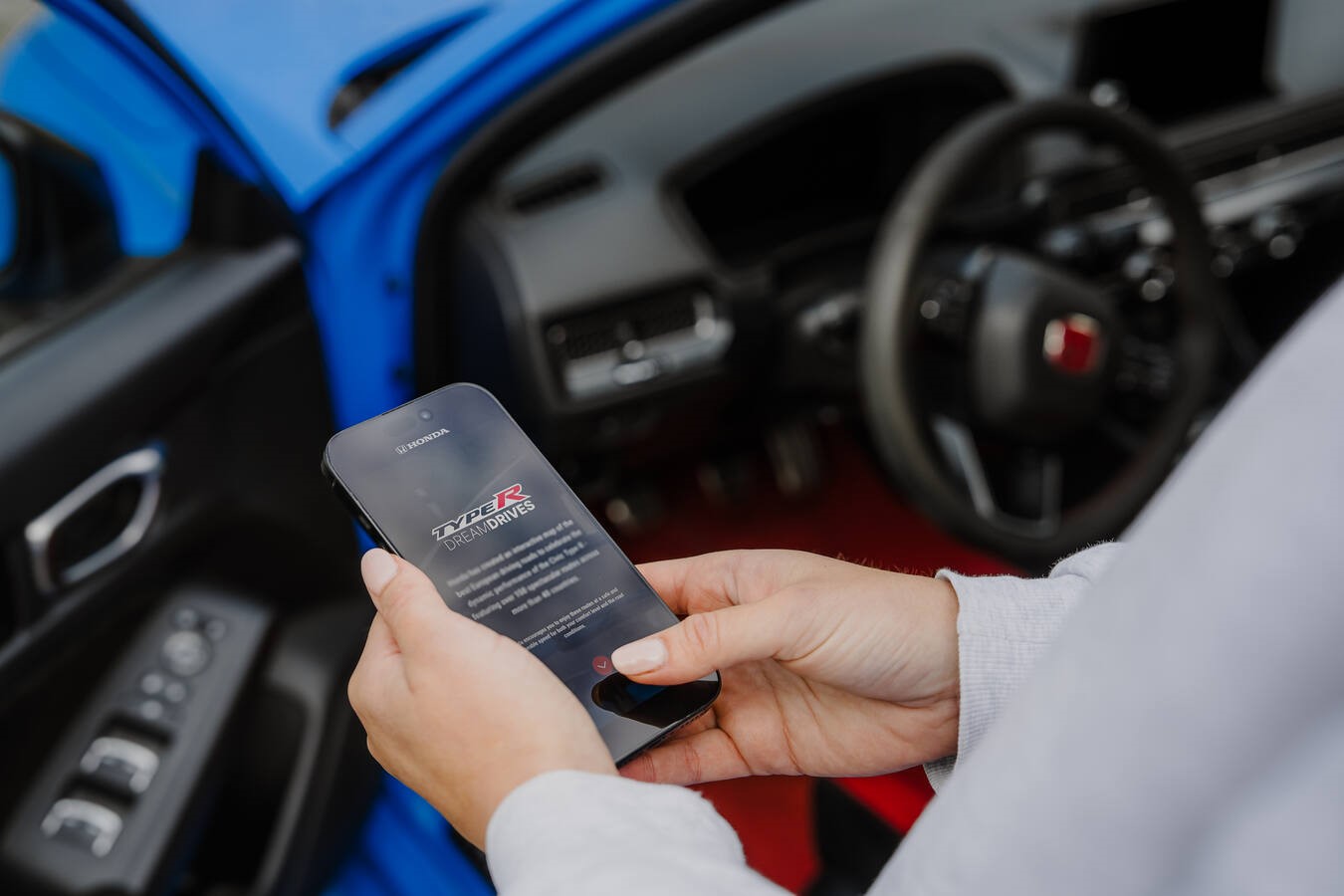
Next, test the key fob on push-button systems. Replace the battery or hold the fob directly against the start button. Many owners suspect bigger problems, while a flat battery in the key is the real culprit.
Make sure you carry out the correct actions. Press the brake pedal and check whether the gear is in Park or Neutral. The car will not start if these conditions are not met.
Then inspect the fuses and relays. Check the fuse box near the pedals and under the bonnet. Blown fuses can be seen with the naked eye and are easy to replace.
Use an OBD-II scanner to read fault codes. This device shows errors in the engine, alternator or sensors such as the crankshaft and camshaft sensor. This information helps you search more precisely for the cause.
What are the repair costs?
The costs of replacing a starter motor on the Honda HR-V are on average between 550 and 1050 euros, depending on the model year and the workshop. This price consists of around 290 euros for parts and 250 euros for labour. In some regions and at specialist garages prices can be higher.
Owners who are handy with tools can consider replacing the starter motor themselves. This requires some technical knowledge, but saves labour costs. Bear in mind that you should also check the neutral safety switch and the relay, as these components are part of the same electrical circuit.
Keep an eye on the service life of the starter motor. Starters are designed to last a long time, but they do wear over time. Do not wait too long to have repairs carried out. Breaking down in the middle of the road is much more annoying than replacing the component in good time.
‘ Nevertheless, it is worth starting the conversation. ’
Can I claim goodwill?
Some owners wonder whether Honda offers goodwill for starting problems. This depends on the model year, the mileage and whether the problem falls under a known warranty scheme. Contact a Honda dealer and explain the problem.
Keep evidence of previous services and repairs. If the fault occurred early on or has happened several times, this increases the chance of a contribution. Every situation is different, so do not expect any guarantees. Nevertheless, it is worth starting the conversation.
Prevent recurring starting problems
You can reduce the risk of starter motor problems with regular maintenance. Have the battery checked during services and replace it at the first signs of weakening. A weak battery places extra load on the starter motor, which speeds up wear.
Replace the battery in the key fob annually, especially on push-button systems. This prevents confusion and frustration at moments when the car will not start.
Where possible, park the car away from electronic devices that can cause interference. This advice may sound excessive, but owners report that it really does affect the key recognition system.
What to do if the car will not start?
Stay calm if the HR-V does not start. Experience shows that in 80 per cent of cases there is a simple cause. Check the battery, replace the key fob battery or check the brake pedal position.
If you cannot get the car started yourself, contact a garage or Honda dealer. They have diagnostic equipment to test sensors such as the crankshaft and camshaft sensor. These components can also cause faults that look like starter motor problems.
If complaints persist, it is sensible to replace the starter motor as a preventive measure. This is especially true for models from 2016 onwards with a mileage above 100,000 kilometres, where the risk of failure is present. Early replacement prevents unexpected breakdowns.
‘ We also provide technical background information to help you further. ’
Discover more on Carnews
Starter motor problems on the Honda HR-V are annoying, but with the right knowledge and approach they can be solved properly. On the Carnews website you will find extensive information about other common car problems and maintenance tips. We also provide technical background information to help you further.
Frequently asked questions
With a defective starter motor you usually hear one clear click or rapid repeated clicking when starting, while the engine itself does not turn over at all, or nothing happens at all while the lights remain normally bright. With battery problems the engine cranks slowly or you hear a rattling/ticking sound and the headlights and dashboard lights clearly become dimmer, or the power partially fails. If the car starts immediately with a jump start, this mainly points to a weak battery; if, despite good battery voltage, it continues to give only a click or no-crank, then the starter motor or starter relay is suspect. If the problem remains intermittent (sometimes it starts, sometimes only clicking) while the battery, cables and fuses are fine, the starter motor is often worn internally.
Common causes include a weakened or flat battery, defective starter motor, poor earth or power connections, blown fuses or relays, and on push-button models a flat key fob battery or the car not properly in P/Neutral or the brake not pressed. You can first check the battery yourself (operation of lights/radio, possibly measuring or trying with jump leads), replace the key battery and hold the key close to the start button. Also check that the gear lever is really in P or N and press the brake pedal firmly while starting. Finally, you can visually check the relevant fuses and the starter relay for burnt or loose items.
The average costs of replacing a starter motor on a Honda HR-V are around 545–1035 USD in total, of which approximately 293 USD for parts and 252 USD for labour, depending on model year and region. These are guide prices; in the Netherlands or Belgium amounts may differ due to VAT, wage and parts prices, but the order of magnitude remains similar. There are often cheaper alternatives such as refurbished or aftermarket starter motors, which can significantly reduce material costs. In that case, do make sure that there is a warranty and that the specifications match OEM quality.
Yes, you can limit future starter motor problems by having the 12V battery tested regularly and replaced in good time, so that the starter motor always receives sufficient voltage. Keep the battery terminals and earth points clean and free of corrosion to prevent voltage loss. Replace the battery in the key fob in good time and, with push-button start, always make sure you press the brake firmly and put the gear lever in P/Neutral. At higher mileages (around 100,000 km and above), have the starter motor and charging system periodically checked preventively by a garage.