
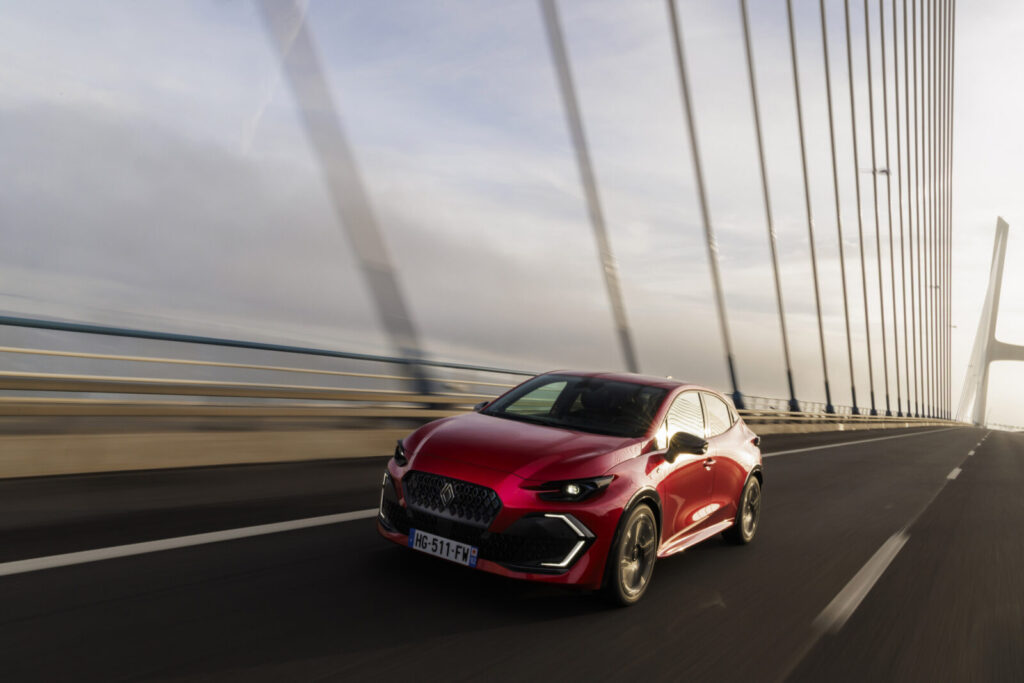
The Renault Clio 0.9 TCe regularly suffers from starting problems that originate from defective batteries, starters, ignition systems or fuel systems, often accompanied by error messages such as ‘starting may cause engine damage’. These problems occur mainly in models from 2017 onwards and show up mostly during cold starts. What are the causes behind this? Below is an overview of causes and solutions.
The Renault Clio with 0.9 TCe engine (90 hp) is popular because of its economical fuel consumption and compact size. However, owners are reporting complaints about difficult starting more and more often. The engine refuses to fire up. It rattles during cold starts. It also runs unevenly. The start-stop system fails regularly and warning lights flash intermittently on the dashboard. These problems cause frustration and can lead to costly repairs if they are not addressed in time.
Why won’t the Renault Clio TCe engine start?
The starting problems with the 0.9 TCe engine have several technical causes that sometimes reinforce each other. The ignition system is at the top of the list of culprits. Defective ignition coils or spark plugs cause misfires. The engine then struggles to start, especially when it is cold. You can recognise this by an unstable idle speed and irregular running that improves as soon as the engine reaches operating temperature.
The timing chain is another weak point. This chain stretches due to normal wear and tear. As a result, the timing of the engine is thrown off. The engine runs roughly and can be difficult to start. In severe cases, an excessively stretched chain can even cause engine damage. The error message on the dashboard is the result of this.
Electrical faults also play a major role. Relays, fuses or wiring can fail. The starter motor then receives no power. This prevents the car from starting at all, even if the battery is fully charged. Sensors sometimes fail too. They then send incorrect signals to the engine control unit. The starting system is blocked and warning lights come on.
Battery problems with the Renault Clio V
The battery is often the first suspect when starting problems occur. This applies particularly to the Clio V with start-stop system. This system places high demands on the battery. The engine is constantly being switched on and off. A weakened battery does not have enough capacity to start the engine reliably, especially in cold temperatures.
You can recognise a weak battery by the following symptoms:
- The starter motor turns slowly or only produces a clicking sound
- The start-stop system no longer works and remains disabled
- Electrical functions such as headlights and dashboard lighting dim noticeably while starting
- The error message ‘battery low’ appears on the display
The Clio V’s start-stop system switches itself off as soon as the battery drops below a certain voltage. This is a protective mechanism to prevent you being left with a flat battery. The system remains consistently disabled. This is a sign that the battery is due for replacement. The average life span of a battery with start-stop functionality is between 4 and 6 years, depending on use and maintenance frequency.
How do you recognise a defective starter motor?
The starter motor literally sets the engine in motion, but can fail due to wear or electrical problems. A defective starter can be recognised by specific signs. These differ from battery problems. You turn the key or press the start button. You then hear only a loud clicking sound. The starter motor does not turn. Or the starter motor does turn, but very slowly and with a scraping or grinding noise.
Sometimes the car does start, but only after several attempts. This points to a starter that fails intermittently. Worn carbon brushes or a damaged ring gear are the cause of this. If the starter has failed completely, nothing at all happens when you try to start, not even a click. This can also point to a defective relay, which controls the current to the starter.
Check the headlights to distinguish between a battery problem and a starter problem. This helps you to identify the cause. Switch on the headlights and try to start. The lights stay bright, but the starter does not respond. In that case the problem lies with the starter or starter relay. If the lights become much dimmer, the battery is insufficiently charged.
Problems with the start-stop system
The Renault Clio’s start-stop system regularly switches itself off or does not work at all, even on new models. Owners of Intens versions report confusion. They expected the system to be standard. This is, however, not always the case. The system switches itself off under various conditions that the computer assesses as unsafe.
The most common reasons why start-stop does not function:
- Battery voltage too low for a reliable restart
- Outside temperature below 0°C or above 35°C
- Engine has not yet reached operating temperature
- Air conditioning is drawing too much power
- Steering wheel fully turned while stationary
The system remains permanently disabled without an obvious reason. This indicates an underlying problem. A weakened battery is the most likely cause. Sensors can also fail. They measure battery status or engine temperature. Some owners choose to switch the system off by default using the button on the dashboard. This reduces battery load and also prevents unpredictable behaviour.
‘ You don’t need to guess. ’
Checking the fuel system and ignition
The fuel system ensures the right amount of fuel at the right time. During cold starts the engine needs more fuel to start. If the fuel pump is weakened or the injectors are dirty, the engine receives insufficient fuel. This results in long cranking times. The engine may start, but then immediately stall again.
Ignition coils and spark plugs are part of the ignition system. They wear over time. Defective coils cause misfires. Vibrations, hesitation and difficult starting are the consequences. This problem gets worse the colder the engine is, because cold engines need a stronger spark. If one or more coils fail, the engine may start on fewer cylinders. You can hear this as an uneven engine note.
You can check this problem yourself with an OBD diagnostic tool. The tool reads fault codes. Codes that point to ignition problems often begin with P030X, where X indicates the cylinder number. With fuel system problems, you will see codes beginning with P017X or P018X. This information helps you to replace parts in a targeted way. You don’t need to guess.
Practical solutions for starting problems
Start with a systematic diagnosis, working from simple to complex. First check the battery with a multimeter. A healthy battery shows at least 12.4 volts at rest and above 13.8 volts with the engine running. If the voltage is lower, charge the battery or replace it.
Then check the relays and fuses in the fuse box under the bonnet. Look specifically for the starter relay and fuel pump relay. Swap these with an identical relay in the fuse box. Then test whether the problem disappears. This is a simple test that is often surprisingly effective.
Replace spark plugs and ignition coils according to the service schedule. For the 0.9 TCe engine it is recommended to do this every 60,000 kilometres. If you have complaints, do it earlier. Use original or high-quality replacement parts. Cheap alternatives fail more quickly and can also cause new problems.
Adjust your starting procedure for cold starts. Fully depress the clutch pedal and then start the car. This reduces the load on the starter motor. First turn the ignition key to the first position and wait a few seconds. Then turn fully to start. This gives the fuel pump time to build up pressure.
When a professional diagnosis is needed
If the checks above do not bring any improvement, a professional diagnosis is necessary. Modern Renaults have complex engine management systems. Several sensors and actuators work together in these. A specialist can use advanced diagnostic equipment to read live data and perform actuator tests. This reveals the exact cause.
Problems with the timing chain require specialist knowledge. Checking the chain tension and replacing the chain is labour-intensive work. Only experienced mechanics should carry this out. Do not wait too long. A broken chain causes serious engine damage. A new engine may then be required.
Turbo-related problems also occur with the 0.9 TCe. Abrupt starts and stops shorten the life of the turbo. Frequently driving at high revs has the same effect. Symptoms include whistling noises, loss of power and smoke from the exhaust. These are the warning signs. Here too, a professional diagnosis is important before you proceed with expensive repairs.
‘ In the long run this works out more expensive. ’
Preventive maintenance prevents problems
Regular maintenance prevents many starting problems. Use quality fuel from reputable filling stations. This keeps injectors clean. Replace engine oil in line with the service schedule, preferably a little more often than the minimum. Clean oil protects the timing chain and turbo from premature wear.
Let the engine idle for 30 seconds after starting, then drive off. This applies particularly in cold temperatures. It gives the oil time to reach all components. Avoid short trips where possible. In those cases the engine does not reach full operating temperature and condensation can form in the fuel system.
Consider switching off the start-stop system during city driving with lots of stops. The system does save fuel, but it significantly increases the load on the battery and starter motor. If it is used frequently, these components wear faster. In the long term this works out more expensive, as the fuel saving delivers less benefit than the extra wear costs.
On the Carnews website you will find more in-depth information about common problems with various Renault models, practical maintenance advice and experiences from other owners. Discover what others report about their Clio and which solutions worked for them.
Frequently asked questions
The most common causes are failing components in the ignition system (especially coils and spark plugs) and problems during cold starts, often related to fuel injection or sensors. In addition, stretching timing chains and turbo wear cause starting difficulties and rough running. Electrical faults, for example in sensors, relays, fuses or wiring, are also common causes.
First check whether the battery has sufficient voltage (bright lights, no slowly turning starter motor) and whether the terminals are clean and firmly attached. See if all relevant fuses and relays for the starting system in the fuse box are still intact and properly seated. Check the fuel level and, when switching on the ignition, listen to whether you can briefly hear the fuel pump humming. Finally, pay attention to any warning lights on the dashboard and, if possible, read fault codes with a simple OBD scanner.
Yes, there are a few specific points of attention for the 0.9 TCe engine that can cause starting problems. Common issues include wear or defects in spark plugs and ignition coils, stretching of the timing chain and problems with fuel injection or sensors, which are especially noticeable during cold starts. Electrical faults in relays, fuses or wiring can also result in a complete failure to start. Turbo wear and malfunctions in the start-stop system can likewise make starting more difficult.
Have spark plugs and coils checked in good time and replaced according to schedule, and always use good-quality fuel and engine oil to limit wear on the chain and turbo. Regularly check relays, fuses and the condition of the battery to prevent electrical starting problems. During cold starts, let the engine idle briefly and avoid immediately revving hard. Schedule periodic OBD diagnostics if warning lights come on or the engine runs irregularly, so that sensor or injection problems are detected early.
It is wise to call a mechanic as soon as the Clio 0.9 TCe repeatedly starts poorly or not at all, continues to make a rattling noise during cold starts, or when warning lights (engine/ESP/start-stop) come on and simple checks of spark plugs, coils, relays and fuses do not solve the problem. If you suspect timing chain wear, turbo problems or recurring electrical faults, a professional diagnosis is also needed to prevent engine damage. For a basic diagnosis and minor repairs (e.g. coils, spark plugs, relays, fuses), costs are usually around €100–€300. For major work such as replacing the timing chain, turbo or resolving complex electrical faults, costs can range from about €500 to well over €1,000.