
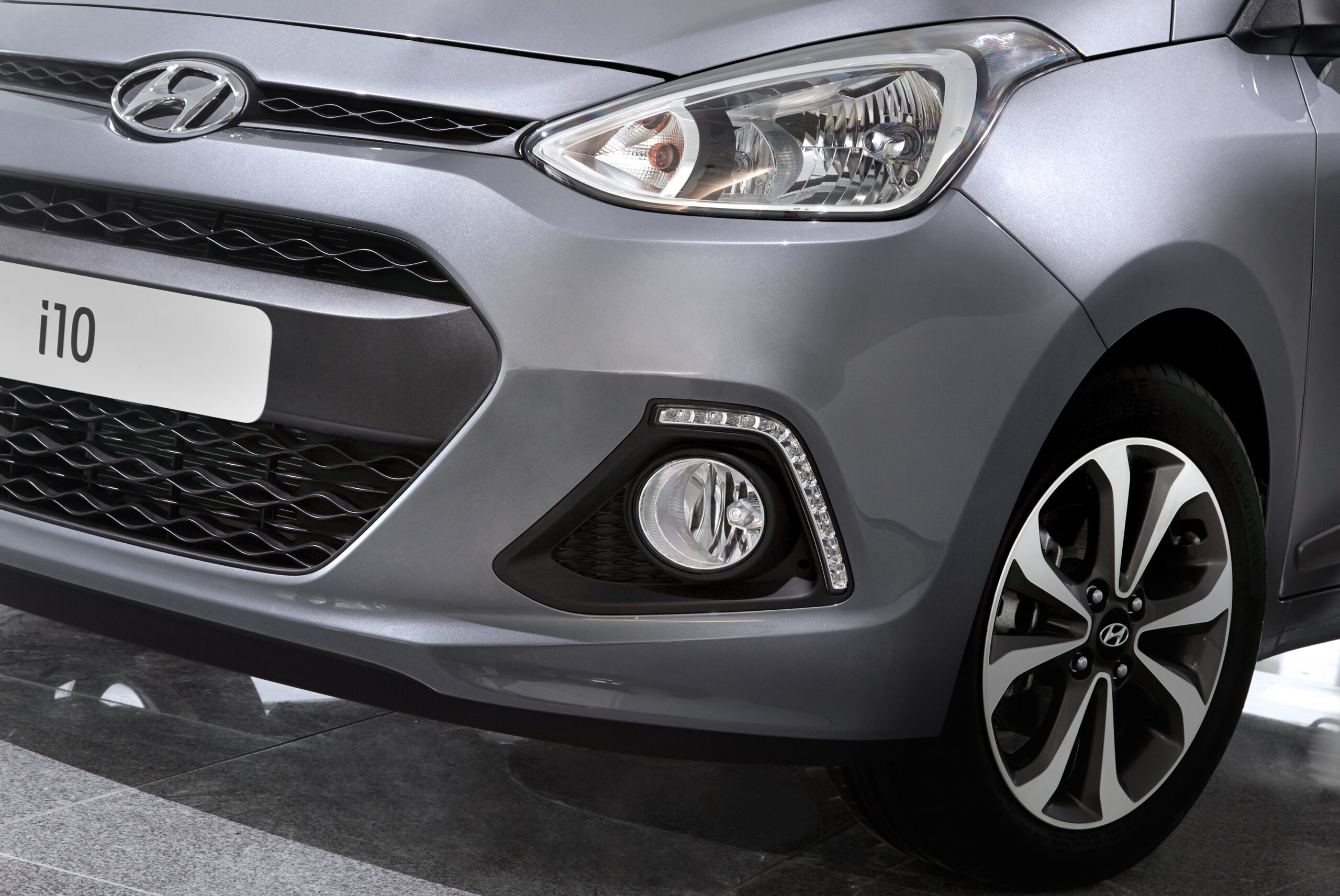
The Hyundai i10 regularly suffers from starting problems, especially with models from the period 2008–2012. Faulty starter motors, immobiliser faults and battery failures are the main reasons why your car will not start. What are the symptoms and how do you solve these problems?
When you get into your Hyundai i10 in the morning and the engine refuses to start, this can have several causes. Owners frequently report problems with the starter motor, battery and electrical systems. These issues are mainly seen on models built between 2008 and 2012. Fortunately, most faults can be recognised by clear symptoms and there are concrete steps you can take to fix them.
On the Carnews website you will find extensive information about Hyundai i10 car problems and other common technical faults. In this article we take a closer look at the starting problems that occur specifically with this model.
You can hear a faulty starter motor straight away
The starter motor is a common weak point on the Hyundai i10 from the years 2010 to 2012. When you turn the key, do you hear a clicking sound without the engine firing? This points to a faulty starter motor. Sometimes you hear nothing at all, while the lights and electronics still work as normal.
Symptoms of a broken starter motor are:
- Clicking sound when starting
- Engine does not crank even though the electrics are working
- Inconsistent starting behaviour: sometimes the car starts, sometimes it does not
- Burning smell around the engine bay
Repairing a starter motor usually involves replacing the complete unit. This costs on average between 200 and 400 euros, depending on the workshop. The choice between an original or aftermarket part partly determines the price. Have this checked in good time, because a starter motor that fails completely can leave you stranded in traffic.
‘ Green or white deposits on the terminals restrict the power supply. ’
Battery and wiring loom under the battery tray
Another well-known cause of starting problems with the i10 is faults in the wiring loom under the battery tray. Moisture and corrosion cause poor connections between the battery and the starting system. The battery itself can also discharge faster than normal, especially when the alternator is not working properly.
Test the battery voltage with a multimeter. A healthy battery measures at least 12.6 volts when the car is switched off. If the voltage drops below 12 volts, you need to charge or replace the battery. Also check the terminals and cables for corrosion. Green or white deposits on the terminals restrict the power supply.
With wiring loom faults you often see:
- Warning lights coming on for no obvious reason
- Electrical systems that fail
- Difficulty starting after rainfall or cold weather
- Check engine light illuminated
Clean the battery terminals with a wire brush and spray them with contact cleaner. Replace damaged cables immediately. Also check whether the wiring loom under the battery tray shows any visible wear. This problem occurs mainly with older models that are parked outside.


Immobiliser fault blocks starting
The immobiliser is an electronic security system that has to recognise that your key belongs to the car. A fault in the electronic receiver causes communication problems between the key and the vehicle. The system then thinks the wrong key is being used and refuses to start the engine.
This is a known factory fault on various i10 models. The dashboard lights come on, but the engine does not start. Sometimes the immobiliser light on the dashboard flashes for a long time after turning the key.
First try your spare key. If the car starts without any problem, the issue is with your main key. If the problem persists with both keys, the fault is in the electronic receiver. Have it reprogrammed by a Hyundai dealer. This repair is still covered by the factory warranty for many models, so check what is covered before you pay.
Cold start sometimes resolves itself
Many owners report starting problems after cold nights. The engine is then hard to start or runs very roughly on start-up. This may be caused by a dirty throttle body, worn spark plugs or faulty ignition coils. At low temperatures, the engine struggles more to achieve the correct fuel mixture.
Give the car 5 to 10 minutes to warm up before driving off. Avoid accelerating immediately after starting. This puts extra strain on the cold engine and can lead to misfires. Have the throttle body cleaned regularly during servicing. A dirty valve disrupts the airflow to the engine.
Scan the car with an OBD reader for fault codes. Faults in the crankshaft position sensor or camshaft position sensor (sensors that measure the position of the crankshaft and camshaft) often give warnings that you can read out. These sensors are important for ignition timing. A faulty sensor leads to poor performance and starting problems.
‘ Some faults can only be found with professional equipment. ’
Diagnosis in case of persistent problems
Start the i10 according to the basic starting procedure. Press the clutch and brake firmly, insert the manual key into the ignition on the right-hand side of the steering column and turn it. The dashboard lights should come on and the engine should start. If this does not happen, you know there is a fault.
Also check the fuel flap and bracket. Sometimes it gets stuck, meaning not enough fuel reaches the engine. Gently bend the flap towards the hinge side if it jams. Make sure you do not damage any parts when doing this.
If problems persist, have a diagnosis carried out at a garage. Some faults can only be found with professional equipment. Think of electrical faults in the central locking system or problems with the gearbox that indirectly affect starting.


Maintenance prevents a lot of trouble
The Hyundai i10 remains a reliable car if you stick to the service intervals. Replace oil and filters on time to prevent engine problems. Regularly check the battery and electrical connections, especially as your car gets older.
Owners often share on forums that they have had good results with battery replacement and immobiliser resets. These relatively simple interventions solve many starting problems. Also keep an eye on the area around the rocker cover. Oil leaks can affect performance and lead to other faults.
The robust factory warranty often covers electronic problems on models that are not yet too old. Always first check whether your fault is covered by the warranty before you start tinkering yourself or take the car to a garage.
Find out more about car faults
If you notice the first signs of starting problems, have them checked at a garage straight away. Do not wait until the car no longer starts at all. An OBD scanner and a visual inspection of the battery, starter motor and wiring will often quickly reveal the cause. This prevents expensive repairs and a car that will not move at the worst possible moment.
On the Carnews website you will find much more information about common car problems, maintenance tips and the experiences of other car enthusiasts. Discover more articles about your car and stay up to date with technical developments.
Frequently asked questions
The most common causes of starting problems with the Hyundai i10 are a fault in the immobiliser, a weak or defective battery/charging system and ignition problems (coils/spark plugs or a dirty throttle body). You can first test with a spare key yourself to see whether the problem is related to the immobiliser, and look out for a flashing key symbol or refusal to start for no clear reason. Then measure the battery voltage (around 12.6 V when stationary, >14 V when running), check for corrosion on the terminals and pay attention to dashboard warnings. For persistent problems, you can use a simple OBD scanner to read fault codes (e.g. crankshaft/camshaft sensor, misfires) to determine more precisely whether ignition or sensors are the cause.
First check the battery: see whether the lights are dim, measure the voltage if possible (at least about 12.6 V) and clean the terminals. Try another car key if the starter motor does nothing, in order to rule out an immobiliser problem. Make sure you fully depress the clutch and turn the key calmly all the way while all the warning lights on the dashboard come on. If the engine struggles to start from cold, let it idle for a few minutes and then arrange as soon as possible for a mechanic to check the spark plugs and throttle body.
Prevent starting problems by having the battery and charging voltage tested regularly, keeping the battery terminals clean and replacing a weakening battery in good time. In the case of persistent starting problems, always use the spare key as well and have the immobiliser and key (receiver) checked or reprogrammed by the dealer. Have oil, spark plugs and filters replaced according to the schedule and have the throttle body cleaned if the i10 idles roughly or is hard to start, especially in cold starts. In addition, keep an eye on fault codes with an OBD scanner and have electrical faults rectified straight away to prevent consequential damage.
Across the different Hyundai i10 generations there are known weak points, mainly electronic, around the starting system, particularly immobiliser faults where the receiver does not correctly recognise the key code. In addition, problems with rapid battery discharge and the charging system (alternator) occur relatively often, which can lead to a failure to start. These issues have largely been reported across models and generations as recurring faults rather than major, official recalls specifically for the starting system. In many cases, immobiliser problems are resolved under warranty through reprogramming or module replacement.