

Worn steering column bushes and suspension components on the Kia Picanto cause creaking and knocking noises. These noises have a direct impact on your driving safety and comfort. These complaints are very common on models from 2017 onwards. The causes are wear in the steering column, the steering rack (power steering rack, the component that converts steering movements into wheel movements) and the associated rubber components. Discover which warning signs you must not ignore and how to tackle these problems.
Recognising the causes of steering noises on the Kia Picanto
Steering noises on the Kia Picanto are usually creaking, rattling or knocking sounds while steering. This mainly happens in three situations: at low speeds, when parking and when driving over uneven surfaces. The noises often become louder in cold weather or after hitting kerbs. This points to play in the track rod ends or the steering column bearing.
The steering rack is a very common culprit. This component converts the rotary movement of the steering wheel into movement of the wheels. When it wears, play develops. As a result you hear creaking noises and the steering feels less direct. Leakage of power steering fluid makes the problem worse and can lead to squeaking noises.
In addition, worn bushes play a major role. These rubber components have a damping function. They absorb vibrations and noise. Over time they tear due to age and load. Owners report that noises increase. This happens as the bushes wear further. Track rod ends and track rods (steering rods, the connecting rods between steering rack and wheels) can also cause problems. This happens when they develop play.
Practical checks for steering problems
- Check the power steering fluid level. A low level causes squeaking noises and increases wear.
- Have the steering rack inspected for leaks or play by a garage. You can feel play yourself by turning the steering wheel and checking whether there is movement before the wheels respond.
- Replace worn track rod ends in good time. This prevents the noises from getting worse and the steering becoming unsafe.
- Test the steering column by moving the steering wheel back and forth while the car is stationary. Listen for any clicking or creaking.
An inspection of the steering rack at a garage costs between 300 and 600 euros. This amount includes replacement of the steering rack itself. This solves the problem in around 80 per cent of cases. Regular checks every 20,000 kilometres prevent small problems from escalating. This way you avoid unsafe situations.
Recognising suspension problems and noises on the Kia Picanto
The suspension of the Kia Picanto consists of independent front suspension with MacPherson struts. MacPherson struts are a widely used type of front suspension. At the rear, the car has a torsion beam axle (a rigid axle that connects the rear wheels and provides stability). This design works well for city use. However, it is sensitive to wear on poor roads. Knocking or rattling noises over bumps point to worn shock absorbers. Worn bolts or bushes in the suspension can also cause these noises.
Models with 14-inch wheels suffer more often from suspension problems. This is due to the limited suspension travel. The GT-Line variants have sports suspension. This feels firmer. However, it also sounds harsher over uneven surfaces. Shock absorbers often fail after 50,000 to 80,000 kilometres. This is noticeable from oil leaks and knocking noises at every bump.
The rear axle bushes regularly tear. This causes rattling noises when accelerating or braking. Anti-roll bar links and the associated bushes wear particularly quickly in winter conditions. Frost and road salt accelerate wear. This leads to clattering noises. You hear these noises when cornering. You will also hear them over uneven road surfaces.
Typical complaints and symptoms of suspension problems
- Knocking noises over bumps due to worn front shock absorbers. This occurs after 50,000 to 80,000 kilometres.
- Rattling noise from the rear axle when accelerating. This is caused by torn torsion beam bushes.
- Clattering noises when cornering due to worn anti-roll bar links or bushes.
- Oil leaks at the shock absorbers. This is visible as dark patches on the shock absorber body.
- Irregular tyre wear on the inside edge. This points to incorrect wheel alignment caused by worn suspension components.
A lift test at a garage reveals suspension problems quickly. During this test the car is placed on a lift. The mechanic can then check all components for play, tears and leaks. Early diagnosis saves a lot of money. You can then carry out small repairs before more serious damage occurs.
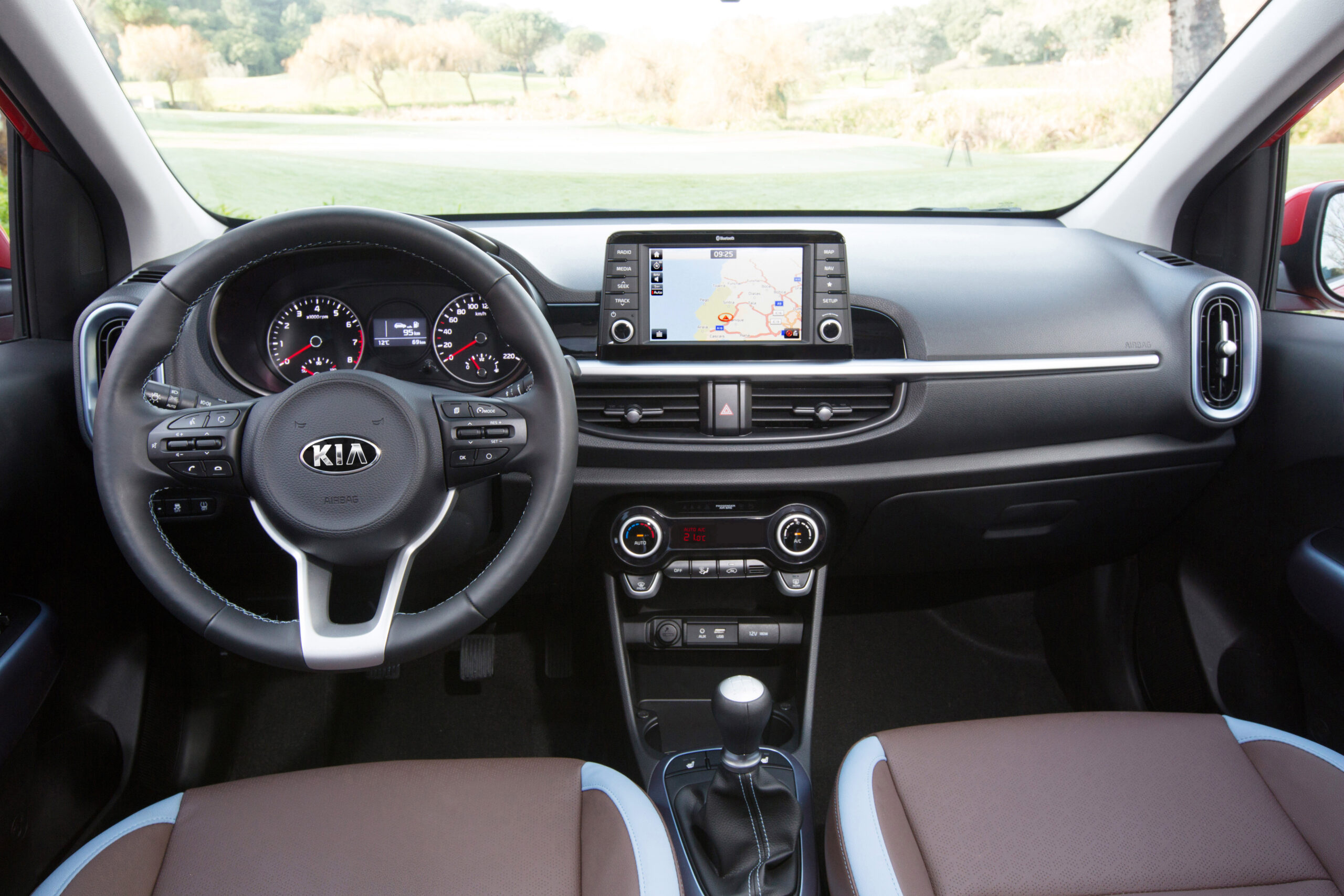
Carrying out a safety check of the steering system
The steering system of the Kia Picanto needs regular checks. That way you keep driving safely. Check the condition of the track rod ends, bushes and steering rack every 15,000 kilometres. Pay attention to play in the steering and unusual noises. Also watch for changes in steering behaviour. Steering that does not respond directly points to problems. Steering that is harder to turn is also a warning sign.
Test safety by paying attention to vibrations in the steering wheel while driving. Also check whether the steering wheel fails to return to centre by itself after a corner. These are signs of worn components. These parts have a direct impact on your control of the car. If in doubt, have the car checked immediately.
Also check the power steering fluid regularly. The reservoir is usually on the left-hand side of the engine bay. It has a min and max marking. Top up with the correct fluid. Check the car’s handbook for this. Dark or dirty fluid should be replaced. It will otherwise damage the steering rack.
Practical maintenance and prevention tips for longer driving pleasure
Always replace shock absorbers in pairs. So replace both fronts or both rears at the same time. This ensures equal damping on both sides of the car. Preferably choose original parts. These last up to 100,000 kilometres. They also fit better than cheaper alternatives.
Check suspension bolts and nuts for corrosion. Do this especially after winter. Lubricating with silicone spray reduces creaking noises temporarily. However, this is not a permanent solution. Drive carefully over kerbs. Avoid hard impacts with the kerb. This loads the front axle and accelerates wear of bushes and track rod ends.
The light weight of the Picanto is between 950 and 1,050 kilograms. This makes the car agile. However, it is also sensitive to overloading. Avoid heavy loads in the boot. The torsion beam axle (the rigid rear axle that connects the rear wheels) is sensitive to this. It extends the service life of the rear axle bushes.
Useful tips for daily use
- Have the suspension and steering system checked every 15,000 kilometres. This matches Kia’s service intervals.
- Choose winter tyres for better damping and grip. This reduces the load on the suspension on poor roads.
- Consider polyurethane bushes as an upgrade. Polyurethane is a stiffer plastic than rubber and damps better. Owners report quieter journeys and better road holding.
- Check wheel alignment after replacing suspension components. This prevents uneven tyre wear.
The 1.2-litre engine delivers 62 kW and 122 Nm of torque. This engine requires a smoothly working suspension for optimal handling. Many Picantos reach 150,000 kilometres without major suspension repairs. This happens when you carry out maintenance on time and do not ignore noises. In urban traffic this compact city car excels thanks to its small turning circle. This does depend on you dealing with steering issues straight away.
On the Carnews website you will find much more information about common car problems and maintenance advice. Discover more about how to keep your car in top condition and spot problems at an early stage.
Frequently asked questions
On the Kia Picanto, creaking, rattling or knocking noises while steering are particularly typical, especially at low speed or over uneven surfaces. A creaking or squeaking sound when steering can indicate low power steering fluid or wear in the steering column. Knocking or rattling when steering and going over bumps at the same time often points to play in the track rod ends, the steering rack or the suspension bushes. If noises persist, have the steering rack, track rod ends and suspension bushes checked for play, leaks and wear to determine the exact cause.
The most common problems with the suspension of a Kia Picanto are worn front shock absorbers (knocking, oil leaks), torn rear axle rubbers and fast-wearing anti-roll bar links/bushes that cause clattering or rattling noises. Bolts and rubbers in the front MacPherson suspension can also develop play and creaking, especially on poor roads. Solutions include replacing shock absorbers in good time (always in pairs), anti-roll bar links/bushes and torn rear axle rubbers, preferably with OEM parts. In addition, it helps to have the suspension checked regularly, to lubricate bolts/rubbers and to avoid heavy loads or hard impacts with kerbs.
Have the steering system and suspension checked every 15,000–20,000 km for play, leaks and worn bushes, joints and shock absorbers, and replace parts in good time and in pairs (for example both front shock absorbers). Avoid hard impacts such as kerbs, deep potholes and consistently heavy loading, as these place extra stress on the steering rack and suspension bushes. Maintain the correct tyre pressure and preferably use good-quality (even slightly softer) tyres to absorb impacts on the suspension. Have bolts, rubbers and pivot points cleaned and lightly sprayed/lubricated periodically so that corrosion and drying out have less chance.
Yes, there are performance-focused modifications possible for the suspension of the Kia Picanto to make its driving behaviour sportier. Owners often fit stiffer (sport) shock absorbers and lowering springs, which reduce body roll in corners and make the steering more direct. Fitting polyurethane bushes in the suspension and anti-roll bar links can also improve road holding and feedback. Do bear in mind that this usually comes at the expense of comfort and may cause more noise in the car.
Important components in the suspension are the front shock absorbers (including MacPherson struts), the anti-roll bar links and bushes, and the rear axle bushes, because wear here has a direct impact on road holding and braking stability. In the steering system, the steering rack (including any leaks or play), the track rod ends and track rods are particularly crucial for safe and precise steering response. Extra attention during inspection should be given to play, oil leaks, torn rubbers/bushes and abnormal noises when steering or driving over uneven surfaces. Regular checks of these components prevent unsafe driving behaviour and sudden failure.