

A vague steering feel, vibrations and uneven tyre wear are often the result of incorrect wheel alignment or worn track rod ends. This problem becomes especially noticeable after long journeys and can have an immediate impact on safety. Read on to find out how to recognise these issues and what you can do about them.
How do you recognise incorrect wheel alignment?
You can recognise poor wheel alignment by several signs. The most noticeable symptom is a steering wheel that sits crooked while you are driving in a straight line. In addition, the car may pull to one side, meaning you constantly have to correct the steering to keep the car going straight.
The tyres also give signals. With incorrect alignment you often see uneven wear on the inner or outer edge of the tread. Some tyres even show saw-tooth wear or cupping (wavy wear of the tread). The tread then wears down in a wave pattern. These signs are visible. They can also be felt: the car may feel unsettled and respond floatily to steering inputs.
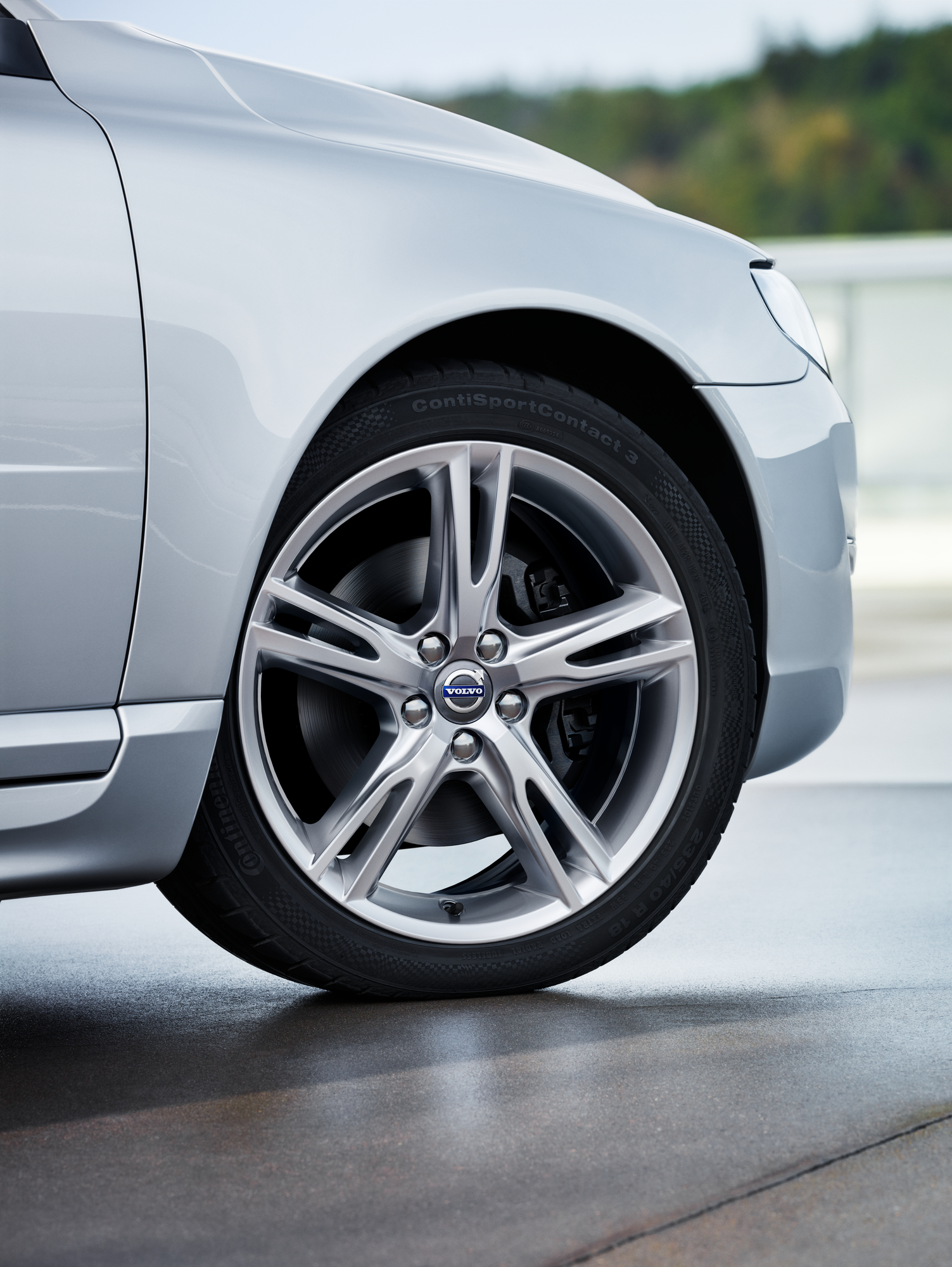
Many owners of models such as the Volvo V70 recognise this problem after many kilometres on the motorway. The weight of the car and the high mileage accelerate wear on the suspension and steering, which makes alignment problems show up more quickly.
What causes a vague steering feel?
A vague or floaty steering feel can have several causes. The most common is play in the steering system or suspension. Worn track rod ends, ball joints (connecting pieces between suspension and wheel) and control arm bushes (dampers in the suspension) do not transfer steering movements directly to the wheels. As a result, the steering feels less direct and the car responds with a delay.
Incorrect wheel alignment also contributes to this problem. Toe-in/out determines the direction of the wheels. The camber (the angle of the wheel in relation to the vertical axis) and the caster (the tilt angle of the wheel’s steering axis) must be within the factory specifications. If they are not, you constantly have to make small corrections to keep the car straight. This gives an unsettled feel, especially at higher speeds.
Other factors that cause a vague steering feel are:
- Unequal tyre pressure between left and right
- Tyres with different tread depths or brands
- Worn wheel hub bearings (bearings in the wheel that ensure smooth rotation)
- Shock absorbers that are no longer working properly
- Dragging brake callipers that cause resistance
Check steering play yourself in a few steps
You can carry out a basic check for steering play yourself. Bring the car to a halt with the engine running and the wheels pointing straight ahead. Move the steering wheel gently from side to side without letting the wheels turn. If you feel more than a few centimetres of free play before the wheels respond, there is probably play in the steering system.
For a thorough check you need to jack up the car. Grip a front wheel with both hands at the 9 and 3 o’clock positions. Try to move the wheel horizontally. Play or a clicking sound points to worn joints or bearings in the wheel hub. Repeat this test at the 12 and 6 o’clock positions for a complete picture.
While testing, also pay attention to rubber components. Torn or cracked rubbers around control arms and steering rods indicate that the components are worn. They then need to be replaced. This visual check prevents you from relying solely on alignment when the underlying parts are already worn.
When should you have it checked professionally?
If you are unsure about the condition of the steering and suspension components, have a specialist take a look. A good diagnosis measures the wheel alignment and all moving parts are inspected. Only after checking and, if necessary, replacing worn components will alignment have a lasting effect.
How much does a wheel alignment cost?
The cost of wheel alignment averages between 50 and 100 euros for a two-axle alignment. On some cars a four-wheel alignment is required, costing between 100 and 150 euros. These prices are for alignment only, excluding repairs.
If worn components need to be replaced, the cost increases. Replacing track rod ends costs on average between 150 and 300 euros, depending on the make and model. Replacing control arms or ball joints can rise to 400 euros or more per side, including labour.
Always ask for a printout of the measurements before and after alignment. This shows whether the values are within the factory specifications. Without this check you cannot be sure the problem has been solved. Some garages include a check of the suspension and undercarriage as part of the service, which helps prevent recurring costs.
Is incorrect wheel alignment a safety risk?
Yes, poor wheel alignment is a safety risk. The car responds less predictably to steering inputs, especially in emergency situations. If you have to swerve or brake suddenly, the delayed response or pulling behaviour can lead to a loss of control.
Incorrect alignment also significantly accelerates tyre wear. Tyres with little tread or uneven wear have less grip, especially on wet roads. The braking distance increases. The risk of aquaplaning (losing grip because a layer of water forms between the tyre and the road surface) becomes greater.
Worn track rod ends or suspension components increase the risk even further. In the worst case, a joint can come loose while driving. You then lose control over the wheel. This risk is small but real, especially on older cars with high mileage.
Warning signs that require immediate action
Act immediately if you notice any of these symptoms:
- Sudden change in steering behaviour after a heavy impact or collision
- Noticeable vibrations in the steering wheel at normal speeds
- A clicking or grinding noise while steering
- The car pulls more and more strongly to one side
- Clearly different tyre wear between left and right
Prevent problems with regular maintenance
Have the wheel alignment checked regularly. This prevents most alignment and steering problems. Have the wheel alignment checked at least once a year, or more often if you regularly drive on poor roads. Have you replaced suspension or steering components? Then have the alignment checked again.
Check the tyre pressure yourself every month. Too low or uneven pressure affects driving behaviour immediately and speeds up wear. Also keep an eye on the tyres’ wear pattern. Abnormal wear is often the first sign that something is wrong with the alignment or suspension.
Rotate tyres between front and rear. This spreads wear evenly. It extends service life and prevents differences in tread depth from affecting driving behaviour. Always use tyres of the same type and brand on one axle for optimum stability.
Tips for extending the life of steering and suspension
- Drive carefully over speed bumps and avoid hard knocks against kerbs
- Always have the alignment checked after damage to wheels or suspension
- Replace worn components in good time before they damage other parts
- Choose quality parts when replacing to guarantee a longer service life
- Plan maintenance before symptoms become severe
Combine alignment with a full inspection
Alignment alone does not always solve the problem. If underlying parts are worn, the incorrect settings will return. A good workshop therefore first checks all steering and suspension components before carrying out the alignment.
This approach prevents disappointment and duplicate costs. Owners regularly report that a car starts pulling again or feels vague shortly after alignment. In most cases, it later turns out there was play in a joint or bush that had not been replaced.
Ask the workshop explicitly to check for play and wear. A trustworthy mechanic will point out worn components before starting the alignment. You can then choose whether to have everything replaced straight away. You can also postpone it, but at least you know where you stand.
‘ Discover helpful articles that help you spot problems in time and avoid expensive repairs. ’
Discover more on Carnews
Steering problems and wheel alignment are only one part of the maintenance your car needs. On the Carnews website you will find extensive information about common car problems, maintenance tips and experiences from other car enthusiasts. Discover helpful articles that help you spot problems in time and avoid expensive repairs.
Frequently asked questions
You can recognise problems if the steering wheel is crooked while you are driving in a straight line, or if the car pulls to one side on a flat road. Also watch out for unsettled or “wobbly” steering behaviour and vibrations in the steering wheel at different speeds. Regularly check whether your tyres are wearing unevenly or unusually quickly. If the driving behaviour changes after hitting a kerb or pothole, this is also a strong indication of damage to the steering mechanism or wheel alignment.
Problems with the steering mechanism and wheel alignment reduce driving safety because the car may pull, respond less predictably and take longer to settle in a straight line. Braking distance and control in emergency situations can also worsen if the suspension is not tight. In terms of performance, these problems cause increased tyre wear, more rolling resistance and potentially higher fuel consumption. Incorrect alignment also compromises comfort and straight-line stability, especially at higher speeds.
The most common causes are incorrect wheel alignment (after hitting kerbs or potholes), wear in steering and suspension components (track rod ends, control arm bushes, ball joints), incorrect or uneven tyre pressure and tyre wear, and sometimes dragging brakes. You can prevent these problems by checking tyre pressure and wear regularly, driving slowly over speed bumps and potholes and avoiding sharp impacts against kerbs. After any repair to the suspension or steering, have the wheel alignment checked and adjusted. Respond early to signs such as a crooked steering wheel, pulling to one side or unsettled driving behaviour and then have the entire suspension and steering mechanism inspected.
It is necessary to call in a professional as soon as you notice that the steering wheel is crooked when driving straight ahead, the car pulls to one side, irregular tyre wear occurs or the driving behaviour feels unsettled or floaty. After a heavy impact with a kerb, deep pothole or after replacing steering or suspension components, professional inspection and alignment is also required. For standard wheel alignment, costs are usually roughly between €70 and €150, depending on the type of alignment and the workshop. If worn steering or suspension parts have to be replaced, the total cost can rise to several hundred euros, depending on the parts required.
Correct wheel alignment ensures even tyre wear, which means the tyres last longer and retain their grip characteristics better. During sporty driving this results in predictable road holding and cornering behaviour, as both front wheels grip the road surface at the correct angles. The steering feel becomes more direct and precise, with less need for correction in bends and during braking or load changes. It also reduces the tendency to “wander” or pull, which increases confidence at high speeds.