
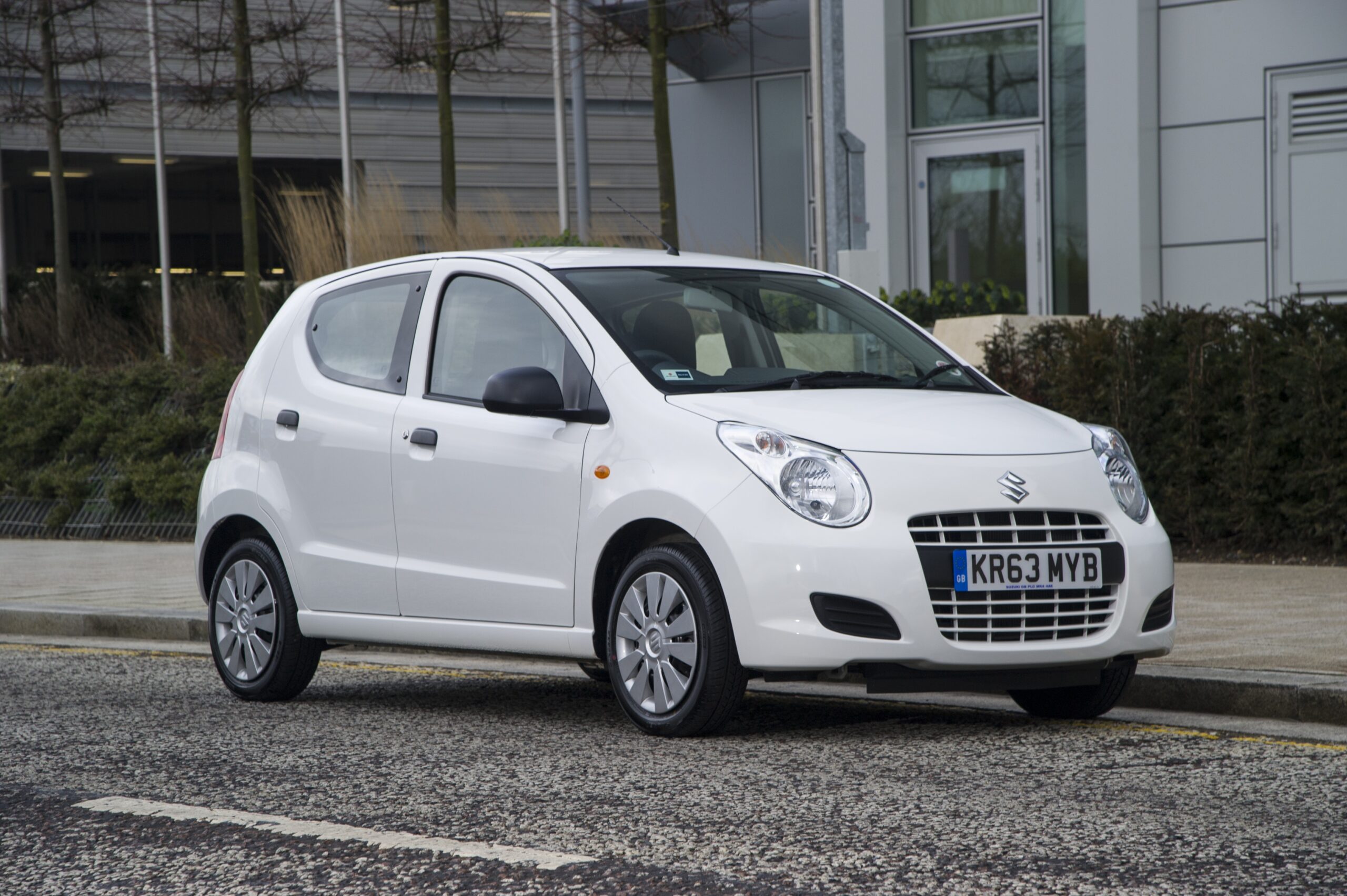
A faltering air conditioning system in your Suzuki Alto is often caused by clogged or damaged air filters in the air con system, which reduce the airflow or stop it altogether. Fortunately, this problem is usually easy to solve by cleaning or replacing the filters. Will you do this yourself, or will you ask a garage for help?
The air conditioning in a Suzuki Alto sometimes cuts out unexpectedly. Sometimes the system no longer blows cold air, at other times the air con doesn’t work at all. Common car problems with the Suzuki Alto are often related to clogged filters, but other technical causes also play a part.
Why the air con no longer blows cold air
If the air con no longer cools, there can be several reasons. A common cause is a clogged or dirty air filter in the AC unit. Dust, leaves and other dirt clog the filter, blocking the airflow. This means little or no cold air comes out of the vents.
A faulty compressor can also play a role. The compressor acts as a pump under the bonnet and circulates the refrigerant through the system. If the compressor does not engage, no cooling can take place. This often happens due to low refrigerant pressure, a broken pressure sensor or a faulty relay. The system protects itself against damage by switching off.
Coolant leakage is also quite common. Small leaks in the condenser or hoses cause the refrigerant to escape. The condenser is located in front of the radiator and is vulnerable to dirt and stone chips. If there is too little refrigerant, the compressor cannot build up pressure. The system then switches to a safety mode.
‘ A working air con reaches between 7 and 8 degrees. ’
How to recognise an air con problem
Various signs point to a problem with the air con. The clearest sign is that the air con does not come on when you switch it on. You may also see warning lights on the dashboard, or fault codes may appear in the system.
Another symptom is the compressor making strange noises, such as regularly switching on and off (tripping). This indicates a pressure issue or a faulty sensor giving incorrect information. The air con may sometimes blow warm air instead of cold. You may also notice strange smells caused by mould growth in the evaporator.
Measure the outlet temperature with a thermometer to check whether the air con is working properly. A temperature of 12 to 13 degrees Celsius points to dirt or deposits in the system. A working air con reaches between 7 and 8 degrees.
Cleaning or replacing filters yourself
Clean the air con filters of your Suzuki Alto yourself. The filter is located behind the glove compartment. Sometimes it is also found under the dashboard. Check your car’s manual for the exact location.
Filter cleaning step by step:
- Carefully remove the filter from its housing
- Tap the filter to remove loose dirt
- Rinse the filter under lukewarm water
- Allow the filter to dry completely before refitting it
- Check the filter for tears or damage
Has the filter been damaged? Replace it with a new filter. You should also replace the filter if it is heavily soiled. Car parts shops sell these filters for around 10 to 25 euros. A clean or new filter restores the airflow and ensures the air con works better.
Checking other causes
Besides clogged filters, there are other possible causes. You can check some of these yourself. Start the car and set the air con to the coldest setting. Check the compressor under the bonnet. The compressor has a pulley that turns with the drive belt. If the compressor does not rotate while the air con is on, this points to an electrical problem. It can also indicate low pressure.
Also check the fuses. There is a fuse box in the dashboard or under the bonnet. Look for the fuse for the air con system. Check whether the fuse has blown. Replacing a blown fuse costs little time and money. However, if the fuse blows again, there is a bigger problem.
Some owners gently press the accelerator when switching on the air con. This can help with tripping problems. It works mainly on older 660 cc models. It does not solve the underlying cause.
‘ It doesn’t replace a proper repair, but it does help. ’
Quick fixes for minor problems
There are products for temporary fixes. For small leaks, add leak stop through the low-pressure port. This product seals small cracks. It keeps the system running for a while. It does not replace a proper repair, but it does help.
For better cooling in older systems there is Power Freeze. Add this product via the low-pressure port. Then let the air con run for 15 minutes. The product circulates through the system, improving performance. It only works if there is still enough refrigerant in the system.
Does the air con smell unpleasant? Then clean the system to remove bacteria and mould. Set the air con to recirculation mode. Spray a special cleaning product into the air intake. Let the system run for 15 minutes. Keep the doors closed. This removes dirt and odours from the evaporator.
Costs of air con repair
The repair costs for a Suzuki Alto air con vary greatly. The cause of the problem determines the price. Here is an overview of average costs:
- Replacing fuse or relay: 20 to 100 euros
- Replacing pressure sensor and topping up the system: 150 to 300 euros
- Replacing compressor including flushing the system: up to 1000 euros
- Replacing evaporator: around 1500 euros due to labour costs
- Annual service including top-up: 150 euros
Replacing a pressure sensor and topping up the refrigerant often costs between 150 and 300 euros. Diagnosis is included. This prevents damage to the compressor and remains relatively affordable. Some owners report that replacing a relay including diagnosis cost around 240 euros.
Replacing a compressor is much more expensive. Besides the compressor itself, the mechanic flushes the entire system to remove contamination. Costs can rise to 1000 euros. Replacing an evaporator is very labour-intensive. The dashboard has to come off, which explains the high price of around 1500 euros.
When to go to the garage
Has the air con stopped working completely? Always have the air con diagnosed by a specialist. A professional diagnosis detects leaks and faulty sensors, and reveals other problems. A failed air con needs immediate attention. A compressor running without refrigerant can suffer serious damage.
A garage has specialised equipment. Using this equipment, the garage can pressurise the system and trace leaks. They also refill the system correctly with the right amount of refrigerant. Too much refrigerant reduces performance; too little damages components.
Regular servicing extends the life of your air con system. Have the air con checked at least once a year. Have the system topped up as well. Clean the condenser regularly. Remove dirt, leaves and insects. This prevents blockages and damage due to corrosion.
‘ The service life increases. ’
Prevent future problems
You can prevent many air con faults with simple maintenance. Use the air con regularly, including in winter. This keeps the seals supple and prevents the system from seizing. Run the air con for ten minutes once a month on the coldest setting.
Park your car in the shade on hot days. This reduces the load on the air con system and increases its service life. Check the condenser regularly for damage. Clean it from the outside using low-pressure water.
Replace the cabin filter according to the maintenance intervals in your manual. The standard interval is once a year. A clogged cabin filter puts extra strain on the air con system and reduces airflow.
On the Carnews website you will find more information about common car problems. Maintenance tips are also explained there. Discover practical solutions for different car makes and models, and stay up to date with the best tips for your car.
Frequently asked questions
The most common causes are a faulty relay or a broken pressure sensor, which prevent the compressor from switching on for safety reasons. A blown fuse or wiring problems can also cause the air con to stop working completely. In addition, leakage or low refrigerant pressure is common, usually in the condenser or hoses. Less common, but possible, are a defective compressor or contamination/blockages in the condenser or evaporator.
As a layperson, it is better not to try to make an official diagnosis yourself, because you may miss or misinterpret important symptoms. You can, however, keep a systematic record of your complaints (when, how often, how severe) and use reliable technical or workshop information to prepare yourself. Take this information to your garage or specialist and discuss together which checks or next steps are needed. Then follow the repair or inspection plan agreed with the professional.
You can check the air con fuses yourself and replace a blown fuse according to the Alto fuse diagram. Start the engine, set the air con to the coldest setting and see whether the compressor under the bonnet engages (you can hear or see it switching on); this gives you a rough idea of whether it is working at all. Gently clean the condenser (in front of the radiator) of leaves, dirt and insects so the airflow is not blocked. You can also use an air con deodoriser or cleaning spray via the cabin filter/intake grille to reduce bad smells caused by mould in the evaporator.
On average, the costs for professional air con repairs on a Suzuki Alto range from around €150 to €300 for common problems such as a faulty pressure sensor or topping up after a leak. Minor repairs to fuses or relays can be done from about €20 to €100. Major work, such as replacing the compressor, can cost around €1000, and a new evaporator can be as much as about €1500. A routine air con service or refill usually costs around €150.
Yes. Have the air con checked and topped up at least once a year so that the pressure and refrigerant level remain correct and the compressor does not run dry. Keep the condenser in front of the radiator free of dirt and leaves by carefully spraying it clean regularly. Use the air con occasionally in winter too, so that rubbers and seals stay supple and leaks are prevented. If you notice bad smells, have the evaporator and air ducts cleaned to avoid mould growth and blockages in the system.