
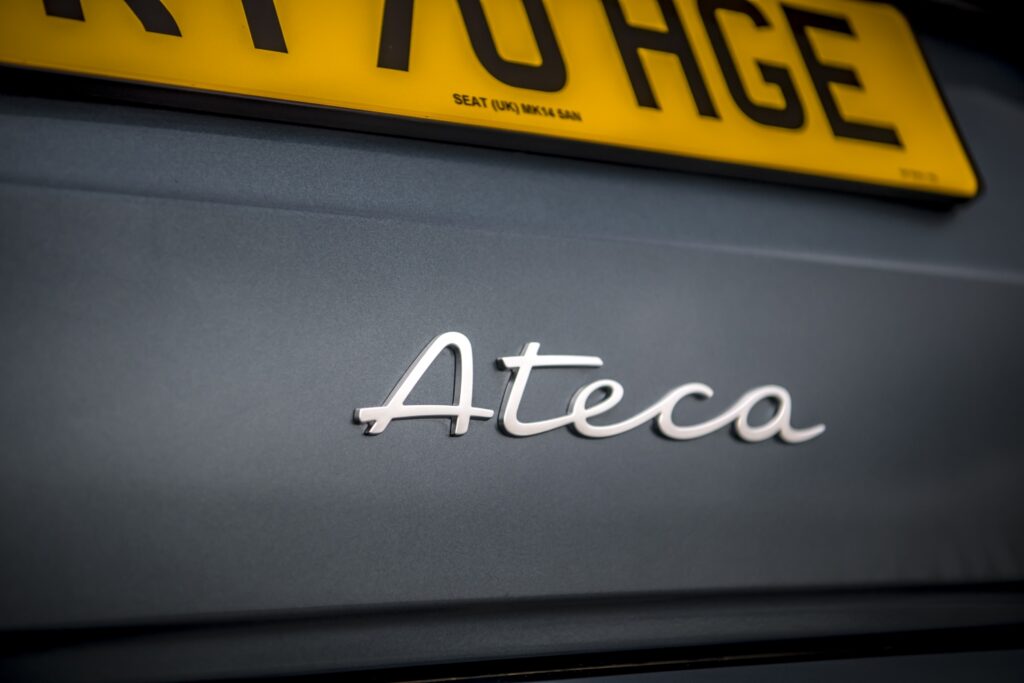
The Seat Ateca suffers from well-known tailgate issues and rust, especially around the handle and in door seals. Owners report faulty electric operation and rust at the wheel arches, often caused by vulnerable wiring and design flaws. In this article you will read how to recognise and prevent these problems.
Seat Ateca tailgate does not open electrically
The electric tailgate on the Seat Ateca regularly develops faults. The most recognisable sign is a series of three short beeps when you try to operate the tailgate. The tailgate then does not respond to commands from the remote control or the button in the boot. In many cases you can still open and close the tailgate manually, which indicates that the problem is electrical in nature.
On some cars the lock does open correctly, but the tailgate itself does not move electrically. This partial functioning often points to a problem with the actuators or the power supply. The Seat Ateca has suffered from these faults since its introduction in 2016.
The problem occurs on cars from different model years. Both relatively new models and higher-mileage examples can be affected. The cause lies not so much in the age of the car, but in the vulnerability of specific components.
‘ This constant movement eventually causes breaks in the cable connections. ’
Wiring as the main cause of tailgate failures
The wiring harness to the tailgate electric motors is the main cause. These cables follow a route with a lot of movement due to the opening and closing of the tailgate. With each use the cables stretch, bend and contract along with it. This constant movement eventually causes breaks in the cable connections.
The connection points at the actuator housings are particularly sensitive. This is where the greatest stresses act on the cables. Contact problems arise when connections oxidise or work loose. This interrupts the electrical power supply and prevents the motors from operating.
Besides the wiring, the actuators themselves also fail. These electric motors operate the tailgate mechanically. On the first-generation Seat Ateca these parts wear out relatively often. Sometimes one motor still works while the other has stopped. That explains why the tailgate sometimes still responds partially.
Identifying body rust problems on the Seat Ateca
Rust on the tailgate has a specific cause. The plastic handle for manual operation creates a moisture problem. Water remains on the back of the tailgate, around the internal side of the handle. This moisture does not get enough opportunity to drain away or evaporate.
The rust first appears as small brown dots or specks around the handle. With prolonged exposure it spreads over the metal. This is a design-related problem that occurs on multiple examples. It is not a matter of poor maintenance, but of a design flaw in the handle.
In addition to the tailgate, owners report rust in the door seals and at the wheel arches. These locations are vulnerable because moisture and dirt accumulate there. With door seals, the rubber can wear, allowing water to seep between the seal and the metal. At the wheel arches, splashing water with salt and dirt causes corrosion on the inside of the wheel arches and the lower parts of the bodywork.
Spot early rust in time
Regular checks help to detect rust at an early stage. Watch out for the following signs:
- Brown discolouration around the tailgate handle
- Fluid build-up in the corners of door rubbers
- Rust spots on the inside of the wheel arches
- Loose or damaged door seals
- Blisters in the paint around seams and joints
Ideally check these points every six months, especially after winter when road salt has done its work. Early detection prevents small rust spots from developing into serious damage to the bodywork.
‘ Pre‑filled solder connectors do not always work reliably. ’
Fixing a defective Seat Ateca power tailgate
For complex problems with the electric tailgate, professional help is recommended. Specialist garages offer repair and installation services for around €295. This often includes replacing faulty actuators (electric motors that move the tailgate) or repairing the wiring harness.
Experienced DIYers can tackle simpler wiring problems themselves. Start by carefully removing the trim from the inside of the tailgate. Inspect all cables for cracks, breaks or signs of corrosion. Pay particular attention to the connection points at the motors, where most damage occurs.
You can repair damaged connections by re‑soldering the cables. After soldering, use heat‑shrink tubing for watertight joints. Pre‑filled solder connectors do not always work reliably. Freehand soldering followed by quality heat‑shrink tubing gives a more durable result.
Preventive measures against rust and failures
Prevention is better than cure. The following steps help to delay or prevent problems:
- Check the tailgate monthly for fluid build-up around the handle
- Ensure good drainage by keeping drain channels clean
- Treat early rust spots immediately with rust converter products
- Spray zinc primer on exposed metal parts after removing rust
- Test the electric operation of the tailgate regularly
- Have door seals checked during servicing
- Wash the car more often in winter to remove road salt
With early rust, timely action helps. Remove loose rust with a wire brush and treat the metal with a rust converter. Then apply a protective layer with zinc spray. This stops the corrosion and protects the underlying metal from further moisture.
When professional help is needed
Some situations require expert repair. Go to a garage when you want to have several systems checked at once or when the damage is too complex for DIY repair. This applies, for example, to extensive rust damage affecting the entire body panel. Multiple actuators that need replacing also call for professional help.
A specialist mechanic has diagnostic equipment to pinpoint electrical problems precisely. They can also assess whether rust damage is only superficial or whether the body structure has been affected. For structural damage, professional welding is essential.
If in doubt, always have an expert take a look. Some repairs appear simple but, if carried out incorrectly, can cause more damage. In addition, with professional repairs you often retain a warranty on the work carried out.
‘ Extensive corrosion can be a sign of poor maintenance. ’
What this means for used‑car buyers
When buying a used Seat Ateca, ask the seller to demonstrate the electric tailgate. Listen for beeps or irregular noises while opening and closing. Test the operation several times in a row to check that it works consistently.
Inspect the bodywork thoroughly for rust. Pay particular attention around the tailgate handle, at the door rubbers and in the wheel arches. If possible, lift off the wheels to view the inside of the wheel arches. Small rust spots are not unusual on older models. Extensive corrosion can be a sign of poor maintenance.
Ask about the service history and previous repairs. A car whose tailgate has already been professionally repaired with new parts can actually be more attractive than one where the problem has not yet been addressed. Do pay attention to the quality of the repair work carried out.
Long‑term experience with the Seat Ateca
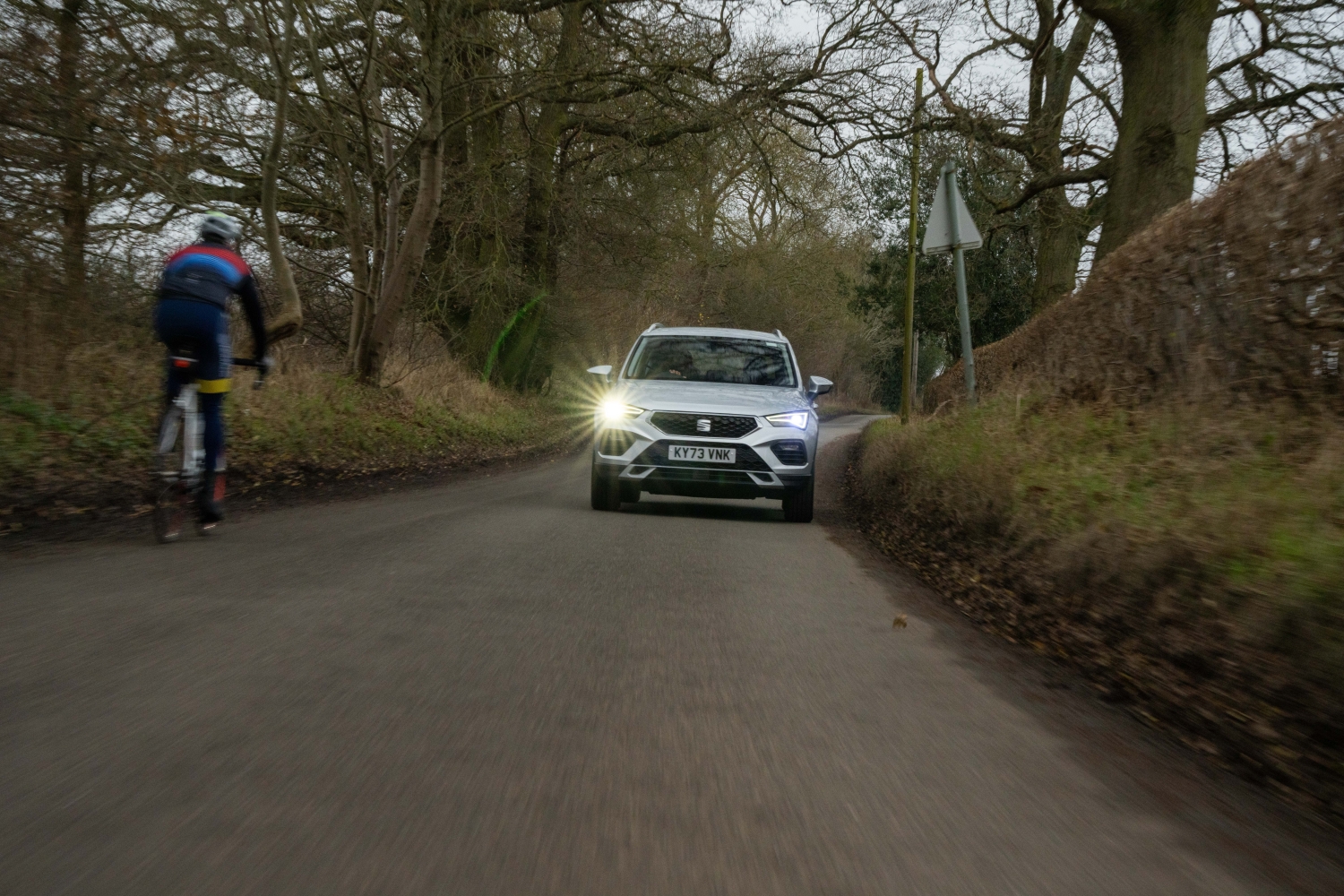
The Seat Ateca is generally a reliable compact SUV with good driving characteristics and practical space. The wiring issues and rust sensitivity are known weak points, but with regular maintenance and swift action at the first signs you can manage these effectively.
For later production years, Seat has made improved parts available. This means that repairs with newer components are often more durable than the original design. Owners who carry out preventive maintenance and tackle problems in good time usually suffer little from recurring complaints.
On the Carnews website you will find more information about common problems with different car brands and practical maintenance tips. Discover how to keep your car in optimum condition and which warning signs you should never ignore.
Frequently asked questions
Yes, rust formation on the tailgate and around the body near the handle is a known and common problem with the Seat Ateca. It is mainly caused by a design flaw whereby the plastic handle traps moisture against the metal. The rust usually develops on the inside of the tailgate around the handle. Regular inspections and preventive treatment are therefore recommended for Ateca owners.
The main cause of rust on the tailgate of the Seat Ateca is a design flaw around the plastic handle, which traps moisture against the metal. In addition, insufficient or poor drainage in this area plays a role. Paint damage or stone chips around the handle and edges of the bodywork can also speed up the onset of rust. Finally, moisture that remains for a long time in seams and gaps in the tailgate and bodywork can further accelerate rust formation.
Regularly check the tailgate (especially around the plastic handle) for early rust and moisture build-up, and keep the drain and water‑discharge openings clean so that water does not remain standing. On vulnerable or previously damaged areas apply a protective layer (for example zinc spray, rust converter and then paint) to protect exposed metal. In winter, rinse road salt residues off thoroughly, especially from the tailgate and wheel arches, and allow the car to dry. Have early rust spots professionally repaired as soon as possible so they cannot spread.
You often recognise early rust as small blisters in the paint, dull or brown dots and/or discolouration around the plastic handle and edges of the tailgate; regularly inspect these areas in good light and run your fingertips over suspicious spots to feel for unevenness. For light, surface rust, sand the affected area back to clean metal, treat it with a rust converter or zinc spray and then refinish it in layers with primer, paint and clear coat. For rust around seams, edges or where pitting has already developed, it is more effective to have the panel (partly) blasted or cut out and welded by a specialist, after which it is professionally resprayed. After repair, ensure thorough cleaning and wax protection of the tailgate and regularly check for moisture build-up around the handle and in the seams to reduce the risk of recurrence.
Rust damage to the tailgate or bodywork of a SEAT Ateca can be covered by the factory or paint warranty if it demonstrably concerns perforated body panels or paint defects within the warranty conditions and time limits. In the case of rust caused by a known structural or design weakness (such as moisture build-up behind the plastic handle), this is often assessed as a manufacturing or design defect and may be repaired under goodwill or warranty. The exact cover depends on the year of manufacture, service history, rust location and whether the dealer/manufacturer classifies it as a manufacturing fault or damage caused by use. Have the dealer assess the damage in writing and explicitly refer to the body and paint warranty.