
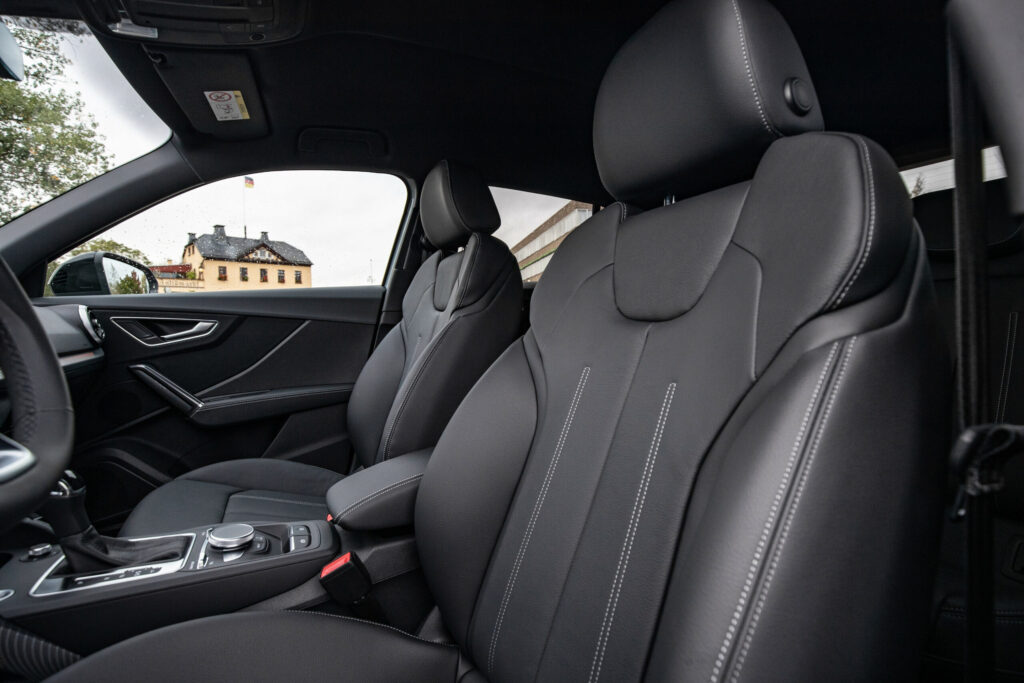
The Audi Q2 with a 1.6 TDI diesel engine suffers from specific faults that lead to loss of power, in particular problems with the injection system and the EGR valve. These issues occur mainly on models from the 2017–2018 period and can show up as engine misfiring, sudden drops in power and warning lights on the dashboard. Owners of an Audi Q2 would be wise to recognise these faults and address them in good time.
Common Audi Q2 1.6 TDI problems
The 1.6 TDI engine in the Audi Q2 belongs to the EA288 generation, a specific series of TDI engines developed by the Volkswagen Group. These engines were affected by the diesel scandal, which led to recall campaigns for software updates. In addition to these emission-related issues, these engines show a number of recurring technical faults.
The most common problems with the 1.6 TDI diesel engine are:
- Defective rail pressure sensor leading to engine stalling and loss of power
- Clogged or defective EGR valve resulting in irregular engine behaviour
- Clogging of the diesel particulate filter with lots of short‑trip use
- Faults in the injection system that cause loss of power
- Persistent engine warning lights due to sensor faults
These problems often appear suddenly and can cause the car to switch into limp mode. The faults can be recognised by specific symptoms that owners should spot immediately.
Solving Audi Q2 diesel engine hesitation
When the TDI diesel engine in your Audi Q2 starts to hesitate, there can be several causes. The way the engine runs feels irregular, with clear vibrations and loss of power when accelerating. This hesitation is often the result of a defective rail pressure sensor or problems with the fuel system.
The rail pressure sensor measures the pressure in the fuel system and sends this information to the engine ECU. When this sensor fails, the engine receives incorrect information and can no longer operate properly. Replacing this sensor costs roughly 240 euros and takes about 2 hours’ labour. This problem occurs mainly on models from 2018–2020.
The injection system can also cause hesitation. The injectors spray fuel into the cylinders and have to do this with great precision. Contamination or defects lead to an irregular fuel supply. This results in loss of power and engine misfiring. A diagnosis with an OBD scanner (a diagnostic device that reads fault codes from the engine management system) can show exactly which component is causing the fault.
Symptoms of a hesitant injection system
Recognise problems with the injection system by the following signs:
- Engine is hard to start, especially in cold temperatures
- Irregular idle speed
- Loss of power while accelerating
- Increased fuel consumption above the normal 4.1–5.3 litres per 100 kilometres
- Black exhaust smoke under full throttle
If you notice these symptoms, have a diagnosis carried out as soon as possible. Waiting can lead to further damage to the engine or exhaust system.
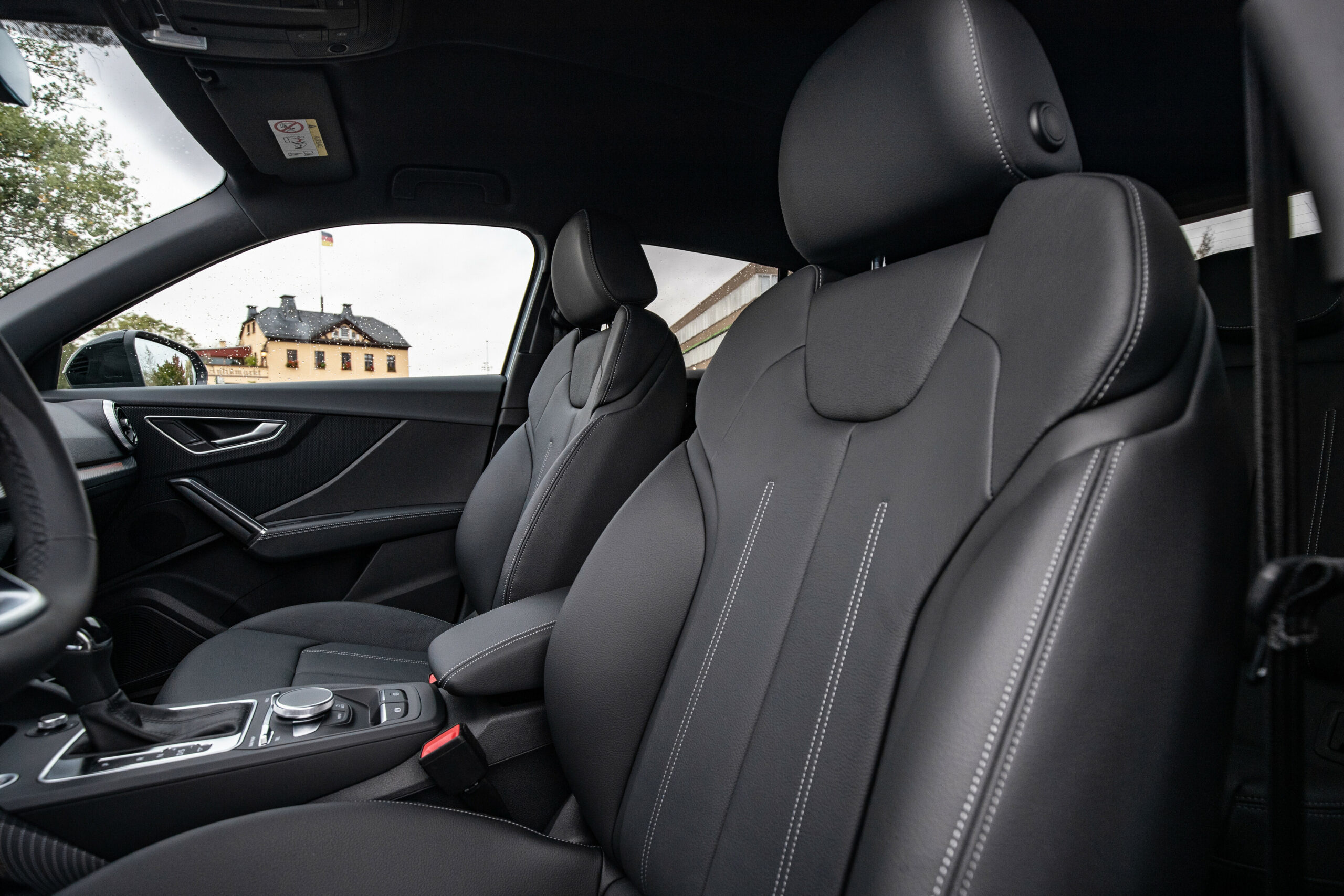
Cleaning the EGR valve on an Audi Q2 TDI
The EGR valve is one of the main causes of problems on the Audi Q2 TDI. This valve routes some of the exhaust gases back to the engine to reduce emissions. Because of this function the valve comes into contact with soot particles and becomes contaminated. When the EGR valve is clogged, various complaints arise.
Symptoms of a contaminated EGR valve include engine misfiring, loss of power, an illuminated engine warning light and a strong exhaust smell. These complaints occur mainly on models from 2017–2018. Contamination builds up faster if you do lots of short trips, because the engine does not reach operating temperature and the EGR valve cannot regenerate properly.
Preventive maintenance for the EGR valve
Prevention is better than cure. Regularly drive longer distances at higher revs to keep the EGR valve clean. On the motorway, at higher revs, soot particles and other contamination are burned off thanks to the higher temperature. This process is called regeneration and keeps the emission system clean.
There are two possible methods for cleaning the EGR valve. In the case of light contamination, a mechanic can clean the valve without removing it, using special cleaning agents. In the case of severe contamination, the valve has to be removed from the engine and cleaned by hand. In some cases replacement is necessary if the valve is damaged.
Bear in mind that a clean EGR valve not only prevents problems, but also protects the diesel particulate filter. A defective EGR valve causes more soot in the exhaust system, which clogs the DPF more quickly.
Problems with the diesel particulate filter
The diesel particulate filter captures harmful soot particles from the exhaust gases. Over time this filter fills up and has to regenerate itself by burning the stored soot. This happens automatically while driving at higher speeds. With lots of short‑trip use the filter does not reach the required temperature and a blockage occurs.
A clogged DPF shows similar symptoms to a defective EGR valve: loss of power, increased fuel consumption and a warning light. A strong smell from the exhaust may also occur. The filter can be regenerated manually by taking a longer drive on the motorway, during which the engine stays at operating temperature for at least 20 minutes.
When the filter is too badly clogged, only professional regeneration or replacement can solve the problem. A new DPF is expensive, so preventive driving behaviour pays off. If you mainly drive short distances, try to take a longer trip at least once a week.
‘ Models from before 2018 are most likely to still be missing these updates. ’
Software updates and recalls
The EA288 generation engines in the Audi Q2 (a particular engine generation within the Volkswagen Group) were involved in the diesel scandal. This led to recalls in which the emission software had to be adjusted. When buying, check whether these updates have been carried out. Models from before 2018 are most likely to still be missing these updates.
The software updates can affect engine behaviour and fuel consumption. Some owners report a slight increase in consumption after the update. This is the result of more accurate emission measurements, with the engine now operating to the correct values.
Costs and maintenance advice
The 1.6 TDI engine in the Audi Q2 requires regular and correct maintenance. Although the engine scores 5 out of 5 stars for reliability in tests, maintenance costs are on the high side. This is mainly due to the sensitive emission systems and electronics.
Allow for the following cost items:
- Replacing the rail pressure sensor: approximately 240 euros including labour
- Cleaning the EGR valve: 150 to 300 euros depending on the method
- DPF regeneration: 100 to 200 euros for professional treatment
- DPF replacement: 800 to 1,500 euros in case of complete blockage
- Diagnosis with OBD scanner: 50 to 100 euros
Avoid high costs by driving preventively. Regularly make longer journeys where the engine reaches and maintains its operating temperature. This helps to keep the EGR valve and DPF clean. Also check the engine oil level regularly and use only specified oil that meets Audi standards.
When professional help is needed
Some problems you can prevent yourself by driving sensibly, but others require professional diagnosis. When the engine warning light stays on, a read‑out with diagnostic equipment is essential. This scanner reads the fault codes from the electronic engine management system and points directly to the defective component.
Do not let faults continue for too long. A minor problem with a sensor can develop into damage to more expensive components such as the turbo or the injection system. Early detection saves money and helps avoid annoying breakdowns on the road.
For repairs, choose a garage with expertise in VAG diesel engines. The electronics and emission systems of modern TDI engines require specific knowledge and equipment. An incorrect diagnosis can lead to unnecessary repairs and costs. Make sure that as soon as you notice the first signs of loss of power or hesitant running, you have a diagnosis carried out so that you prevent more serious damage and keep your Audi Q2 running reliably.
Frequently asked questions
The most common TDI diesel engine problems on the Audi Q2 are faults in the EGR/AGR system (clogged or defective EGR valve) and problems with the emission system including DPF blockage, especially with lots of short trips. In addition, defective rail pressure and other sensors in the fuel system are regularly seen, leading to loss of power, limp mode and warning lights. There have also been emission-related software and recall actions around the EA288 engines. Finally, owners relatively often report electronic faults that can result in costly workshop visits.
Watch out for warning lights (especially the engine fault light or glow plug spiral starting to flash), loss of power, irregular idling or juddering when pulling away. Also pay attention to increased fuel consumption, a strong exhaust or soot smell and more frequent regeneration of the particulate filter (cooling fan often coming on, higher idle speed after a drive). If you hear whistling, hissing or rattling noises from the engine bay, this can indicate problems with the turbo, EGR or injection system. At the first combination of these signs, have a diagnosis carried out immediately (preferably with OBD read‑out) to prevent more serious damage.
It is important to follow the service intervals strictly, with timely oil and filter changes, and to use only good‑quality diesel. Regularly make longer journeys at motorway speeds so that the EGR/AGR valve and the DPF filter can regenerate and do not clog up. Periodically have the operation of the fuel system and the rail pressure sensor checked with a diagnostic device to detect faults at an early stage. Finally, check with the dealer for outstanding software updates and recalls for the TDI engine.
Yes, there are a few TDI problems that occur more frequently with certain model years of the Audi Q2. In particular, the early production years 2016–2018 (EA288 Euro 6 engines such as the 1.6 and 2.0 TDI) stand out for issues around emission software (diesel scandal/recalls) and frequently clogged or defective EGR/AGR valves. On Q2s from roughly 2017–2020, problems with rail pressure sensors and the fuel system are also reported relatively often. Apart from that, on all model years the DPF can clog more quickly with lots of short trips, but this is not strictly tied to a specific model year range.
Common TDI problems on the Audi Q2 include a clogged or defective EGR/AGR valve, DPF blockage and defective sensors (such as the rail pressure sensor). For a rail pressure sensor repair you pay around €200–€300 including labour; EGR and DPF problems can range from a few hundred euros for cleaning to over €1,000 for replacement. The best approach is first to carry out a fault diagnosis with OBD read‑out, check for outstanding recalls and software updates, and only then have parts replaced in a targeted way instead of swapping components “on spec”. Regular longer journeys at motorway revs help to keep the DPF and EGR clean and limit future costs.