
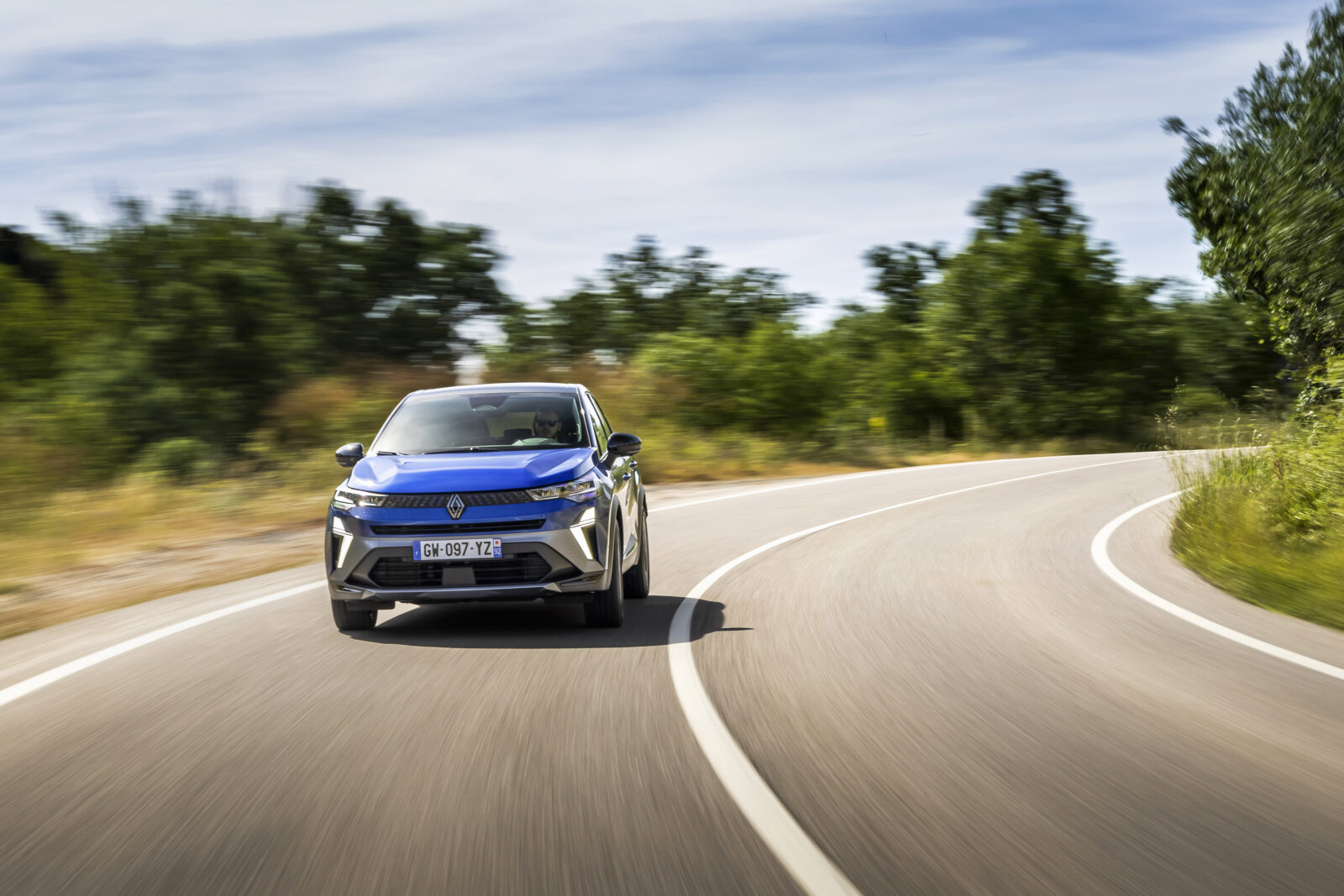
According to ANWB and ADAC, the Renault Captur scores reasonably well for reliability, but early models suffer from serious issues with the engine, transmission and electronics. The second generation from 2019 in particular shows clear improvements compared with the first series. Do note: there are still concrete problems with timing chains, electronics and start systems that potential buyers really need to weigh up carefully. Want to know exactly what you should look out for?
How reliable is the Renault Captur really?
The Captur is known as a solid compact crossover that performs better than older Renault models. Experts particularly appreciate the ride comfort, the stability on winding roads and the well-balanced suspension that absorbs bumps. The car is popular on the used market thanks to its strong position in the market and good residual values.
ANWB and ADAC rate the Renault Captur as reasonably reliable. Users report a comfortable driving experience, spacious layout and distinctive design that suits everyday use well. The chassis, with a wheelbase of 2.64 metres, offers more long-distance comfort than rivals such as the VW T-Roc, especially on bumpy roads.
However, reliability varies greatly between generations and engine variants, particularly when it comes to electronics, transmission and timing chains. These components can fail, leading to expensive repairs. It is therefore sensible to understand the differences between generations properly before making a choice.
‘ They can certainly cause concern for an unsuspecting buyer. ’
Known problems with the first generation
The first-generation Captur from 2013–2019 mainly struggles with problems affecting the engine, transmission and electronics. The 1.2-litre TCe engine regularly suffers from high oil consumption due to issues with the oil pump control. The dealer often resolves this with a software update.
The EDC automatic can change gear jerkily or produce unusual noises. In more serious cases this leads to an expensive gearbox overhaul. Owners also report whining from the gearbox and rattling seat belts.
Electronics are another area of concern. Prematurely discharged batteries, a failing start-stop system and faults in the DAB radio and trip computer occur. Software updates usually resolve these. The charge sensor can also fail, triggering alarming warnings such as ‘starting may cause engine damage’. These problems are often easy to fix, but they can certainly cause concern for an unsuspecting buyer.
Which generation is the most reliable?
The second generation from 2019 onwards is more reliable than its predecessor. Renault has made improvements in build quality and fit and finish. Even so, there are still specific problems that require attention.
The timing chain in the 1.2 TCe 90 engine wears noticeably quickly, sometimes as early as 40,000 to 60,000 kilometres. This manifests itself as a rattling noise on a cold start. TCe engines must be inspected every 15,000 kilometres to prevent chain failure. If this is not done in time, it can lead to severe engine damage.
Even in the second generation, electronic components such as the infotainment display, start-stop system and parking sensors often fail. The infotainment display can pack up after 20,000 to 30,000 kilometres, resulting in a black screen or pixel faults. The start-stop system sometimes switches off permanently after 15,000 to 25,000 kilometres, putting extra strain on the battery.
The automatic gearbox can fail, and parking sensors and air conditioning sometimes play up. It does happen that the engine will not start after the tank has run dry. This blocks the start system. In that case, add at least ten litres of fuel to get the system going again. Despite these points of attention, the second generation remains more reliable than the first series.
How does the Captur compare with its rivals?
Compared with other compact crossovers, the Captur holds its own well. The fuel-efficient behaviour of the petrol engines is a plus point. In real-world use the car returns between 1:12 and 1:16, which is more realistic than the stated 1:19 but still competitive.
The sharp handling without excessive body roll in corners gives the Captur a sportier feel than some competitors. The suspension absorbs bumps effectively, which benefits long-distance comfort. Models such as the VW T-Roc and Peugeot 2008 score similarly on reliability, but the Captur stands out for its interior space and ease of maintenance.
Maintenance costs remain relatively low if preventative work is carried out. The car’s popularity on the used market pushes up prices, so acting quickly when you find the right specification pays off. Owners on forums report good performance from used examples if they have been properly maintained, with the Captur 1 automatic in particular performing well when it comes with a complete service history.
Practical tips for purchase and maintenance
When buying a used Captur, a thorough inspection is essential. Check whether software updates for the engine, transmission and electronics have been carried out. Test the start-stop system, the infotainment display and the parking sensors. Listen out for rattles or whining noises during a test drive, especially on a cold start.
Regular maintenance prevents many problems. For TCe engines the following applies:
- Inspect the timing chain every 15,000 kilometres
- Check battery voltage and connections every 20,000 kilometres
- Consider an AGM battery for better performance
- Clean the air filter regularly to prevent engine problems
- Check the oil level between services
While driving, it helps to stick to certain habits. Do not drive until the tank is completely empty, as this can block the start system. Rev the engine properly for optimum fuel consumption and performance. Owners report that routine checks, such as monitoring the oil level, extend the car’s lifespan.
Points to watch for specific versions
The 1.2 TCe engine requires extra attention. Oil and carbon build-up on the inlet valves is known to occur, especially with a lot of short-distance driving. Have these cleaned during major services to prevent a drop in performance. Dirt in the air filter can also put additional strain on the engine.
The first-generation EDC automatic demands vigilance. If gearchanges are jerky or there are strange noises, a prompt diagnosis is needed. Delaying this can lead to costly repairs. The manual version generally proves more reliable.
The corrosion protection on the bodywork and longitudinal members is applied unevenly in places. For used cars from damp regions or coastal areas, check particularly carefully for rust. Treating the car with extra protection can limit future damage.
What do owners say in everyday use?
Forums and user reviews paint a mixed picture. Many owners appreciate the space and frugal nature of the Captur. The practical layout makes the car suitable for families and daily journeys.
At the same time, users report alarming warnings that, once checked, often turn out to be less serious. The start-stop system and the battery need regular attention. Those who routinely check these points suffer less from unexpected breakdowns.
Used cars with a full service history perform noticeably better. Owners who take preventative maintenance seriously report few major problems. The car stands up well to daily use, provided you keep an eye on the known points to watch.
‘ Even so, both generations require informed choices and regular maintenance. ’
The right choice for your situation
The Renault Captur is a sound choice if you are looking for a compact crossover with good comfort and space. The second generation offers clear improvements over the early models. Even so, both generations require informed choices and regular maintenance.
Choose the second generation if you want the latest technology and better build quality. Opt for a manual gearbox if you want to avoid potential issues with the EDC automatic. Always check the service history and have an independent inspection carried out.
With the right preparation and maintenance, the Captur delivers a reliable driving experience. The known issues are usually manageable and can be prevented with preventative measures. Take the specific points to watch for each generation and engine variant into account so you can make a well-informed choice and avoid unexpected repair bills.
Frequently asked questions
According to owners and experts, the Renault Captur mainly suffers from engine and transmission issues, such as high oil consumption (particularly in the 1.2 TCe), rattling or rapidly wearing timing chains and sometimes hesitant or awkward shifting from (EDC) automatics. In addition, electrical faults are reported, including a battery that discharges quickly, issues with the start-stop system, failing infotainment screens and glitchy parking sensors or air conditioning. There are also reports of noises (rattles, whining gearbox), dashboard warnings and sometimes inconsistent corrosion protection on the bodywork. Even so, the Captur is generally rated as reasonably reliable and comfortable, provided servicing has been carried out properly and known weak points are tackled preventatively.
The Renault Captur is considered reasonably to fairly reliable, especially compared with older Renault models, but it sits around average to slightly below the level of the very best competitors in its class. Direct rivals such as the Volkswagen T-Roc and comparable German and Japanese crossovers generally score slightly better in breakdown statistics and customer satisfaction, and have fewer structural issues with engine, electronics and transmission. The Captur can run without major problems if well maintained and equipped with the right software updates, but it requires more attention to items such as the timing chain, battery and infotainment than some competitors. As a result, it is competitive in terms of reliability, but not class-leading in its segment.
In normal use, the maintenance costs of a Renault Captur sit roughly in the middle of the segment; as a rough guide, allow about €600–€900 per year for dealer servicing (including routine maintenance and minor repairs), depending on engine type and mileage. Major expenses can arise from known issues such as the EDC automatic and TCe engines with timing chains, especially if preventative maintenance is postponed. With careful and timely servicing, a realistic lifespan is around 200,000–250,000 kilometres, with higher mileages entirely possible if the car mainly covers longer journeys. Expressed in years, this usually equates to around 10–15 years of normal use.
The 1.2 TCe petrol engine is known for increased oil consumption and, in certain model years, premature timing-chain wear, which is regarded as a reliability risk. The EDC automatic can suffer from faults and rough shifting, sometimes leading to costly overhauls. Electronics such as the infotainment screen, start-stop system and sensors (parking sensors, charge sensor) show above-average failure rates. The newer Captur generation scores better overall for reliability, provided maintenance (oil level, software updates, chain inspection) is followed strictly.
The first-generation Captur (2013–2019) is generally regarded as somewhat less reliable, with known issues involving the 1.2 TCe engine (high oil consumption) and the EDC automatic, plus various electrical faults. The second generation (from 2019 onwards) is fundamentally improved and is rated as more reliable in tests and surveys, but still has specific points to watch such as timing-chain wear in TCe engines and infotainment/start-stop faults. Within these generations there are no widely recognised “best years” or “problem years”; instead, the risks depend more on engine and specification. When buying, the chosen engine (especially the TCe units) and the service history carry more weight than the exact model year.