
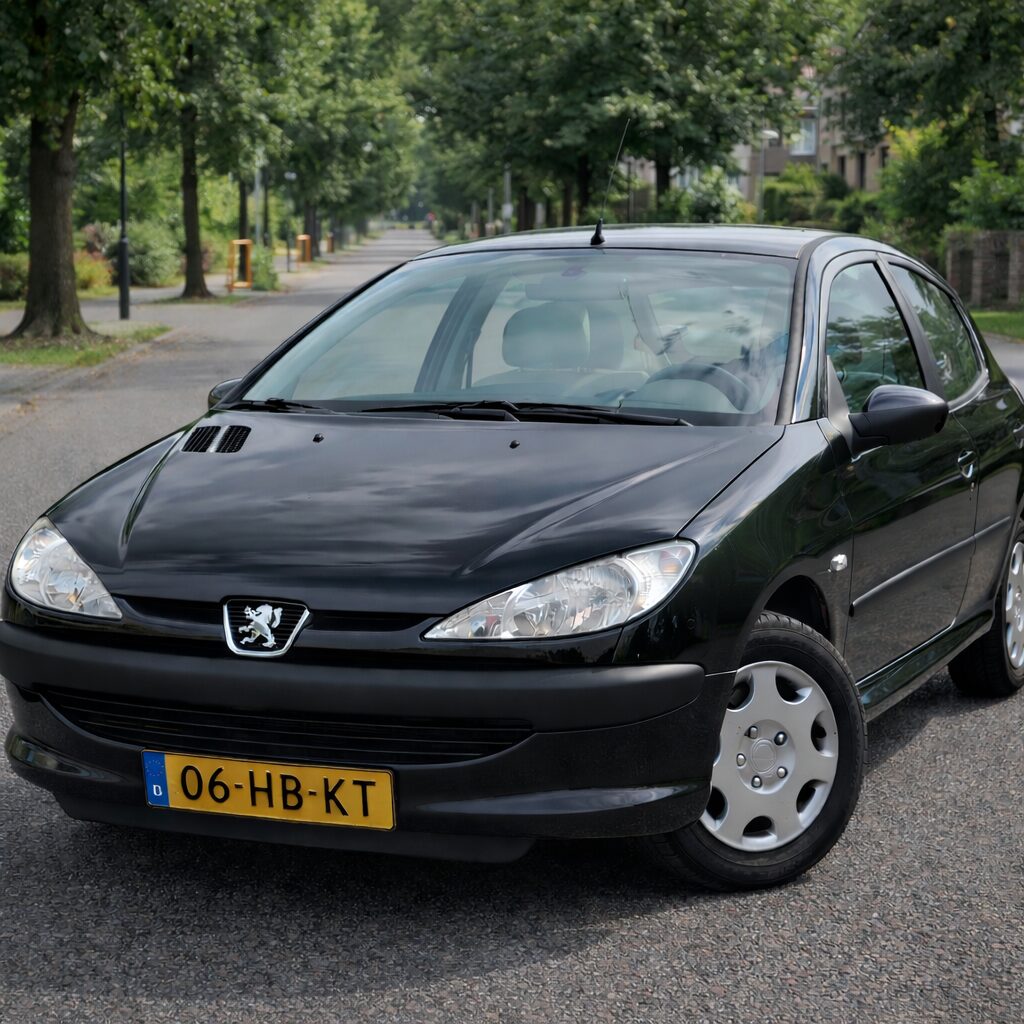
The Peugeot 206 regularly suffers from engine-related complaints such as hesitating, stalling and rough idling, especially in older models. Oil leaks from the cylinder head gasket, contaminated hydraulic tappets and alternator problems caused by oil are common causes. Owners of a Peugeot 206 would be wise to recognise and tackle these signs in good time.
Why is my Peugeot 206 engine hesitating?
Engine hesitation in the Peugeot 206 often stems from problems with the lambda sensor (oxygen sensor). This sensor measures the oxygen concentration in the exhaust gases and sends information to the engine control unit. The 206 has two lambda sensors: one at the exhaust and one at the catalytic converter. When one or both sensors send incorrect data, the fuel-air mixture becomes wrong.
This leads to hesitation, erratic engine behaviour and a check engine light on the dashboard. The car may also be hard to start. Owners regularly report that cylinders 2 and 3 in particular suffer from poor combustion, which manifests itself as loss of power and knocking noises. Replacing the faulty sensor usually solves this problem.
In addition, contamination of the hydraulic tappets can cause hesitation. These components ensure the correct clearance between the camshaft and the valves. When they get dirty, they no longer function properly, leading to rough running and vibrations. Regularly checking the oil level and using clean, good-quality engine oil helps to prevent this.
How do I recognise a faulty cylinder head gasket on a Peugeot 206?
Oil leaks from the cylinder head gasket are a known problem on the Peugeot 206, especially on models with a two-valve-per-cylinder engine up to the year 2000. You can recognise a faulty cylinder head gasket by several symptoms. The most noticeable sign is oil leaking on the outside of the engine block, often visible as dark patches under the car.
Coolant can also end up in the engine oil. You can recognise this by a milky, whitish residue on the inside of the oil filler cap or under the bonnet. This white substance indicates that coolant and oil are mixing due to a leak in the gasket. If in doubt, you can check the oil level and oil colour: a light, cloudy colour indicates water contamination.
Other warning signs are:
- Engine overheating due to coolant loss
- White smoke from the exhaust due to burning coolant
- Loss of power and rough running
- Knocking noises from the engine
Repairing a cylinder head gasket is labour-intensive and can cost from several hundred up to around a thousand euros, depending on the extent of the damage and the parts required. Always have this checked by a garage to prevent further engine damage.
What to do if your Peugeot 206 is idling unevenly
Uneven idling is a common issue with the Peugeot 206. The engine speed should normally be around 900 revolutions per minute with a cold engine and slightly lower with a warm engine. Owners report that the revs sometimes remain stuck at 2,000 rpm in neutral, or drop to 400 rpm so that the engine stalls when the clutch is pressed.
These problems are often caused by incorrect parameters in the engine control unit. A reset or reprogramming of the ECU can solve this. In addition, contaminated hydraulic tappets can cause fluctuating revs and vibrations. These parts become clogged by old or dirty engine oil.
The cooling fan can also play a role when idling. In the 1.6 16V petrol engines, the fan sometimes runs continuously or fails completely, which leads to overheating. Check whether the fan operates normally when idling. Abnormal noises or continuous operation indicate that replacement is needed.
Possible causes of uneven idling include:
- Faulty or dirty lambda sensor
- Incorrect ECU settings
- Contaminated tappets
- Poor earth connections behind the headlights
- Problems with the fuel pump
Start by checking the ECU and earth connections. These are relatively simple checks that can solve many problems.
Oil leaks on a Peugeot 206: causes and repair costs
Besides the cylinder head gasket, there are several other places where oil leaks can occur on the Peugeot 206. Oil often leaks from various gaskets and seals that wear out over time. This problem mainly affects older models with higher mileage.
A common cause is leakage from the rocker cover gasket. This gasket is located on top of the engine and can become porous due to heat and age. You then see oil on the engine and may sometimes smell burning if oil drips onto hot engine parts. Replacing this gasket usually costs between 100 and 200 euros.
Leaks from the sump (oil pan) and various oil seals can also occur. Oil can run down to the alternator, which in turn causes problems with this component. The alternator then no longer charges the battery properly or fails completely. Regularly check for oil patches under the car and around the engine.
‘ This can lead to serious engine damage because the belt jumps off and valves and pistons collide. ’
Problems with timing belt and tensioner
On the 2.0 HDi 90 bhp engine, the timing belt tensioner regularly fails after around 60,000 kilometres. This can lead to serious engine damage because the belt jumps off and valves and pistons collide. Preventive replacement of the timing belt and tensioner every 60,000 to 100,000 kilometres helps avoid expensive repairs.
HDi diesel engines are sensitive to fuel contamination. Water or dirt in the diesel causes rough running and starting problems. Clean or replace the fuel filter regularly and, where possible, refuel at reputable filling stations.
Starting problems and the fuel pump
Sometimes the Peugeot 206 will not start even though the engine is turning over. You can hear the starter motor, but the engine does not fire. This often points to a faulty fuel pump. Normally you hear a soft humming sound from the pump when you switch on the ignition. If this sound is absent, the pump may not be working.
Also check the earth connections behind the headlights. Corrosion or loose connections disrupt the electrical circuit and can cause starting problems. Clean the connections and make sure they are properly secured. If you suspect a faulty fuel pump, it is advisable to have a garage carry out a proper diagnosis.
Tips for preventive maintenance
Many engine problems with the Peugeot 206 can be prevented with regular maintenance. Check the oil level every month and top up when necessary. Use high-quality engine oil and follow the recommended replacement intervals. This keeps the hydraulic tappets clean and helps prevent leaks.
Pay attention to warning signs while driving. Knocking noises, vibrations when idling and changes in engine speed all warrant a check. Do not wait until problems get worse. A timely inspection of the lambda sensor, ECU parameters and cooling system will save you from major repairs.
Models built after 2002 are generally less prone to cylinder head gasket leaks. When buying a used Peugeot 206, it is sensible to take the year of manufacture into account in your decision. Ask for the service history and check whether the timing belt and tensioner have been replaced as a preventive measure.
On the Carnews website you will find much more information about car problems, maintenance tips and owner experiences. Also read the other articles about common faults in the Peugeot 206, such as issues with the cooling system and electrical faults.
Frequently asked questions
Signals include overheating (temperature gauge rising, cooling fan running continuously or not at all, possible coolant loss) and oil leaks around the cylinder head or gaskets (oil traces, burning smell, smoke). In addition, uneven idling, hesitation, poor starting and an illuminated “check engine” light often point to problems with lambda sensors, ECU settings or the fuel system. Tapping/knocking noises from the engine, noticeable loss of power and vibrations when idling are also signs of wear, defective engine mounts or (impending) timing belt and tensioner problems.
Typical causes include wear of components (such as timing belt, tensioners and engine mounts), poor or delayed maintenance, faulty sensors (such as the lambda sensor) and issues in the cooling or oil system. They can be prevented by carrying out regular and timely maintenance (changing oil and filters, checking the cooling and fuel systems), replacing wear parts preventively in line with the service schedule, and having fault codes or abnormal engine behaviour read and rectified at an early stage.
For a Peugeot 206, the estimated repair costs at an independent garage are roughly: €250–€450 for a faulty cooling fan or cooling system problems (overheating), and €200–€600 to fix oil leaks around the cylinder head/gaskets, depending on the severity. Replacing lambda sensors usually costs about €150–€300 per sensor, including labour. For replacement of the timing belt and tensioner you should allow around €350–€700, depending on engine variant and parts used. Problems with the fuel pump or related starting issues generally come out between €250 and €600.
A DIY mechanic can usually carry out basic diagnostics and fix issues such as tracking down and resolving overheating caused by a poorly functioning cooling fan (visual inspection, checking plug and relay, replacing the fan). Spotting oil leaks around the rocker cover or cylinder head gasket (oil and coolant traces, oil consumption) and replacing simple gaskets or hoses is also often manageable at home. Faults in lambda sensors or other sensors can be read with a simple OBD reader, after which the relevant sensor can often be replaced by the owner. In addition, jobs such as replacing the timing belt and tensioner, preventive maintenance (oil, filters, spark plugs) and checking/replacing engine mounts are typical tasks that an experienced home mechanic with the right tools can carry out.