
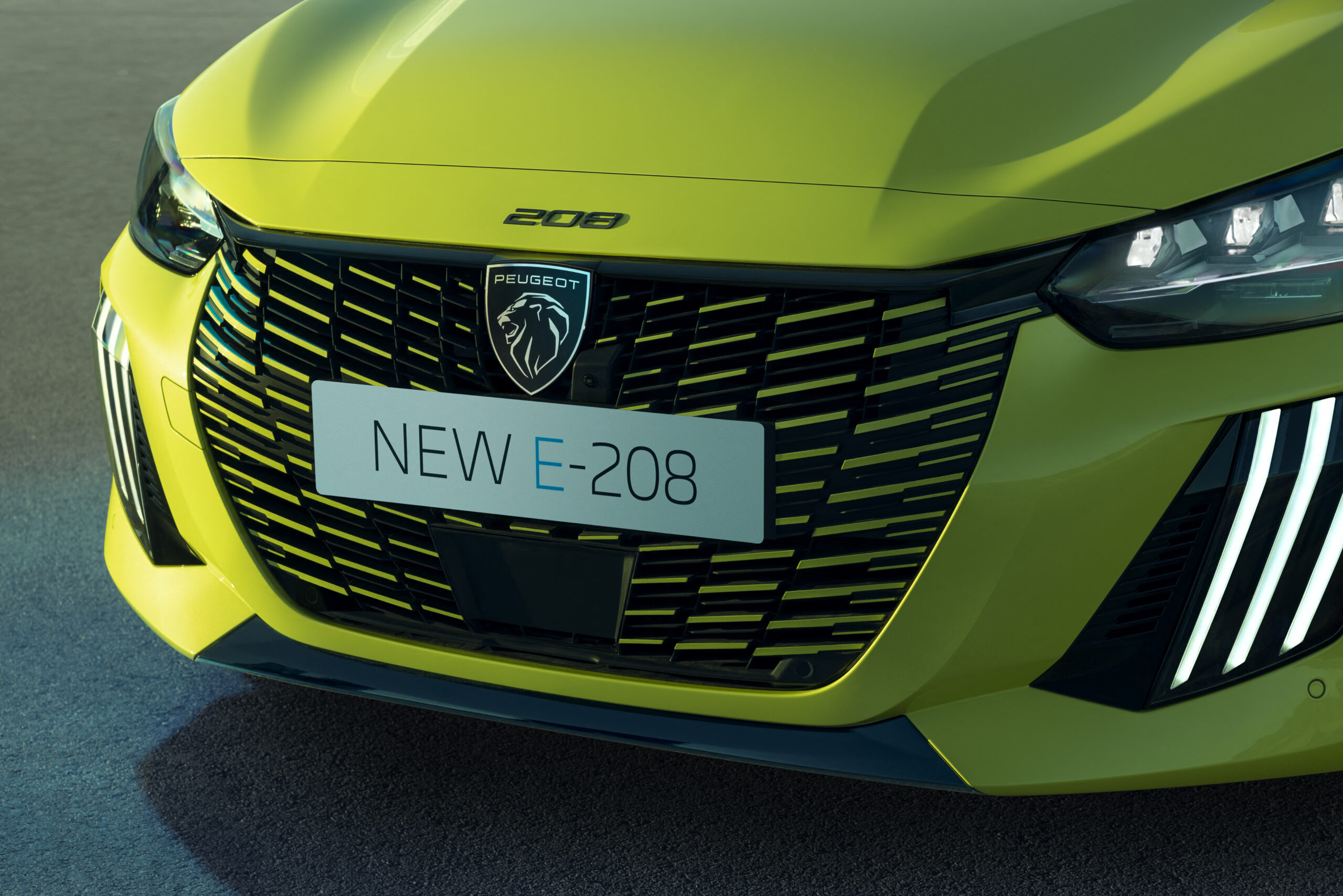
The Peugeot 208 GTI with 1.6 THP engine (high-pressure turbo petrol) regularly suffers from timing chain problems that can lead to serious engine damage. Early model years up to around 2015 are particularly prone to chain stretch and breakage due to worn chain tensioners and carbon deposits in the intake. Do you recognise rattling noises when starting or loss of power? Then it pays to take action straight away.
Symptoms of chain problems with the THP engine
The THP engine produces clear warning signs before the timing chain fails completely. On a cold start you normally hear a light rattling noise from the front of the engine for a few seconds. This indicates a problem when the noise lasts longer or also occurs at idle.
You will often also notice an unstable idle speed. The engine stutters or delivers less performance because the camshaft timing shifts. Under heavy acceleration, the rattling or dragging noise usually becomes louder. Owners of the Peugeot 208 also report fault codes on the dashboard, such as messages about incorrect camshaft position, problems with variable valve timing or the general warning “engine fault: repair needed”.
Do not ignore these signals. Continuing to drive with a worn chain risks chain breakage, which in this interference engine leads to pistons and valves colliding. Repair costs then quickly rise to several thousand euros.
‘ The tensioner reaches its maximum travel, after which the chain weakens and eventually breaks. ‘
Why the timing chain fails in the THP engine (high-pressure turbo petrol)
The 1.6 THP engine (high-pressure turbo petrol) with direct injection is sensitive to carbon deposits on the intake valves and in the manifold. This contamination restricts airflow and causes power loss. It also makes the chain problems worse by reducing lubrication of moving parts.
The automatic chain tensioner and guides wear prematurely. The tensioner reaches its maximum travel, after which the chain weakens and eventually breaks. Most problems appear around 80,000 to 100,000 kilometres, but this varies per car and service history.
The quality and frequency of oil changes play a major role. Regular changes with high-quality oil significantly extend chain life. Poor-quality oil or oil that is used for too long, on the other hand, accelerates wear of the chain as well as the tensioners and guides.

Recognising timing chain stretch in the Peugeot 208 THP
A stretched timing chain manifests itself mainly through noise. On a cold start, listen for rattling noises that last for more than five seconds. This indicates insufficient tension on the chain.
The noise can also be clearly audible at idle or during acceleration. Some owners describe it as a dragging or rattling sound from the front of the engine bay. Compare it to the noise of a loose metal chain hitting a plastic cover.
A diagnostic computer often shows fault codes related to camshaft position. The engine may struggle to synchronise the inlet and exhaust camshafts. During a visit to the garage, the mechanic measures the chain tension and checks whether the chain is still within the permitted tolerances.
What checks can you carry out yourself
When starting a cold engine, consciously check for abnormal noises. Let the car idle for five to ten seconds and listen carefully. Open the bonnet and try to locate the source of the noise.
Pay attention to changes in driving behaviour. Does the engine hesitate during acceleration? Does the car feel less powerful than usual? These signs may point to timing issues caused by a stretched chain.
You can also scan the fault memory yourself with an OBD2 scanner (diagnostic device that reads fault codes via the OBD port). Codes such as P0011, P0021 or P0016 point to camshaft problems. If in doubt, always have the car checked by a specialist who has experience with the THP engine.
Can you clean the intake contamination yourself
Carbon deposits in the intake contribute to the problems with the THP engine. These deposits are caused by direct injection, where fuel is injected directly into the combustion chamber. As a result, the intake valves are no longer washed with petrol, which leads to a build-up of soot particles.
Professional cleaning is usually done via walnut blasting (a cleaning method in which fine walnut shells are blasted at the valves under high pressure) or with chemical cleaning agents. With walnut blasting, the mechanic sprays fine walnut shells at the valves and the manifold under high pressure. This effectively removes the carbon layer without damaging the parts.
Cleaning it yourself is only possible to a limited extent with chemical spray products that you apply via the intake. This method is less thorough than professional cleaning, but can reduce light contamination. Always follow the manufacturer’s instructions and do not expect miracles in the case of heavy contamination.
‘ Replacing the chain preventively at the first symptoms avoids much more expensive damage to the interference engine. ‘
How much does it cost to repair the timing chain
When the timing chain is replaced, several components are renewed as standard. This includes the chain itself, guide rails, tensioners and seals. Mechanics recommend using original parts for optimal fit and durability.
If the chain has already jumped a tooth or has broken, there is often damage to valves and valve stem seals. The rocker cover gasket and head gasket also need to be replaced. In addition, the garage will renew the engine oil, oil filter and coolant. After assembly, the mechanic clears the fault memory and reinitialises components.
Total costs vary between 1,500 and 3,000 euros, depending on the extent of the damage and whether additional repairs are required. Replacing the chain preventively at the first symptoms avoids much more expensive damage to the interference engine.
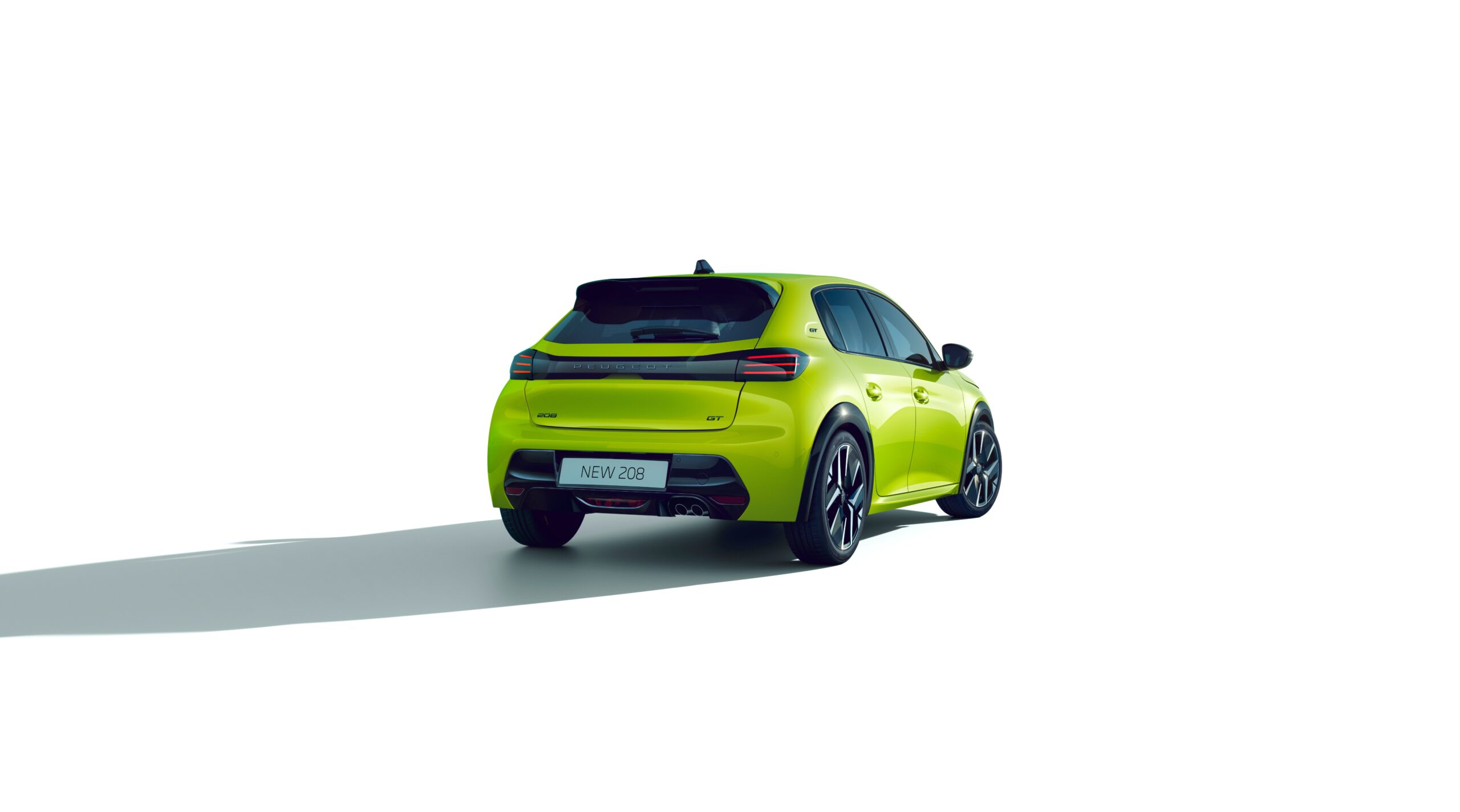
Reliability of the Peugeot 208 THP engine
The reliability of the 1.6 THP engine is a topic of debate among owners and experts. Early model years up to 2015 clearly suffer more from timing chain problems. Later examples benefit from minor revisions, but remain susceptible to the same issues.
Besides the chain, the engine suffers from intake contamination due to direct injection. This is inherent to the design and requires regular preventive maintenance. Owners who maintain the engine properly and act in time when symptoms appear can certainly enjoy trouble-free driving.
The engine delivers good performance and driving pleasure, but demands more attention than average. Change the oil frequently, use high-quality lubricants and have the chain inspected at an early stage. Forums show that owners who take this approach are more successful in preventing major repairs.
Preventive maintenance for the THP engine
Preventive maintenance makes the difference between a reliable engine and costly repairs. Change the engine oil every 10,000 to 15,000 kilometres, regardless of the manufacturer’s recommendations. Always use oil that meets the specifications for the THP engine.
Have the chain tensioner and guides checked preventively at around 80,000 kilometres. Some specialists advise replacement at this mileage, especially for cars with an unknown service history. The cost of this does not compare to that of a ruined engine.
Consider having the intake cleaned periodically. This removes carbon deposits and keeps airflow optimal. Combine this with checking the spark plugs and ignition system for a healthy engine.
Tips when buying a used example
When buying a used Peugeot 208 GTI, always check the service history. Ask about previous oil changes and whether the timing chain has been replaced. Without proof, assume that this still needs to be done.
During a test drive, listen carefully to the cold start. First let the engine cool down completely before you start it. Rattling noises lasting longer than a few seconds are a warning. Scan the fault memory and watch out for codes related to the camshafts or valve timing.
If you are unsure about the condition of the chain, negotiate on the price. Factor the cost of replacement into your offer. A car with a documented chain replacement is worth more than an example with an uncertain condition.
‘ Every engine type has specific points of attention that you need to know for proper maintenance. ‘
Difference between THP engine (high-pressure turbo petrol) and later variants
Do not confuse the 1.6 THP with later PureTech engines (newer generation three-cylinder turbo petrol) that Peugeot introduced. The PureTech versions use a timing belt instead of a chain. These engines have their own problems with metal particles in the oil due to wear of the belt running in an oil bath (belt that runs in the engine oil instead of dry on the outside of the engine).
The VTi models with belt drive also have different maintenance characteristics. The belt requires replacement according to a fixed schedule, but causes fewer acute problems than a stretched chain. Every engine type has specific points of attention that you need to know for proper maintenance.
On forums, owners report that the correct assembly sequence during chain replacement is important. The crankshaft pulley is tightened last with a specific torque of 20 Nm plus 180 degrees. After any work on the timing system, adaptation values must be reset to prevent fault codes.
Further information about the Peugeot 208 GTI
The timing chain remains a point of attention on the Peugeot 208 GTI with THP engine. Early detection and preventive maintenance keep the engine sporty and reliable. At the first rattling noises, stop driving the car and have a diagnosis carried out. Key actions: change the oil frequently using high-quality products, have the chain inspected at around 80,000 kilometres and act immediately if symptoms appear. Owners who follow this approach report significantly fewer problems and a longer engine life.
Frequently asked questions
Early symptoms are a rattling or dragging metallic noise on cold start or at idle, lasting longer than a few seconds. In addition, you may notice an unstable idle, hesitation or loss of power due to shifted camshaft timing. The engine management can generate fault codes (including camshaft position/VVT) and show a message “engine fault: repair needed” on the dashboard. Take such signals seriously straight away and have the timing chain and chain tensioner checked to prevent chain breakage and severe engine damage.
A defective timing chain can cause rattling noises, irregular running of the engine, loss of power and, in the worst case, severe engine damage due to valves and pistons colliding. If you keep driving with a worn or skipping chain, the engine can seize completely. For replacement of just the chain, guides and tensioner you should roughly count on about €800–€1,500 at a garage. If there is already internal engine damage (valves/gaskets etc.), the costs can rise to several thousand euros.
To minimise problems with the THP timing chain, it is important to service the engine very regularly using high-quality oil (preferably every 10–15,000 km) and always use the correct oil specification type. Pay attention to rattling noises on cold start or an unstable idle and have the chain tensioner and guide rails checked in good time or replaced preventively if there is any doubt. Avoid long oil change intervals and excessive short journeys where the engine does not reach operating temperature, as this contaminates the oil more quickly. When buying a used car: carefully check the service history, scan for fault codes and have the timing chain checked specifically.
During a test drive, listen for rattling or dragging noises on cold start and at idle, especially in the first few seconds; persistent rattling often indicates a stretched timing chain or worn tensioner. Check that there is a complete service history with regular oil changes (ideally every 10–15,000 km) using high-quality oil, as neglected oil changes accelerate chain wear. Have the fault memory read out for messages concerning camshaft position/VVT and ask explicitly whether the timing chain, chain tensioner and guides have ever been replaced preventively (with invoices as proof). Avoid cars that idle roughly on cold start, knock or already show “engine fault: repair needed”, unless there is room in the price to have a complete chain kit replaced immediately.
Early production years of the 208 GTI with 1.6 THP, roughly up to around 2015, are clearly more prone to timing chain problems due to weaker chain tensioners and faster-wearing guides. Later model years received improved components and are in practice less susceptible, provided that good maintenance has been carried out (especially timely oil changes). Versions with the same 1.6 THP engine largely share the same basic risk, but cars that do many short journeys or have a poor service history in practice prove to be the most problematic. Checking cold start noises and maintenance invoices is more important for every version than the exact trim level.