
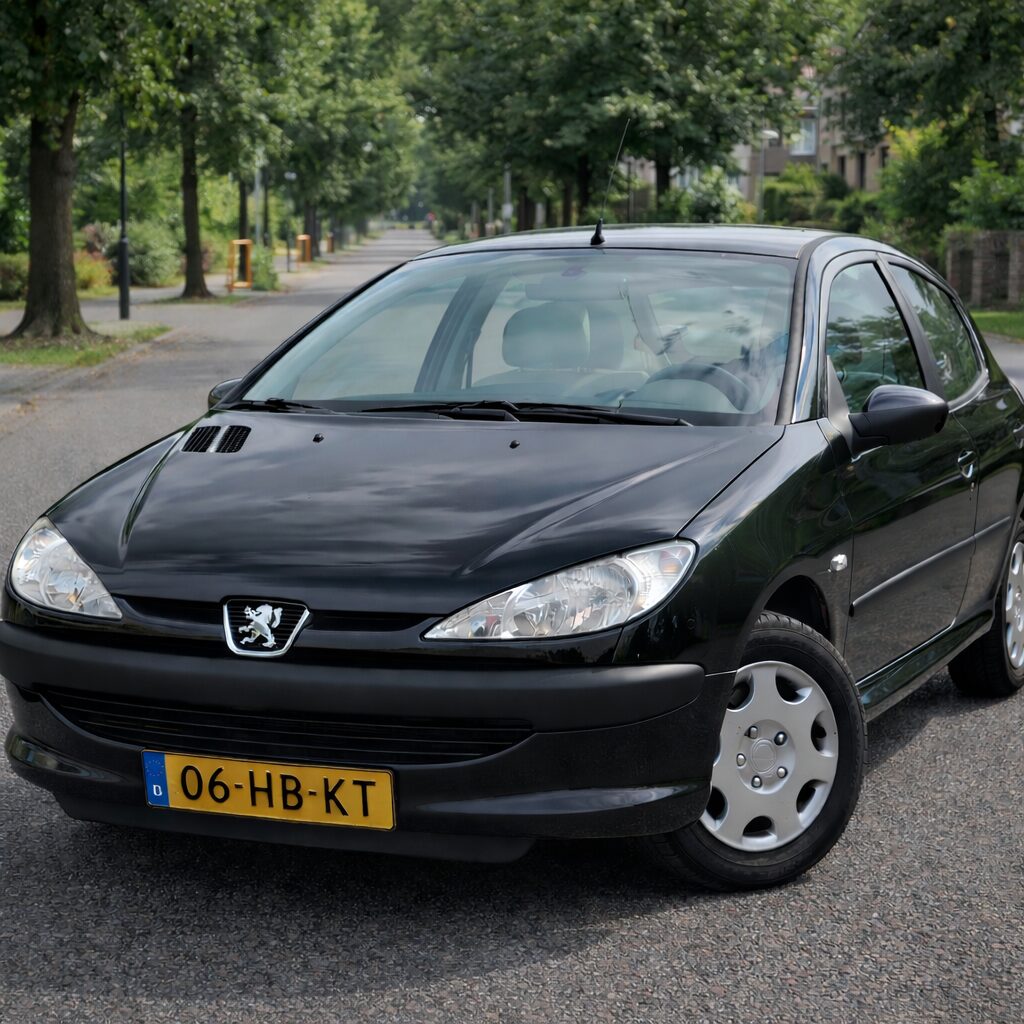
A broken timing belt in the Peugeot 206 immediately leads to serious engine damage. The cylinder head has to be overhauled, crankshaft oil seals replaced and often the clutch plates, radiator and alternator also need replacing. Timely maintenance prevents these costly repairs and keeps your engine healthy.
Why the timing belt is so important
The timing belt regulates synchronisation between the crankshaft and camshaft. This toothed belt ensures that valves and pistons move at exactly the right moment. If it breaks, the valves hit the pistons, causing expensive engine damage. Bent valves and damaged pistons are common consequences. The Peugeot 206 has an interference engine, which means damage in the event of belt failure is almost inevitable.
Preventive replacement is therefore not a luxury. Over time the belt wears due to tension, heat and load. Cracks and delamination are often not visible from the outside. Regular replacement according to schedule prevents engine problems and high repair costs.
When the timing belt should be replaced
The replacement interval depends on the engine type. For petrol engines, basic servicing is every 24 months or 30,000 kilometres. The timing belt itself requires different intervals:
- 1.9 D 70 hp engine: replace after 75,000 kilometres or 10 years
- 1.4 HDI 70 hp engine: replace after 150,000 kilometres or 10 years
- 1.6 HDI 110 hp engine: replace after 100,000 kilometres or 10 years
- 2.0 HDI 90 hp engine: replace after 100,000 kilometres or 10 years
Diesel engines often have longer intervals (replacement mileage or periods) than petrol engines. Even so, it is not worth pushing the limits. Owners report that belts can still be intact after 14 years or 187,000 kilometres, but the risk of failure increases sharply. Always replace in good time, even if the belt still looks fine to the naked eye.
How to find out the replacement history
Check the service book for the last replacement date and mileage. Many garages place a sticker under the bonnet with these details. No information available? Have the belt replaced immediately, especially on cars over 150,000 kilometres without verifiable maintenance. Taking a gamble never pays off with this crucial component.
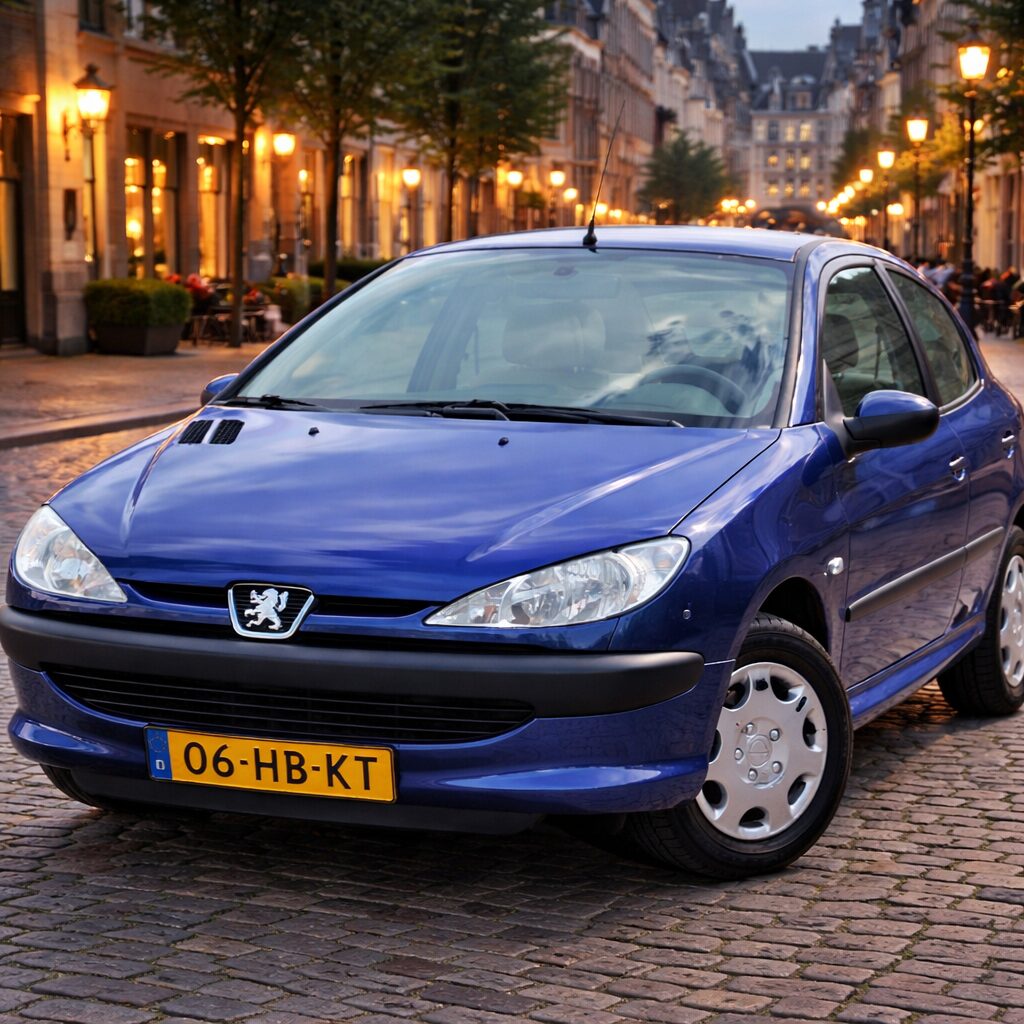
How much does it cost to replace the timing belt
Professional replacement starts from €379 including labour. This amount varies per garage and engine type. Specialists recommend replacing the water pump at the same time. It sits behind the same cover and requires the same dismantling work. A complete kit with belt, pulleys and water pump costs around €106 in parts.
Replacing the water pump separately at a later date means paying for labour and dismantling again. By replacing both parts at the same time you save future costs. Garages only charge the labour hours once. The water pump also wears and can start leaking, which can lead to overheating and engine damage.
Common damage caused by belt failure
When it fails, a domino effect of engine damage occurs. The cylinder head often needs a full overhaul. Valves bend due to the impact with the pistons. This overhaul is labour-intensive and expensive. Crankshaft oil seals are damaged by sudden vibrations and have to be replaced.
Clutch plates can crack due to the shock load. The radiator is at risk of leaking when temperatures rise because the cooling stops. The alternator becomes overloaded because it loses its drive and has to start up again. The damage quickly adds up to several thousand euros in repairs.
Engine damage caused by belt failure is often not covered by warranty. Manufacturers regard this as the result of postponed maintenance. The repair costs exceed the value of many used Peugeot 206 models. Preventive replacement is therefore wiser than repair afterwards.
‘ A difference of just one tooth already causes engine damage when starting. ’
Maintenance that prevents problems
In addition to the timing belt, the Peugeot 206 requires regular maintenance. For petrol engines you should replace the spark plugs after 4 years or 60,000 kilometres. Brake fluid should always be renewed every 2 years, regardless of mileage. Moisture in the fluid reduces braking performance and damages the system.
Regularly check the tension of the timing belt. If it is too tight it leads to wear on bearings and gears. If it is too loose it causes incorrect synchronisation and increases the risk of the belt jumping. Professional garages use a digital gauge for precision. When tensioning by hand, the belt should twist no more than a quarter turn.
Can you replace the belt yourself
Technically it is possible with the right manuals and tools. Online tutorials show the exact steps for different engines. Pay particular attention to the locking positions of the crankshaft and camshaft. These must be exactly aligned during installation. A difference of just one tooth already causes engine damage when starting.
The procedure requires technical knowledge and experience. Incorrect tension or positioning has immediate consequences for the engine. Professional garages have experience with specific 206 engines and know the pitfalls. For inexperienced mechanics the risk is too great. The saving does not outweigh the potential cost of mistakes.
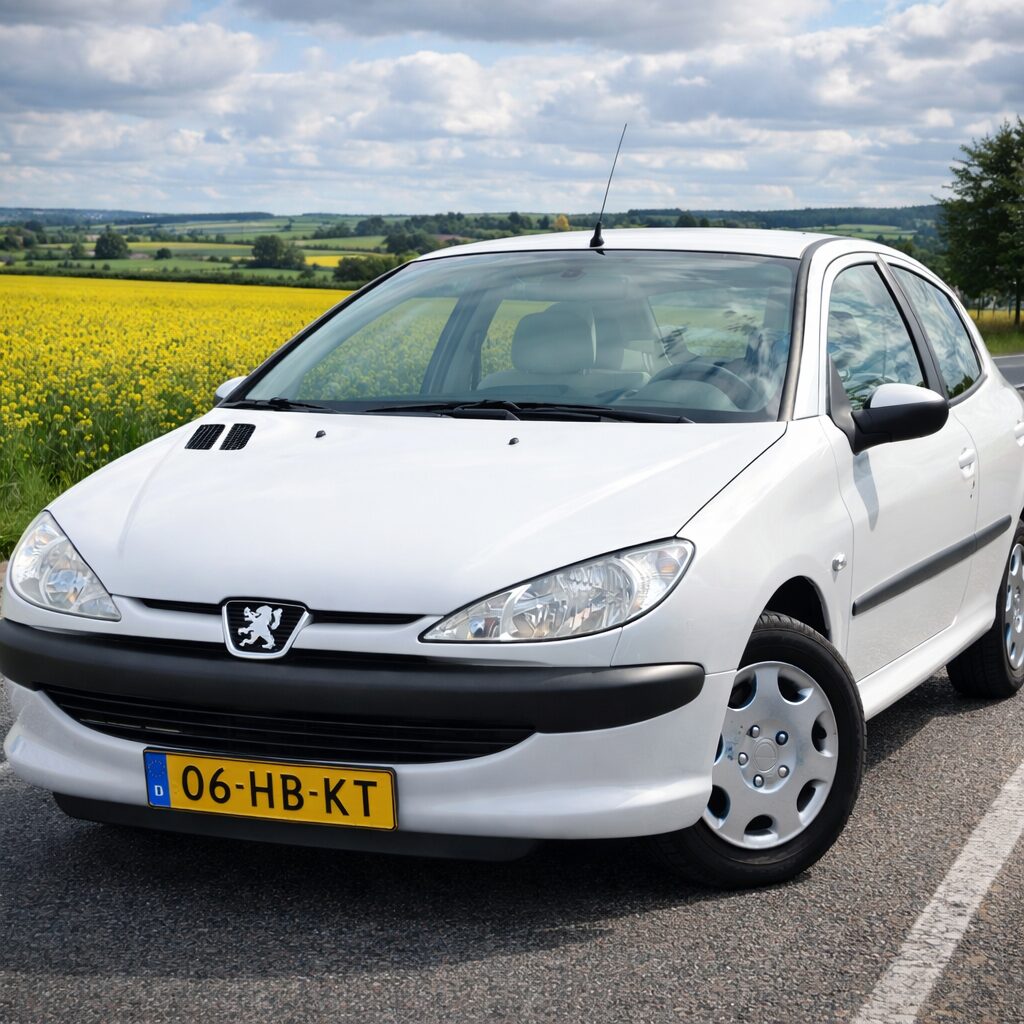
Additional points of attention during replacement
Always replace the tensioners and idler pulleys as well. These parts wear at the same rate as the belt. Worn pulleys cause uneven tension and increase wear on the new belt. A complete kit prevents early problems.
Inspect the crankshaft sprockets for wear. Ragged teeth damage the new belt. Check for oil leaks around the seals before fitting the belt. Oil on the belt reduces grip and causes slipping. Fix leaks first before final assembly.
Test the engine after replacement without spark plugs or fuel injection. Turn the crankshaft manually for a few revolutions. Check that all locking positions are correct and whether any resistance can be felt. Resistance indicates contact between valves and pistons due to incorrect positioning. Correct this before starting the engine.
Periodic checks extend service life
Plan annual checks of the timing belt, especially for cars older than 8 years. A visual inspection shows cracks, fraying or oil stains. These signs indicate accelerated wear. Owners who check regularly avoid unpleasant surprises and can intervene at an early stage.
Listen for unusual sounds from the engine bay. Squeaking or rattling when starting or accelerating indicates tension problems. Vibrations at idle can point to synchronisation issues. Do not ignore these signals but have them investigated immediately.
Keep all maintenance documentation. This increases the resale value and gives future owners confidence. A complete service history shows careful ownership. Garages can also give faster advice when replacement dates are known.
‘ The damage caused by failure far exceeds the cost of maintenance. ’
Driving reliably with the Peugeot 206
The Peugeot 206 is a reliable car when properly maintained. The timing belt requires discipline and planning. Do not postpone replacement because of the cost. The damage caused by failure far exceeds the cost of maintenance. Opt for professional replacement including water pump and pulleys.
Stick to the recommended intervals for each engine type. Regularly check for wear and irregularities. This approach keeps your 206 reliable for many years and prevents annoying breakdowns. On the Carnews website you will find more information on maintenance, common problems and practical tips for different car brands. Discover more knowledge that will help you look after your car.
Frequently asked questions
For a Peugeot 206 it is generally advised to replace the timing belt between about 75,000 and 150,000 miles, depending on the specific engine type. In addition, there is a maximum interval of around 10 years, even if the mileage has not yet been reached. Always check the service book or stickers under the bonnet for the last recorded replacement. If that information is missing and the car is older or has already covered high mileage, it is wise to replace the belt immediately.
The average costs for replacing the timing belt on a Peugeot 206 start at around €379, including labour. It is often recommended to fit a kit with pulleys and water pump at the same time. Such a kit costs roughly €106 extra in parts. Depending on the garage and region, the total bill will therefore be in the region of €400 to €550.
On a Peugeot 206 it is recommended to replace the water pump at the same time as the timing belt. In addition, you would normally also replace the tensioners and idler pulleys (often supplied as a complete timing kit).
If the timing belt on a Peugeot 206 is not replaced in time, you run the risk that the belt will break while driving. This can lead to serious engine damage, such as bent valves and damaged pistons. In many cases this results in a very expensive engine overhaul or even replacement of the entire engine. There is also a risk that the car will suddenly cut out, which can lead to potentially dangerous traffic situations.
Replacing the timing belt on a Peugeot 206 is quite a complex job for which precise adjustment and correct locking positions are crucial. An experienced enthusiast with good technical knowledge, detailed manuals or videos and plenty of practical experience can in principle do it themselves. In practice, however, it is often recommended to have the work carried out by a specialist because of the risk of serious engine damage if mistakes are made. Special tools (such as locking pins and a tension gauge or alternative tensioning method) and great accuracy are essential.