
A broken timing belt causes serious engine damage and is one of the most common engine problems in many car models. Preventive maintenance is therefore not a luxury but a necessity to avoid costly repairs. The right knowledge about maintenance intervals and signs of wear helps you to take action in time and keep your engine healthy.
What is a timing belt and why is maintenance important?
The timing belt ensures synchronisation between the crankshaft and the camshaft in your engine. This rubber belt runs continuously while driving and makes sure that valves and pistons move at exactly the right moment. A defective belt can lead to contact between valves and pistons, resulting in severe engine damage.
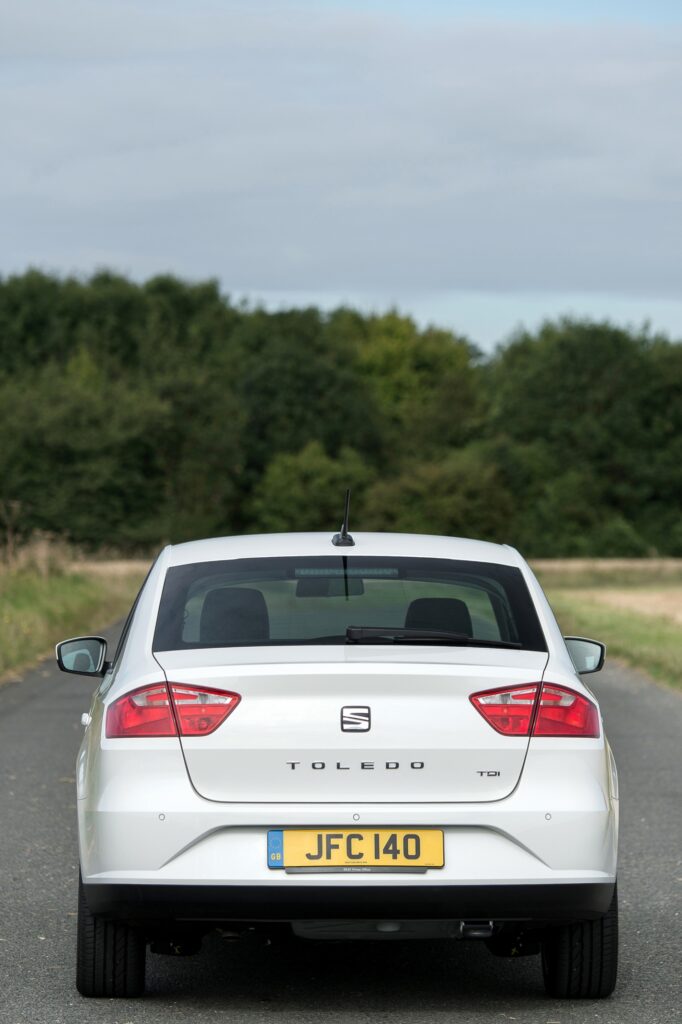
In some models, such as the Seat Toledo with EcoBoost engines (turbocharged direct injection engines), a wet timing belt is used that runs in engine oil. This system is more compact but more sensitive to wear due to oil quality. When the belt wears, rubber particles can clog the oil system and reduce oil pressure, which leads to more extensive engine damage.
Timely maintenance prevents these problems. A new belt does cost money, but it is only a fraction of the repair costs of a broken belt. Engine damage caused by a broken timing belt quickly runs into several thousand euros.
When should you replace the timing belt
Manufacturers specify replacement intervals between 60,000 and 240,000 kilometres, depending on the make and model. Most car brands use an interval of 100,000 to 150,000 kilometres or 10 years, whichever comes first. Check your car’s service book for the exact interval.
Wet timing belts (belts that run in engine oil) often have shorter intervals. These belts are more sensitive to wear due to oil quality and maintenance. Owners of cars with wet belts are advised to replace the belt preventively at 80,000 kilometres, especially on older models known for early wear.
Pay attention to the following factors that influence the replacement interval:
- Driving style and conditions: frequent short trips or lots of stop-start city traffic accelerate wear
- Oil quality for wet belts: incorrect oil or extended oil-change intervals increase the risk
- Age of the belt: rubber ages even without covering many kilometres
- Type of engine: interference engines require extra vigilance
Do not wait until the end of the recommended interval. Schedule the replacement well in advance, especially for cars with a high mileage or intensive use.
Recognise a worn timing belt by these warning signs
A timing belt often gives warning signs before it fails completely. Listen and look out for these symptoms:
- Rattling or squeaking noises from under the bonnet, especially when starting or accelerating
- Irregular engine speed or a misfiring engine while driving
- Starting problems or difficulty cranking the engine
- Engine warning light coming on without an obvious cause
- Reduced oil pressure on engines with wet belts
Squeaking noises often indicate wear of the tensioners or idler pulleys, which should be replaced together with the belt. Rattling noises can point to a slack belt that already has too much play. Do not ignore these signs but have the timing belt checked immediately by a mechanic.
With wet timing belts the symptoms are less easy to notice directly. Regularly check the oil quality and look out for metal particles or rubber residue in the oil. This indicates internal wear of the belt.
What happens when a timing belt snaps
A broken timing belt while driving has immediate consequences. The camshaft stops turning while the crankshaft and pistons keep moving. In interference engines, pistons hit the valves, which leads to bent valves, damaged pistons and, in the worst case, an irreparably damaged cylinder head.
The engine cuts out immediately and will not restart. You lose power and must manoeuvre the car safely to the side of the road. Switch the engine off and do not try to start it again, as this will increase the damage. Call a recovery truck to take the car to a garage.
In non-interference engines the damage is more limited. The engine does stop, but valves and pistons do not immediately collide. Even so, it remains an expensive repair, as the belt must be replaced and other components may also be damaged.
With wet belts a secondary problem often arises. Rubber particles from the broken belt clog the oil pump and oil passages. This leads to oil starvation and further engine damage, even after the belt has been replaced. A complete flushing of the oil system is then necessary.
How much does it cost to replace a timing belt
The replacement costs range between 400 and 1,500 euros, depending on the make, model and type of belt. Replacing a dry timing belt costs on average 400 to 800 euros including labour. Wet timing belts are more complex to replace and cost between 800 and 1,500 euros.
A complete timing kit includes more than just the belt. Mechanics replace the tensioners, idler pulleys, gears and often the water pump at the same time. This prevents you from having to return to the garage shortly after the belt replacement because of a faulty tensioner or leaking water pump.
Additional costs may arise from:
- Replacement of the water pump: an extra 100 to 300 euros
- Renewing coolant: 50 to 100 euros
- Flushing the oil system with wet belts: 150 to 300 euros
- New seals and gaskets: 50 to 150 euros
This investment prevents engine damage costing thousands of euros. Owners report on forums that repairs after belt failure quickly cost 3,000 to 5,000 euros due to damaged valves, pistons and cylinder head.
Practical maintenance tips for a long service life
Proper maintenance extends the service life of the timing belt and prevents problems. Always use the engine oil specified by the manufacturer, especially with wet belts. Incorrect oil or mixing oil types accelerates the degradation of the rubber.
On engines with wet belts, replace the engine oil every 7,500 to 10,000 kilometres, even if the manufacturer specifies longer intervals. Frequent oil changes remove rubber particles and keep the system clean. Regularly check the oil level and top up if necessary.
Additional tips for preventive maintenance:
- Have the timing belt inspected visually once a year, even with a low mileage
- Always replace the complete timing kit, not just the belt
- Flush the oil system when replacing wet belts
- Check whether there are any fault codes stored in the engine management system
- If in doubt, ask for a second opinion at another garage
Schedule belt replacement well before the end of the recommended interval. Do not wait until the last moment, as this increases the risk of problems during holidays or important journeys. Mechanics can cause timing issues if the belt is installed incorrectly, so choose a reliable garage with experience of your car brand.
Points of attention after replacing the timing belt
After replacement the engine may feel or sound different. This is normal because of the new tension of the belt and fresh components. Drive gently for the first few kilometres and listen for unusual noises or vibrations. Going back to the garage is sensible if you are unsure.
After 1,000 kilometres, check whether the belt is still correctly tensioned. Some garages offer a free retensioning service. A belt that is too tight will wear more quickly, while a belt that is too loose can jump teeth and still cause damage.
If you experience problems such as rough running or starting issues after replacement, the timing may have been set incorrectly. This sometimes happens with complex engines or inexperienced mechanics. Incorrect timing damages valves and causes loss of power. Have this checked immediately and corrected if necessary.
Keep the invoice and documentation of the replacement. This increases your car’s resale value and gives the next owner certainty about the maintenance carried out. Record the mileage at the time of replacement in the service book.
On the Carnews website you will find more information about engine problems, maintenance tips and common faults for different car brands. Discover useful articles about specific models and technical topics that help you keep your car in top condition.
Frequently asked questions
The most common symptoms of timing belt problems are rattling, ticking or squeaking noises from the front of the engine. You may also notice that the engine runs unevenly, starts poorly or with difficulty, or that the engine warning light comes on. A noticeable loss of power, hesitation when accelerating or juddering can also point to a worn or skipping belt. In severe cases, oil pressure drops and you hear abnormal mechanical noises, which may indicate an imminent or actual belt failure.
Strictly following the replacement interval is essential because the timing belt plays a crucial role in synchronising the crankshaft and camshaft. As the belt ages or wears and is not replaced in time, the risk of failure increases significantly. A broken timing belt can lead to serious engine damage, such as bent valves, damaged pistons and clogging of the oil system by belt debris. This can drastically shorten the engine’s service life or even result in a complete engine overhaul or replacement.
Yes. Lots of cold starts and short journeys, extreme temperatures (very hot or very cold) and intensive use such as frequent full-throttle driving or towing can accelerate wear. In addition, poor or incorrect engine oil, neglected oil changes and oil or coolant leaks onto the belt increase wear. Poor alignment or defective tensioners and idler pulleys also increase the risk of premature wear or failure.
When choosing between an original timing belt and aftermarket alternatives, the main considerations are warranty, reliability, price and availability. Original belts are guaranteed to meet the manufacturer’s specifications and are often supported by the factory warranty or goodwill. Aftermarket belts can be cheaper and sometimes come from equivalent premium brands, but quality varies greatly by brand and incorrect fit or faster wear is more common with budget ranges. The most important quality differences lie in the materials used, the accuracy of the teeth/profiles, the belt’s service life and the components supplied in the timing kit (tensioners, pulleys and possibly water pump).
Yes, a limited visual inspection is possible, but usually a cover or shroud must first be removed and you only see a small part of the belt. Look for fine cracks, fraying, missing teeth, shiny spots (smooth/“polished” surface) and oil leaks near the belt. If you see rubber particles, cracks or oil on the belt, the system should be checked by a specialist as soon as possible. Bear in mind that a belt can also age internally without obvious visible damage, so always follow the manufacturer’s replacement interval.